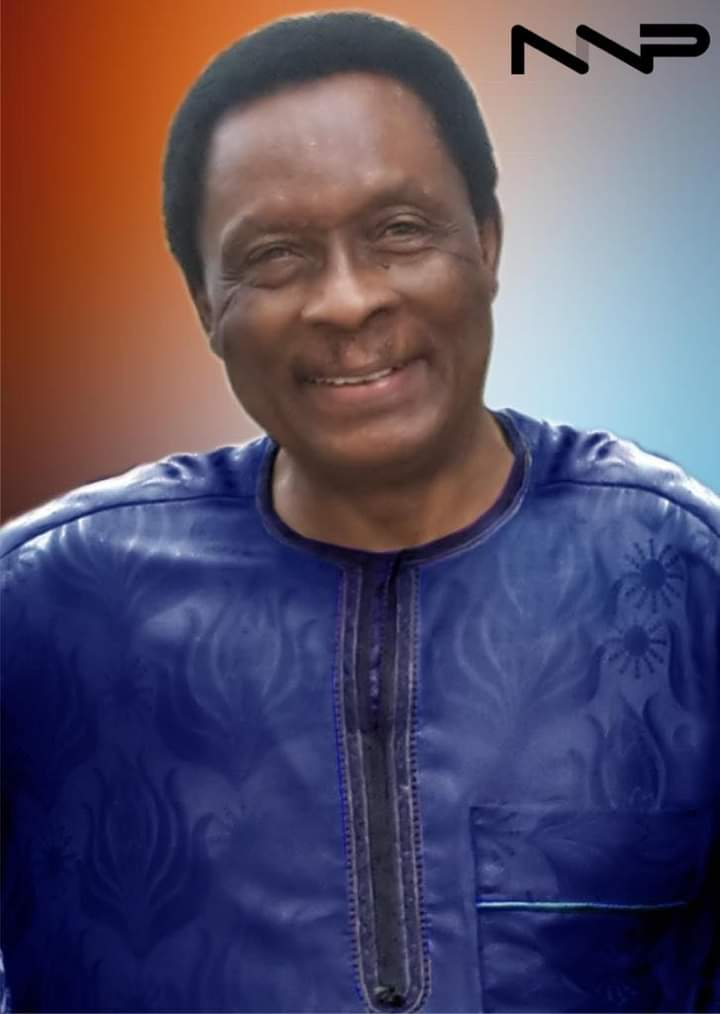
The 16-Year-Old Who Called Out America on Live TV (and Changed Nigerian Broadcasting Forever)
In 1957, a fearless 16-year-old Nigerian challenged American racism on live TV and went on to redefine broadcasting in Nigeria. The remarkable legacy of Boniface Okechukwu Offokaja, from viral debate to media pioneer.
It is 1957. America is in the heat of the Civil Rights Movement, Martin Luther King Jr. is just beginning his activism, and segregation is still the law in much of the country. Now imagine a 16-year-old Nigerian boy walking onto American television and asking the question nobody wanted to hear: "How could you be objective about African Negroes when you are so full of prejudice about American Negroes?"
That boy was Boniface Okechukwu Offokaja, and he was absolutely fearless.
The Debate That Went Viral
Born in Kano on May 21,1940, Boniface also known as "Bonny" to his family grew up in Northern Nigeria as the son of an Igbo businessman. He was fluent in Hausa from an early age and eventually got into the eliteSt. Gregory's College in Lagos, where he was such a brilliant student he literally skipped grades.
In 1957, Boniface was selected to represent Nigeria at a prestigious international high school debate in the United States called "The World We Want." The topic was prejudice. The venue was Live American television, broadcast to millions of homes across the country.
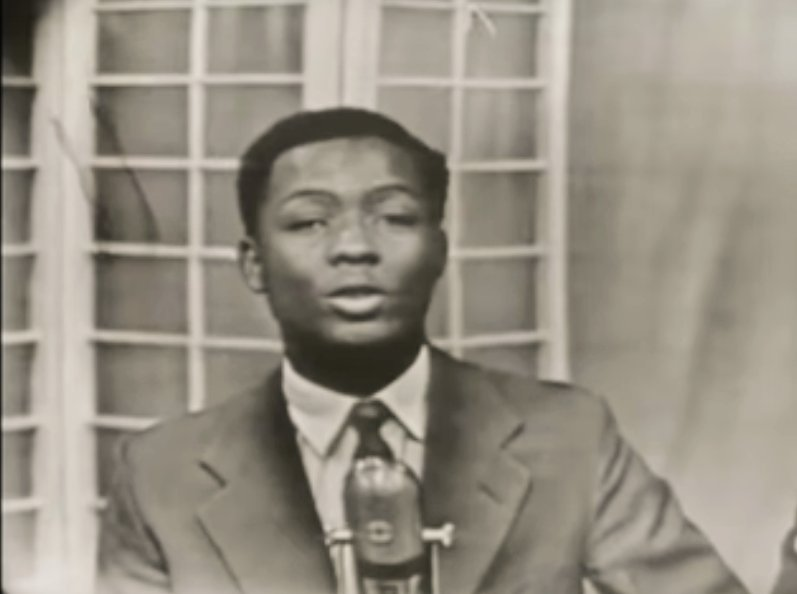
Now, this was not just any debate. Students from 33 different countries participated, including representatives from Ghana, Ethiopia, and South Africa. When the moderator asked if Americans were prejudiced about Africa, Boniface did not hold back.
While the South African student defended apartheid, and others tip-toed around the question, Boniface came with receipts. He directly challenged American hypocrisy on racial issues, and when it came to South Africa's apartheid system, he was even more brutal: "I wouldn't even pay a penny to go there."
The clips of this debate have recently resurfaced on TikTok and other social media, and we are absolutely here for it. Watching a teenager in 1957 call out systemic racism with the same energy as today's activists hits different.
From Viral Moment to Media Pioneer
Boniface's story gets even more impressive. That debate was not just a one-time flex. It launched an entire career that would reshape Nigerian media.
In 1958, right after his school certificate exam, his speaking and writing skills landed him a job as a newscaster with theNigerian Broadcasting Corporation (NBC). Think about that, he was barely out of high school and already on radio.
At NBC, he championed workers' rights and even got into conflicts with management and the Federal Minister of Information. The guy simply did not know how to back down.
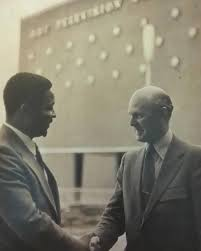
By 1960, just before Nigeria's independence, the Premier of Eastern Nigeria literally headhunted him to join the Eastern Nigerian Broadcasting Service (ENBS). Then in 1963, at just 23 years old, Boniface became the first Nigerian to head the news department of Nigerian Television Service (NTV). The first Nigerian. And, this was just three years after independence, when most leadership positions were still held by colonials.
War Correspondent and Education Revolutionary
When the Nigerian Civil War broke out (1967-1970), Boniface worked as a wartime correspondent for AFP, the French international news agency. He was literally reporting from a war zone, working alongside future bestselling author, Frederick Forsyth. After the war ended, he decided to hit pause on his career and actually get his degrees.
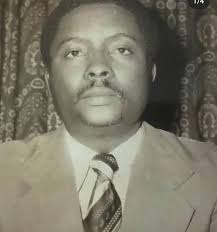
He studied History and Economics at the University of London, then got another degree in History of Ideas from La Sorbonne in Paris.
At age 38, he became the youngest Director-General of the East Central State Broadcasting Service and established "University of the Air," basically Nigeria's first open university. In partnership with the Institute of Management and Technology in Enugu, they delivered lectures through radio and TV, giving people who could not afford traditional university a shot at education.
This was in the late 1970s, decades before online learning became mainstream. If that is not ahead of your time, what is?
He also set up training programs for all broadcasting staff, skilled and unskilled, because he believed in lifting people up. He even turned around the struggling Anambra Broadcasting Corporation in just 18 months when he was appointed Sole Administrator in 1996.
Legacy That Still Resonates
Boniface was not just about broadcasting though. He retired in 1984 at 44 to pursue entrepreneurship, establishing Eculo Farms which at the time was the biggest poultry farm in southeastern Nigeria, complete with its own feed mill and ethanol production plant. He wrote books, published business journals, and even participated in politics.
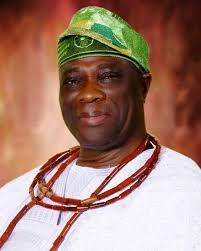
When he passed away on November 10, 2018, at age 78, the tributes poured in. People called him a "real African king" who had touched countless lives through his work in the media and beyond.
Why His Story Matters Now

In an era where we are constantly talking about representation, courage, and using your platform for good, Boniface Okechukwu Offokaja is the blueprint. He showed up on international TV as a teenager and spoke truth to power when it was genuinely dangerous to do so. He broke barriers in Nigerian media, championed education for all.
The fact that his 1957 debate clips are going viral on TikTok even till this day proves something important: real ones recognize real ones, no matter the generation. Boniface did not just make history, he understood that speaking up, even when uncomfortable, is how you change it.
And that is a lesson that never gets old.