We Want Respect But Won't Give It: The Hypocrisy of Food Shaming
A sharp look at the hypocrisy of food shaming as Nigerians mock other cultures’ cuisines online yet demand respect for their own. Why food is identity, not a joke, and why respect must be reciprocal.
Picture this: You are scrolling through X and you see a video of someone, probably another African eating their traditional dish which might not look aesthetic. You are likely to see Nigerians going "Omo, una dey chop sacrifice." Everyone is having a laugh, the jokes are flying, and nobody thinks twice about it.
Fast forward two weeks. A foreign food blogger tries fufu for the first time, makes a face, and says it is "interesting." Suddenly, Nigerian X Space is on fire. "The disrespect!" "They always do this to African food!" "Why can't they respect our culture?"
Wait, do we see what just happened here?
The Pattern We Keep Repeating
Let us be honest with ourselves for a second. We Nigerians have a PhD in food shaming. And I am not just talking about the playful banter between states. I am talking about how we treat other countries' cuisines.
Asian foods? We have called them everything without even knowing what we are looking at. Someone posts a traditional Chinese dish and the comments section turns into a roasting session.
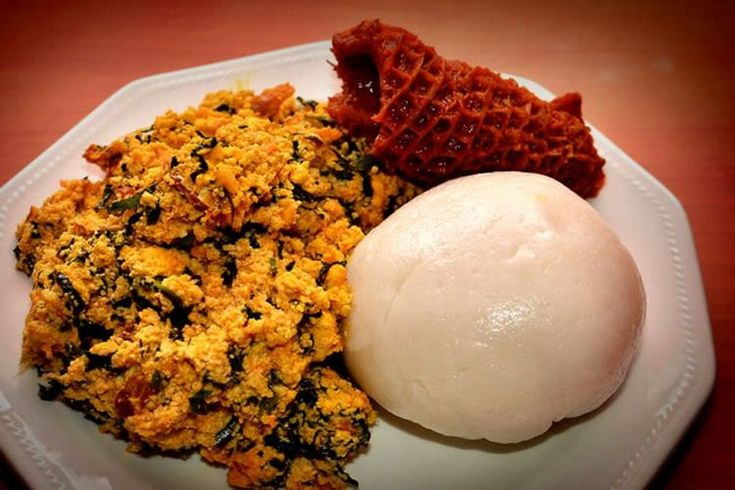
We act like our ewedu and nkwobi are any less "weird" to someone who has never seen them before.
And it is not just Asian cuisine. We have dragged other cultures' food, Ethiopian food for being "too bland," and British food for... well, okay, British food might deserve some of that smoke. But you get the point.
We are quick to mock what we don't understand, what doesn't match our palate, what looks unfamiliar.
Social media has made it worse. TikTok and Twitter have turned food shaming into content. We see something different and our first instinct is not curiosity, it is judgment.
We screenshot, we quote tweet, we add our commentary about how "unserious" other people are for eating their traditional meals.
When the Tables Turn
But the second someone says something slightly off about Nigerian food, we transform into cultural warriors. Someone says jollof rice is "just red rice"? World War III. A food vlogger doesn't finish their plate of egusi? "They're being disrespectful to our culture."
Don't get me wrong, some of that outrage is valid. There is a history of African cuisines being looked down upon, being called "primitive" or "unsophisticated."
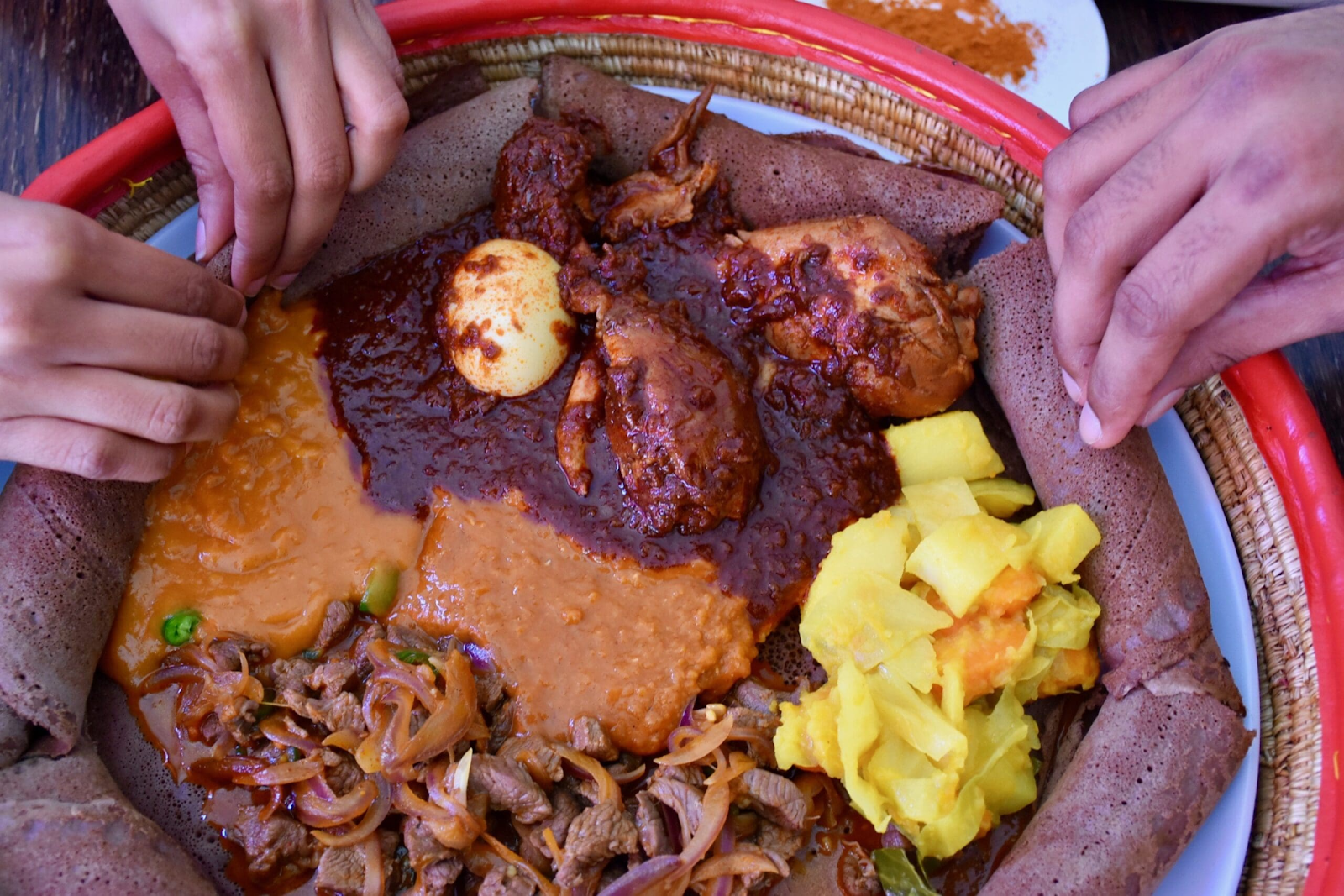
When a renowed chef or some random influencer dismisses our food, it does hit differently because it is tied to deeper issues of how Africa is perceived globally. That pain is real.
But here is the uncomfortable truth: we can't demand respect we are not willing to give.
Why This Actually Matters
Culture
Read Between the Lines of African Society
Your Gateway to Africa's Untold Cultural Narratives.
Food is not just food. We all know this. When your mom makes you her special stew, that is love on a plate.
When you gather with family for Eid or Christmas and everyone is cooking their traditional dishes, those meals carry memories, history, identity. Food is one of the most personal expressions of culture.
So when we mock someone else's cuisine, we are not just laughing at a plate of food. We are dismissing their grandmother's recipes, their childhood memories, their cultural identity. We are doing to them exactly what we hate when it's done to us.
And yeah, I know what you are thinking: "It's just jokes, it's not that deep." But if it is "just jokes" when we do it, why isn't it "just jokes" when they do it to us? Either respect matters or it doesn't. We can't pick and choose based on whose food is being dragged.
The internet has made the world smaller. Gen Z is supposed to be the most globally connected, culturally aware generation. We pride ourselves on calling out discrimination and demanding respect for our culture. But we can't be progressive only when it benefits us.
Time to Do Better

Look, nobody's saying you have to love every food you see. You don't have to pretend balut looks appetizing if it doesn't appeal to you. You don't have to fake enthusiasm. Your taste buds are your own.
But there is a difference between "this isn't for me" and "people who eat this are crazy/nasty/uncivilized." There is a difference between personal preference and cultural disrespect.
Before you tweet that "joke" about someone else's traditional food, ask yourself: would I be mad if someone said this about pounded yam? About moi moi? About our street food?
Respect is reciprocal. It has to be. We can't gate-keep dignity and expect to receive it in return. If we want the world to approach Nigerian cuisine with openness and respect, we need to extend that same energy to everyone else's plate.
The food might look different, but the love behind it? That is universal. And it is about time we started acting like we know that.