Will Nigeria's Interest Rates Fall This Year? Central Bank Actions and Inflation Expectations
Nigeria’s interest rates are at historic highs, but inflation is easing. Here’s what the CBN’s actions, expert forecasts, and February’s MPC meeting signal about possible rate cuts in 2026.
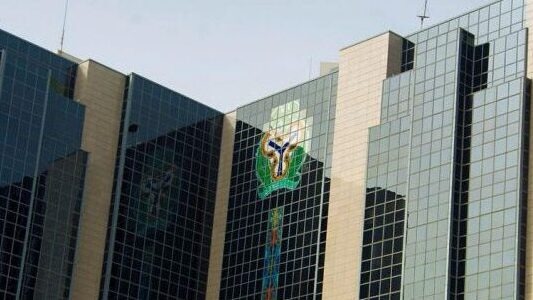
If you have ever wondered why your loan interest is eating you alive or why your savings account feels like it is barely keeping up, the answer sits with the Central Bank of Nigeria (CBN). Right now, Nigeria's benchmark interest rate, the Monetary Policy Rate (MPR), is at 27%.
Now, the big question heading into 2026: will it finally come down? Let's break it down.
How Did We Even Get Here?
To understand where we are going, you need to know where we came from. In early 2024, Nigeria's MPR was 18.75%. Already quite steep. But then President Bola Tinubu rolled out reforms, devaluing the naira and scrapping fuel subsidies and inflation exploded, literally.
The CBN's response was to hike rates aggressively. By mid-2025, the MPR had shot up to 27.5%, the highest in decades. The logic was to make borrowing expensive, reduce spending, and drag inflation back to reality.
It worked. Painfully, but it worked.
On September 23, 2025, the CBN did something it had not done in five years, it cut the rate. The MPR dropped 50 basis points (0.5%) from 27.5% to 27%. Markets celebrated. It was the first real sign the tightening cycle might be ending.
Inflation was finally falling. By August 2025, it had eased to around 20%, still high, but a world away from where it had been. The naira was stabilising too, easing pressure on imported goods. The CBN saw a window and took it.
So Why Did They Pause Again?
At theNovember 2025 MPC meeting, the CBN hit a halt and decided no cut. The MPR stayed at 27%. Governor Olayemi Cardoso made it clear that inflation was still too high to justify another move. The committee wanted proof that the downward trend was sustainable before easing further.
The CBN wasn’t rushing. One premature cut could make inflation skyrocket and undo months of progress.
Now, there is good news. Nigeria's inflation has been on a nine-month losing streak and here, losing is winning.
Headline inflation dropped from over 24% in early 2025 to 15.15% by December 2025. Food inflation, which hits everyday Nigerians hardest, fell to around 10.84% which is a massive relief.
There was some January drama though. The National Bureau of Statistics restructured its CPI calculations, which temporarily made inflation look like it spiked to 31.2%. But that was a one-off data number, not a real shift in the economy. Under the adjusted methodology, inflation stayed firmly on its downward path.
What Are the Experts Saying?
Most analysts expect rate cuts to resume in 2026, but the debate is about how fast.
The optimistic camp believes the MPR could drop 100 to 200 basis points across multiple meetings, bringing rates into the 20–23% range by December. If disinflation holds and the naira stays stable, this is the most likely scenario.
The cautious camp warns that Nigeria's fiscal pressures, which is a budget deficit of N12–24 trillion could keep rates above 25% for most of the year. If oil drops below $55 per barrel or global trade tensions flare, the CBN might hold firm.
The CBN has also laid out a roadmap. Its 2026 Macroeconomic Outlook sets a transitional inflation target of 16.5% this year, narrowing to 13% by 2027, signaling structured easing.
The next big moment is the MPC meeting on February 23 - 24. That is where markets get their first real signal.
What Does This Actually Mean for You?
If rates drop, borrowing gets cheaper. Home loans and business loans start feeling less painful. Entrepreneurs and young hustlers squeezed by expensive rates would finally get some breathing room.
But if you save or invest in treasury bills and bonds, lower rates mean lower returns. The high-yield era fixed-income investors have enjoyed could start coming to an end.

For the broader economy, lower rates are pro-growth. The CBN projects Nigeria's GDP to grow at 4.49% in 2026 which is a healthy number that well-timed rate cuts could help sustain.
The Bottom Line
Will Nigeria's interest rates fall this year? Probably but don't expect a dramatic drop overnight. The CBN is playing a careful game. Inflation is cooperating, the naira is holding steady, and the policy framework is shifting toward something more transparent and structured.
But fiscal risks, global uncertainty, and the CBN's own cautious DNA mean this will be a gradual easing not a freefall.
Watch the February MPC meeting. That is your first real clue. And as always stay informed, because in Nigeria's economy, the numbers change fast.