The Dark Side of AI: Human Misuse and Its Consequences
Artificial Intelligence shapes daily life, improving convenience and efficiency. However, misuse can cause misinformation, privacy risks, and inequality, making responsible use essential.
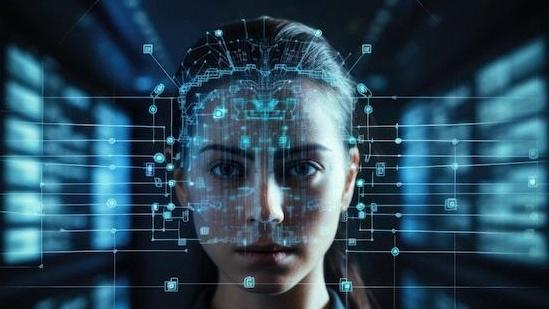
Artificial Intelligence (AI) has rapidly evolved from a futuristic concept to a core part of daily life, shaping the way people communicate, work, learn, and make decisions.
It powers smartphones, virtual assistants, recommendation algorithms on social media, online shopping suggestions, healthcare diagnostics, financial transactions, and even traffic management systems.
AI’s ability to analyze vast amounts of data, predict outcomes, and automate complex tasks has made it indispensable, offering unprecedented convenience, speed, and efficiency.
However, the same capabilities that make AI valuable also create significant risks when misused. Unlike traditional tools, AI has the power to influence human behavior, amplify biases, and even manipulate society at scale.
For instance, algorithms can unintentionally favor certain groups over others, and when humans exploit these systems intentionally, the consequences can be severe.
Misuse of AI can manifest in ethical violations, such as invading privacy or spreading misinformation; social consequences, like reinforcing stereotypes or creating societal distrust; and economic effects, including job displacement or unfair market practices.
The danger lies not in the AI itself but in how humans deploy and manage it. Without careful oversight, ethical guidelines, and accountability, AI can be turned into a weapon of manipulation, discrimination, or exploitation.
As society grows increasingly reliant on AI for everyday decisions—from the news we read to the financial and healthcare advice we receive—understanding the potential risks is not optional; it is essential.
Awareness, regulation, and responsible development are critical to ensuring that AI serves humanity rather than harming it.
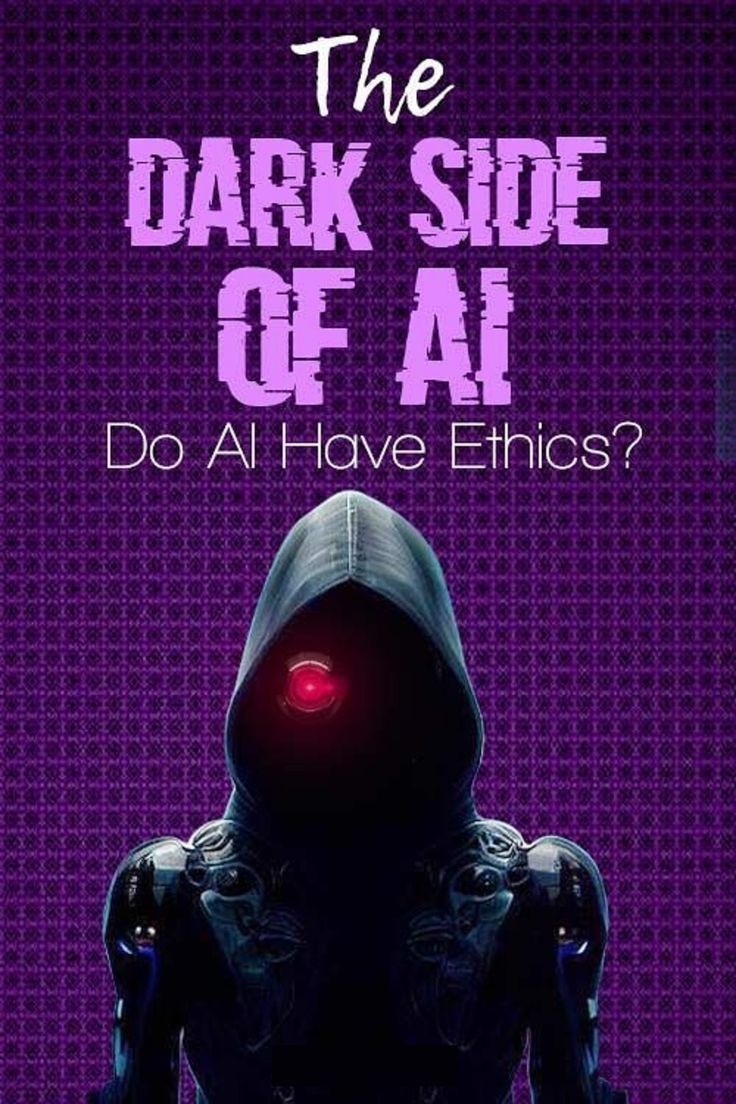
AI and Misinformation
One of the most visible consequences of AI misuse is the spread of misinformation and deepfakes.
Advanced algorithms can generate realistic images, videos, and text that appear authentic but are entirely fabricated.
Deepfake technology, for example, has been used to create fake political speeches, celebrity videos, and fraudulent media content.
When AI is deployed to deceive or manipulate public opinion, it threatens democracy, fuels social division, and undermines trust in legitimate news sources.
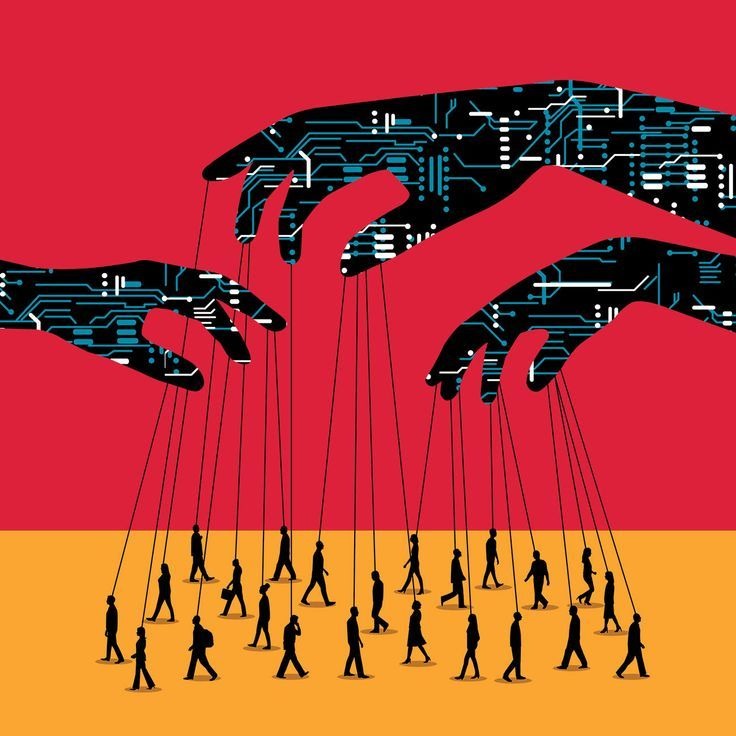
Privacy Invasion and Surveillance
AI-driven surveillance tools, including facial recognition, biometric tracking, and predictive analytics, have transformed how governments and corporations monitor individuals.
While these technologies can improve security, human misuse—such as unauthorized data collection, stalking, or discriminatory profiling—can violate privacy rights and civil liberties.
In some cases, marginalized communities are disproportionately affected, raising questions about fairness and ethics in AI deployment.

AI systems learn from the data humans provide. If the data is biased or unrepresentative, the AI can perpetuate or even amplify discrimination.
Examples include hiring algorithms favoring certain demographics, credit scoring tools denying loans unfairly, or policing AI disproportionately targeting minority groups.
Human misuse occurs when organizations either ignore these biases or intentionally exploit AI for discriminatory practices, causing real-world harm.
Economic and Employment Risks
Automation powered by AI has revolutionized industries but also poses risks when misused. Companies may replace human workers purely to cut costs, ignoring social responsibilities, or use AI to enforce exploitative labor practices.
While AI can increase productivity, misuse in workforce management can lead to unemployment, inequality, and social unrest if workers are displaced without adequate support or retraining.
But it is also increasingly used in cyberattacks and criminal activities. Hackers deploy AI to identify system vulnerabilities, generate convincing phishing messages, or automate identity theft.
Autonomous AI in warfare or military systems also raises ethical concerns when humans misuse AI in life-and-death decisions, potentially causing catastrophic consequences.
The key challenge in AI misuse is accountability. When AI makes harmful decisions, determining whether responsibility lies with the developer, the user, or the organization can be complicated.
The misuse of AI often stems from neglecting ethical considerations, prioritizing profit, or failing to implement safeguards which lead to no ethical frameworks or the consequences of AI misuse will continue to escalate.
Conclusion
Artificial Intelligence is a powerful tool that has the potential to improve lives, economies, and societies.
Yet, when misused, it can amplify misinformation, invade privacy, perpetuate discrimination, disrupt economies, and create security threats.
Addressing the dark side of AI requires responsible development, ethical oversight, transparent policies, and public awareness. Ultimately, the consequences of AI misuse are not caused by the technology itself, but by how humans choose to deploy it.
The question remains: as AI continues to evolve, will society prioritize ethical use and accountability, or will the technology become another instrument of harm?