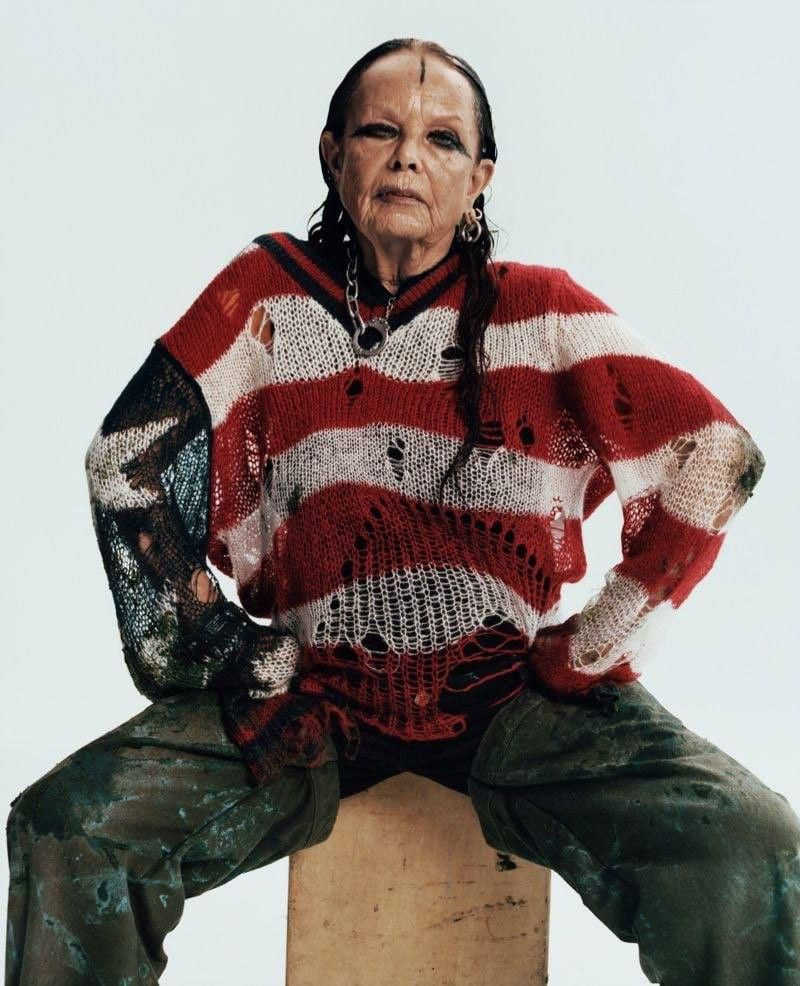
“My Style Is Not Alte”: When Fashion Labels Become Guesswork
Explore the fashion labeling debate in Nigeria as netizens mislabel unconventional styles “alte.” From archivecore to experimental vintage, understand the confusion, the culture, and why getting fashion labels right matters.
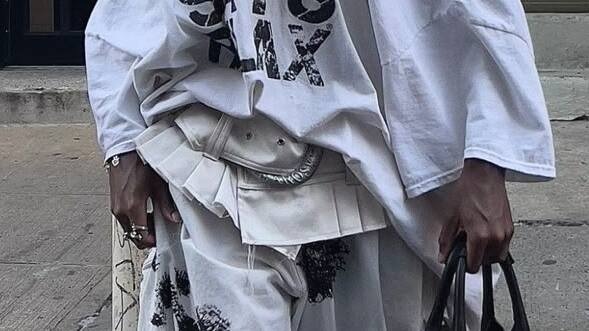
If a fashion style looks odd, the first label Nigerian netizens reach for is "alte." And honestly, they can't be blamed. Many Nigerians are not familiar with fashion styles' labeling system. It is either one way or no way and when the alte style came into the spotlight, everything resembling it got labeled "alte," just like how all seasoning cubes are called Maggi.
Recently, a TikToker came into the spotlight with an unconventional fashion sense most people had not encountered before. Her comment section quickly divided into two camps: those slapping the usual "alte" label on it, and those who questioned whether such fashion choices could come from a sane person.
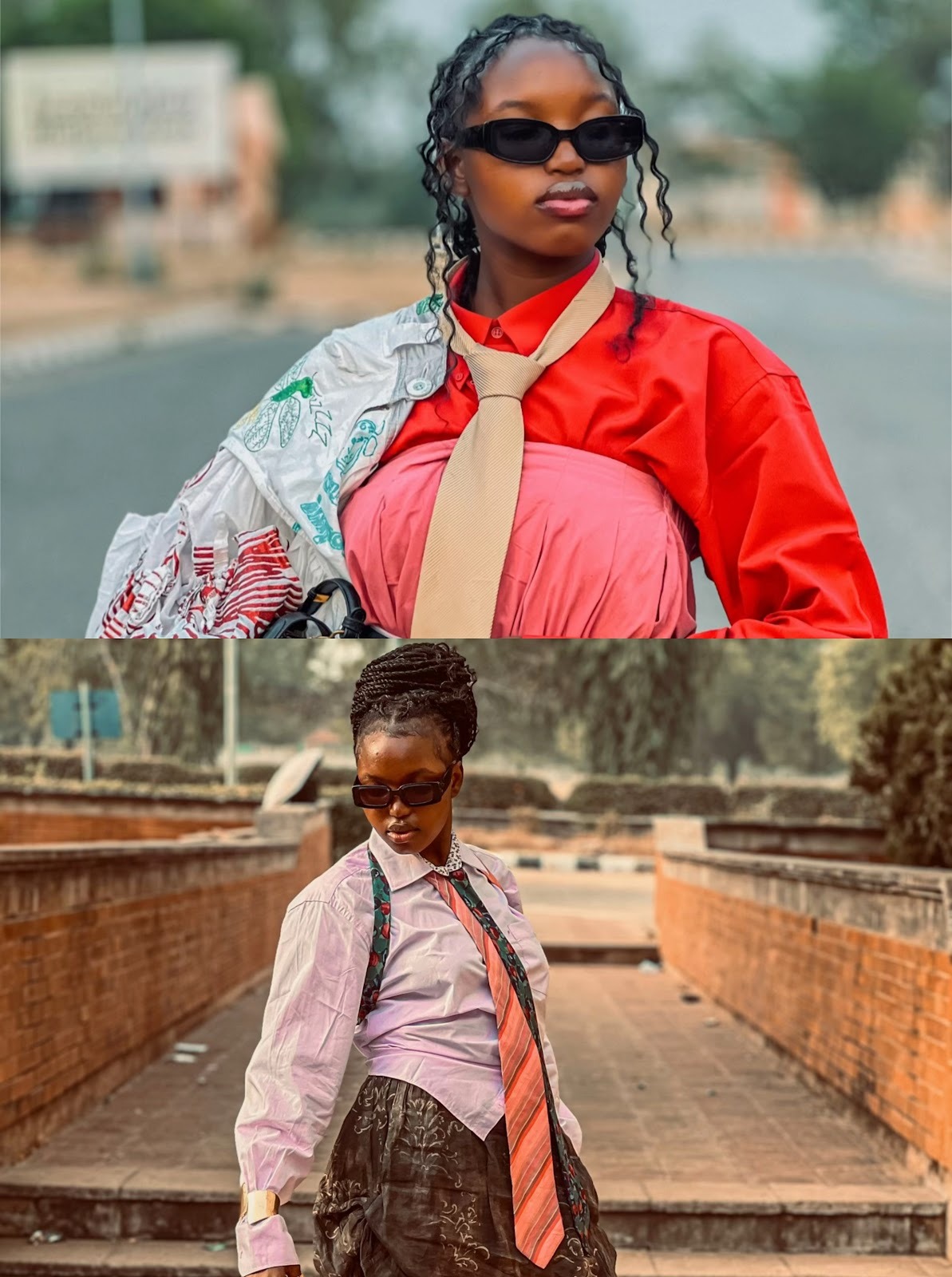
The TikToker pushed back, insisting her style is "archivecore." Now her comment section is torn three ways: people disagreeing with the archivecore label, those still insisting it is alte, and others who remain convinced this is not the style of a normal person.
But here is the plot twist: she is wrong too. Her style is not archivecore and by mislabeling it, she is contributing to the very confusion she is trying to clear up.
What Is Archive Core?
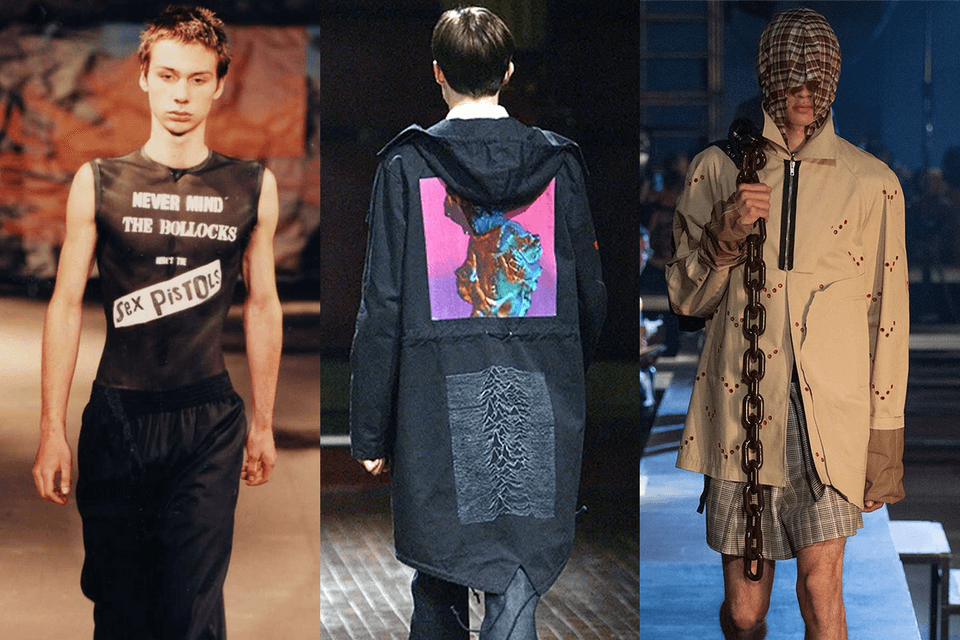
Let’s break it down. Just like its name suggests, archive core is the collecting and wearing of old and significantly historical designer pieces from the late 1990s and the early 2000s. The idea behind this archival fashion is preservation of history and cultural significance.
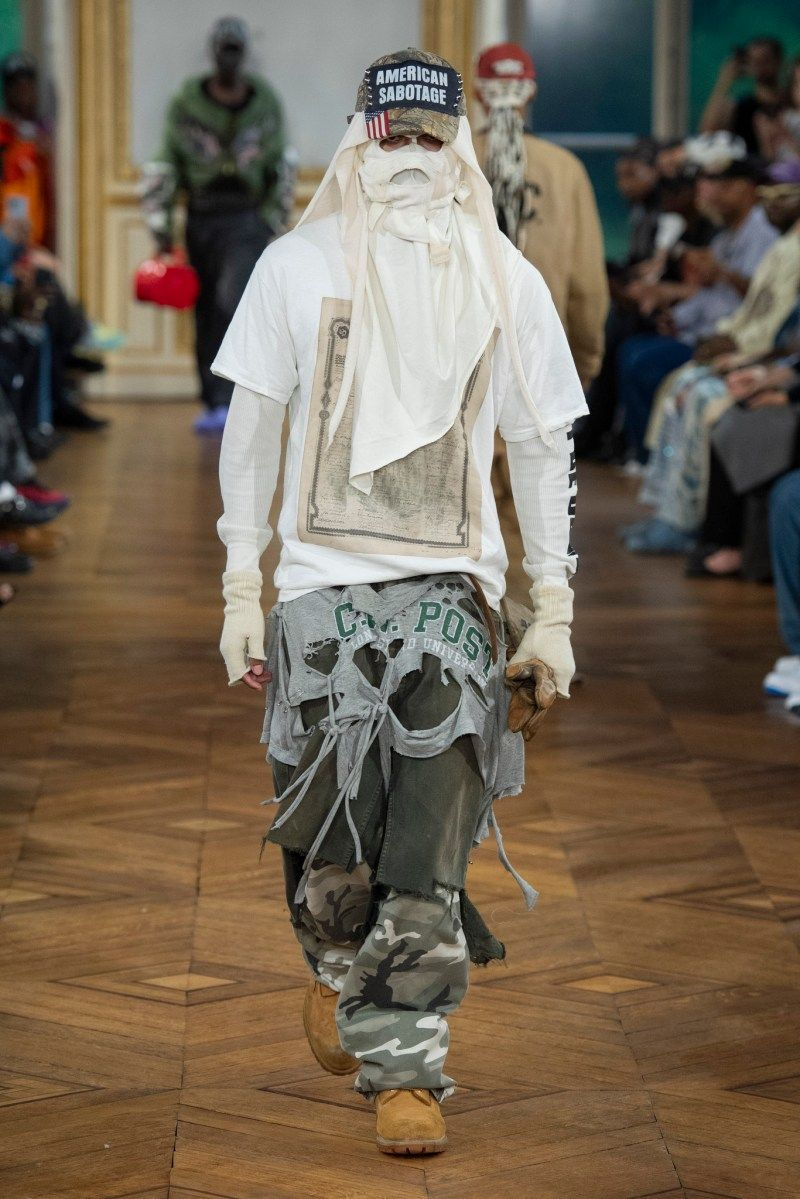
Let’s call it a walking fashion museum. Think of high-end pieces from designers like Raf Simons, Helmut Lang, Martin Margiela, or early Rick Owens. These clothes are treated as art, often costing thousands of dollars.
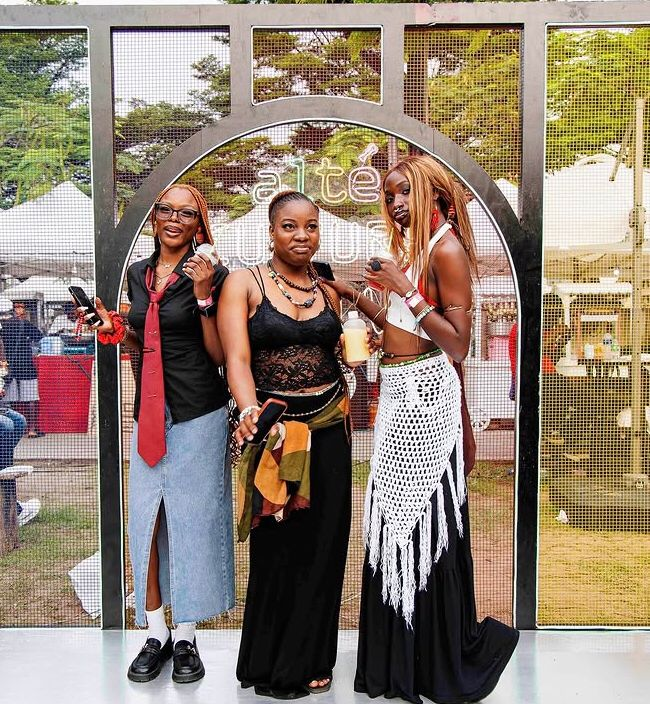
Alte on the other hand has a mix of vintage, streetwear and modern trends. It does not have rigid rules and it is mostly based on personal expression. It also involves thrifting, repurposing and making sustainable choices. Alte is accessible, DIY-spirited, and rooted in alternative Black subculture.
Confusion or Clout?
Now, does layering a whole bunch of thrifted outfits styled in an unconventional way equate to archive core? We already know the answer. But here is the important question: is this an issue of unintentional mislabelling, blatant ignorance or just another clout chasing? Let’s break it down.
The Netizens
The commenters calling everything "alte" are operating from a limited fashion vocabulary. When alte became Nigeria's go-to term for alternative fashion, it created a mental shortcut. Anything edgy, dark, or unconventional automatically became "alte" which is a lazy but understandable categorization in a country where fashion education is not widespread.
They see thrifted vintage pieces styled unconventionally and think "alte" because that is the only reference point they have. It is not malicious, it is just uninformed.
The TikToker
But what about the TikToker herself? This is where things get interesting. She clearly knows enough to reject the "alte" label, which shows some level of fashion awareness. She went out of her way to research and claim "archivecore" as her identity. So why is she wrong?
Because archivecore is not just about wearing old clothes in creative ways. It is about the value, rarity, and historical significance of specific designer pieces. It is an investment culture.
Her thrifted, mix-and-match approach while creative and unconventional lacks the core element of archivecore: intentional curation of expensive, museum-worthy designer garments.

What she is actually doing is closer to experimental vintage styling or avant-garde thrifting which are valid fashion expressions, just not archivecore.
So is this confusion or clout? Perhaps a bit of both. She may have genuinely misunderstood what archivecore means, or she may have stuck with a trendy label that sounds more sophisticated than "I just thrift weird stuff."

Either way, the result is the same: more confusion in an already confused comment section.
Why This Matters
You might be thinking, "Does it really matter what we call it?" And the answer is yes. Fashion labels exist for a reason. They help us communicate, understand cultural movements, and respect the origins of different styles.
When we mislabel everything, we erase the distinctions that make these styles meaningful. Archivecore has its own community, values, and history. So does alte.
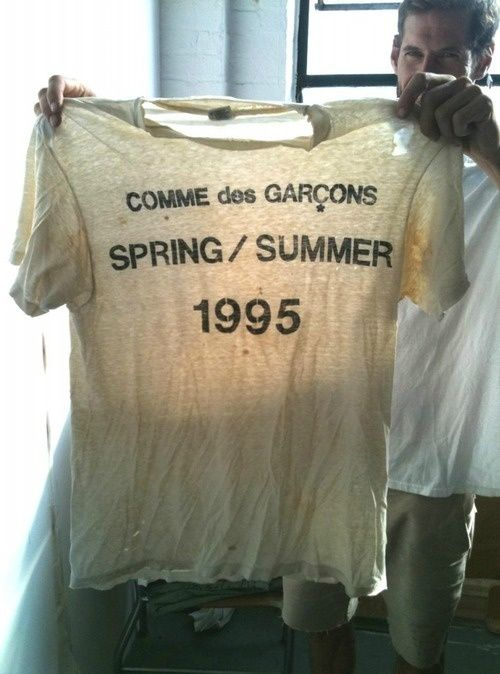
By conflating them or by inventing labels that don't fit, we create a fashion Tower of Babel where nobody understands what anyone else is saying.
The Real Lesson
This entire saga reveals a bigger problem: Nigeria's fashion literacy gap. We are quick to label, slow to learn, and resistant to complexity. We need to do better, not just the commenters, but the influencers too.
Before you claim a label, understand what it means. Before you dismiss someone's style as insane, consider that fashion is subjective. And before you call everything "alte," remember that Maggi is just one brand of seasoning cube.
Fashion is diverse, complex, and constantly evolving. The least we can do is get the labels right or admit when we don't know what to call something at all.