Africans Who’ve Made Grammy History
Only a handful of Africans have ever crossed the Grammy line. Here are some Africans who made history at the world’s most prestigious music awards.

The Grammy Awards were established in 1958 by The Recording Academy to honor musical achievements, with the inaugural ceremony held on May 4, 1959. Originally known as the Gramophone Awards, they were created to recognize outstanding recordings from the year 1958.
For musicians, the Grammy Awards are more than just trophies, they’re a stage where global influence and artistic excellence meet.
For African artists, this recognition has often meant breaking barriers, redefining genres, and proving that African sounds are not just local, but universal.
Over decades, African music has seeped into the global consciousness, from the jazz-infused rhythms of Miriam Makeba to the Afrobeats revolution led by Wizkid and Burna Boy.
These artists didn’t just win awards, they changed how the world listens to Africa. Here’s a closer look at some Africans who have left their mark on Grammy history.
1. Miriam Makeba – South Africa
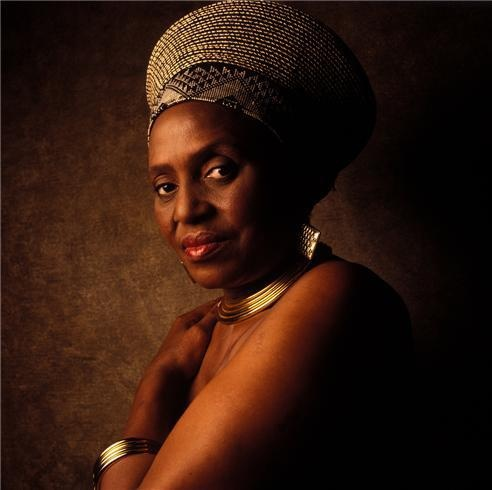
Known affectionately as Mama Africa, Miriam Makeba was the first African artist to win a Grammy. In 1966, she took home Best Folk Recording for An Evening with Belafonte/Makeba, alongside Harry Belafonte.
Her music wasn’t just entertainment, it was activism. Makeba’s Grammy win proved that African voices could resonate on the world stage, paving the way for generations of artists to come.
2. Babatunde Olatunji – Nigeria
Babatunde Olatunji was one of the earliest Africans to translate traditional African percussion into global recognition.
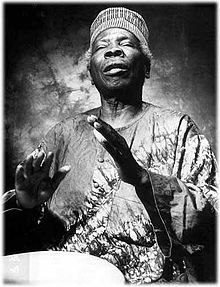
In 1991, he won a Grammy for Best World Music Album as part of Planet Drum, the collaborative project led by Mickey Hart.
The album brought African drumming into mainstream global consciousness, positioning rhythm as the central narrative rather than an accompanying element.
Olatunji’s win marked a pivotal moment when African percussion was formally acknowledged as high art on the world’s most prestigious music stage.
3. Wizkid – Nigeria
Wizkid’s Grammy journey reflects the rise of Afrobeats on the international stage.
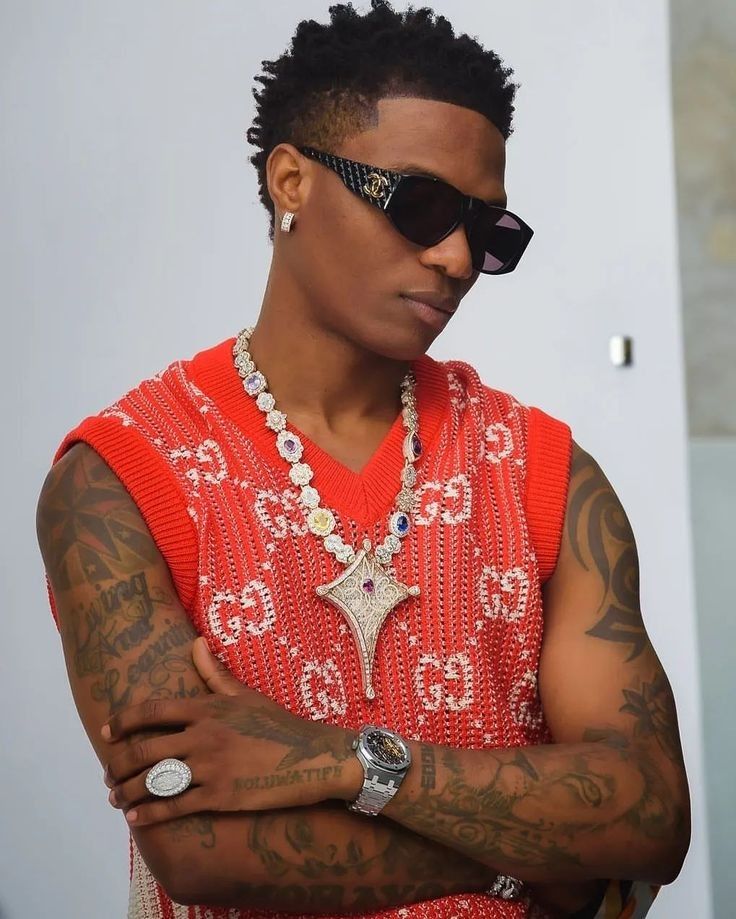
He won Best Music Video in 2021 for Beyoncé’s Brown Skin Girl, a collaboration that earned multiple nominations including Record of the Year.
In the recently concluded show, he was nominated for Best African Music Performance for his hit with Ayra Starr, Gimme Dat.
His recognition at the Grammys cemented Afrobeats as a global force rather than a fleeting trend.
4. Tyla – South Africa

Tyla’s story is proof that the music world is evolving rapidly. At the 2024 Grammys, she won Best African Music Performance for Water, marking her first nomination and win.
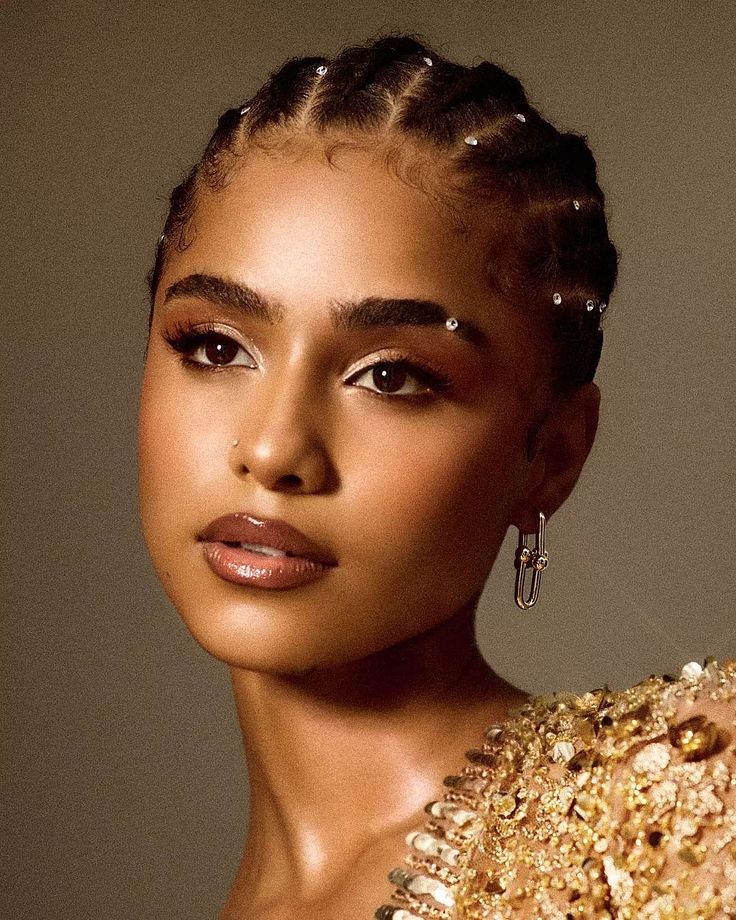
In the recently concluded show, she had claimed the same category again with Push To Start, becoming one of the youngest African Grammy winners. Her rise signals a new era where young African voices are shaping global soundscapes.
5. Tems – Nigeria
Tems has become one of the most celebrated Nigerian artists at the Grammys.

In 2023, she won Best Melodic Rap Performance for Wait For U with Future and Drake and Best African Music Performance for Love Me Jeje.
6. Burna Boy — Nigeria
Burna Boy’s Grammy journey exemplifies persistence and global recognition. His album Twice As Tall won Best Global Music Album in 2021 after he had already secured three consecutive nominations in the same category.
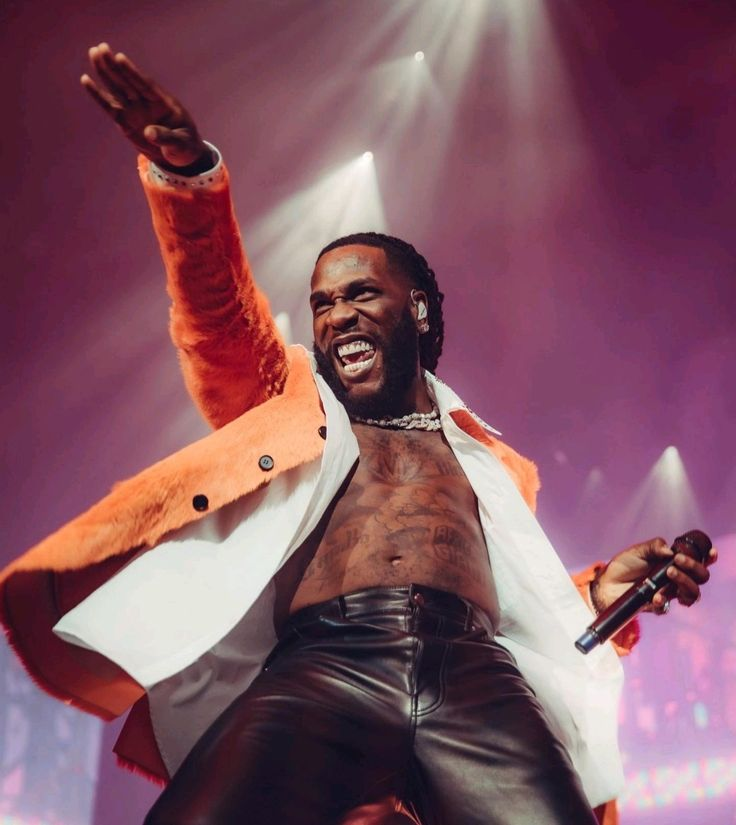
Burna Boy’s consistent presence at the Grammys shows that African music can dominate international charts while staying true to its roots.
7. Angélique Kidjo – Benin
Few African artists can match the consistency and impact of Angélique Kidjo. With five Grammy wins and over 15 nominations across multiple decades, she’s a true icon.
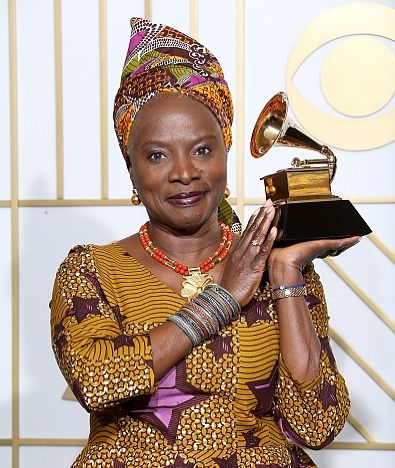
Her wins span Best Global Music Album and Best World Music Album, highlighting her versatility and the Grammy Academy’s enduring recognition of her artistry.
8. Soweto Gospel Choir – South Africa
The Soweto Gospel Choir has taken the spiritual and musical richness of South Africa to the world stage.
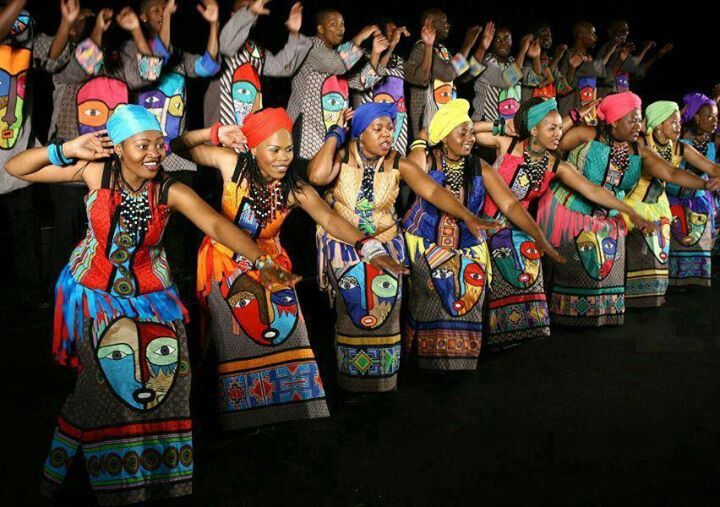
With three Grammy wins in Best Traditional World Music Album and Best World Music Album categories, the choir’s performances showcase how African harmony, faith, and culture resonate globally.
9. Black Coffee – South Africa
Black Coffee’s Grammy win for Best Dance/Electronic Album in 2022 for Subconsciously marked a turning point for African electronic music.
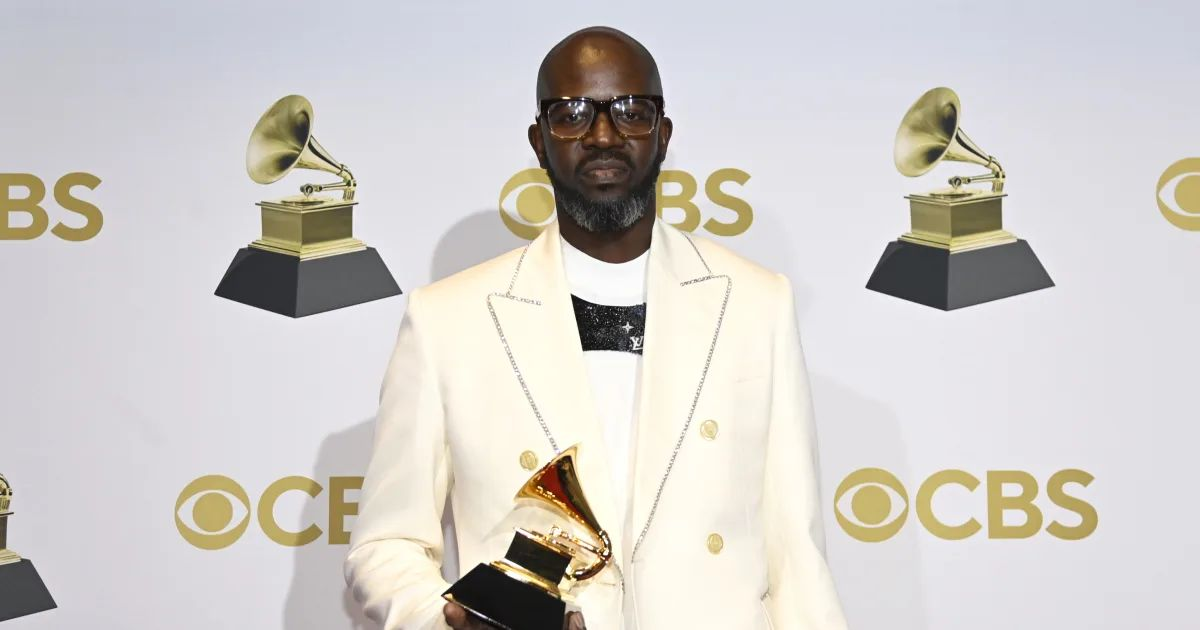
He became the first African to win in this category, highlighting the continent’s growing influence in genres beyond traditional and Afrocentric sounds.
10. Fela Kuti – Nigeria
Fela Kuti, the godfather of Afrobeat, never won a competitive Grammy in his lifetime, but his influence was immortal. In the just concluded Grammy awards, he received a posthumous Grammy Lifetime Achievement Award, a testament to the enduring power of his music and political voice.
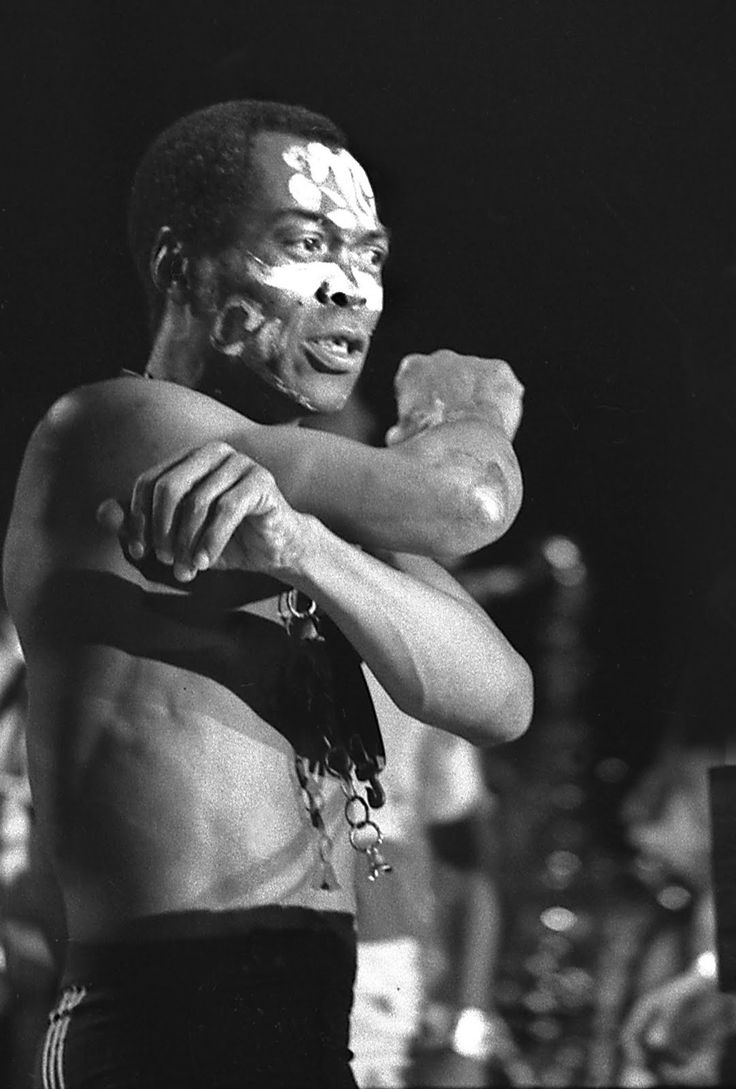
His recognition proves that innovation and cultural impact can outlast the limits of a single award.
11. Sikiru Adepoju – Nigeria
Sikiru Adepoju continued the legacy of African percussion on the Grammy stage decades later. He was part of the same Planet Drum collective that won the 1991 Grammy, and later secured another win in 2009 for Best Contemporary World Music Album through the Global Drum Project.
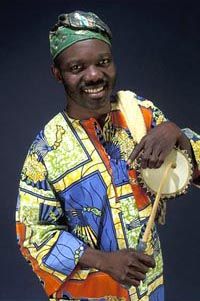
Adepoju’s recognition reinforced the enduring relevance of African drumming across generations, demonstrating how traditional rhythms can evolve through collaboration while retaining their cultural authority.
12. Sadu Adu
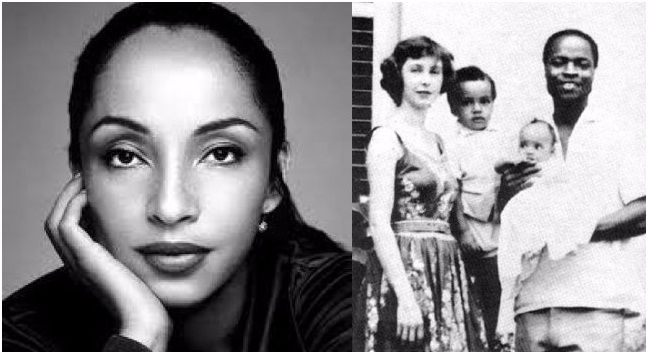
Helen Folasade Adu, known as Sade Adu, is the first-ever Nigerian to win a Grammy award and leads with the highest number of awards.
The British-Nigerian singer and songwriter has won four Grammy awards, winning her first in 1986 for the Best New Artist category.
13. Seal — Nigeria
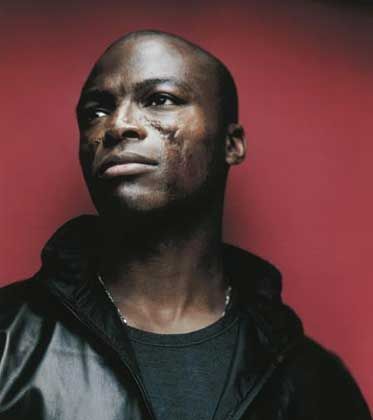
Nigerian-British artistHenry Olusegun Adeola Samuel, popularly known as Seal, won four Grammys, including Record of the Year in 1996 for ‘Kiss from a Rose’.
14. Ali Farka Touré — Mali
Ali Farka Touré’s legacy is anchored by a trio of Grammy wins that solidified his status as the "King of Desert Blues." His first gold gramophone arrived in 1994 for Talking Timbuktu, a landmark cross-cultural dialogue with Ry Cooder that earned Best World Music Album.
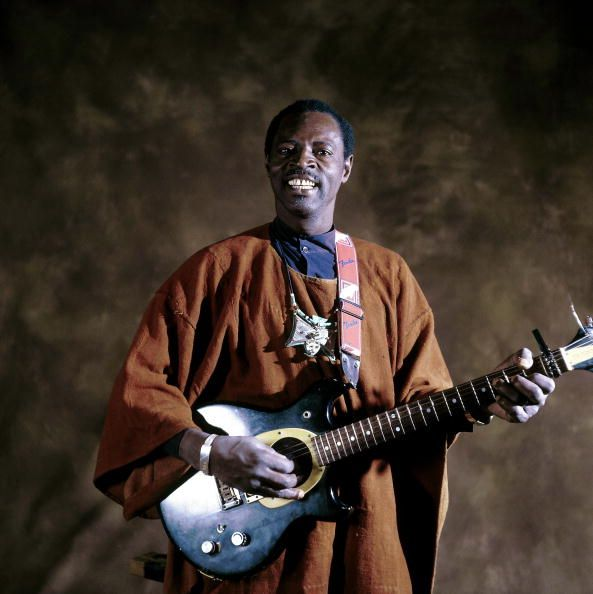
Over a decade later, in 2005, he captured the Best Traditional World Music Album award for In the Heart of the Moon, a mesmerizing duet project with kora master Toumani Diabaté.
His final recognition came posthumously in 2010 when he and Diabaté won again in the same category for their swan song, Ali and Toumani, a fitting tribute to his enduring influence on global music.
15. Cesária Évora — Cape Verde
Cesária Évora,, popularly known as the "Barefoot Diva," was a world-renowned singer from Cape Verde who became the global face of morna, a soulful and melancholic musical genre from her islands.
Often compared to blues for its themes of longing and nostalgia, her music resonated internationally, leading to six Grammy nominations throughout her career.
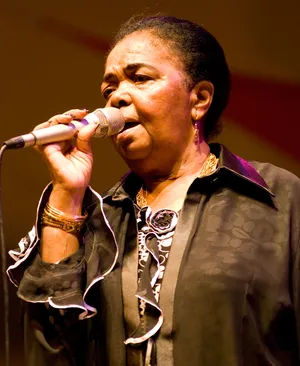
In 2003, she achieved a major milestone by winning the Grammy Award for Best Contemporary World Music Album for her ninth studio album, Voz d'Amor. Her success is often credited with putting Cape Verdean culture on the global map, and she remained a beloved cultural icon until her passing in 2011.
16. RedOne — Morroco
Nadir Khaya, popularly known as RedOne is one of the most successful African-born figures in modern pop history, fundamentally shaping the sound of the late 2000s and early 2010s.
After moving from Morocco to Sweden and eventually the U.S., he skyrocketed to fame through his partnership with Lady Gaga, producing her breakout global anthems.
He has won three Grammy Awards out of ten nominations:
2010: Best Dance Recording for "Poker Face" (Lady Gaga).
2011: Best Pop Vocal Album for The Fame Monster (Lady Gaga).
2011: Best Dance Recording for "Bad Romance" (Lady Gaga).
17. Tinariwen— Mali
Tinariwen is a legendary group of Tuareg musicians from northern Mali. Formed in refugee camps by rebel fighters who traded guns for guitars, they pioneered a hypnotic style called desert blues.
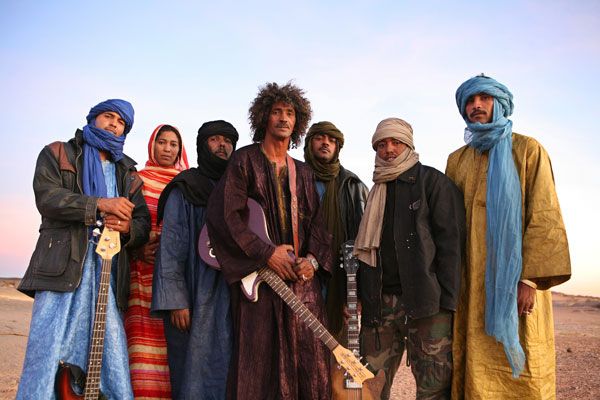
They won the 2012 Grammy for Best World Music Album with their record Tassili.
18. Youssou N'Dour — Senegal
Youssou N'Dour is a legendary singer, songwriter, and former Minister of Culture from Senegal. He is widely celebrated for developing mbalax, a high-energy blend of traditional Senegalese sabar drumming and global pop, rock, and jazz.
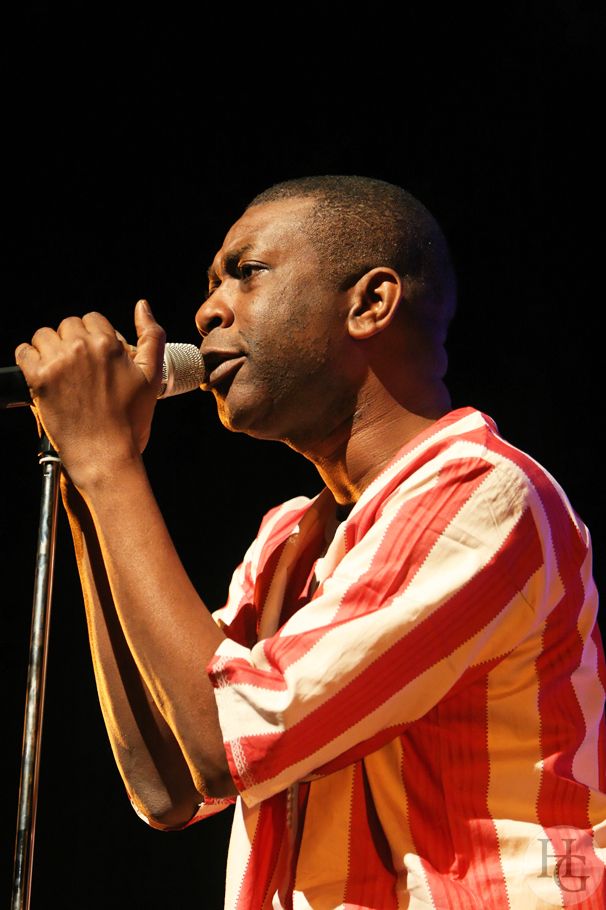
In 2005, he won the Grammy for Best Contemporary World Music Album for his masterpiece, Egypt
Conclusion
African artists at the Grammys are no longer exceptions; they are trendsetters, innovators, and cultural ambassadors.
From the pioneering sounds of Miriam Makeba to the genre-blending hits of Tems and Wizkid, the continent’s musical impact continues to grow.
Each win tells a story: that African music is not just heard, but felt, celebrated, and honoured worldwide.