Nigeria’s Defence Deal With Turkey Is Building a Shared Security System
Nigeria and Turkey just signed a major defence deal, but beyond headlines about training soldiers, a deeper shift is underway in how Nigeria’s security system is being built.
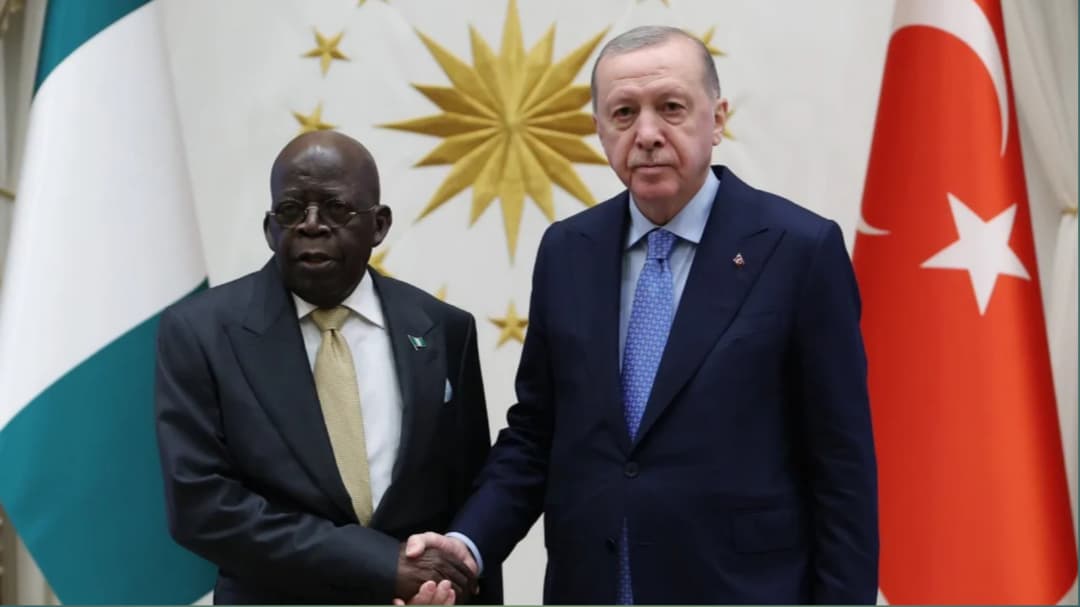
Nigeria just signed a defence deal with Turkey. Most headlines stopped at "soldier training", but if you actually read what was agreed, something bigger is happening here.
This isn't Turkey dropping off equipment and leaving, they're helping build the system itself, inside Nigeria, on Nigerian soil, potentially permanently.
What actually is in the deal?
Yes,200 Nigerian special forces are heading to Turkey for training.
But the bigger part is, Turkey and Nigeria have agreed tobuild a dedicated military training facility inside Nigeria.
They've already identified a coastal location for a permanent site.
Nigerian engineers and technicians are being trained as part of every major procurement, not just to use the equipment, but to understand how it works.
The deal also covers counter-drone systems, explosive threat response, naval cooperation, aviation maintenance, border security, and intelligence sharing.
This is a renovation.
The shift nobody is really discussing
There's a pattern worth noticing.
Before, Nigeria would send soldiers abroad, they'd get trained, come back, done. Knowledge transfer, nothing more.
What's happening now is different. Training infrastructure is being built, inside Nigeria itself. Technology isn't just being bought, it's being woven into how operations actually run day-to-day. The facilities being planned aren't temporary, they're permanent.
When systems are built together, they tend to get operated together too and it's just how infrastructure works.
So is this actually a problem?
Not necessarily.
Nigeria is dealing with real, ongoing threats such as Boko Haram, ISWAP, and increasingly sophisticated attacks that have stretched on for nearly two decades.

Turkey brings 40+ years of counter-terrorism experience to the table. The logic of this partnership makes complete sense.
But here's the question worth sitting with.
There's a difference between a country buying support and a country outsourcing part of how its security system is designed. One keeps you in the driver's seat, while the other slowly, quietly starts shaping which roads you drive on.
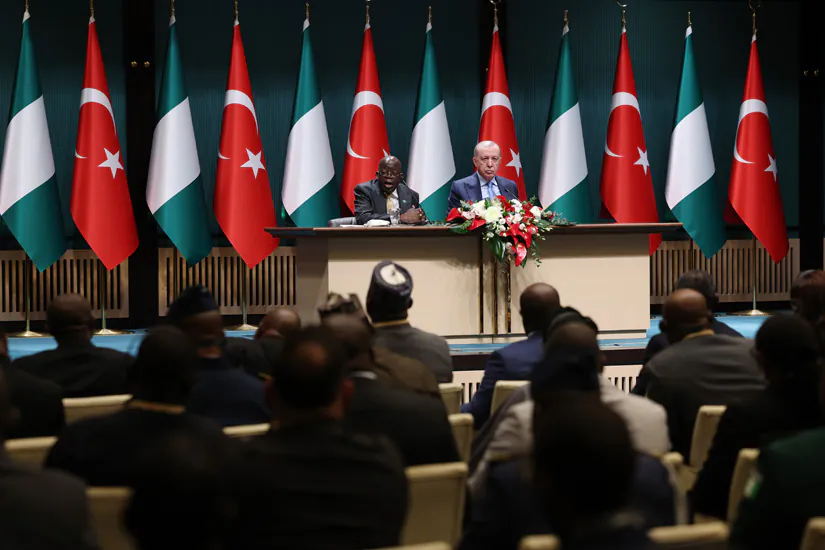
Nigeria isn't losing control here.
But the more a security system is built through shared design with an external partner, the more that partner becomes part of how the system thinks, not just what it uses.
This deal was sealed at the Antalya Diplomacy Forum in April 2026, building on nine bilateral agreements signed when President Tinubu visited Ankara in January.
The momentum is real and it's moving fast.
Most coverage is asking: what does Nigeria gain from this?
The better question is: who is increasingly shaping how Nigeria's security gets built and what does that look like ten years from now?
It's not a reason to oppose the deal, Nigeria needs these partnerships and the capabilities they bring.
It's just a reason to watch it closely because what starts as cooperation has a way of quietly becoming dependency, and the line between the two isn't always obvious until you've already crossed it.