Forget Oil and Gold. Africa’s Biggest Missed Opportunity May Be $469 Billion in Lost Revenue
Africa’s next big resource may not be oil, gold or lithium, but revenue escaping through weak institutions, illicit flows, and citizens who've lost faith in the system.
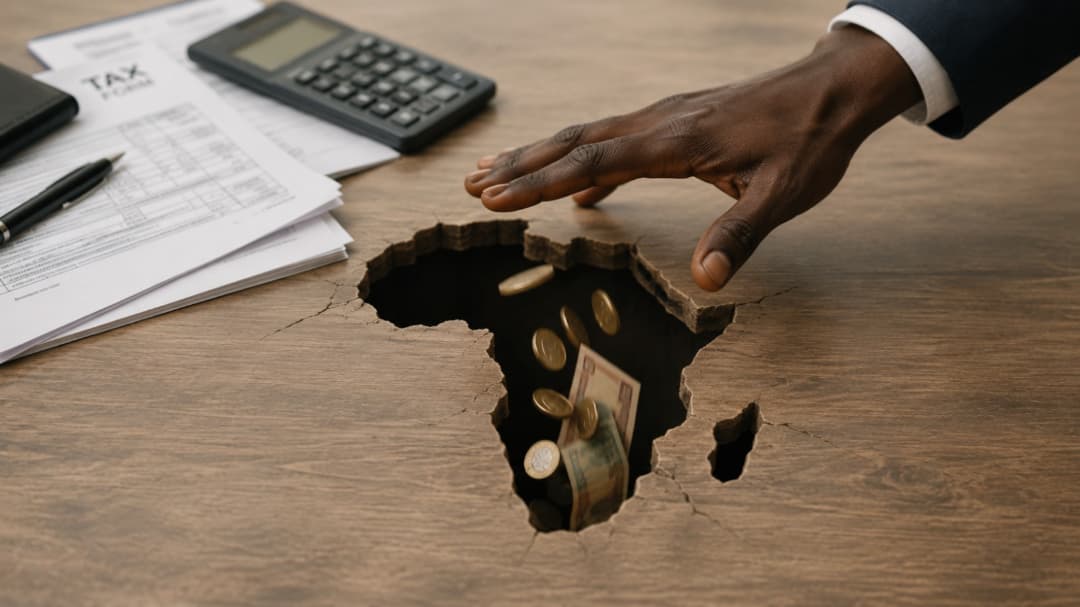
Africa is often told to look underground for wealth – oil, gold, gas, lithium, cobalt, the continent is rich because of what lies beneath its soil.
But what if one of Africa’s biggest missed resources is not underground at all?
According to the African Development Bank, African countries could unlock about $469 billion in additional revenue every year without raising tax rates. That figure is larger than the continent’s estimated annual development financing gap of about $400 billion.
That should make anyone pause.
At a time when many governments are borrowing heavily, paying more to service debt and receiving less aid, the idea that so much money may already be within reach is too important to ignore.
But this is not simply a tax story. It is about the money governments fail to collect, the systems that allow it to escape, and the trust citizens need before they are willing to pay more seriously into the public purse.
The Money Is Already There
The AfDB is not saying African governments should simply raise taxes. That would be the easy headline, but it is not the real point.
The point is that many governments are not collecting properly from what is already owed.
Some taxpayers are outside the net, some businesses underreport, some sectors are poorly tracked, some exemptions are badly managed. In many places, tax offices still depend on fragmented records, manual processes and too much room for discretion.
A government cannot collect what it cannot see. If company records, customs data, bank payments and tax filings do not connect, revenue will keep escaping.
This is where better tax administration matters. Digitised records, wider compliance, stronger institutions and smarter policy design may sound boring, but they are exactly the kind of reforms that can decide whether a country keeps borrowing or starts funding more of its own development.
The opportunity is not to squeeze ordinary people harder. It is to collect more fairly and consistently from the economy that already exists.
Why Tax Feels Like Paying Twice
Still, tax is never just a technical issue, it is emotional.
You may never think about “domestic revenue mobilisation,” but you know what its failure looks like: a bad road, a hospital without equipment, a school without enough support, or a government borrowing for things better revenue systems should have helped fund.
Across many African countries, citizens already pay privately for services the government is expected to provide.
You get to buy a generator because electricity is unreliable, or drill a borehole because public water does not flow.
Parents will pay for private schools, families use private hospitals and communities contribute money to fix roads, hire security or maintain basic services.

So when the government talks about collecting more, many people quietly ask: more for what?
That question matters.
It does not excuse tax evasion but it explains why compliance is also about trust. People are more willing to pay into a system when they can see what the system gives back.
In many places, citizens feel they are paying twice: once to the state, and again to survive the failure of the state.
The Leak Is Bigger Than Tax
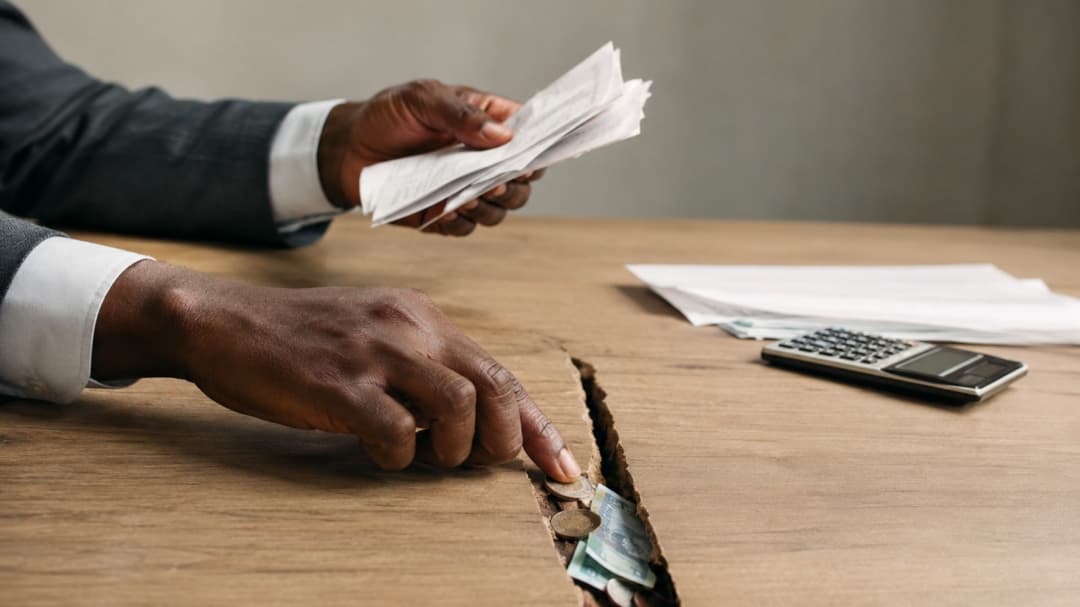
Africa’s missing revenue is not only a tax-office problem, it is a governance problem.
Money escapes through weak records, informal activity, poor enforcement, corruption, wasteful spending, badly designed exemptions, illicit financial flows and public agencies that do not share information.
Even when revenue is collected, another question follows: how well is it spent?
A government cannot keep asking for trust while public money disappears into inflated contracts, abandoned projects and services that do not improve. That is why efficiency matters as much as collection.
Better revenue systems should not mean chasing only the easiest targets: salary earners, small businesses and visible traders. If powerful companies, politically connected individuals or wealthy evaders continue to escape, reform will feel unfair.
A stronger system should make compliance easier for honest taxpayers and avoidance harder for everyone else.
Less harassment, fewer loopholes and clearer rules.
Better Systems Need Better Trust
Digitisation can help. Online filing, digital identification, integrated taxpayer databases and automated payment systems can reduce leakages and limit manipulation.
But technology is not magic.
If digital tax systems are used mainly to squeeze people who are already visible, while bigger players remain protected or invisible, resentment will continue. Citizens will not only ask how much the government collects, they will ask who is being made to pay, who is escaping, and where the money goes.
That is why Africa’s revenue conversation has to be bigger than software.
Governments need to show that better collection leads to better roads, better schools, better hospitals, more reliable power, stronger infrastructure and less dependence on expensive borrowing. They also need to make public spending easier to follow, so citizens can connect revenue with results.
The AfDB’s $469 billion estimate is powerful because it reframes the problem.
Africa doesn't have a money problem. It has a systems problem and fixing that starts with governments earning the trust they keep asking citizens to fund.