Can Nigerian Universities Become Self-Sustaining Without Pricing Students Out?
As Nigerian universities are pushed to rely more on internal revenue, the big question is whether they can become self-sustaining without pricing students out.
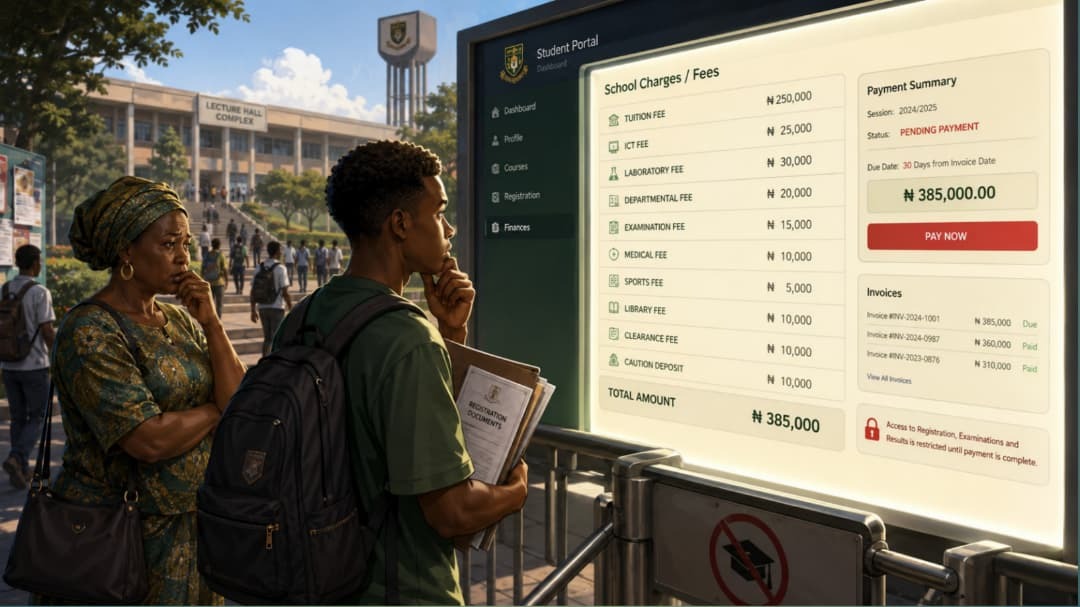
A university can call it revenue generation. A parent may simply see another charge on the student portal.
And if you are a student, you know what that means. One more payment before registration. One more receipt before clearance. One more deadline before exams.
That is why Nigeria’s latest debate over lecturers’ allowances and internally generated revenue is not just an administrative issue. It is a question about who really pays when public universities are told to fund more of their own obligations.
On paper, self-sufficiency is not a bad idea. Nigerian universities need money for classrooms, laboratories, libraries, research, staff welfare, digital infrastructure and basic maintenance. No serious university system can run properly on weak funding and irregular support.
But if the policy is badly handled, Nigeria may not only raise the cost of public education. It may create different classes of public universities and different classes of students.
Universities Need Money. The Question Is From Where

We should be honest: public universities cannot remain helpless institutions waiting only for government allocations. The best universities do more than teach. They create knowledge, solve problems and turn expertise into value.
That could mean engineering departments offering technical services, agriculture faculties running productive farms, medical colleges supporting diagnostics and research, or business schools providing executive training.
It could also mean research grants, patents, consultancy, alumni support, technology hubs, industry partnerships and professional services.
That is the better version of internally generated revenue: universities using what they know to create value.
But there is another version, and it is easier. Increase fees. Add charges. Rename old costs. Create new levies.
That is where the danger begins.
When Policy Becomes Another Portal Charge
For families, the language of funding reform disappears once new charges appear: development levy, departmental fee, laboratory charge, ICT fee, acceptance fee, medical fee, examination fee, utility fee.
The names may differ, but the experience is familiar: another amount to pay before a student can move forward.
For a student, this is not theory. It can mean waiting for a parent to raise money before registration closes. It can mean borrowing from relatives. It can mean missing lectures while trying to complete clearance. In worse cases, it can mean deferment, delayed graduation, or dropping out quietly.
That is why self-sufficiency must not become fee-sufficiency.
It is easier to increase charges than to build research partnerships, commercialise patents, attract grants or run profitable university ventures. But public education loses part of its purpose when access depends too heavily on ability to pay.
The Risk of Two Public University Systems
Not all universities can generate money in the same way.


A university in Lagos, Abuja or Port Harcourt may have better access to companies, alumni networks, professional training markets and industry partnerships. A specialised institution with strong research links may also have more commercial options.
But a younger, rural or less-connected university may not have the same advantage. It may serve students from poorer communities, operate in a weaker local economy, and still be expected to meet the same financial obligations.
The current debate already shows the pressure. The University of Nigeria, Nsukka reportedly generated about N43.56 billion in 2024 but spent about N43.84 billion, leaving a deficit. The University of Lagos, one of the stronger revenue-generating public institutions, has begun paying approved lecturers’ allowances, but has warned that sustaining the payments from IGR alone could strain its finances.
If a stronger revenue-generating university can feel the strain, weaker institutions may face a harder future.
That is how a two-tier system can quietly emerge. Some schools will have the location, alumni, commercial links and internal capacity to survive. Others may be forced to choose between raising charges, cutting quality, delaying obligations or falling behind.
For students, this means public education may no longer feel equally public. The school they attend could determine not just their degree, but the facilities they use, the lecturers they keep, the strikes they face, and the opportunities they meet after graduation.
Self-Sufficiency Needs Rules
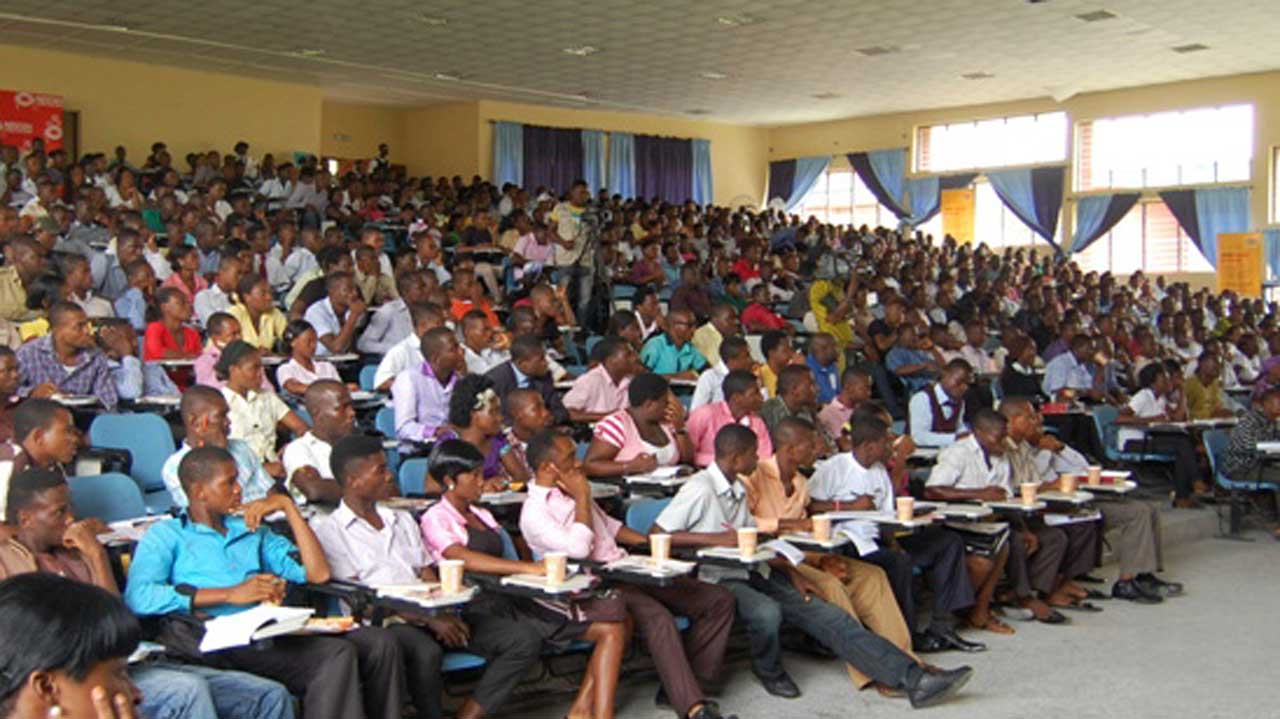
The real test is simple: will universities be pushed to create value, or will they simply create new charges?
If revenue comes from research, innovation, consultancy, grants, alumni networks, farms, patents, professional services and industry partnerships, it could strengthen the system. But student charges should not become the default answer to every funding gap.
If students are asked to pay more, they should at least be able to see what improved. A 2025 survey found thatnot a single Nigerian university published its budget, audited accounts, or a breakdown of how internally generated revenue was spent.
That has to change. Non-student revenue should be prioritised. Weaker institutions should receive support instead of being forced to compete on the same footing as stronger ones.
University autonomy should not become a polite way of transferring government obligations to students and parents.
Self-sufficiency can strengthen Nigerian universities, but only if it builds value instead of barriers.
Public education should not be funded by turning every student portal into a payment counter.