The Gen Z Socialism Syndrome: Why African Youths Remain Fixated on Socialism Despite Its Historical Failures
African Gen Z's turn toward socialist rhetoric isn't ideological ignorance — it is a rational response to 60% youth unemployment, cronyism, and neo-colonial extraction. But history, from Ujamaa to the Derg, warns that the gap between socialist ideals and outcomes is where generations get lost.
In 2020, during Nigeria's #EndSARS protests, a recurring demand from young Nigerians alongside the police reform that started the protest was a reckoning with who controls the country's wealth.
In 2024, Kenyan Gen Zers flooded the streets against a finance bill that would have taxed cooking oil and diapers while executives looted parastatals. The target was beyond the ideology in itself. It was the feeling of being economically abandoned by systems that were supposed to serve them.
That feeling as raw, legitimate, and increasingly politicised, is the engine behind what researchers and commentators are beginning to call the Gen Z Socialism Syndrome.
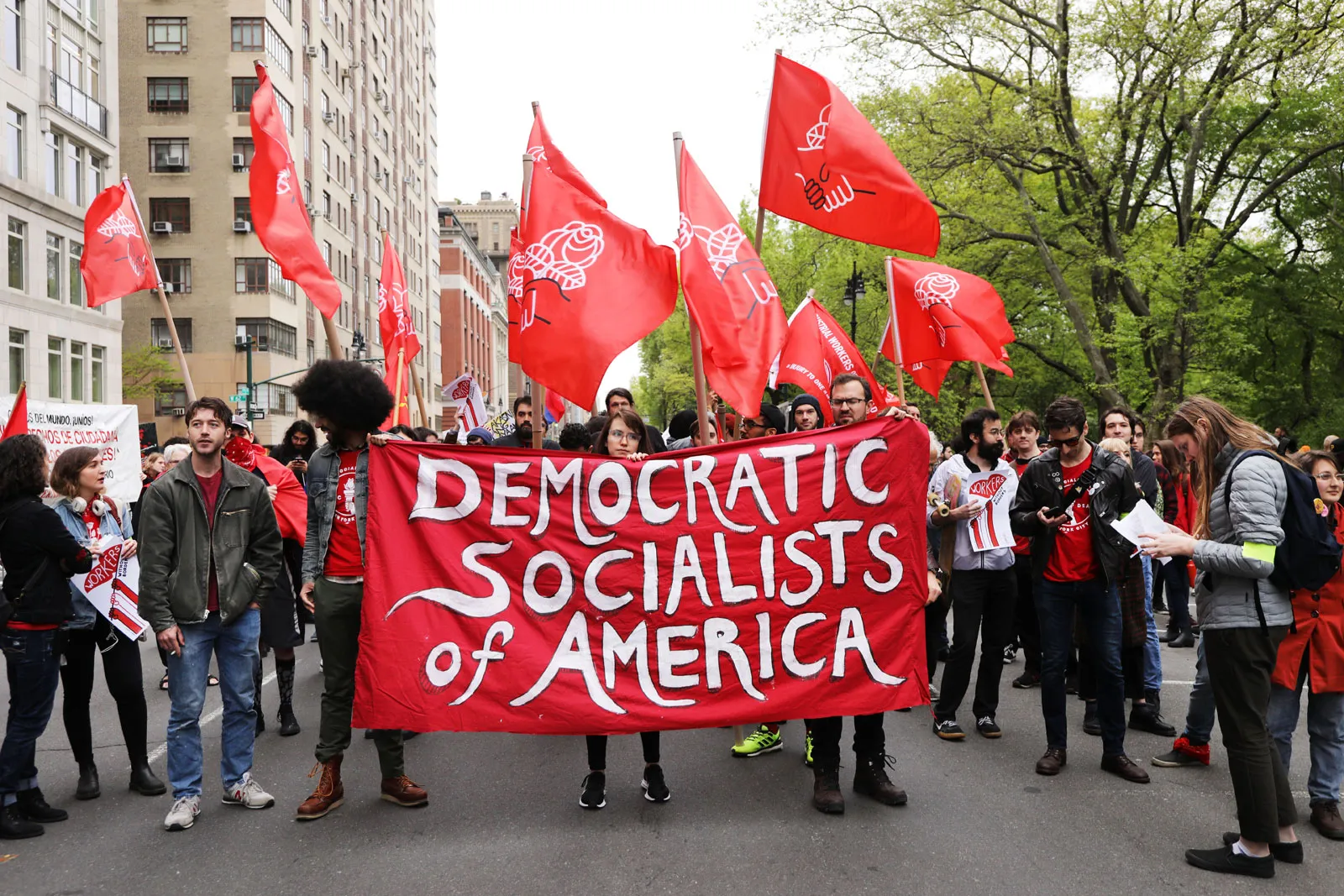
The Rise of Gen Z Democratic Socialism as a Western Political Movement
To understand why African youth are gravitating toward socialist ideas, it helps to trace where the language came from.
The 2008 global financial crisis cracked open a generation's faith in capitalism. In the United States, young people who came of age watching bank bailouts, skyrocketing student debt and unaffordable housing began searching for alternatives.
Bernie Sanders and Alexandria Ocasio-Cortez popularised this sentiment with the vocabulary, "democratic socialism." This phrase entered mainstream conversation not as state ownership of the means of production, but as shorthand for taxing the wealthy, funding healthcare, housing people and breaking up corporate power.
A 2025 Cato Institute/YouGov survey found that 62% of Americans aged 18–29 hold a "favorable view" of socialism, which is quite an impressive generational pivot. But surveys reveal that to most young people, socialism simply means capitalism with a bigger government role.
A 2021 George Mason University survey found that young people believe socialism is more conducive to social justice and fairness, while still acknowledging that capitalism performs better on economic growth and job creation. They want, as one researcher put it, "safety capitalism" — all the innovation, none of the abandonment.
The electoral consequences are visible. In New York's most recent mayoral race, Zohran Mamdani, a self-proclaimed democratic socialist backed by the DSA, became mayor-elect, driven substantially by Gen Z and Millennial voters. The syndrome, in its Western form, is less revolution than demand management.
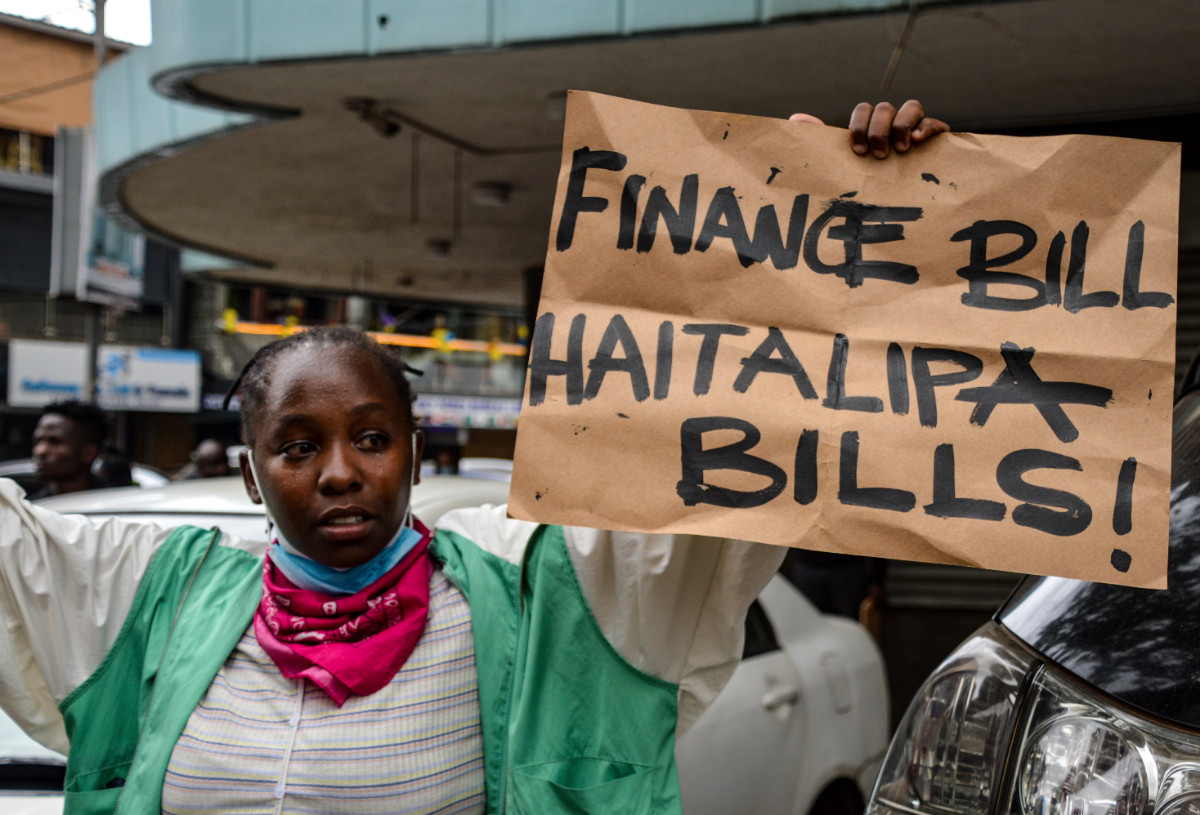
How Gen Z Socialism Travels to Africa and Gets Remixed
Social media has flattened the distance between a DSA rally in Brooklyn and a Twitter Space in Lagos.
However, it is important to note that African youth are not importing a Western framework wholesale. They are overlaying it onto specific local grievances: neo-colonial resource extraction, governments that answer to IMF conditions before citizens, and what scholars call "waithood", the prolonged limbo of educated young people who cannot access formal employment or any realistic version of adulthood.
The 2024 African Youth Survey by the Ichikowitz Family Foundation, polling more than 5,000 young Africans aged 18–24 across 16 countries, found corruption had risen as a barrier to entrepreneurship from 32% in 2022 to 40% in 2024. Nearly seven in ten said they were concerned about foreign interference in their continent's affairs.
There is a critical distinction. Where Western Gen Z frames socialism around domestic inequality, African Gen Z frames it through anti-imperialism and communal self-determination.
The vocabulary might be shared, but the wound forwarding the movement is very different. They are not asking for the Nordic model. They are asking why their countries export raw materials and import processed goods, why the IMF has more influence over their hospitals than their elected governments do.
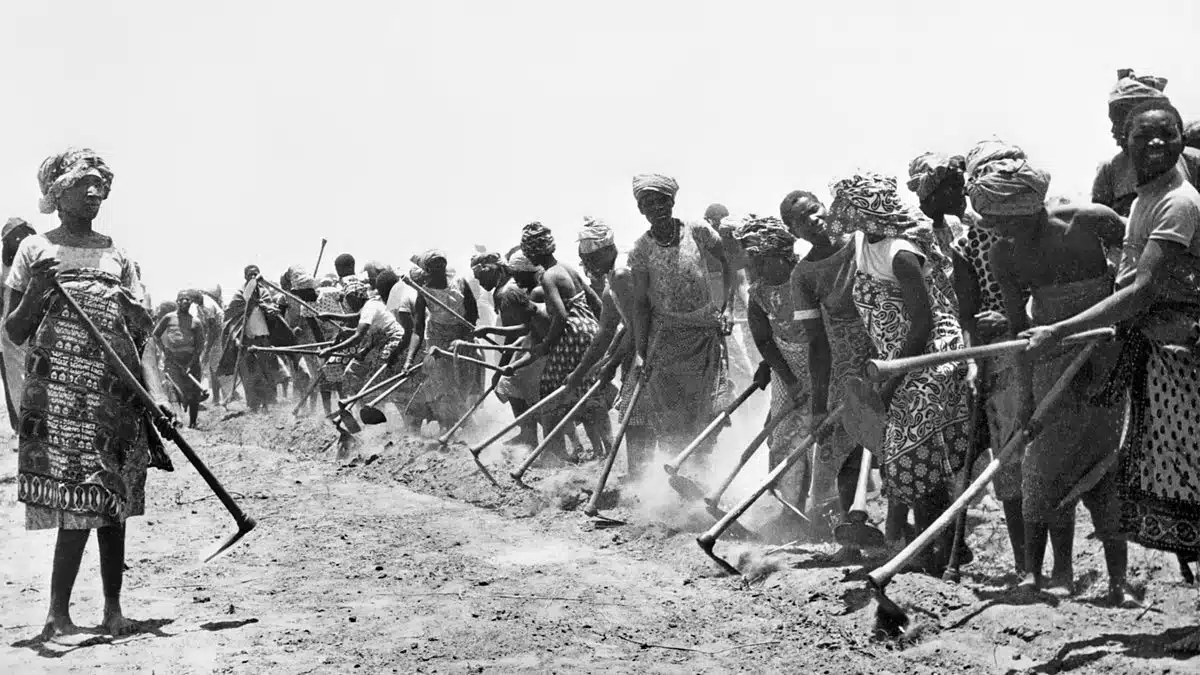
Historical Failures of African Socialism: The Record That Gets Skipped
One of the things buried at the back of many Africans minds is that the continent has already run this experiment. Following independence, a wave of leaders adopted socialist frameworks as a direct rejection of colonial capitalism.
Julius Nyerere's Ujamaa in Tanzania, Kwame Nkrumah's state-led industrialisation in Ghana, Sékou Touré's one-party rule in Guinea and Mengistu Haile Mariam's Marxist-Leninist Derg regime in Ethiopia were all attempts to build alternatives to the Western capitalist order.
Yet, there was nowhere on the continent the socialist experiment went on to be successful. Ujamaa destroyed Tanzania's agriculture. Ethiopia's villagization programme collapsed food production. Nkrumah was ousted by a military coup in 1966 as the economy buckled under debt.
The reasons included coercive implementation, corruption hollowing out institutions and the emergence of authoritarianism as leaders conflated ideological opposition with treason.

External sabotage compounded matters as Western countries and international financial institutions actively withheld aid from socialist Tanzania to ensure Ujamaa's failure.
Still, explaining why something failed does not reverse its failure. The young African who romanticises Nkrumah's pan-African vision without reckoning with the empty shelves in Ghana by the mid-1960s is performing selective history.
Intentions and outcomes are not the same thing and this gap is exactly where the syndrome takes root.
Socialism in 2026: The Gap Between Rhetoric and Reality on the Ground
Contemporary Africa's left-leaning governments offer a more nuanced picture than youth enthusiasm tends to allow.
In Burkina Faso, Captain Ibrahim Traoré has become perhaps the most viral political figure in African social media, consciously styled in the image of assassinated revolutionary Thomas Sankara. He has nationalised Burkina Faso's mining wealth through a state corporation and expelled French troops.
Inside Burkina Faso, Traoré enjoys remarkable grassroots support among youth, soldiers and rural communities who see him as a leader willing to confront both insurgents and elite privilege. Across Africa, his image has taken on symbolic power, more like a symbol of pan-African defiance against foreign dominance.
The enthusiasm still glosses over what critics note. For instance, elections have been postponed indefinitely; civil society groups report increased surveillance, journalist harassment, and arrests of opposition figures.
Notably, no Alliance of Sahel States leader has declared socialism as a final goal. What Traoré represents is not socialism but sovereigntism with socialist aesthetics.
In Senegal, PASTEF's 2024 election victory made it the only overtly socialist party in power on the continent. But its first two years revealed fractures, with tensions emerging between President Faye and then-Prime Minister Sonko over coalition management and the country's financial difficulties.
In South Africa, the EFF's radical redistribution agenda has consistently failed to translate electoral noise into governance results.
The pattern repeats: youth see the ideals — dignity, sovereignty, redistribution — and they are not wrong to want them. The gap is between wanting them and the machinery required to deliver them.
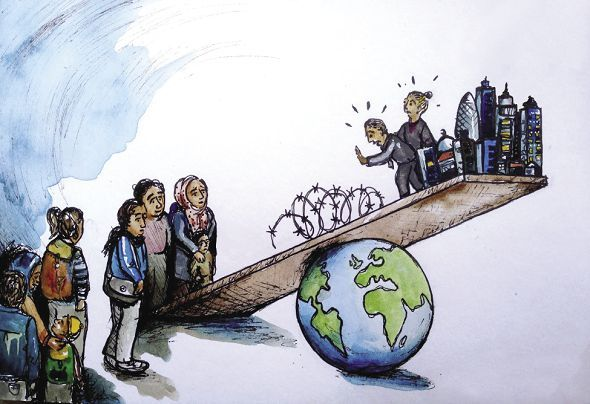
Why African Youth Remain Fixated on Socialism: The Key Driver Problem
The syndrome is not irrational as some critics love to say. It is a response to conditions that are genuinely dire.
In South Africa, youth unemployment among those aged 15 to 24 reached 60.9% in Q12026. One-third of Africans consistently cite unemployment as the most important issue their governments must prioritise.
When the existing capitalist order means unemployment at 60%, the appeal of something else becomes straightforward.
Beyond economics, socialism carries moral weight. It offers young Africans an anti-colonial identity that positions them as heirs of Nkrumah and Sankara.
Social media reinforces this through selective nostalgia. Sankara's speeches trend but the agricultural collapse that followed his era does not.
And the capitalism actually experienced by most young Africans is not the textbook free-market kind — it is cronyism, where politically connected elites capture state resources while formal employment stays out of reach.
But crucially, most African youth are not ideological purists. The same 2024 survey found that 71% of young Africans plan to start their own business within five years, hardly the profile of people demanding collectivisation.
What they want is a state that invests in them. That is less socialism than social democracy, a distinction the syndrome tends to collapse.

Beyond the Label: Evidence-Based Governance Over Ideological Cycles
The syndrome is real but symptomatic; this is what happens when governance fails badly enough that a generation reaches for the only oppositional vocabulary available.
Both Western and African Gen Z are demanding mixed economies: markets that function, states that protect and institutions that hold the powerful accountable.
The evidence from the continent's more successful developmental models points toward pragmatism over ideology. Rwanda's government-directed growth and Botswana's resource management institutions suggest the decisive variable is not socialism versus capitalism but institution quality.
African youth energy is a genuine asset. The generation that shut down Kenya's parliament with their phones, that organised #EndSARS without a central leadership structure, has the organising capacity to demand real change.
The question is whether it gets channelled into evidence-based governance advocacy or consumed by ideological cycles that promise transformation and deliver disappointment. History suggests the cost of choosing wrong is one Africa cannot afford.