Idris Elba Wants More West African Action Films, But Can the Industry Deliver?
Idris Elba is backing a new wave of West African action films, but can Nollywood and the wider industry overcome infrastructure, funding, and distribution challenges to create a globally competitive action genre?
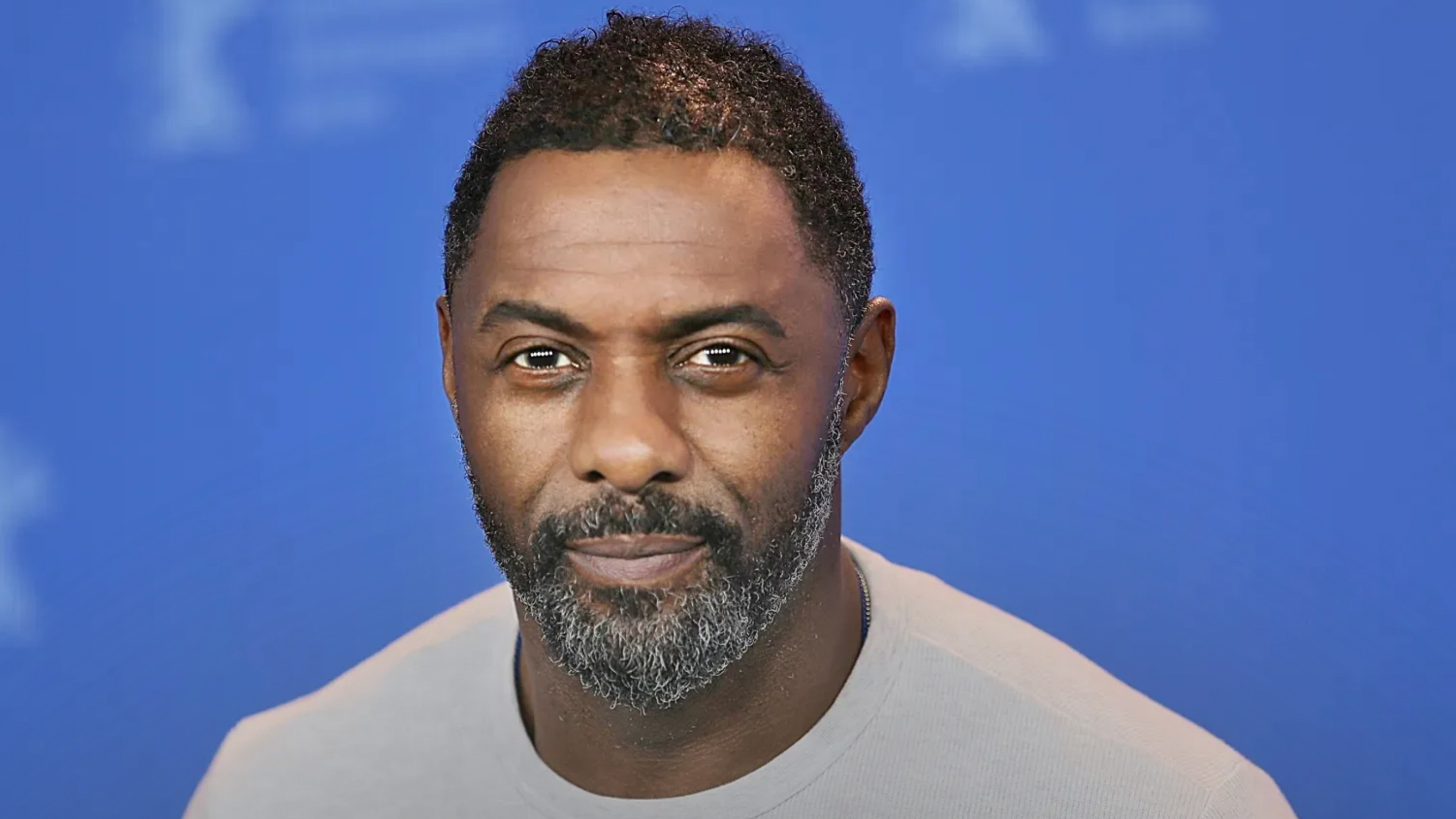
Idris Elba just put his name behind a new slate of West African action films. With this timing, a lot is being said about where the region's film industry thinks it is headed next.
His production company, 22Summers, is teaming up with Moses Babatope's Nile Media Entertainment Group and Chee Keong Cheung's Action Xtreme to build what they are calling a "long-term production ecosystem" for African genre filmmaking.

The first film goes into production in Q4 2026, a second follows in Q1 2027 and Elba himself is set to direct one of them.
Babatope, who already distributes Universal and Paramount titles across West Africa through Nile's UIP partnership, has said that action is one of the most commercially powerful genres in the world, and Africa has barely touched it.

That is the proposal. But there is a question hanging in the air and it doesn’t have to do with whether West Africa wants an action genre. It is whether the industry, as it currently exists, can actually deliver one and whether copying the American action movie blueprint is even the right move.
Why West African Action Films Are Suddenly a Big Deal
Nollywood has spent two decades proving it can make volume work. Nigeria's film industry churns out more projects per year than almost anywhere on earth. These projects are usually built on lean budgets, fast shoots and a distribution system that leans hard on streaming and diaspora audiences.
However, it hasn’t built, at a scale, the reputation for genre filmmaking that needs real technical muscle like stunt choreography, practical effects, vehicle work, controlled pyrotechnics and the kind of infrastructure action cinema depends on.
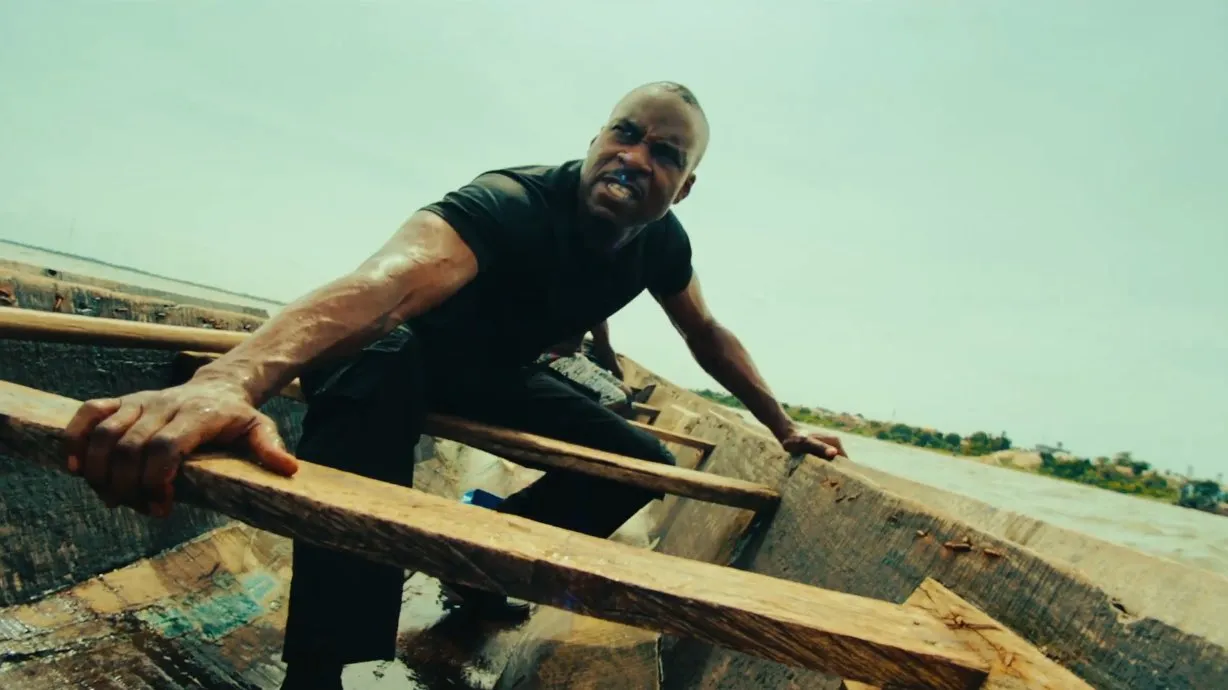
Action Xtreme's Son of the Soil, shot in Nigeria, is being pointed to as proof of concept. Even though it is a small sample size, it is the kind of proof investors like Babatope need to justify calling this a genre and not a one-off experiment.
Elba's involvement adds a global name to a project that otherwise would have stayed a regional story.
Why the American Action Movie Formula Won't Translate
A lot of the excitement around this deal assumes the goal is to build a West African version of a Hollywood action franchise, maybe something that looks and moves like a Marvel film or DC, just shot on the continent with local casts. That is not going to work and not because West African filmmakers can't pull it off.
American action cinema is built on massive budgets, insured stunt teams, purpose-built backlots, years of studio-level VFX pipelines and a global marketing machine that can recoup $200 million from a month of release.
West Africa doesn't have that infrastructure and trying to force a Nigerian or Ghanaian production into that mold just sets it up to look like a cheaper and weaker copy of something else that would lose to comparison every time.
What would work, especially internationally, is specificity. South Korean action cinema broke out by being Korean in its violence, humour and pacing.
Indian action cinema, especially the Telugu and Tamil industries, built entire aesthetics around maximalist stunt work that Hollywood now borrows from.
West African action has the same opportunity but only if it resists the urge to sand down its own texture to look "exportable."
What Nollywood Already Has Going For It
The advantage West Africa actually holds is its storytelling instinct. Nollywood already knows how to build tension around family, betrayal, class and spiritual belief.
An action genre rooted in that DNA, action as a vehicle for those same stakes rather than for just the sake of it, is a much more defensible lane than trying out Hollywood-inspired projection on a fraction of the budget.
There is also the location advantage. Lagos alone offers a density and chaos on camera that no soundstage can fake. Even Cheung himself said as much about shooting Son of the Soil there. That is a genuine creative asset.
The Real Obstacles Facing West African Action Cinema
None of this works without fixing the unglamorous stuff. Stunt performer training and insurance are close to nonexistent at scale in West Africa, and action filmmaking without trained stunt coordination is a liability nightmare waiting to happen.
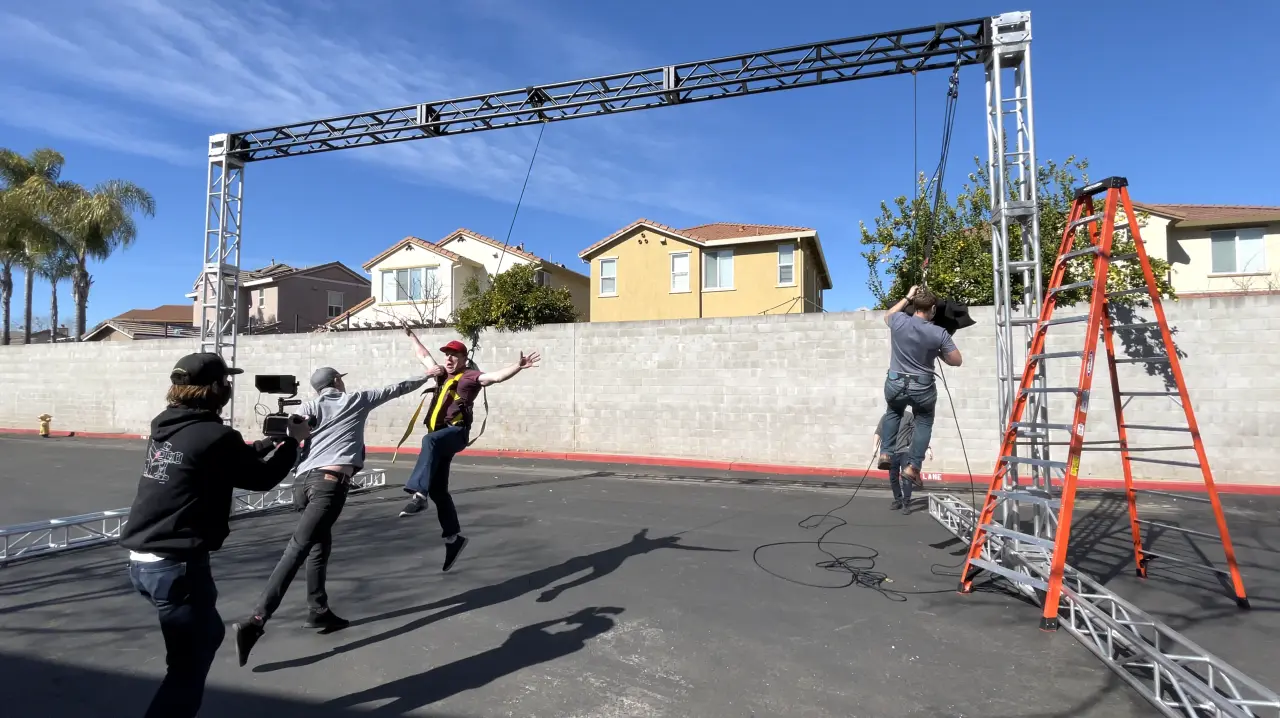

Equipment access, especially camera rigs built for high-speed or vehicular sequences, is limited and expensive to import. Post-production pipelines for VFX-heavy work are thin outside a handful of studios.
Then there is distribution. Nile Media's Universal and Paramount partnership is essential here as it gives this specific slate a theatrical pathway that most West African films never get.
But one company having that pipeline doesn't fix the structural gap for the wider industry. If this slate succeeds, the real test is whether it opens doors for other local productions or just becomes a closed loop between a handful of well-connected players.
Can West African Action Cinema Actually Break Through?
It can, but only if the industry treats this as a chance to define its own action grammar rather than chase a Western one.
Elba's name buys visibility and capital, which West African genre filmmaking genuinely needs right now.
However, visibility isn't the same as a sustainable industry and capital dries up fast if the output doesn't feel distinct enough to justify itself against a market already saturated with action content from everywhere else.
The films that come out of this partnership in 2026 and 2027 will say a lot about which direction gets chosen. If they lean into what makes West African storytelling different, this could genuinely be the start of something.
If they chase a diluted version of an American formula, it'll be a well-funded shoved-under-the-carpet story, remembered more for the names attached than for the films themselves.