Are We Overworking the Gang Narrative in Nollywood?
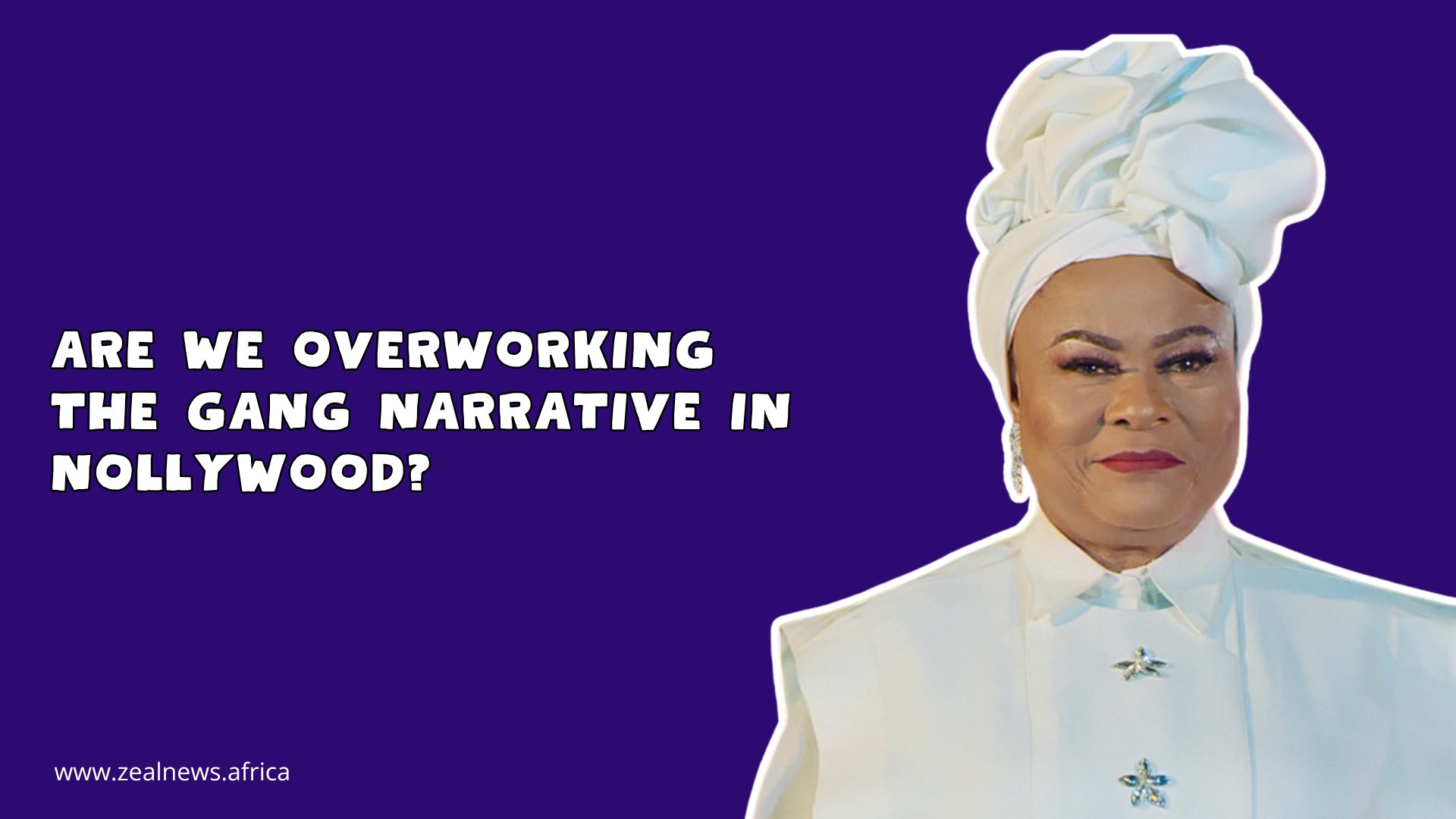
Nollywood’s gang narratives have dominated screens since King of Boys, but as more series copy the formula, audiences are growing fatigued. Is the industry prioritizing aesthetics over storytelling depth?
Sometime last week, I happened to be in the same space as someone watching a Nollywood series. I got curious and joined them. At first, the series looked so familiar that I would have sworn I had watched it before. An hour later, I realised why I thought so.
Men clad in black or brown in a jungle setting, familiar actors who are renowned for killing their roles in gang-themed movies and series, and that specific colour grading — desaturated, gritty, like the world itself had given up on being colourful.
At this point, picking a Nollywood series at random and landing on a gang storyline doesn't feel like a coincidence. It feels like probability.
It is starting to seem like men in black, or maybe brown, with guns, led by a notorious leader for whatever motive, is basically a requirement for the next big Nollywood series.
And this is where the question begins. Are we overworking the gang narrative?
Why the Gang Era Happened
To be honest, people love crime-related narratives and thrillers. There is something about watching morally complex characters navigate a world where loyalty is currency and betrayal is the most predictable plot twist.
We have always known this globally — The Godfather, The Wire, Narcos.
But for Nollywood, the gang narrative as we know it today has a very specific starting point: King of Boys.
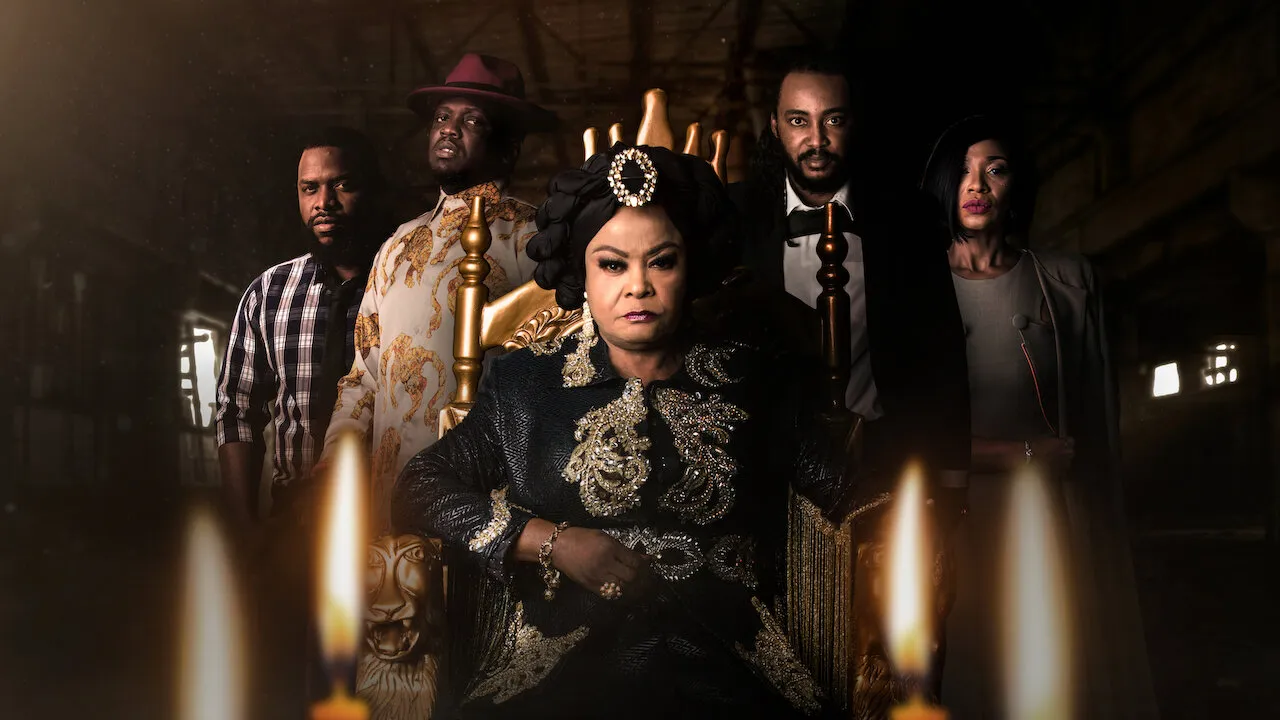
In 2018, filmmaker Kemi Adetiba released a nearly three-hour political crime thriller about Alhaja Eniola Salami, a businesswoman, philanthropist, and quietly, the head of a table of gang lords operating in the underbelly of Lagos.

Nothing moves without her knowing. Her cut is 40 percent. And if you don't pay, you find out why they call her the King of Boys.
The film was bold for many reasons. It was written and directed by a woman, starred a middle-aged woman in a genre that rarely centres women at all, and it treated its audience like they were intelligent, something Nollywood had not always been willing to do.
Adetiba herself has spoken about being told the audience wasn't ready for a film like King of Boys. She and her co-producer brother jumped in anyway.
They were right. The film shattered box office records, made over N240 million at the cinema and eventually landed on Netflix where it found an entirely new international audience.
The KOB Army, as fans call themselves, was born.
What made King of Boys work was not just the guns and the politics. It was the fact that Eniola Salami felt real. She was not simply evil or simply good.
She was a woman who had clawed her way up from nothing, who loved her children fiercely and buried them just as fiercely, who sat across from senators and gang lords with the same calm authority.
That complexity was rare and compelling. People talked about it. A lot.
And then, as it always goes in the entertainment industry — everyone noticed.
The Dominos Start Falling
After King of Boys made its money and earned its flowers, something predictable happened: the formula got copied.
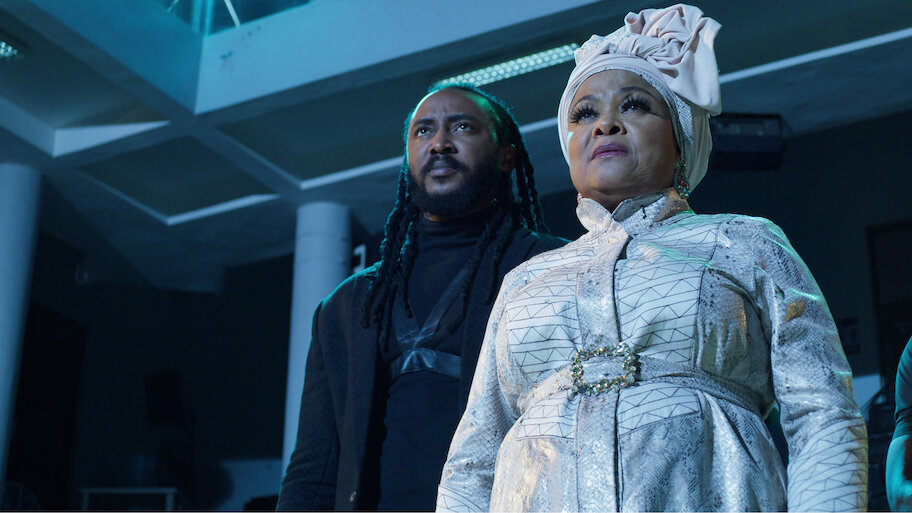

By 2021, the sequel, King of Boys: The Return of the King, became the first Nollywood original series to debut on Netflix. It added Richard Mofe-Damijo, Nse Ikpe-Etim, and a new layer of political intrigue to the already rich universe.
It was good and it reminded people why they loved the original.
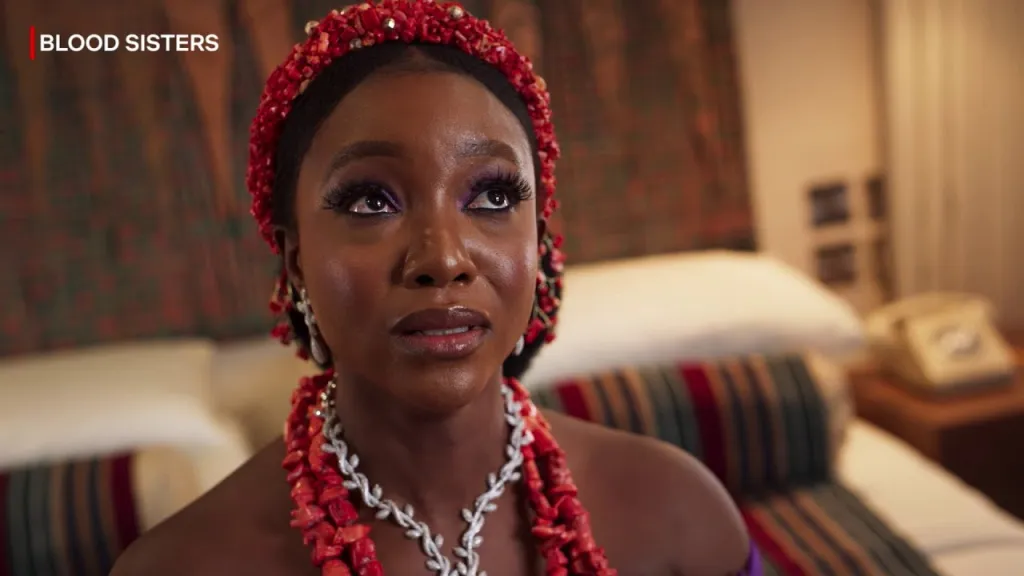
Then came Blood Sisters in 2022 — a Netflix thriller that pulled in huge viewership and proved that Nigerian crime content had serious streaming muscle.
Then Shanty Town arrived on Netflix in January 2023, featuring a cast that looked like a King of Boys reunion: Sola Sobowale, RMD, Nse Ikpe-Etim — same faces, similar dark colour palette, similar world of powerful men controlling women and entire city blocks from behind a desk.

Critics noted, not entirely kindly, that it was trying very hard to be the next King of Boys and mostly showing the gap between ambition and execution.
One reviewer described it as a series that "wants so much to be seen as proof that Nollywood can do intense crime and action" but lacked the insight to make it remarkable.
Then came Gangs of Lagos in April 2023, this time on Amazon Prime Video, directed byJade Osiberu. Politically connected street gangs, rival factions, the Isale Eko streets.
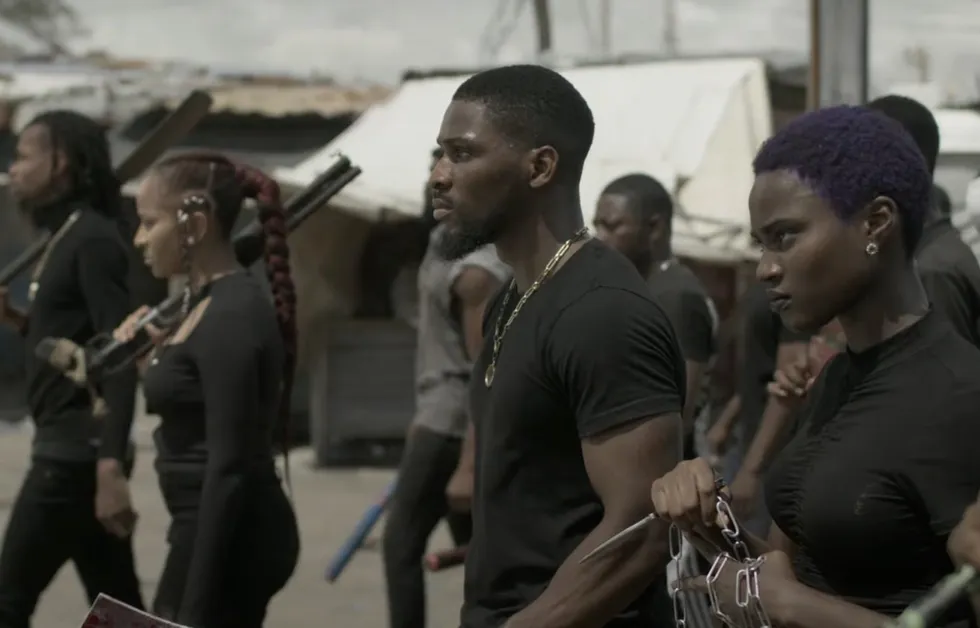
It was Nigeria's first Amazon original and genuinely had some standout moments. But even its more enthusiastic reviewers couldn't help noticing that the formula was beginning to feel worn.
The corrupt politician, the savage street enforcers, the dispensable civilians caught in the middle. Betrayal. Revenge. Power. Rinse and repeat.
By the time you have seen three or four versions of this same world, sitting down to a new Nollywood series and seeing that desaturated colour grade with a man barking orders in a dimly lit room starts to feel less like a discovery and more like a reflex.
So What's Actually the Problem?
Let's be fair, genre cycles are not unique to Nollywood. Hollywood went through waves of Westerns, then disaster movies, then superhero films. Korean cinema gave us a decade of revenge thrillers.
Every industry finds a formula that works and squeezes it until the audience taps out.
The real issue isn't that Nollywood is making gang content. The real issue is what is being sacrificed in the rush to replicate the formula.
King of Boys worked because it had something to say beneath the violence.
It was a story about how power is actually distributed in Nigeria, not in government offices but in backrooms, in street loyalty, in who controls the vote and who controls the streets.
Eniola Salami was a mirror held up to Nigerian politics. The gang stuff was a vehicle, not the destination.
When the copies came, many of them kept the vehicle but lost the destination.
You get the dark aesthetics, the heavyweight cast, the action sequences but you don't get that specific sharp thing underneath it that made the original stick.
The stories stop being about something and start being about themselves.
There is also the actor rotation problem. At some point, watching a new Nollywood crime series and seeing Sola Sobowale, RMD, and Nse Ikpe-Etim in the same frame starts to feel less like casting and more like a package deal.
These are brilliant performers but when the same faces keep appearing in effectively the same universe, it blurs the lines between individual stories.
They stop feeling like different worlds and start feeling like one big shared Lagos underworld with revolving subplots.
Does This Mean We Stop?
Not at all. The gang narrative itself isn't broken. What is broken is the laziness that crept in once it became the safe bet.
The best version of this genre is when it is grounded in something specific and true.
Gangs of Lagos, for all its flaws, earned credit for immersing itself in the actual culture of Isale Eko — the streets, the masquerades, the community logic.
Even its controversies (the Lagos State Government and the Oba of Lagos condemned its use of Eyo masquerades as violent criminals) showed that the film was touching something real.
When your fiction is upsetting actual royal families, you are clearly not making something hollow. That is the standard.
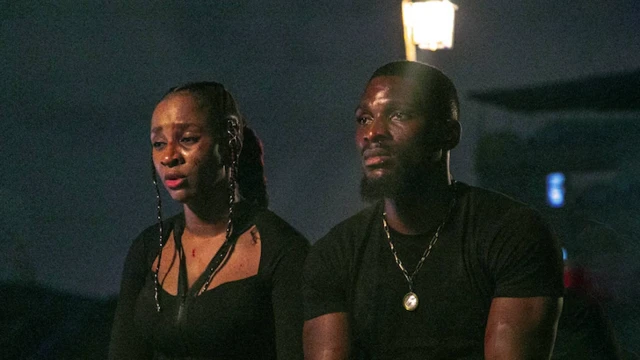
Gang narratives that understand whythe streets work the way they work. Crime stories that have actual things to say about Nigerian society, about class, about what happens to boys and girls who grow up in places the government abandoned.
Not just aesthetics. Not just the same five actors in matching dark outfits exchanging threatening monologues.
Nollywood is genuinely getting better at production — the cinematography, the sound design, the action choreography. The craft is improving.
What needs to catch up is the courage to tell stories that are not simply riding the last wave.
The Verdict
The gang narrative is not overworked. The imagination behind it is.
King of Boys opened a door and showed what Nigerian crime storytelling could look like when it is done with intention and depth.
What followed was a wave of projects that saw the open door and ran through it — some with genuine vision, others just hoping the aesthetic was enough.
For the audience, the fatigue is real.
There are only so many times you can watch a powerful man adjust his agbada while someone gets dragged out into a forest before you need something different.
The good news is that Nollywood has always had range — fantasy epics like Jagun Jagun and Anikulapo, grounded dramas, comedies, romance. The genre diversity exists.
The question is whether the industry will let those genres breathe or keep betting on the formula that has already been milked.
Here is hoping the next big Nollywood series surprises us. Not with who gets shot.
But with something we haven't seen before.