A Continent on Credit: The Ten-Year Story Behind Africa's Growing Debt Burden
Africa’s debt crisis explained through a decade-long analysis (2015–2026), covering rising debt-to-GDP ratios, Eurobond borrowing, hidden Chinese loans, IMF reports, and the fiscal impact of COVID-19 on over 20 African countries in debt distress.
The IMF's April 2026 Regional Economic Outlook exposed to Africans what we already knew. With the title, Hard-Won Gains Under Pressure, this report did what it intended to, offering African countries a diagnosis of their debt situation.
Sudan's debt-to-GDP ratio sits at 169.1%. Senegal's is 132.3%, after a newly elected government audited the books and found $11 billion in obligations the previous administration had never reported.
At least 22 African countries are currently in debt distress or at high risk of it. African external debt crossed $1 trillion in 2024.
These are the accumulated output of a decade of borrowing decisions, structural vulnerabilities and external shocks working in alignment.
To understand the 2026 map, you have to go back to 2015, when the same continent was being described, with genuine confidence, as manageable.
In 2015, most African governments had emerged fromthe Heavily Indebted Poor Countries initiative with cleaner balance sheets and renewed access to international capital markets. The commodity supercycle had not yet fully collapsed.
The continent was borrowing, but borrowing to build. The distance between that moment and today is not something that happens like a natural disaster. It is a policy story, written in sovereign bonds, Chinese infrastructure loans, currency depreciations and a pandemic that stripped whatever fiscal buffer had survived the years preceding it.
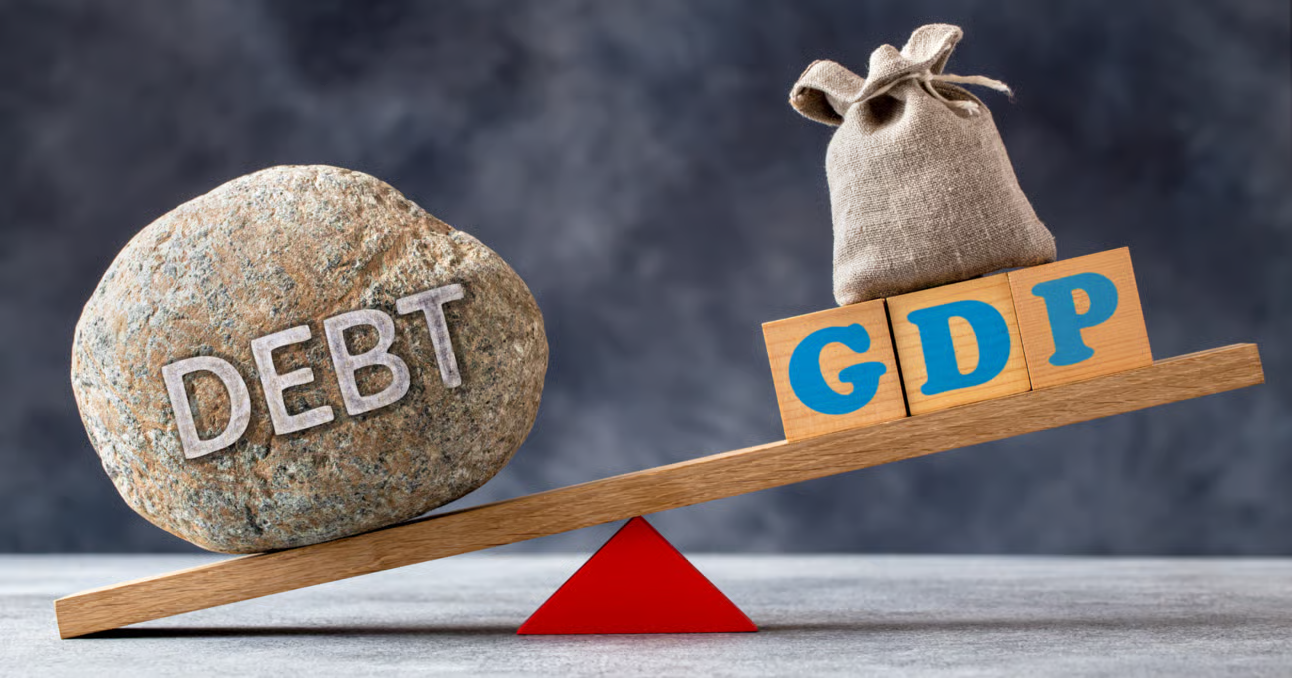
Africa's Debt-to-GDP Ratio: How a Decade Turned Against Itself
The first signal came early. Between 2012 and 2016, average public debt as a percentage of GDP across sub-Saharan Africa climbed from 37% to 56%, an increase of roughly five percentage points annually at its most aggressive pace.
By 2018, 40% of sub-Saharan African countries were at high risk of debt distress, double the number recorded just five years prior.
The commodity price collapse of 2014 to 2016 was a significant accelerant as oil and mineral revenues fell sharply, governments that had structured spending plans around optimistic price projections found themselves borrowing to close structural deficits rather than fund growth.
What began as development financing quietly became deficit financing.
Nigeria's government debt-to-GDP ratio stands at 32.3% today, modest by regional standards, but that figure mirrors a more damaging reality.
Debt servicing consumes a disproportionate share of federal revenue, compressing investment capacity across public sectors. In Africa's debt burden story, the service cost is the real deal, not really the numbers.
The African Eurobond Boom and the Architecture of a Debt Maturity Wall
Before 2006, no sub-Saharan African government had issued a sovereign Eurobond. By 2021, at least 21 had.
The appeal was obvious. They were large pools of capital, historically low interest rates and none of the structural adjustment conditions attached to multilateral loans, all available.
Governments used these instruments to fund infrastructure deficits, refinance legacy obligations, and, in more loosely managed fiscal environments, cover recurring budget shortfalls.
By 2022, Eurobonds accounted for approximately $140 billion of the region's external debt, roughly 30% of the total.
The structural risk embedded in this expansion was one of timing. Most bonds carried 10- to 15-year maturities, concentrating repayment obligations between 2024 and 2028.
When that debt maturity wall arrived, it did so against elevated global interest rates with the inverse of the conditions under which the debt had been issued.

Between January 2024 and early 2025, eight African countries raised $15.7 billion in new Eurobonds to navigate these pressures, but at yields frequently approaching nine percent, among the highest recorded globally.
Borrowing to service existing borrowing.
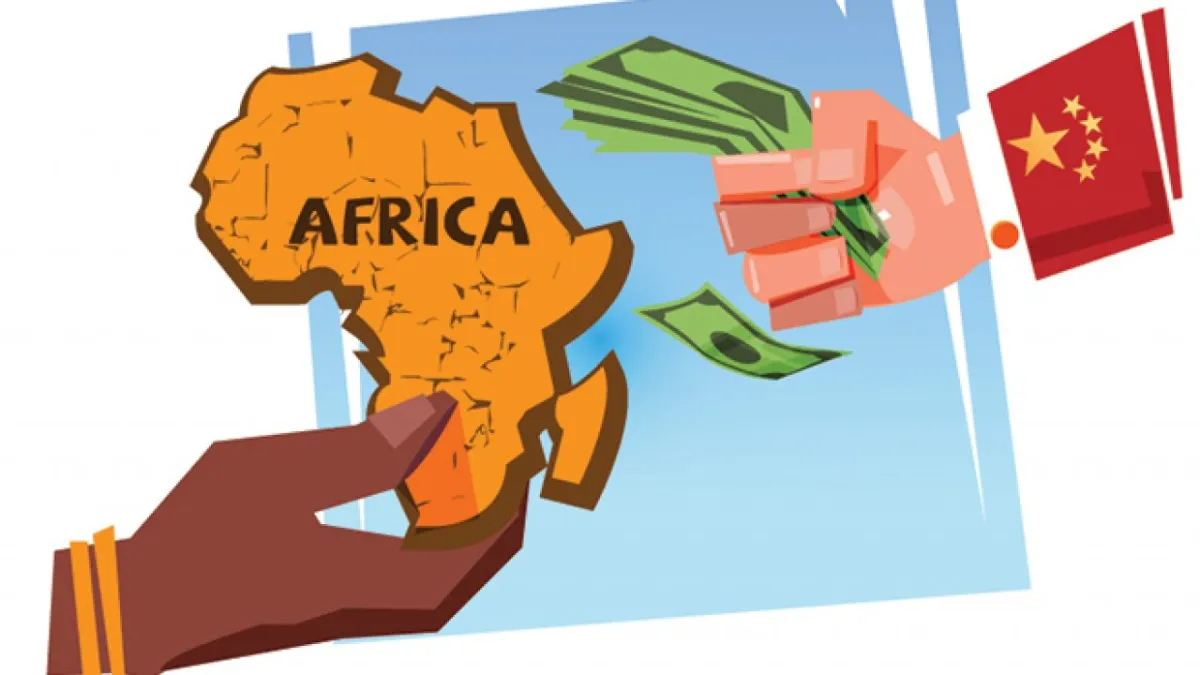
China, Infrastructure Lending and Africa's Hidden Debt Problem
Any credible accounting of African sovereign debt accumulation over the past decade requires engaging with Chinese lending. From 2012 to 2017, Chinese loans to sub-Saharan African governments grew tenfold, exceeding $10 billion per year.
At its 2016 peak, China disbursed $28.4 billion in loans to African states, used in the financing of railways, ports, dams and road networks across the continent.
By 2020, an estimated 17 percent of sub-Saharan Africa's total external debt was owed to Chinese creditors, with Angola alone receiving over $42 billion in commitments across two decades of borrowing.
Chinese lending declined sharply after 2016 as commodity revenues fell and repayment concerns mounted, dropping to $1.9 billion by 2020.
What remained was a large, frequently undisclosed stock of obligations. Research has estimated that approximately half of Chinese loans in sub-Saharan Africa do not appear in official sovereign debt records, what analysts have termed "hidden debt."
This hidden debt complicates fiscal management, distorts debt sustainability assessments and creates significant coordination problems when restructuring eventually becomes necessary.
COVID-19, Currency Collapse and the Breaking of Africa's Fiscal Cushions
When COVID-19 arrived in 2020, African governments had limited reserves and shrinking options. African external debt, already past $500 billion, crossed $1 trillion by 2024.
Zambia became the first African country to defaultduring the pandemic, missing a $42.5 million Eurobond payment and spending over three years in restructuring negotiations that simultaneously involved Chinese lenders, Western bondholders and multilateral institutions.
Ghana followed in 2022, its debt-to-GDP ratio having reached 88.1% after a convergence of inflation, currency depreciation and unchecked fiscal expansion drove the country into default.
As of 2024, African governments collectively were projected to spend approximately $74 billion on debt servicing. These were funds that, in any alternative fiscal scenario, would be directed toward public health, education, and infrastructure.
The G20 Common Framework, designed to coordinate debt restructuring across creditor types, processed only four African applications in five years.
Chad secured a deal with minimal debt reduction. Zambia's resolution, reached in 2024, left implementation questions unresolved well into 2025. The architecture built to address the problem has not kept pace with its scale.
Africa's Sovereign Debt Crisis in 2026: A Structural Problem, Not a Fiscal One
What the 2026 map makes clear is that Africa's debt problem is not totally a story of recklessness. Nigeria's debt-to-GDP ratio of 32.3% looks manageable until you examine how much of government revenue is absorbed by servicing it.
The Republic of Congo's 91.3% and South Africa's 78.9% sit in the same high-risk category, but for entirely different structural reasons. The figures are a starting point, not a verdict.
The deeper pattern across the decade is one of compounding figures. Domestic revenue bases are too narrow to absorb shocks, an over-reliance on commodity prices that African governments do not set, a creditor landscape that became more fragmented and more expensive precisely as repayment obligations intensified, and a global debt resolution architecture, the G20 Common Framework, that has processed four African applications in five years.
Eight African countries raised $15.7 billion in new Eurobonds between January 2024 and early 2025 at yields around nine percent, borrowing to service borrowing at rates the original lenders never charged.
Africa did not arrive at this ledger through recklessness alone. It arrived through insufficient fiscal buffers, structural exposure to cycles it does not control and a decade in which the cost of getting the math wrong kept rising, until it became the headline.