Before It Hit Cinemas: What Audiences Should Expect from The Secret Lives of Baba Segi's Wives
Before the trailer drops and the debates start, here's everything you need to know about the Baba Segi's Wives film adaptation and why the book it's based on has been living rent-free in readers' heads since 2010.
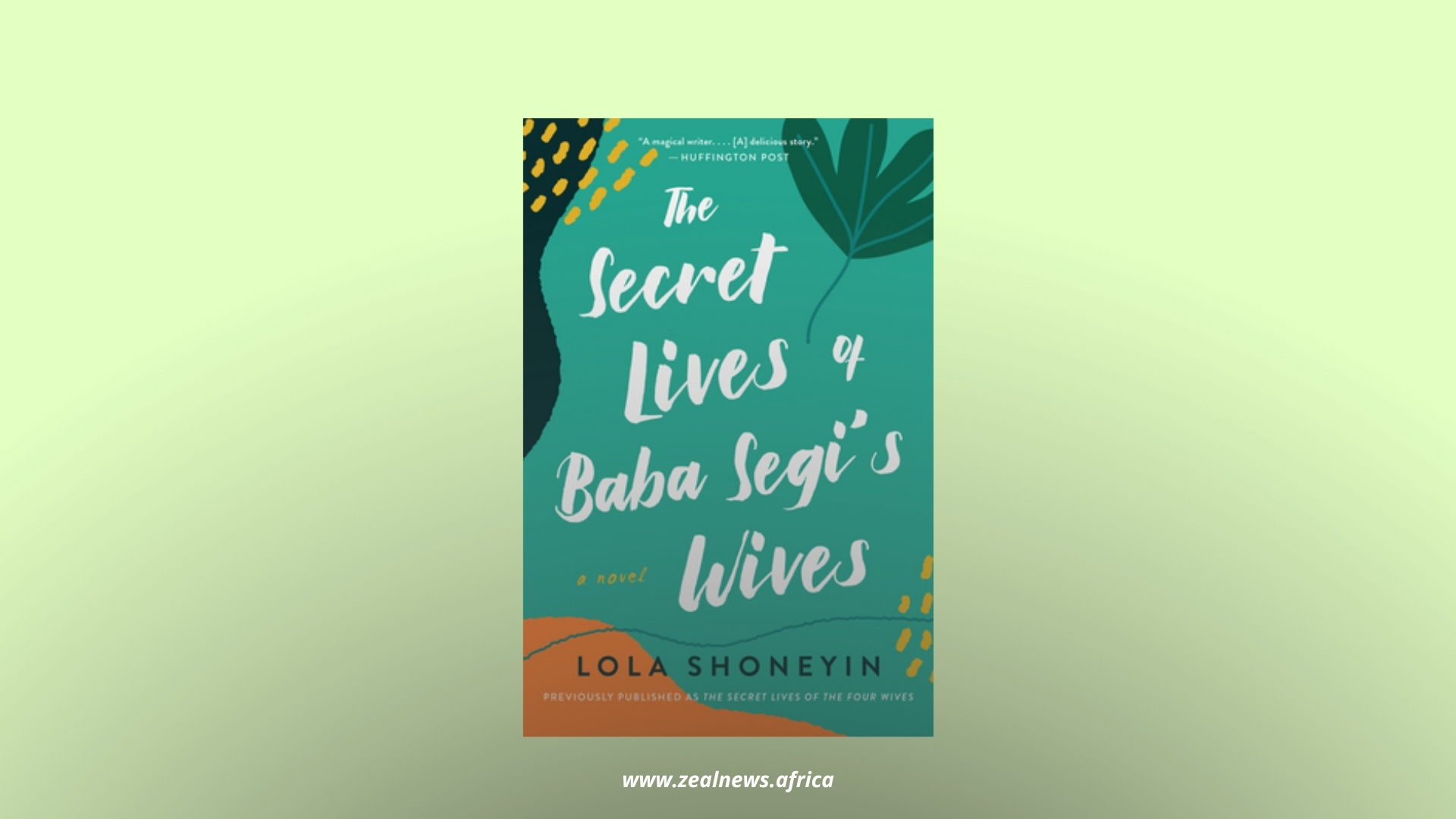
If you have read the book, you already know that not a single child in Baba Segi's compound belongs to him and if you haven't, well, you just learned the most important thing about this story. Sit down.
Lola Shoneyin's 2010 novel is finally getting a film adaptation, and it is coming to cinemas in December 2026.
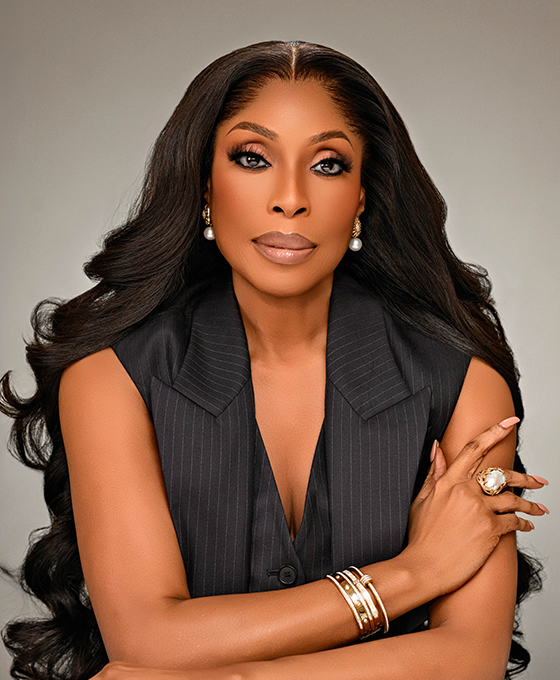
EbonyLife Films, Mo Abudu's production house behind Blood Sisters, Òlòtūré, and The Wedding Party, is taking it to the big screen in partnership with Genesis Group, Nile Media Entertainment Group, and Silverbird Group.
The cast is a Nollywood reunion with Odunlade Adekola starring as Baba Segi, alongside Iyabo Ojo, Mercy Aigbe, Bimbo Ademoye and Omowunmi Dada as his four wives.
Shaffy Bello, Nancy Isime, Damilola Adegbite, and Bisola Aiyeola are also attached. No trailer yet, just a cast list that already has people forming opinions.
Here's what the film is working with.
The Man at the Centre of It All
Baba Segi is not a villain in the traditional sense. He is a man whose entire sense of self is built on a lie he doesn't even know is a lie. He is wealthy, loud, proud, and polygamous.
He lives in Ibadan with three wives and seven children, and he walks through life believing he is the architect of all of it. His virility is his identity. His household is his proof of manhood.
The problem is that he is sterile and he has always been. And every child in that compound was fathered by someone else entirely.
This is not a spoiler the book hides. Shoneyin lays it out gradually.
Each woman made a choice she had no choice but to make. In a home where a man's approval is currency and childlessness is social death, they did what they had to do to survive.
The Woman Who Broke Everything Open
The fourth wife, Bolanle, is the one who changes everything. She is university-educated, soft-spoken, and carries her own private tragedy that the reader discovers slowly.
Unlike the other wives, she has no children when she enters the compound, and this becomes a problem Baba Segi decides to solve by taking her to a hospital.
A hospital that runs tests on both of them. This is where the tension begins.
Bolanle did not come to destroy anything, but her presence, alongside her education, her questions and her refusal to shrink, becomes a mirror that the entire household cannot avoid looking into.
The first three wives, who had built a careful, coded peace among themselves, now have to reckon with the possibility of exposure.
Three Women, Three Different Kinds of Survival
What makes this novel genuinely remarkable is that it does not flatten the wives into types. Iya Segi, the first wife, is calculating and territorial. She is the woman who has protected her position for the longest and has the most to lose.
Iya Femi is bitter and brittle, carrying grief she has never properly processed. Iya Tope is quieter, softer and her story is the one most likely to break you when it arrives.
Each woman narrates her own chapter with distinct voices. Shoneyin gives them all interiority — desire, fear, regret, and something that looks like love even when it is twisted.

This is not a story about bad women. It is a story about what women become when the system they live inside leaves them no honest options.
What the Film Has to Get Right
The challenge for the director, Daniel Oriahi, and the screenwriter, Adze Ugah, who had input from Shoneyin herself, is that this is a deeply interior novel. Its power lives inside the women's heads, inside the things they do not say aloud.
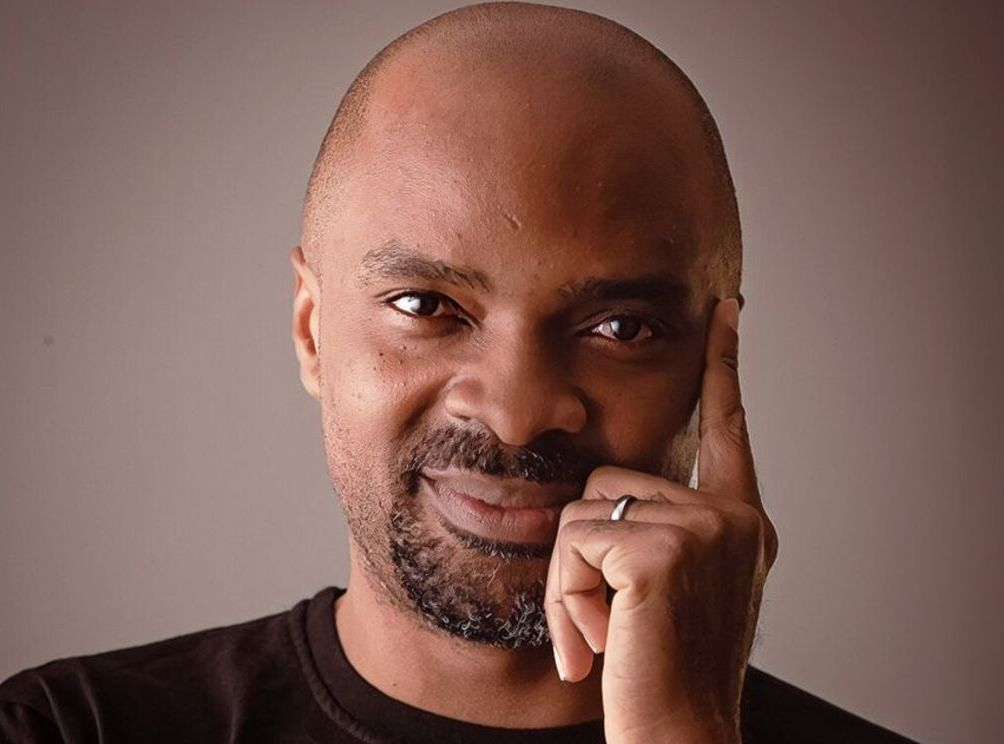
Translating that to screen without losing the psychological texture is not a small task. Oriahi's previous work suggests he understands character-driven tension, but adapting a novel where almost every character is concealing something is a particular kind of pressure.
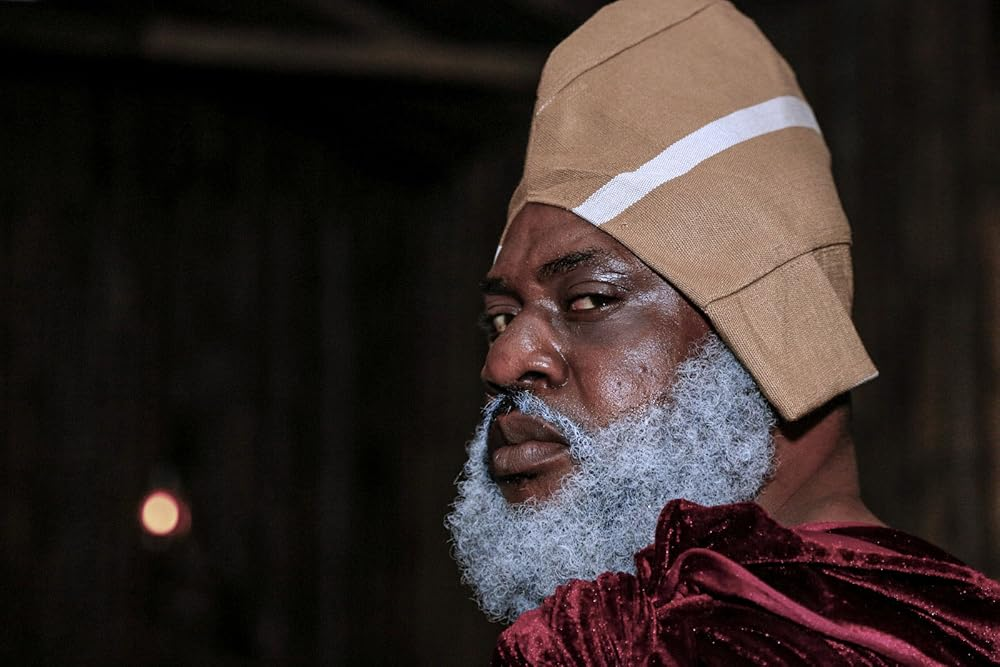
The cast, at least, gives reason for confidence. Odunlade Adekola’s versatility would surely bring Baba Segi’s character to life.

And with Iyabo Ojo, Mercy Aigbe, and Bimbo Ademoye occupying the same screen as rival wives, the dramatic potential alone is enough to justify the cinema ticket.
Why This Story Still Hits
The Secret Lives of Baba Segi's Wives was published fifteen years ago and it has not aged. The conversations it holds, about fertility as currency, about the performance of masculinity, about what women owe men who own them, are the same conversations happening right now in comments sections, voice notes, and therapy sessions across this continent.
December cannot come fast enough.