Meet Pafo, the Nigerian Tree Bark Soup That the Internet Has Never Heard Of
Pafo is a Nigerian soup made from dried tree bark, cloves, and aidan fruit — a centuries-old dish popular in Oba Akoko that reveals how much indigenous African food knowledge still exists completely outside the internet.

There is a soup that does not exist on the internet.
You will not find it on a food blog. You will not find a recipe video, a TikTok, or a single photograph.
Type the name into Google and you will get results for everything except the thing you are looking for. It has no Wikipedia page. No food critic has reviewed it. No influencer has plated it for content.
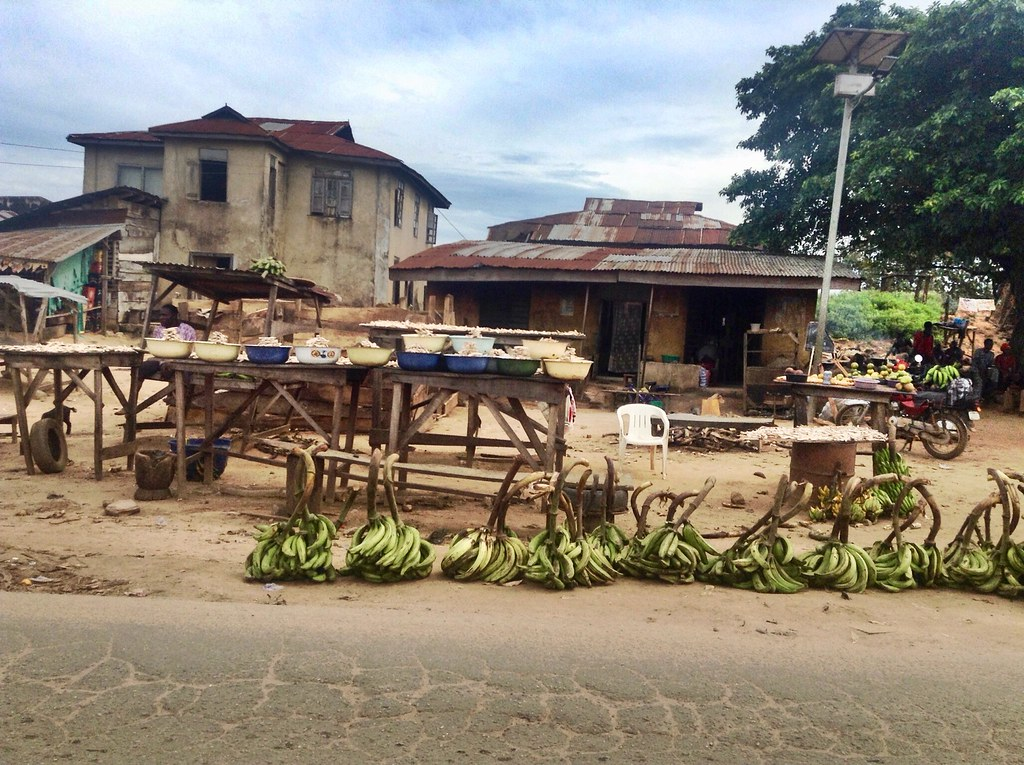
Its name is Pafo, and it has been eaten in Oba Akoko, a town in northern Ondo State, for longer than anyone can trace.
What is Pafo?
Pafo is a soup made from tree bark. The bark which is most commonly gotten from a local tree called otonta, a mango tree or any tree of your choice, is dried, then pounded or ground into a fine powder.
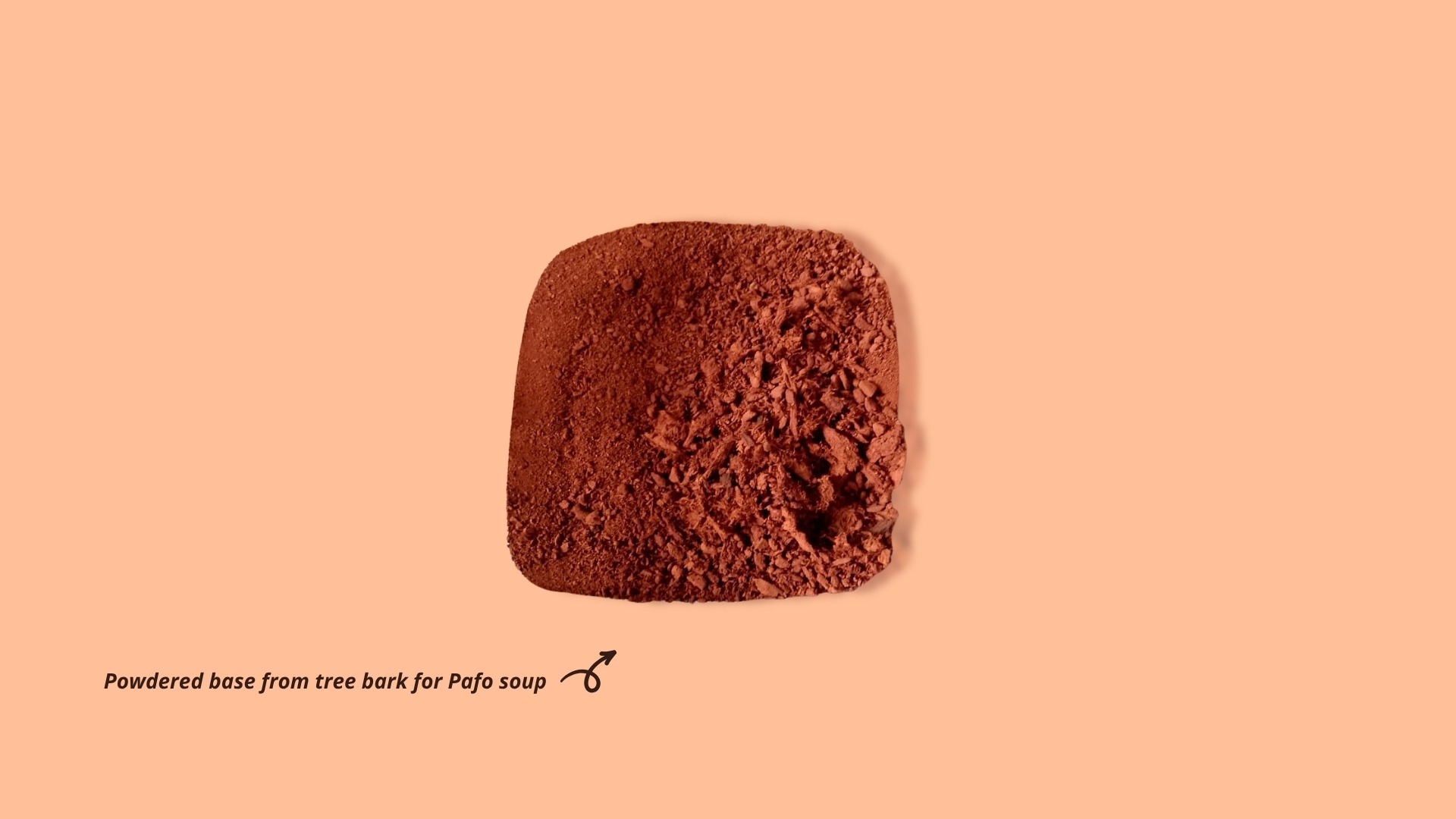
That powder becomes the base of a full Nigerian soup, cooked the way any soup is cooked.
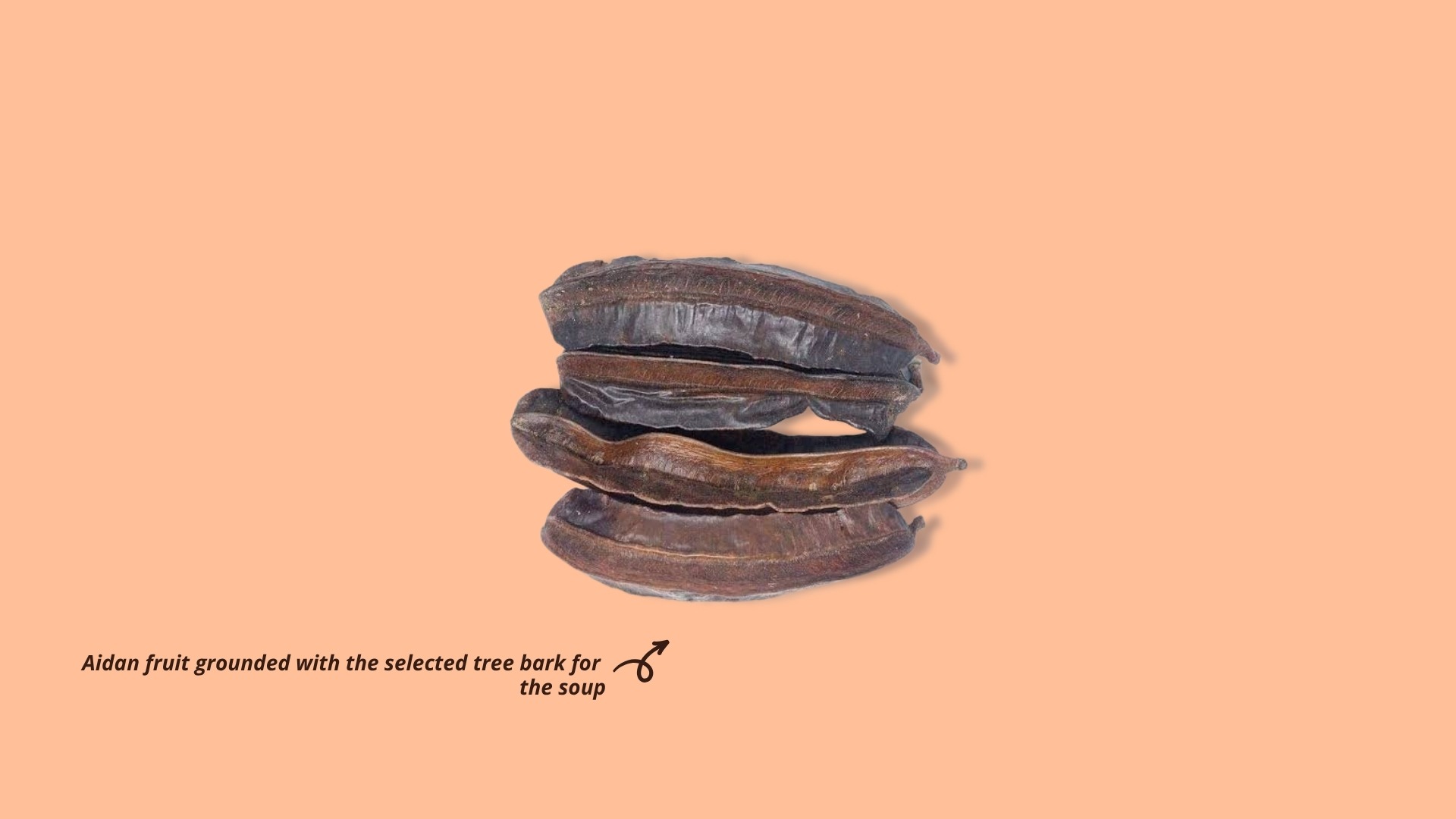
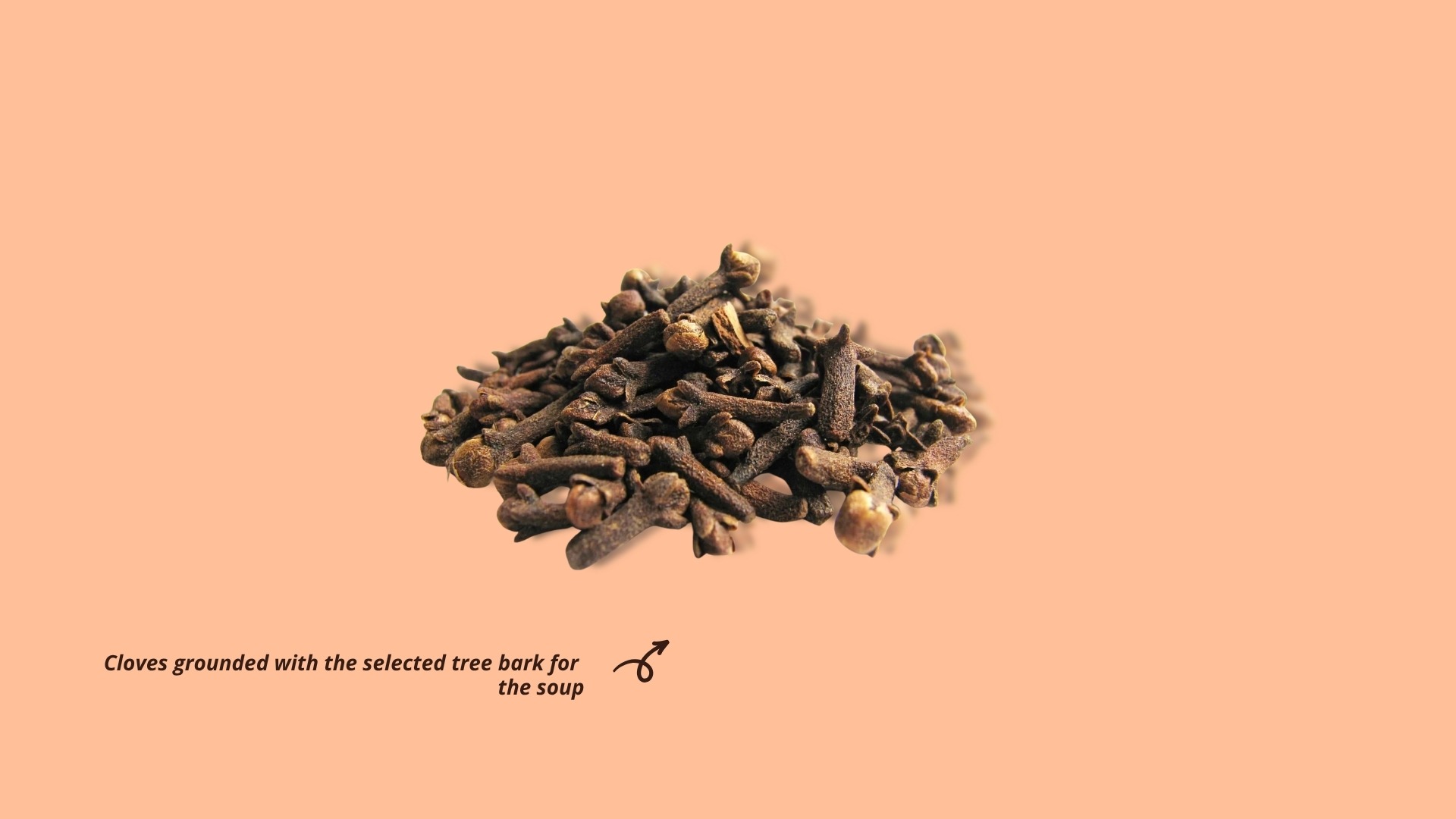
Blended with it are cloves, dried clove flowers, and dried aidan fruit, that deep brown, aromatic pod known elsewhere in Nigeria as aridan and in Ghana as prekese.
The result is thick, dark chocolate-brown, earthy, and without any bitterness. You eat it with any swallow of your choice.
There is nothing ceremonial about it. It is not festival food. It is not prepared only by elders in ritual conditions. It is just soup. The kind your mum makes on a Saturday for the weekly food prep.
The Medicine Question
Other communities, including some Ekiti communities, who share a cultural and geographic boundary with the Akoko people, use the same preparation primarily for its medicinal benefits. And the science, it turns out, does not disagree with them.
Look at the ingredients individually and the picture becomes clear. The bark of the mango tree has been used in traditional African medicine to treat diarrhoea and other gastrointestinal issues.
Research goes further; mango bark is known in Africa and India for its digestive, immune and purifying properties.
Then there is the aidan fruit. Aidan fruit is used as a spice in West African soups and stews and in traditional medicine for treating diabetes, inflammation, hypertension and malaria.
Cloves, for their part, have long been documented for their antimicrobial and anti-inflammatory properties across both traditional and modern medicine.
Every single ingredient in this soup is doing something. The people of Oba Akoko were not reading scientific journals. They were just eating their soup and they were right.
This is the thing about indigenous African food knowledge that tends to get flattened in the conversation about "superfoods" and "ancient remedies".
Communities across this continent have been making precise, effective use of their environments for centuries. The difference is that some of that knowledge gets written down and some of it does not. Pafo did not get written down until now.
Between Food and Medicine
What makes Pafo genuinely unusual is not that it has medicinal properties — many Nigerian soups do.
What is unusual is how casually it occupies that space. For the people of Oba Akoko, the medicinal effect is not the point. The soup is the point.

The fact that it is also good for you is almost incidental; the way your grandmother insists you eat pepper soup when you have a cold is not a medical consultation — it is just what you do.
There is an entire philosophy in that casualness. The separation of food and medicine is largely a Western framework. In many African food traditions, the line was never drawn that sharply.
You ate what was available, what tasted good, and what kept you well, and frequently, those were the same thing.
Pafo is a small example of that philosophy. Tree bark and cloves and aidan, dried and ground and cooked into something thick and dark and grounding.
Why this matters
Nigeria has hundreds of ethnic groups. The Akoko alone comprises dozens of towns and communities in northern Ondo State.
Each of those communities has food traditions that have never been documented, recipes that exist only in oral tradition and muscle memory, ingredients that do not travel and therefore do not trend.
Pafo is one of them. There are certainly hundreds more.
The question worth sitting with is not just "isn't this interesting" — it is what happens to these foods when the grandmothers who make them are gone and the grandchildren are in Lagos.
What happens to knowledge that was never written down? What disappears quietly, without announcement, simply because nobody thought to name it?