Africa’s Dark Files: How Carlos Cardoso Was Assassinated for Exposing Mozambique's Biggest Bank Fraud
Carlos Cardoso was Mozambique's most prominent investigative journalist. In 2000, he was assassinated for exposing a $14 million bank fraud. This is what the courts found and what they never resolved.
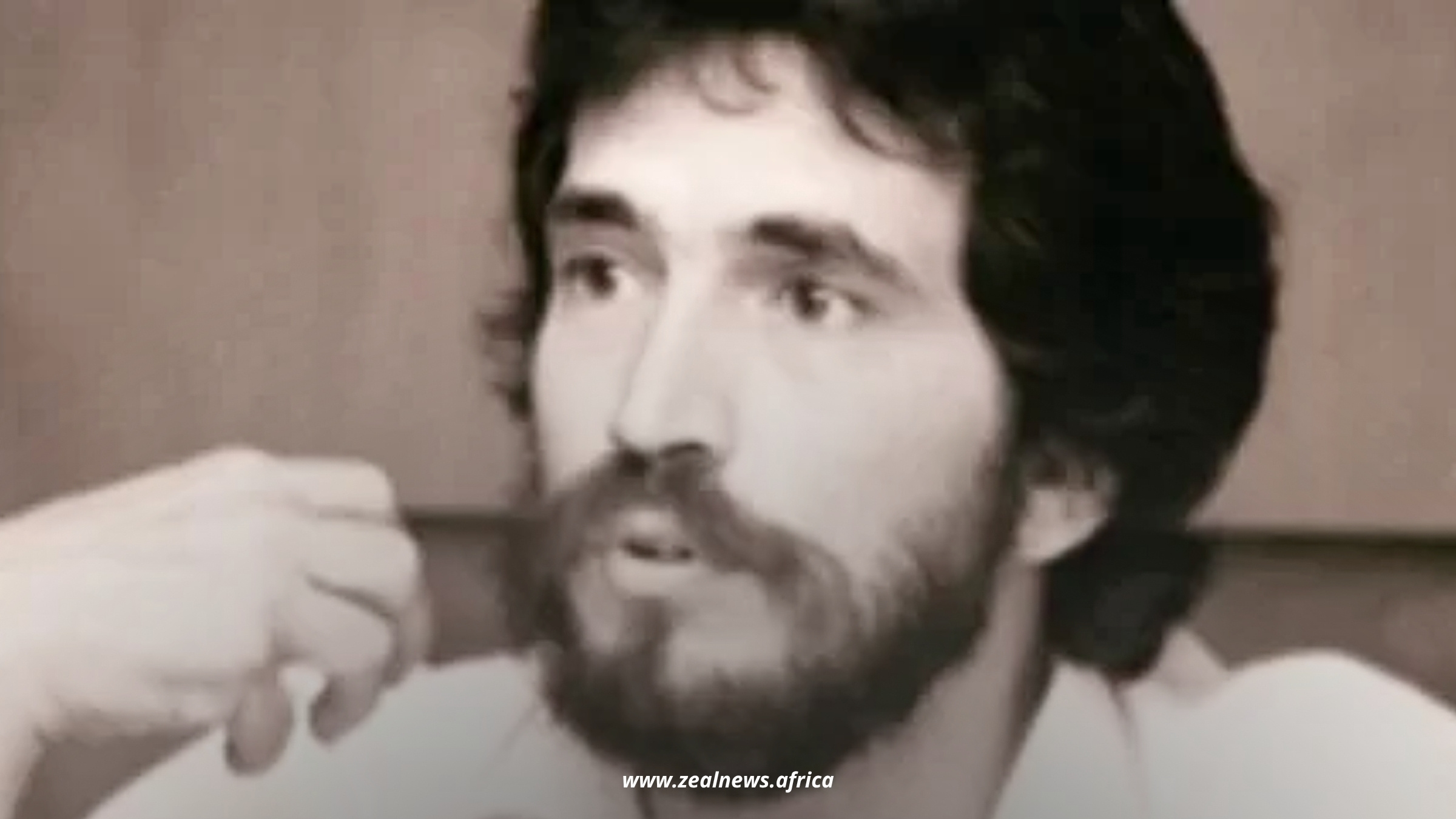
On the evening of November 22, 2000, Carlos Cardoso left the Maputo newsroom of his investigative fax newsletter, Metical, fifteen minutes after speaking with BBC reporters. He climbed into his Toyota and headed home. He never arrived.
On the Avenue of the Martyrs, Avenida dos Mártires da Machava, two cars got him cornered and gunmen fired ten shots. Cardoso was hit in the head and died instantly. His driver, Carlos Manjate, was left severely wounded in the wreckage.
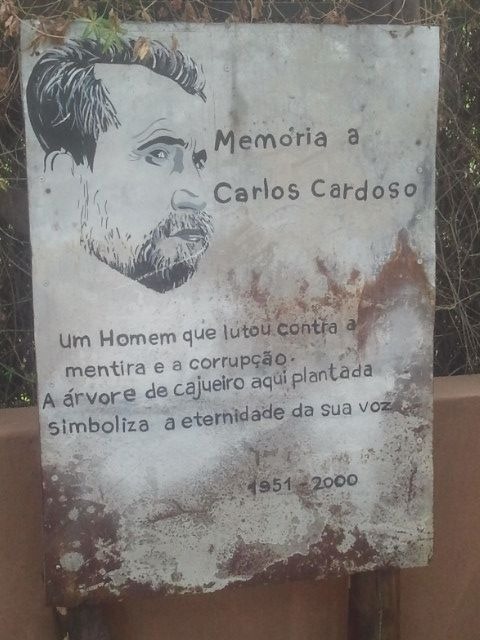
He was 49 years old. He was Mozambique's most prominent investigative journalist, and he had been getting dangerously close to the truth about where $14 million had disappeared from the country's largest state-owned bank.
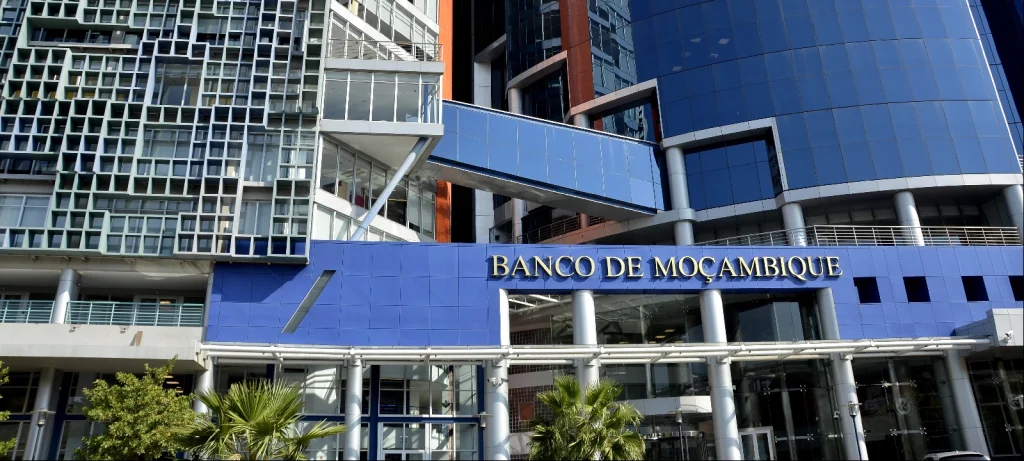
BCM Bank Fraud: The $14 Million That Vanished Before Privatisation
To understand why Cardoso was killed, you have to follow the money all the way back to 1996, when the Banco Comercial de Moçambique (BCM), Mozambique's biggest state-owned bank, was on the verge of itsprivatisation.
In the months before the handover, an estimated $14 million was systematically drained from the institution through fraudulent cheques.
Financial fraud documents submitted to the courts later showed that the money was allegedly deposited into accounts opened in the names of the Abdul Satar brothers, Momade and Ayob. They are local businessmen with deep ties to Maputo's criminal underworld.
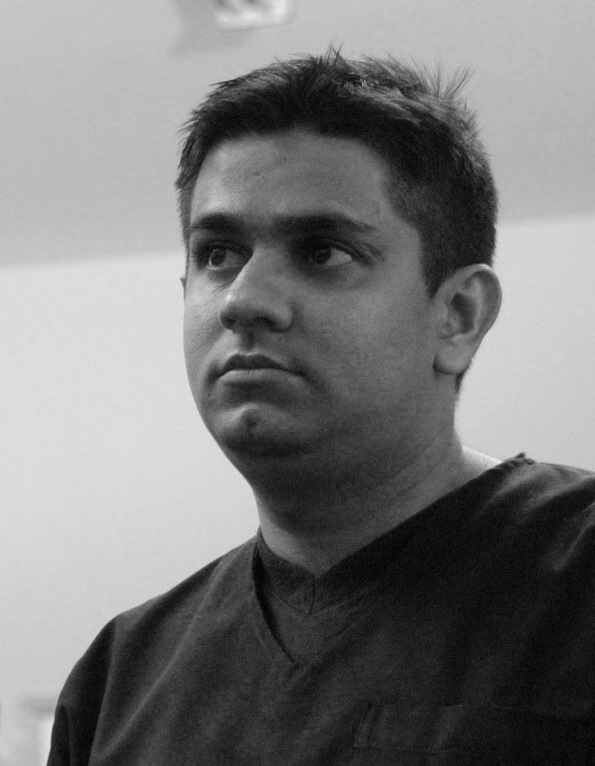
Vicente Ramaya, a branch manager at BCM in Maputo, was identified as the inside man who facilitated the transactions. The fraud, later described by prosecutors as the largest financial scandal in Mozambique's post-independence history, drained an institution that millions of citizens had trusted with their savings.
Cardoso, through Metical, published the names of the suspects and pursued the story relentlessly. Even after an assassination attempt was made on António Albano Silva, the BCM lawyer investigating the missing millions, he never stopped.
By late 2000, he had also begun connecting the BCM scandal to a broader pattern of government corruption, publishing articles that suggested drug money was being laundered through BCM and Banco Austral with official complicity.
The Contract Kill: How the Assassination of Carlos Cardoso Was Planned
Court proceedings spanning three years revealed exactly how he was murdered. According to the prosecution, plans to assassinate Cardoso were made during a series of meetings held in a Maputo hotel room beginning in July 2000, four months before the murder.
All six men eventually tried for the crime had allegedly attended one or more of those meetings.
In early October 2000, Aníbal António dos Santos Júnior, known by the street name Anibalzinho, and an associate named Carlito Rachid Cassamo began visiting the Metical offices daily, buying copies of the paper.
They were surveilling their target. On November 22, the ambush was executed with two stolen vehicles.
Trial judges later adopted the account that Anibalzinho drove the car that forced Cardoso's Toyota to the curb while Manuel Fernandes and Cassamo carried out the shooting.
The Trial That Shocked a Nation: Convictions, Escapes, and a President's Son
In a first for Mozambique, the murder trial was broadcast live from beginning to end.The trial began on November 18, 2002, and was held inside a large tent erected on the grounds of the maximum security prison, packed with Mozambicans from all walks of life.
On January 31, 2003, Judge Augusto Paulino delivered a four-hour judgement that sentenced six convicted men to prison terms ranging from 23 to 28 years.
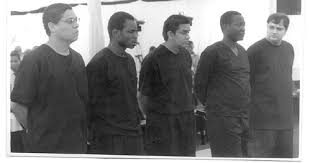
The Satar brothers and Ramaya were found guilty of ordering the assassination. Anibalzinho, tried in absentia after escaping pre-trial detention in September 2002, was sentenced to 28 years. His five co-defendants received between 23 and 24 years each.
The court also ordered the defendants to pay damages of 14 billion meticals, approximately $546,000, to Cardoso's family, along with 1.5 billion meticals to his injured driver.
The verdict was, however, just a small part of the story. During the trial, three of the accused had testified that Nyimpine Chissano, the eldest son of sitting President Joaquim Chissano, had ordered the assassination and paid approximately $40,000 for the hit.
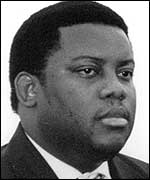

The allegation became a national scandal and Nyimpine Chissano, called as a witness, denied any involvement. A separate investigation, case number 149/PRC/2003, was formally launched in January 2003, but there were no public developments on this case.
Reporters Without Borders, after sending a representative to Maputo in late 2003, noted that the mere presence of the president's son's name had an observable chilling effect on investigators.
In May 2006, a local Maputo prosecutor formally filed a charge sheet accusing Nyimpine Chissano of joint moral authorship of the murder. The case was never concluded as Nyimpine Chissano died on November 19, 2007, aged 37, from an illness, before any trial could begin.
Evidence on Record: What the Courts Established in the Cardoso Murder Case
The evidence assembled over three years of proceedings was substantial. Ballistics confirmed the weapon used and the trajectory of the shots that killed Cardoso.
Financial fraud documents established the underlying motive which is the BCM embezzlement scheme, and linked the Satar brothers and Ramaya directly to the stolen funds.
Recorded communications and testimony from multiple witnesses corroborated the hotel meeting where the assassination was allegedly planned. Confessions and witness accounts, including those implicating Nyimpine Chissano, were entered into the record, though the key prosecution witness, Osvaldo Muianga, changed his testimony multiple times, which prosecutors attributed to fear of reprisals.
In June 2004, a separate BCM corruption trial resulted in the conviction of seven individuals for their roles in the bank fraud itself, including two who were already serving time for Cardoso's murder. The Supreme Court upheld all the original murder convictions on appeal in February 2007.
Anibalzinho's Three Escapes: The Case That Refused to Stay Closed
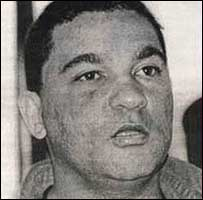
Anibalzinho's story became its own separate scandal. After his first escape from pre-trial detention in September 2002, he was convicted in absentia in January 2003.
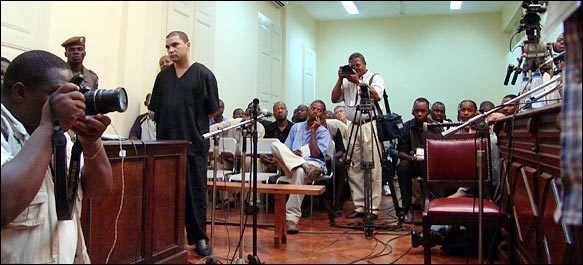
He was recaptured in South Africa and returned to Mozambique on January 31, 2003, the very day his sentence was delivered.
He escaped again in May 2004 and was arrested at Toronto's Pearson International Airport by Canadian immigration officials, where he had filed for asylum. He was extradited back to Mozambique in January 2005.
During a 2006 retrial ordered by the Supreme Court, his sentence was upheld at 30 years. He escaped a third time in December 2008. He was eventually released in 2025 after serving his full term.
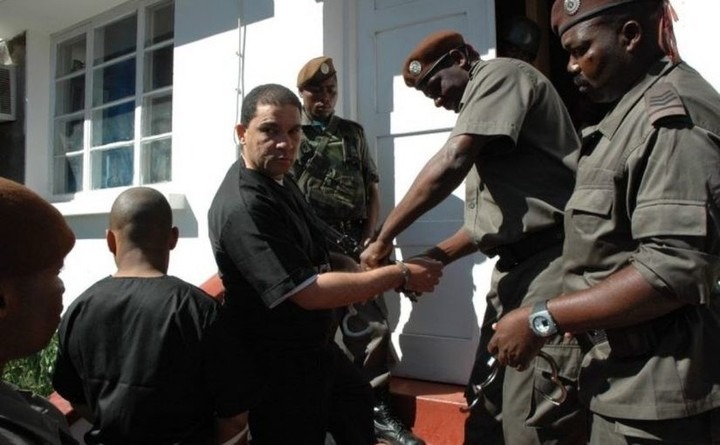
Each escape generated fresh suspicion that Anibalzinho was being moved by powerful hands, those who did not want him talking. Local newspapers reported that officials had visited him the day before one escape and ignored a hole in the corridor wall used by the fugitives.
No one was ever charged for facilitating the breakouts.
Press Freedom in Africa: Why the Cardoso Case Still Matters
Carlos Cardoso was not the only person killed for getting close to Mozambique's banking crisis. António Siba-Siba Macuácua, a senior central bank auditor assigned to oversee Banco Austral, another institution ensnared in the same web of corruption, was murdered on August 11, 2001, less than a year after Cardoso.
Investigators estimate that more than $400 million went missing from the Mozambican banking system across the 1990s.
The Committee to Protect Journalists and Reporters Without Borders documented the case extensively, noting that it tested the independence of Mozambique's judiciary under conditions of extreme political pressure.
It also noted that the courts ultimately convicted six men and the trial was held at all, and broadcast live which is considered a landmark moment in African press freedom history.
Something, however, remained unresolved. The highest-profile suspect, the president's own son, died without trial.
The convicts' compensation to Cardoso's family was never paid. And November 22 became a day of reckoning for Mozambican journalists, a date that forces the question the Cardoso family's lawyer raised in 2003 and that the country still cannot fully answer: who, exactly, was truly behind the order to silence him?