Is Nigeria Ready to Regulate AI Before AI Starts Regulating Nigerians?
Nigeria wants to build an AI future, but regulation must catch up before automated systems begin shaping jobs, loans, public services and citizens’ rights.
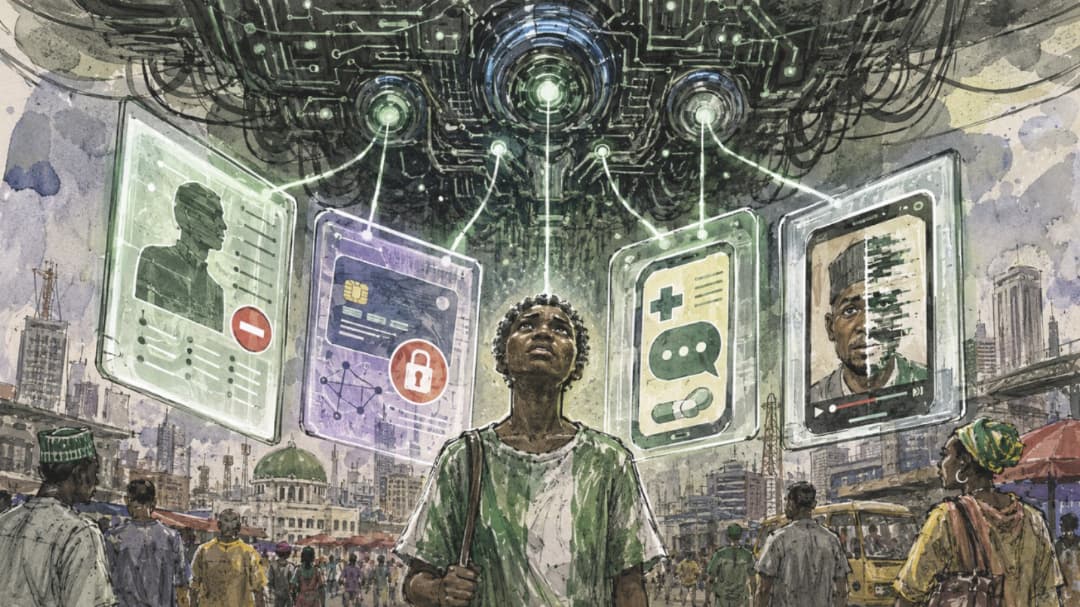
You apply for a job and never hear back. Was your CV rejected by a person, or filtered out by software?
Your bank blocks a transaction. Was it fraud protection, or an automated mistake?
You see a political video online. Is it real, edited, or AI-generated?
Artificial intelligence is already entering Nigerian life through phones, schools, banks, hospitals, businesses, media platforms and government systems. That makes the debate bigger than innovation. It is now about power, accountability and protection.
AI Is Becoming an Everyday Gatekeeper

Most Nigerians will not meet AI as a robot. They will meet it as a screened form, a flagged transaction, a chatbot response, a recommendation, or a video that looks real but is not.
AI can help businesses move faster, support learning, improve customer service, detect fraud, assist doctors and make public services more efficient. But it can also make mistakes, repeat bias, misuse personal data or influence people without their knowledge.
AI regulation sounds distant until an algorithm quietly decides whether you are shortlisted, flagged, approved, rejected or ignored.
Strategy Is Not Protection
Nigeria is not starting from zero. Its National Artificial Intelligence Strategy sets a 2025–2029 vision for ethical and inclusive AI innovation, with goals linked to economic growth, social development and technological leadership.
That ambition matters. Nigeria needs local talent, research, startups and solutions. But a strategy is not the same as protection.
A strategy says where a country wants to go. Regulation says what companies, institutions and government agencies can do, what they must disclose, who they must protect, and what happens when something goes wrong.
Nigeria already has a useful foundation in the Nigeria Data Protection Act, 2023, which recognises automated decision-making and gives legal attention to how personal data is processed. But AI governance must go beyond privacy. It must also deal with fairness, explainability, human review and harm.
The Nigerian Data Problem
One of Nigeria’s biggest AI risks is also easy to overlook: many systems are not built with enough Nigerian reality inside them.
A model trained mostly on foreign or incomplete data may struggle with Nigerian names, accents, languages, informal work patterns, addresses, cultural context and financial behaviour.
Research from theUnited Nations University shows that because more data is gathered in Europe than in Africa, despite Africa's larger population, AI algorithms routinely perform worse for African users.
That gap affect customer service, fraud detection, hiring tools, health platforms, translation systems and public services.
This is not just technical. It is about fairness.
If AI does not understand Nigeria, it may still be used to judge Nigerians.

Responsible AI cannot simply mean importing tools and hoping they work. It must include local data, local testing, local languages, public oversight and clear routes for complaint.
What Good AI Rules Should Cover
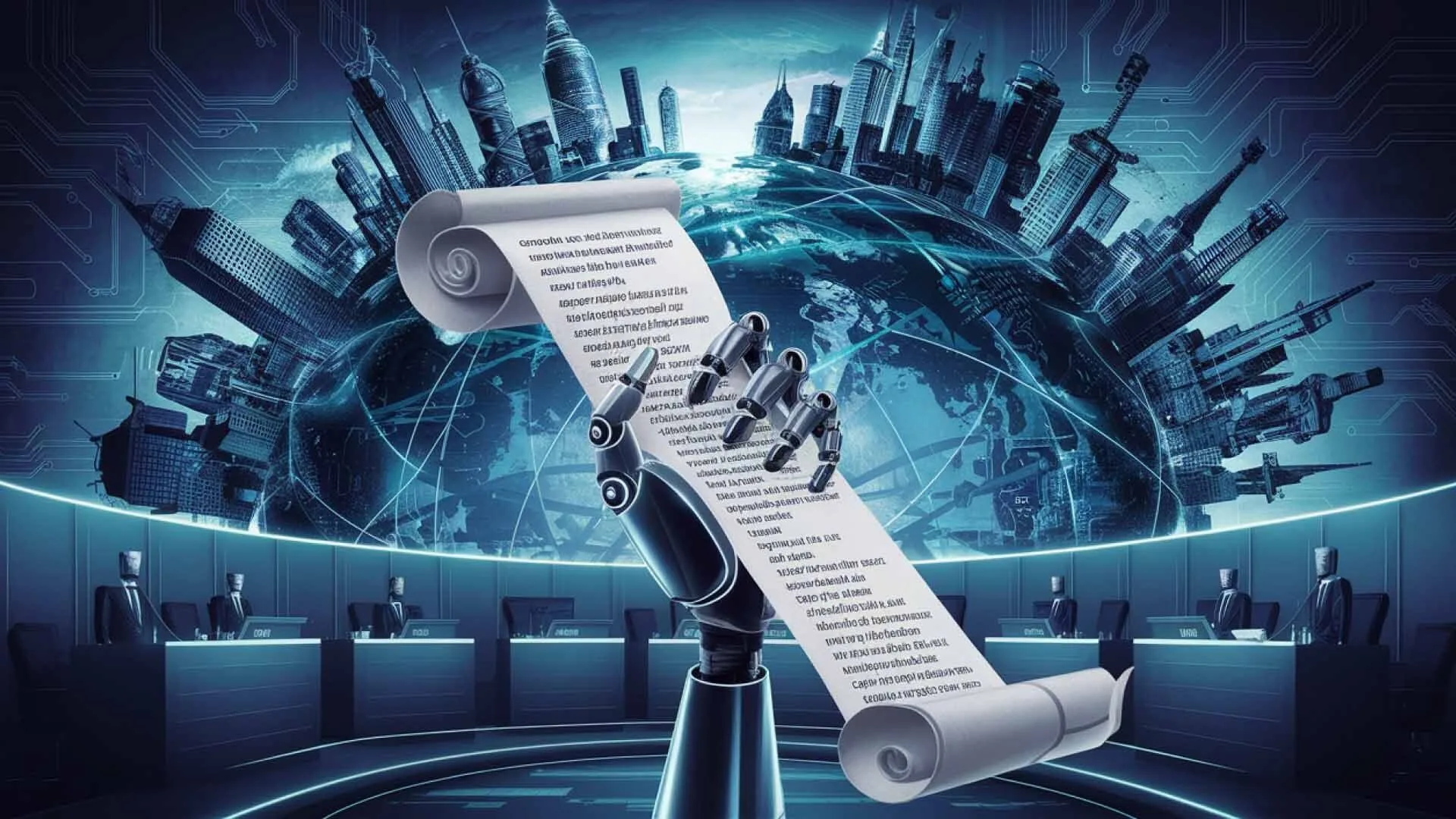
Nigeria does not need regulation that only sounds impressive in policy documents. It needs rules people can use when AI affects their lives.
The first rule should be disclosure. If automated systems are used in major decisions, people should know. A job applicant should be told if software helped screen their CV. A bank customer should know when automation is central to a fraud flag, loan decision or account restriction.
The second rule should be human review. In high-impact areas such as jobs, credit, healthcare, education and public services, people should not be trapped by an automated outcome with no one to appeal to.
The third is testing. Before banks, hospitals, schools, employers or government agencies deploy high-risk AI systems, those tools should be assessed for bias, accuracy, safety and local relevance. After deployment, they should be audited when complaints or harms emerge.
The fourth is responsibility. “The system did it” should not become an excuse. If a company or public agency uses AI to make or support decisions, it should remain answerable for the outcome.
This does not necessarily require one giant AI super-agency immediately. Nigeria could begin with coordinated sector rules: NDPC on data rights, NITDA on technology standards, CBN on financial AI, and relevant regulators for health, education, elections and telecoms.
The point is simple: AI rules should make automated decisions visible, explainable and challengeable.
Regulate Power, Not Progress
None of this will be easy. Regulators will need technical expertise, funding and enforcement power. Agencies will have to coordinate instead of working in silos. Startups need rules that are clear enough to follow but not so heavy that they kill innovation. Global technology platforms may resist local accountability.
Nigeria should not treat AI like something to fear. AI can improve public services, support small businesses, expand education, strengthen research and create new industries.
But innovation without accountability can become another form of power people cannot see or challenge.
The goal should not be to slow AI down. It should be to make sure power does not move faster than protection.
Nigeria’s AI future will not be judged only by how many tools people use or how many startups emerge. It will be judged by whether citizens remain protected when machines begin to influence decisions about their lives.
The future of AI in Nigeria should not be decided only by those who build the systems, but also by the people who may one day have to live with their decisions.