Zimbabwe's VP Drops Bombshell! Chiwenga Warns Mnangagwa: 'Don't Repeat Mugabe's 2017 Downfall!'
Zimbabwean Vice-President Constantino Chiwenga has expressed significant concerns about ZANU PF's direction, warning against power concentration and questioning if the party is reverting to pre-2017 conditions. His remarks, made at the party's annual conference, emphasized internal democracy and the party's ownership by its members. These statements hold particular weight given Chiwenga's pivotal role in the 2017 events that led to Robert Mugabe's resignation.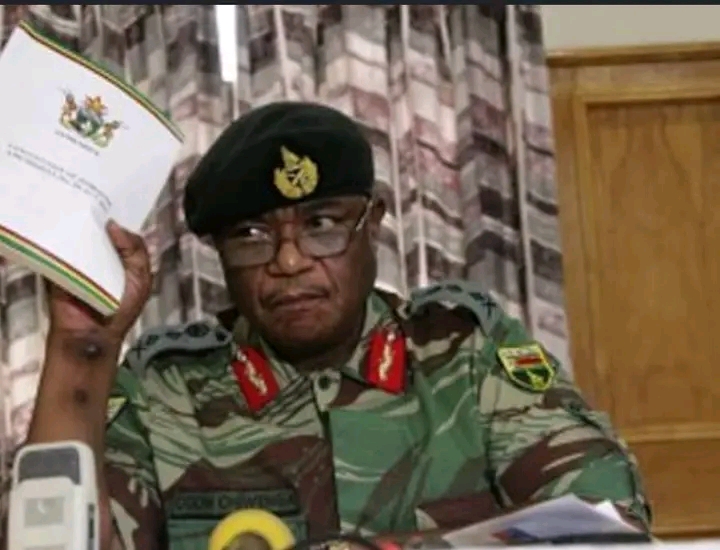
Zimbabwean Vice-President General Constantino Chiwenga recently voiced significant concerns regarding the trajectory of ZANU PF, the nation's ruling party. Speaking at the 23rd Annual National People’s Conference in Chinhoyi, Chiwenga cautioned against the growing concentration of power within a small group, emphatically stating that the party's true ownership lies with its members and the broader populace. His remarks critically questioned whether ZANU PF was reverting to the very conditions that precipitated the dramatic political upheaval of November 2017, an event that culminated in the resignation of long-time leader Robert Mugabe.
Chiwenga's address placed a strong emphasis on the imperative of internal democracy within the party, scrutinizing the extent to which ordinary members truly influence party decisions and if these decisions genuinely reflect the collective will of the people. This questioning of the party's democratic health and the potential for a return to past power dynamics has drawn considerable attention, particularly given the historical context.
The November 2017 events saw Zimbabwe's military intervene amidst a profound political crisis, ultimately leading to Mugabe's departure and the ascension of Emmerson Mnangagwa to the presidency. General Chiwenga, then a senior military commander, was a pivotal figure in these historic developments. The weight of his current comments stems directly from this background; Mnangagwa is now president, and Chiwenga serves as his deputy, making his comparison to 2017 especially poignant. While his statements have certainly sparked debate, they should not be automatically interpreted as a direct challenge or threat to Mnangagwa's leadership. Instead, the core message appears to be a stark warning about the dangers of unchecked party control, a powerful reminder of the lessons learned from the political turmoil of 2017. The fundamental question that now arises is whether Chiwenga's pointed remarks signal underlying disagreements and factional tensions within ZANU PF, or if they are primarily a call for the party to genuinely enhance internal democracy and become more responsive to the voices of its membership.