Ethiopia and Eritrea: Is the Horn of Africa on the Verge of Another War?
Ethiopia and Eritrea face escalating tensions amid renewed Tigray fighting, disputed troop incursions and competing interests over Red Sea access. Is war inevitable?
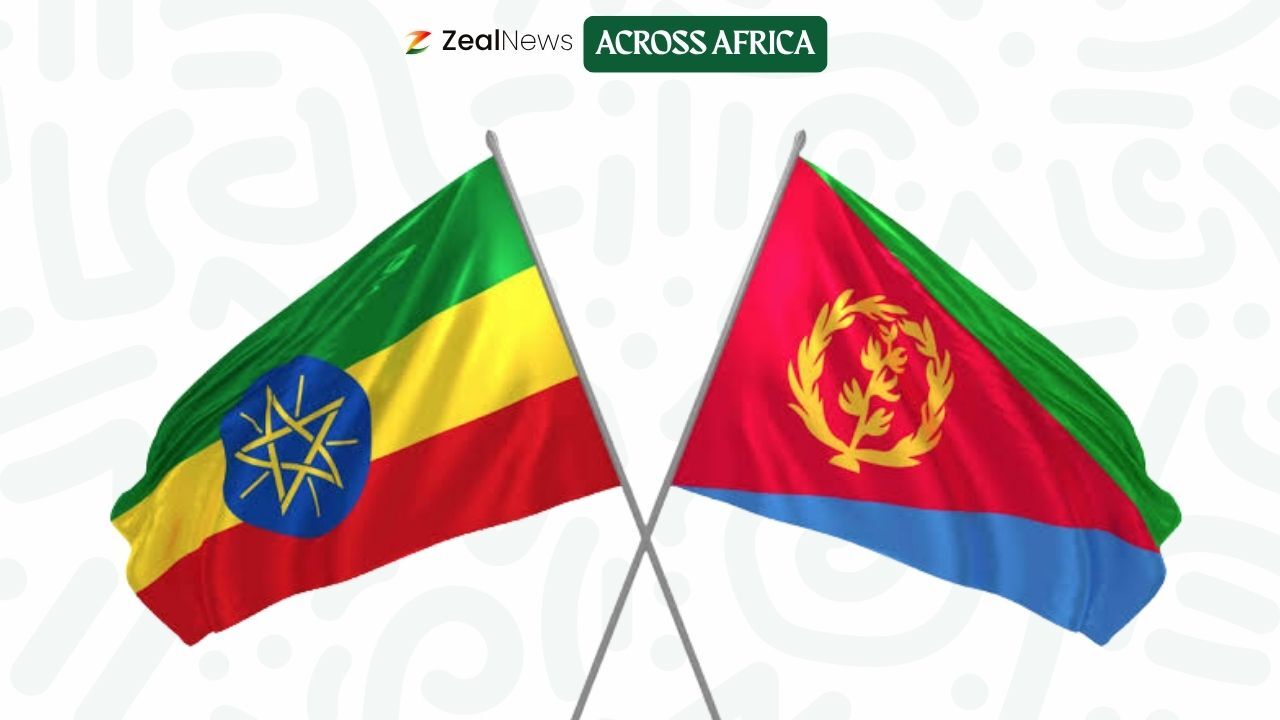
On October 15, reports emerged that Ethiopian federal forces and allied fighters had advanced towards towns near the Eritrean border, raising fears that fighting inside Ethiopia could spill into a confrontation between the two neighbours.
Some accounts came from pro-government militia sources, so the precise military picture remains difficult to independently establish. But with both governments accusing each other of aggression, the concern is no longer just about troop movements; it is about how quickly a domestic conflict can become a regional one.
Is another war approaching, or is this a dangerous standoff that diplomacy can still contain? Reuters and conflict monitors have reported advances towards Zalambessa, while the wider situation remains fluid.
How Two Former Allies Reached This Point
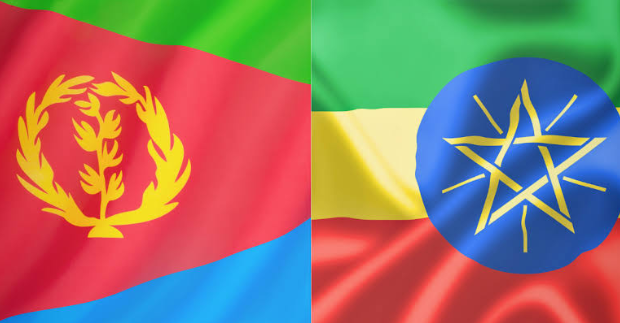
Ethiopia and Eritrea have a history that makes today’s tensions particularly troubling. Eritrea became independent in 1993, leaving Ethiopia landlocked, and the countries fought a devastating border war from 1998 to 2000.
Relations improved with a 2018 peace agreement, but the partnership fractured again during and after Ethiopia’s 2020–2022 Tigray war. Eritrean forces fought alongside Ethiopia’s federal government against the Tigray People’s Liberation Front (TPLF), but the 2022 Pretoria agreement that ended major fighting did not include Eritrea as a signatory. Renewed clashes in Tigray have now brought those old divisions back to the surface.
The immediate trigger is the renewed fighting between Ethiopia’s federal forces and Tigrayan fighters. Addis Ababa accuses Eritrea of sending troops across the border and supporting insurgents; Eritrea denies the incursion allegations and says Ethiopia is using them to justify aggression. Both governments have taken their accusations to the United Nations Security Council.
Ethiopia has invoked its right to self-defence, while Eritrea has called for international action against Ethiopia. Reuters reported that the alleged troop movements could not be independently verified, underscoring how difficult it is to separate confirmed developments from claims made by parties to the conflict.
There is another issue beneath the immediate fighting: Ethiopia’s ambition to regain access to the Red Sea. Since Eritrea’s independence, Ethiopia has depended on access through neighbouring countries for maritime trade. Prime Minister Abiy Ahmed’s government has described sea access as a strategic necessity, while Eritrean officials view statements about securing sovereign access as a threat.
That does not prove Ethiopia intends to seize Eritrean territory, but it gives the military standoff a significance beyond the current battlefield. A dispute over border security is now entangled with ports, sovereignty, and regional influence.
Is There an External Play, and Could This Become a Wider War?
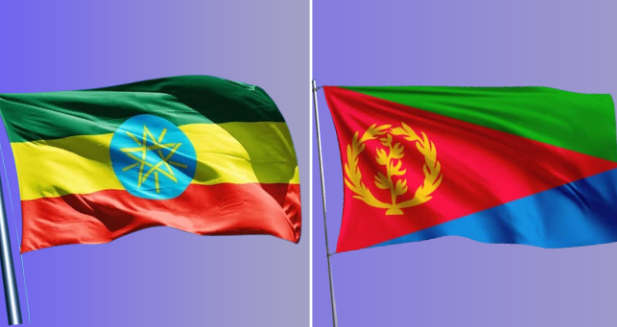
The Red Sea’s importance means outside powers have interests in the region, but there is no publicly verified evidence that a foreign power is directing the current confrontation. The United States has entered the diplomatic picture: Secretary of State Marco Rubio urged de-escalation in a call with Abiy Ahmed and appealed for dialogue under the 2018 peace agreement.
The UN Security Council has also been drawn into the dispute. Gulf states and other regional actors operate within a wider competition for influence around Red Sea shipping routes, but that context should not be mistaken for proof that they are engineering this particular crisis.
So, is Africa on the verge of seeing another war? A direct Ethiopia–Eritrea conflict is a credible risk, not a foregone conclusion. Troops approaching the border, reciprocal accusations and competing claims of self-defence leave room for a miscalculation that neither government can easily reverse.
The consequences would extend beyond the two countries, adding pressure to an already unstable Horn of Africa and exposing civilians to renewed displacement, hunger and disrupted healthcare. The question now is whether leaders will treat the border as a line to defend or a flashpoint to defuse.