Low Self-Esteem Should Be Declared a Public Emergency
Low self-esteem is often carried quietly, yet its effects touch daily decisions, relationships, and personal confidence. This commentary examines why it deserves urgent attention rather than silence.

I remember the exact morning I realised something was wrong with the way I saw myself. It wasn’t dramatic; no shattered mirror, no tear-soaked breakdown. I simply looked at my reflection and felt an ache I couldn’t name, a quiet conviction that I was unworthy of even my own kindness. It followed me into conversations, lingered behind my smile, and softened my voice into something barely audible. That was the first day I questioned why I accepted such a small, shrinking version of myself and why so many people walk around carrying the same silent burden.
The Weight People Learn to Carry
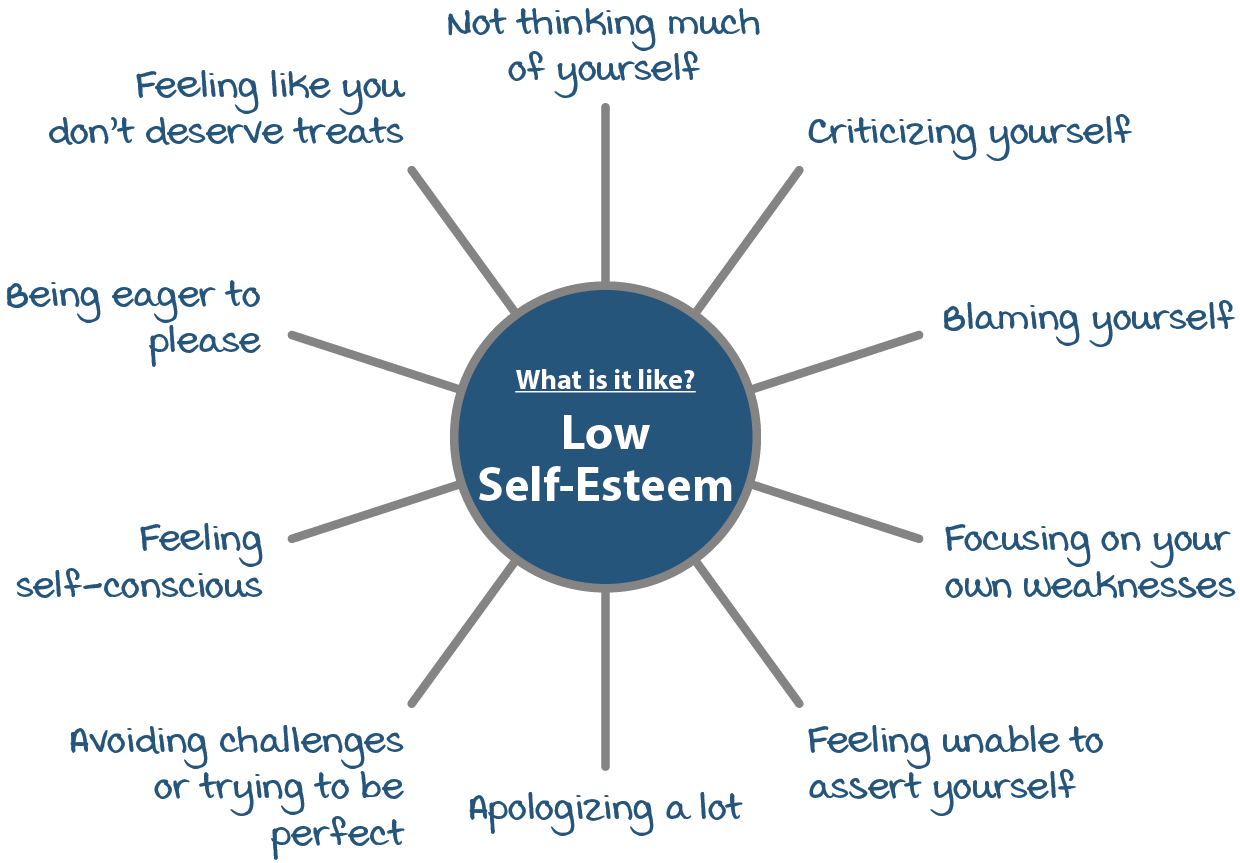
Low self-esteem rarely announces itself loudly; it slips in quietly, shaped by moments people often forget but never escape. Some grow up with constant criticism. Others experience long phases of invisibility, where their efforts were unnoticed or dismissed. Research on self-worth shows how repeated dismissal in childhood or adolescence deeply influences later confidence, especially when negative feedback becomes a pattern rather than an isolated moment.Every adult who carries low self-esteem has their own version of this story, a collection of quiet moments that taught them they were never enough. What makes the problem dangerous is how subtly these beliefs become permanent.
In many cases, low self-esteem creates behaviour that doesn’t look like suffering at first. It looks like someone hesitating to apply for a job. It looks like someone declining a compliment even when they desperately need to hear something good. It looks like a person hiding their opinions, not because they don’t have any, but because they assume everyone else’s voice deserves more space.
When health professionals outline the effects of persistent self-doubt, they often highlight how deeply it affects mental stability. The Healthline resource on low self-esteem symptoms and causes explains how chronic self-disapproval is closely tied to anxiety, depression, and emotional withdrawal:
The emotional toll becomes physical, too. People with low self-esteem may experience sleep disturbances, social exhaustion, and physiological stress responses that worsen over time. Low self-esteem isn’t just an emotional issue, it is a full-body experience that drains a person’s energy, clarity, and sense of direction.
Yet the world continues to treat it like a personal flaw instead of a wound. That misconception is part of the crisis.
The Problem Starts Damaging a Whole Society
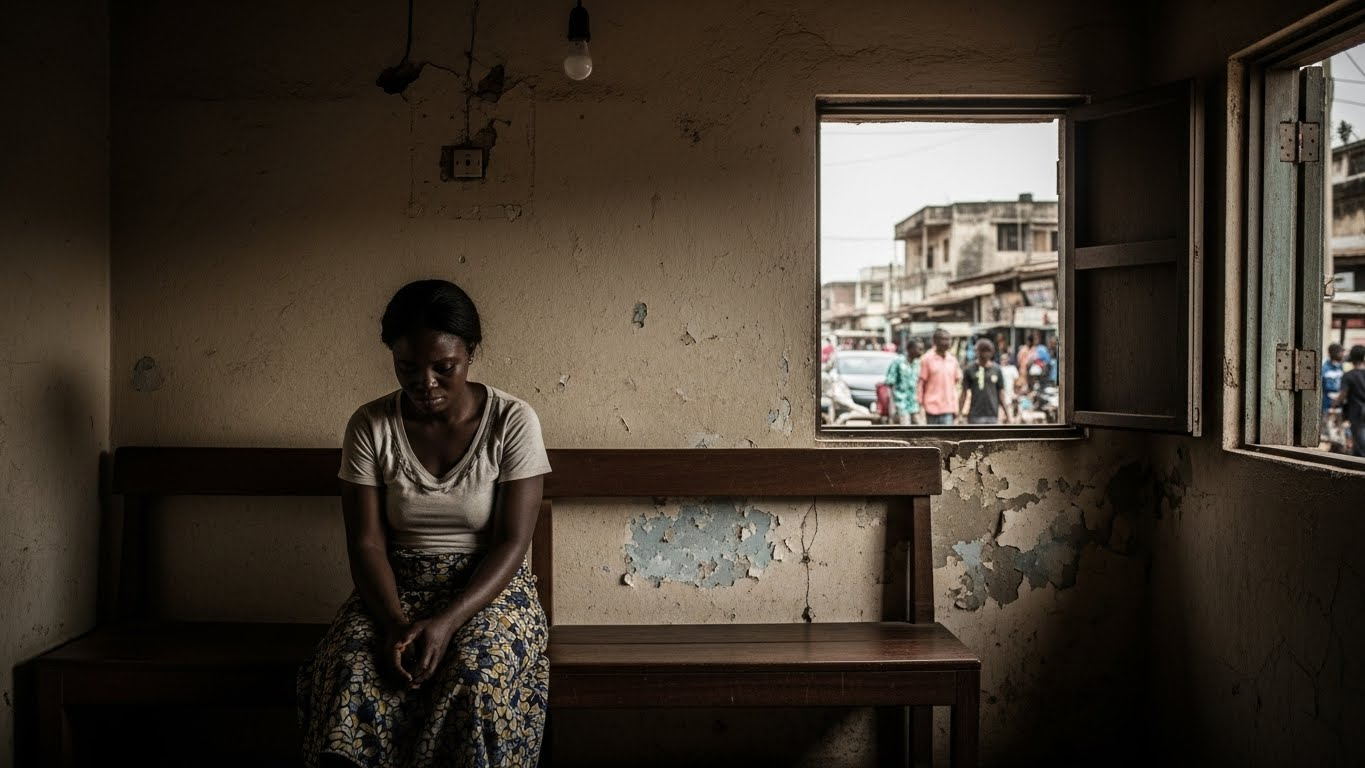
Low self-esteem is often talked about as an individual struggle, but its consequences spill far beyond personal boundaries. A society full of people who underestimate themselves becomes a society full of wasted talent. Creativity shrinks. Innovation slows. Leadership weakens. Whole industries lose voices that could have contributed brilliant ideas but never believed they were good enough to try. The cost is not just personal, it becomes national.
In classrooms, low self-esteem makes students hold back the questions they genuinely need answered. In workplaces, it convinces employees that they are replaceable, which leads to underperformance and silent resentment. In relationships, it creates emotional distance, because people who doubt their worth expect rejection even before it arrives. It quietly rewrites the way people relate to one another, often without anyone noticing when the damage began.
Even the most basic act, expressing a personal need becomes a struggle. The NHS reveals that people with low self-esteem often allow mistreatment, not because they accept it, but because they believe it is all they deserve. That belief, if left unchallenged, creates patterns where people stay in harmful environments far longer than they should.
These patterns don’t stay in private corners of a person’s life. They influence how safe communities feel, how confident young people grow, and how strong family structures remain across generations. When low self-esteem becomes normal, a society slowly gets used to silence from the people who most need to speak.
Social Insight
Navigate the Rhythms of African Communities
Bold Conversations. Real Impact. True Narratives.
Another overlooked consequence is how people seeking help often feel ashamed for even considering it. Many believe that therapy is a sign of failure or weakness, especially in cultures where emotional endurance is praised more than emotional healing. That shame keeps thousands from receiving the support that could change their lives.
This is why low self-esteem should be treated not just as a personal issue but as a public emergency, a silent epidemic that limits the strength of entire populations. If confidence can be nurtured, nations grow. If worth can be restored, people flourish.
Another essential part of healing is reducing comparison. Many people fall into self-doubt when they measure themselves against carefully curated versions of others. The truth is that comparison blinds people to their individual gifts, experiences, and abilities. Comparison is the fastest way to forget your own story.
And yes, professional help matters. A trained therapist can help identify distorted thought patterns that people cannot see on their own. Therapy is not a sign that someone is broken. It is a sign that someone has decided their life deserves better guidance and more clarity.
I Know What It Feels Like to Become My Own Enemy

I have lived inside that quiet struggle, the one that shrinks your voice and convinces you that your presence is something the world merely tolerates. I have spoken to myself in ways I wouldn’t speak to any human being. I have carried invisible battles that felt heavier than anything I ever lifted with my hands. But I learned something that changed everything: self-esteem does not rise because life becomes easier; it rises because you stop treating yourself like an intruder in your own life.
I still have days when doubt whispers, but I no longer let it guide me. I remind myself that worth is not earned, it is recognised. And now, when I stand in front of the mirror, I don’t wait for the reflection to speak first. I speak boldly, clearly, without apology: You are enough. And you deserve to take up space.