Nutrition and Athletic Performance in Elite Sports
Nutrition is a key factor in elite sports, fueling performance, supporting recovery, maintaining body composition, and boosting mental focus. Learn how athletes use nutrition to reach peak performance.

Physical training and skill are a part of the story in elite sports.
Nutrition plays an equally important role in helping athletes perform at their best, recover faster, and stay healthy. The food and drinks athletes consume are carefully planned to meet the demands of their sport, maintain energy, and support long-term performance.
Nutrition is no longer just about eating healthy but it is a strategic tool for success.
Fueling Performance
Athletes push their bodies harder than most people can imagine.
Every training session and competition requires energy, and the right nutrition provides the fuel needed to meet these demands.
Carbohydrates are the main energy source for endurance sports like running, swimming, and cycling. They help athletes maintain stamina and delay fatigue.
Proteins are vital for building and repairing muscles, which is especially important for strength-based sports such as football, weightlifting, and wrestling.
Fats provide long-lasting energy for moderate-intensity activities.
Timing also matters. Eating the right foods before training or competition can improve performance, while the wrong foods can cause sluggishness or stomach problems.
Elite athletes often follow meal plans designed by nutritionists, ensuring they get the right balance of nutrients at the right time.
Supporting Recovery

Training and competition put significant stress on muscles, joints, and the immune system. Without proper nutrition, recovery can be slow, increasing the risk of injury and fatigue.
Protein intake after exercise helps repair and rebuild muscles. Hydration and electrolytes replace minerals lost through sweat, preventing dehydration and cramping.
Antioxidants from fruits and vegetables reduce inflammation and muscle soreness.
Recovery nutrition is especially important for athletes who train multiple times a day or compete in tournaments with back-to-back matches.
The faster the body recovers, the sooner athletes can train again at full intensity and maintain peak performance.
Maintaining Weight and Body Composition

Many sports require athletes to maintain specific body weights or compositions for optimal performance.

Nutrition helps manage body fat, build lean muscle, and maintain strength.
For example, gymnasts, runners, and swimmers focus on lean muscle to improve speed and agility. Combat sport athletes, like wrestlers and boxers, carefully manage their weight to meet competition categories. Nutrition ensures that athletes stay strong, fit, and competitive without harming their health.
Personalized nutrition plans help athletes find the right balance between energy intake and physical performance.
Boosting Mental Focus and Energy
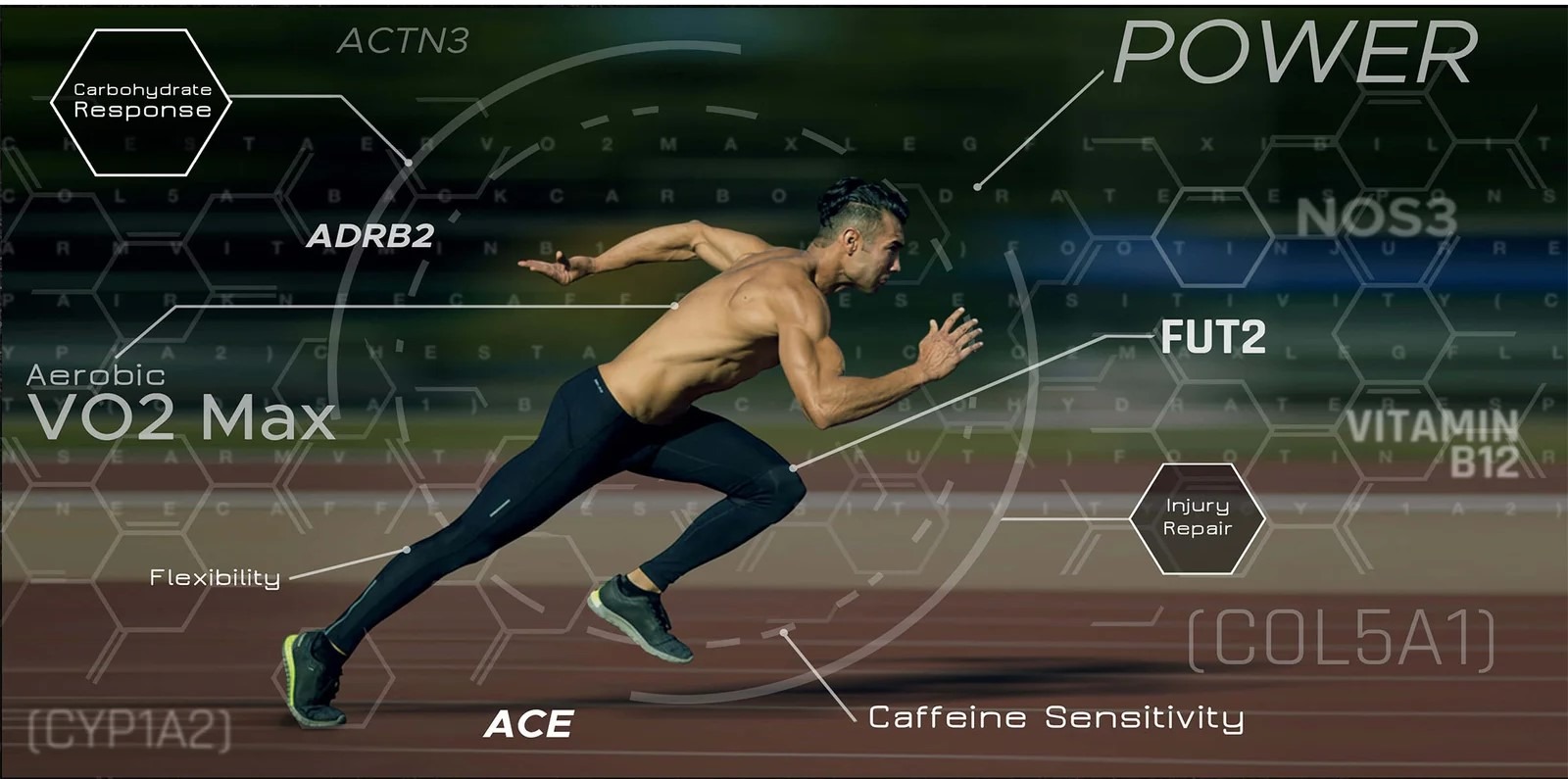
Nutrition affects more than the body, it also impacts the brain.
Blood sugar levels, hydration, and nutrient intake all influence concentration, reaction time, and decision-making.
Low blood sugar can cause fatigue, irritability, and difficulty focusing during training or competition. Proper hydration supports alertness and prevents mental fatigue, especially in hot or high-intensity environments.
Essential vitamins and minerals also support brain function, helping athletes stay sharp in critical moments.
Elite athletes should work closely with nutritionists to develop strategies that maintain both physical and mental energy. This ensures that they can make split-second decisions, react quickly to opponents, and perform consistently under pressure.
Conclusion
Nutrition is a critical part of elite sports. It fuels performance, aids recovery, maintains optimal body composition, and supports mental focus.
Athletes no longer rely solely on training, they carefully plan meals, hydration, and supplements to maximize their potential.