The Different Forms of Albinism and Why Skin, Hair and Eye Colours Vary
Albinism is not a single, uniform condition: the form a person has can affect their skin, hair and eye colour differently, and some rare related syndromes also bring additional health complications.
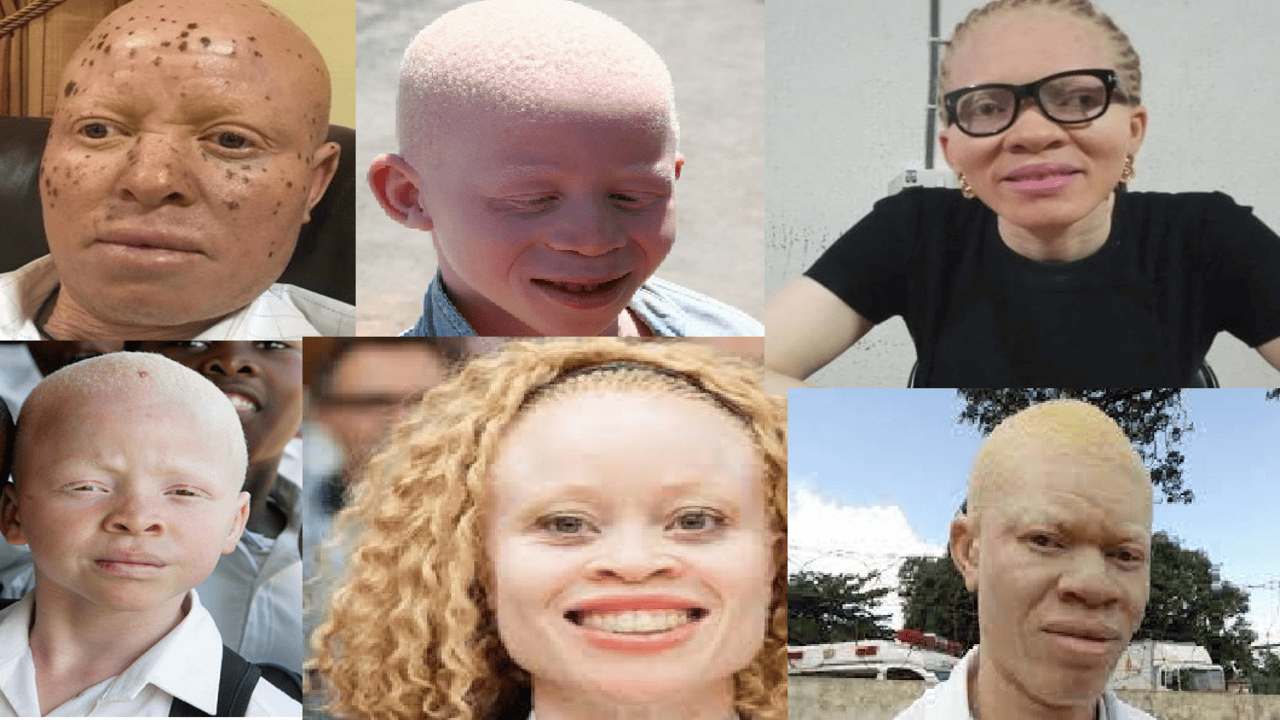
People with albinism do not all have the same skin, hair or eye colour.
Some have white hair and very pale skin, while others have blonde, brown or reddish hair and more pigmentation. Their vision can also be affected in different ways.
The differences are partly explained by how much melanin the body can produce and how it distributes the pigment. Melanin gives colour to the skin, hair and eyes, and its production is influenced by genes.
Some forms of albinism affect pigmentation across all three, while others mainly affect the eyes. This is why two people with albinism can look different, even though they share the same broad condition.
Here are the main forms of albinism, along with the rare related syndromes that can also affect pigmentation.
1. Oculocutaneous Albinism (OCA)
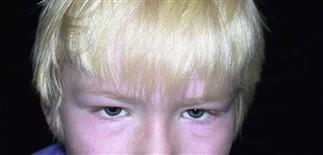
Oculocutaneous albinism (OCA) affects the skin, hair and eyes. It is the most widely recognised form of albinism and includesseveral genetic subtypes.
The amount of pigment produced varies by subtype and individual.
OCA1A: People typically have very little or no melanin production, resulting in white hair and very light skin.
OCA1B: Some melanin is produced, so hair may become darker over time, ranging from yellow or blonde to light brown.
OCA2: Pigmentation varies, but people may have light skin and hair ranging from blonde to brown. This form is found in African populations, among others.
OCA3: Often associated with reddish-brown skin, ginger or red hair, and hazel or brown eyes.
OCA4: Its features can resemble OCA2, with varying degrees of pigmentation.
Researchers have also identified OCA5, OCA6, OCA7 and OCA8, although these forms are less common or less extensively studied.
The differences between these subtypes are genetic, not simply visual and two people with the same subtype may not look exactly alike.
2. Ocular Albinism (OA)
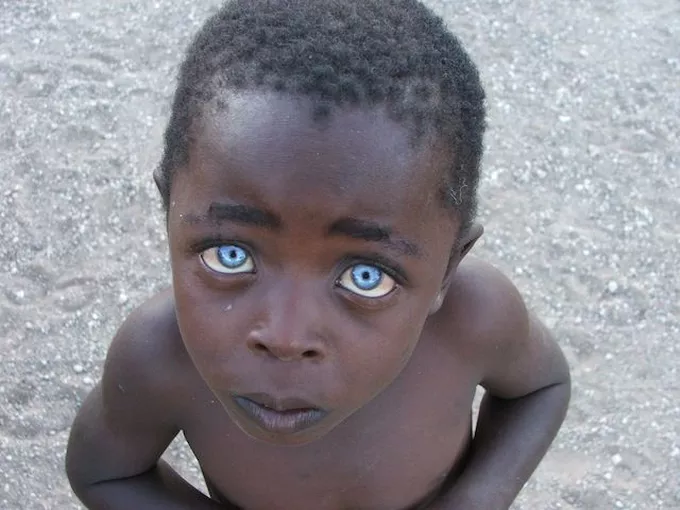
Unlike oculocutaneous albinism,ocular albinism primarily affects the eyes. The skin and hair may look similar to those of other family members, although slight differences in pigmentation can occur.
Reduced pigmentation in the iris and retina can affect vision. People may experience reduced visual sharpness, sensitivity to bright light, involuntary eye movements called nystagmus, or difficulties with depth perception.
Because the skin and hair may not appear significantly different, ocular albinism is not always obvious from someone's appearance.

The first two categories describe forms of albinism based on the parts of the body they affect. The next three are different, as they are rare inherited conditions that involve reduced pigmentation alongside other health problems.
3. Hermansky-Pudlak Syndrome
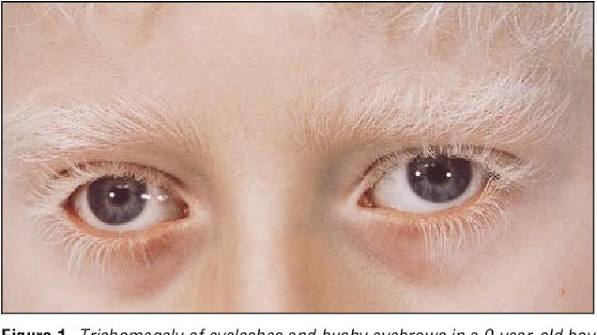
Hermansky-Pudlak syndrome is a rare inherited condition that includes oculocutaneous albinism. However, its effects go beyond pigmentation.
People with the syndrome may bruise easily or experience prolonged bleeding because their blood does not clot normally. Some types can also cause lung disease, intestinal inflammation or kidney problems.
It is therefore important to distinguish this syndrome from forms of albinism that mainly affect pigmentation and vision.
4. Chediak-Higashi Syndrome
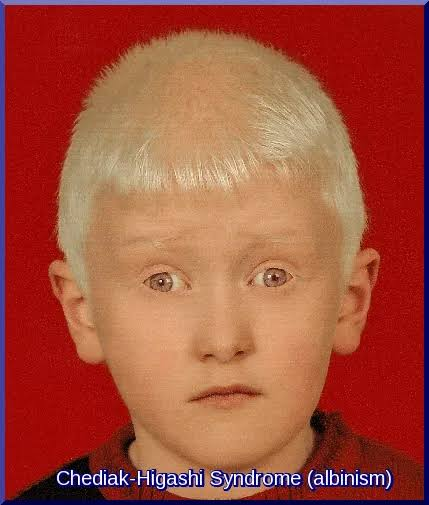
Chediak-Higashi syndrome is another rare inherited disorder associated with reduced pigmentation of the skin, hair and eyes.
Affected people may have unusually light hair, sometimes with a metallic sheen, alongside vision problems. The condition also affects the immune system, leaving people vulnerable to recurrent and potentially serious infections. Abnormal bleeding and neurological complications can also occur.
Unlike the more common forms of albinism, this syndrome can be life-threatening because of its effects on the immune system.
5. Griscelli Syndrome
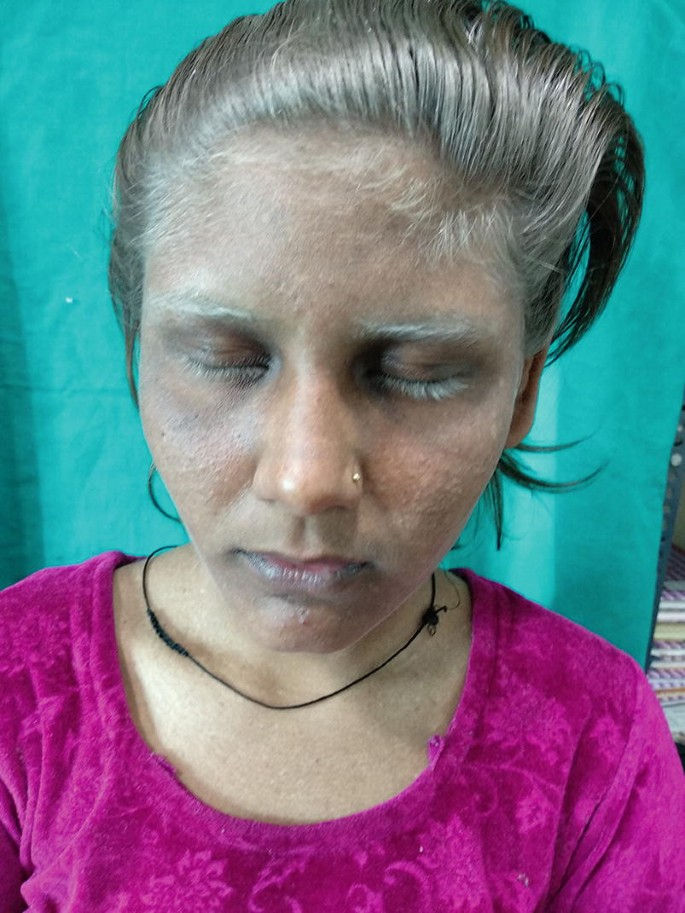
Griscelli syndrome is a rare genetic condition characterised by unusually light skin and silvery-grey hair. The hair's distinctive appearance results from abnormalities in how pigment is distributed.
There are three recognised types of Griscelli syndrome, and their effects differ. Some primarily involve neurological problems, while others can cause serious immune system abnormalities.
The condition is not simply a difference in hair or skin colour. Depending on the type, it can affect the brain, nervous system or the body's ability to fight infections.
What People with Albinism Need to Protect Their Health
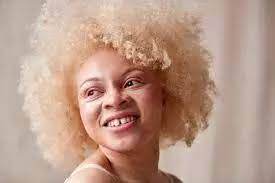
Although the different forms of albinism vary, two areas of care are particularly important: skin protection and eye care.
Melanin helps protect the skin against ultraviolet radiation. People with albinism have ahigher risk of sun damage and skin cancer, making shade, protective clothing, sunscreen and regular skin checks important.
Regular eye examinations can also help identify vision difficulties and determine whether corrective lenses or other support may help.
In Nigeria and other parts of Africa, where sunlight can be intense, access to sun protection and appropriate healthcare is especially important.