These 5 FG Projects Are Rolling Out in October. Can They Help Nigeria Reach a $1tn Economy?
Nigeria is targeting a $1tn economy by 2030. These five FG projects cover fibre infrastructure, rural connectivity, digital skills, national addressing and CNG expansion. But can they actually help close the gap?
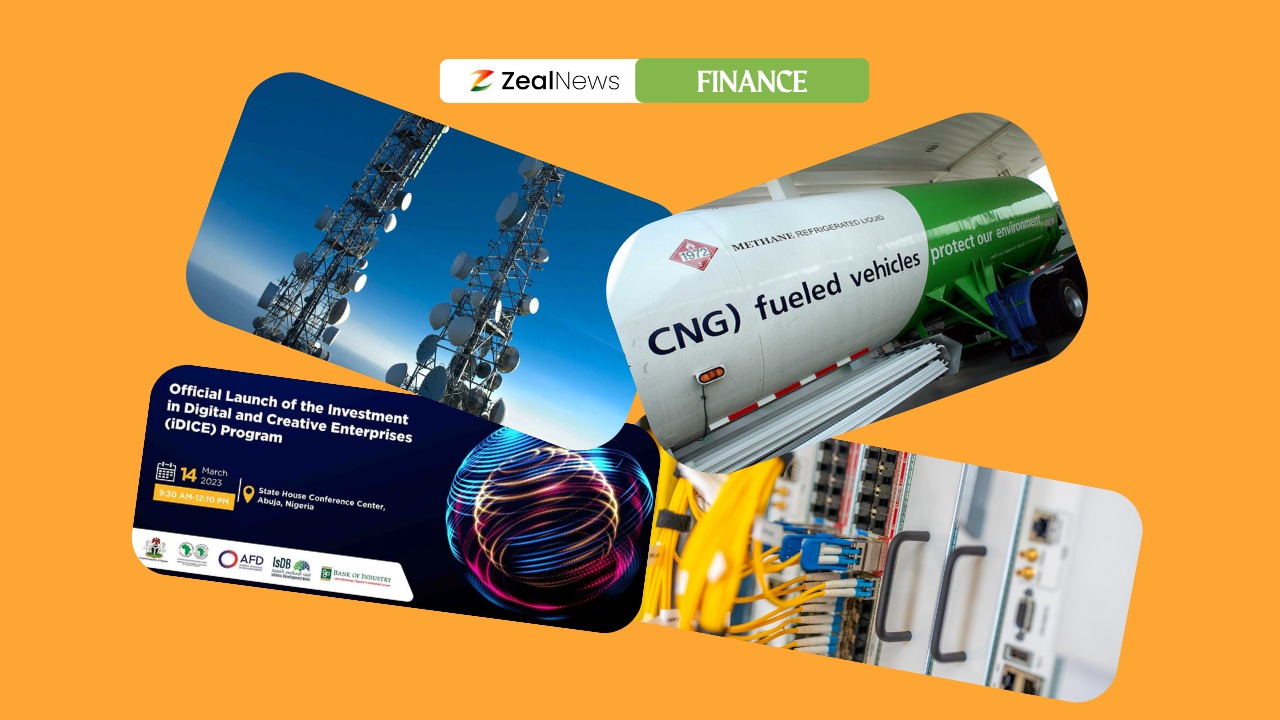
Nigeria has a big economic target: grow its economy to $1 trillion by 2030.
The Federal Government says Nigeria needs annual economic growth of about 10% to 12% to reach the target. Yet the economy grew by 4.44% year-on-year in the second quarter of 2026, according to the National Bureau of Statistics.
That leaves a sizeable gap between where Nigeria is today and where the government wants it to be.
Part of the strategy is to invest in infrastructure that can make it easier for Nigerians to work, start businesses, move goods, access services and participate in the digital economy.
Five projects taking shape from October are particularly important. They cover fibre-optic infrastructure, rural connectivity, digital addresses, youth skills and compressed natural gas.
None can turn Nigeria into a $1 trillion economy on its own. But together, they could address some of the infrastructure problems that make doing business in Nigeria unnecessarily difficult.
1. 90,000km of fibre could expand Nigeria’s digital economy
Nigeria cannot seriously talk about a bigger digital economy when reliable internet remains a daily battle for millions of people.
That is one of the problems Project BRIDGE, or Building Resilient Digital Infrastructure for Growth, is designed to tackle.
The Federal Government plans to deploy at least 90,000 kilometres of fibre-optic cable across Nigeria, expanding the national fibre backbone to about 120,000 kilometres.
The project is expected to cost around $2 billion and is being implemented through a public-private partnership. The African Development Bank has also approved $200 million in financing.
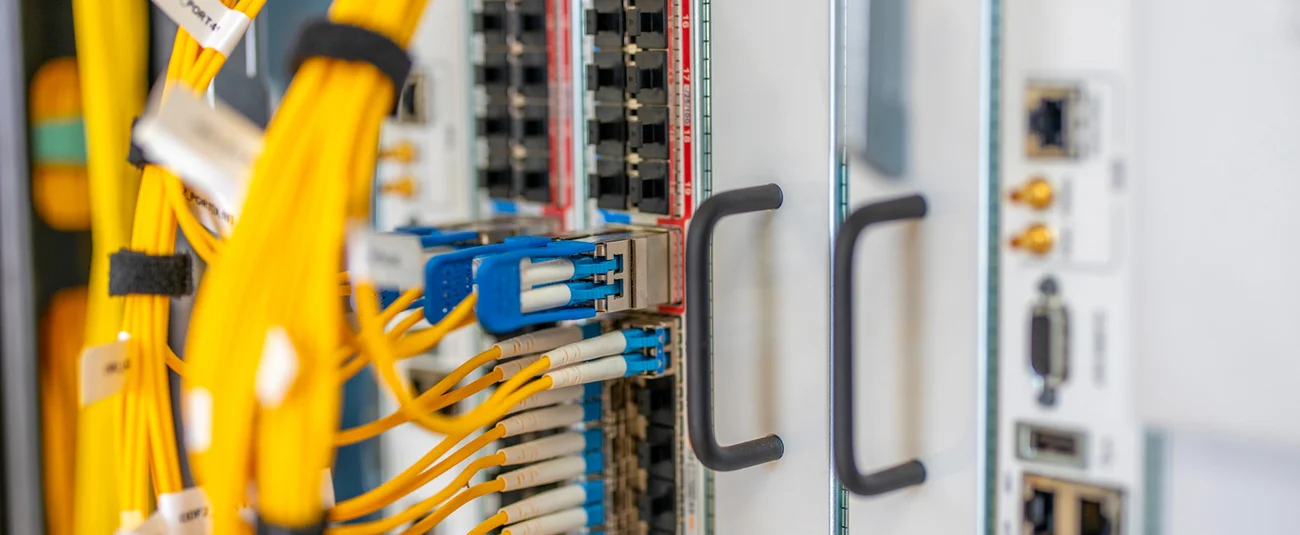
Remote workers need stable connections, while digital businesses need reliable infrastructure.
More fibre could support e-commerce, fintech, online education and remote work.
But laying fibre is only the first step. The infrastructure has to reach homes and businesses, remain functional and translate into affordable, reliable internet.
2. 3,700 telecom sites could connect underserved communities
Expanding the fibre backbone will not solve Nigeria’s connectivity problem if millions of people still live in communities with poor or nonexistent telecommunications services.
The Nigeria Universal Communication Access Project, or NUCAP, is intended to address that gap.
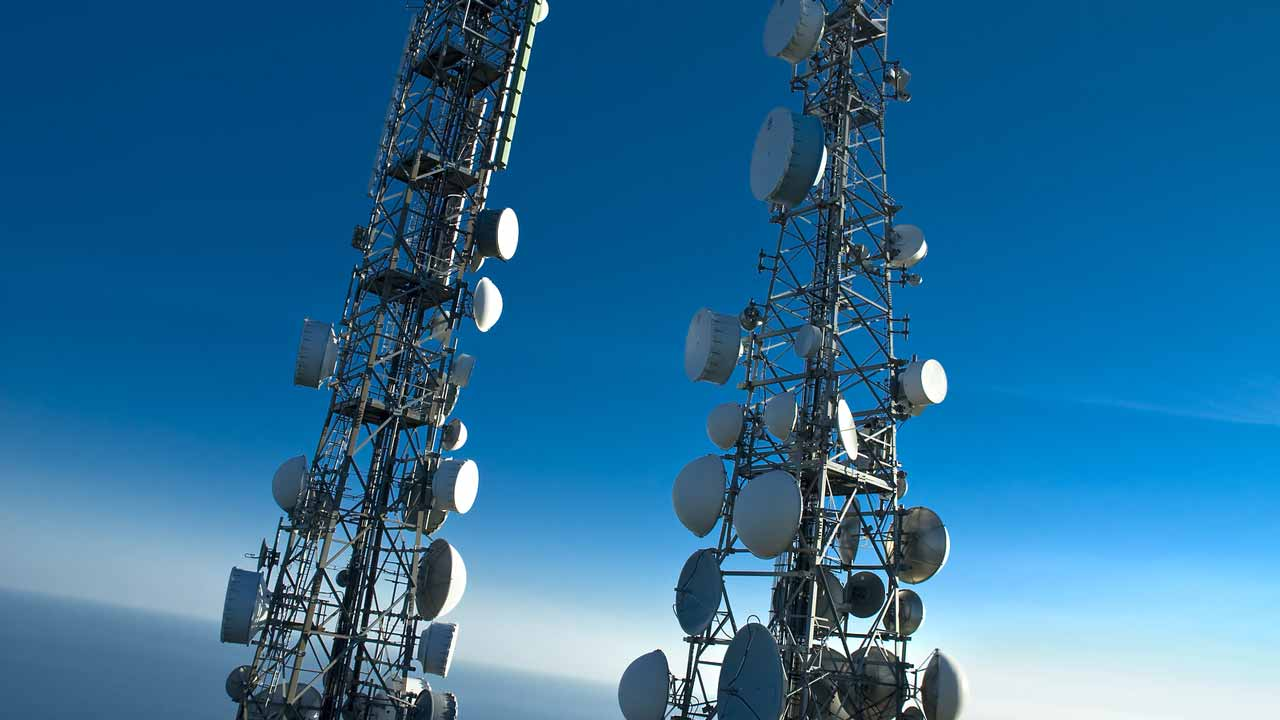
The project plans to deploy 3,700 communications sites across underserved and unserved communities, providing rural broadband, public Wi-Fi and digital learning.
The first phase is expected to begin in October, with further deployment continuing into 2027.
But access alone is not enough. Nigerians also need affordable data, devices, digital skills and opportunities to earn from being connected.
3. Nigeria’s digital postcode could make deliveries less chaotic
There is another infrastructure problem Nigerians understand very well: addresses.

Nigeria launched its National Digital Alphanumeric Postcode System on October 1, giving locations across the country unique 11-character digital postcodes.
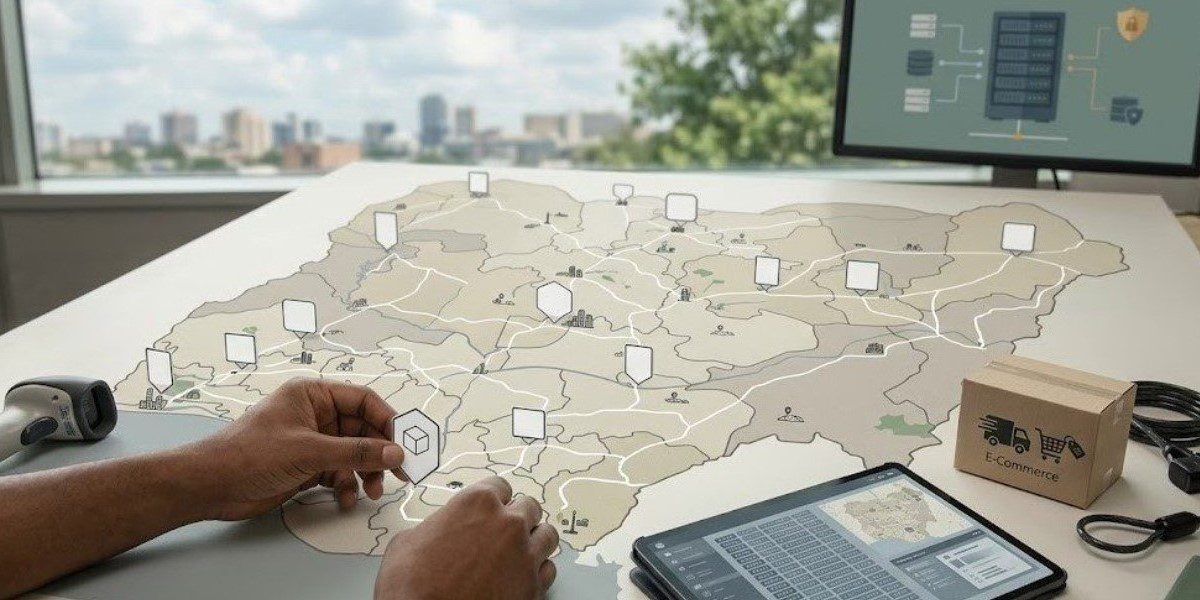
The system covers homes, businesses, farms, schools and other locations and is expected to improve how people and organisations identify places.
The Federal Government estimates that poor addressing contributes to failed and missed deliveries and costs the country between N50 billion and N80 billion annually.
A standardised digital addressing system could reduce some of those inefficiencies. For an e-commerce business, accurately identifying a customer’s location could mean fewer failed deliveries and lower logistics costs.
But the system will only be useful if Nigerians and businesses actually adopt it.
4. 300,000 young Nigerians are being targeted for digital and creative skills
Infrastructure can create opportunities, but people need the skills to take advantage of them.
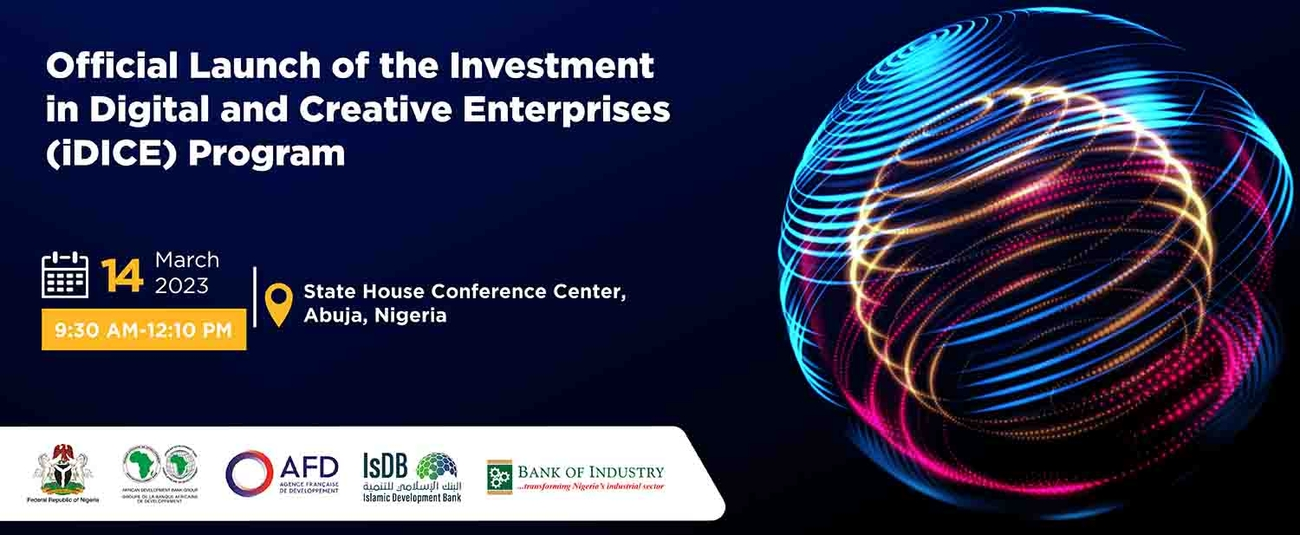
That is where the Investment in Digital and Creative Enterprises programme, known as iDICE, comes in.
One major component is a Skills-to-Jobs programme targeting 300,000 young Nigerians between 15 and 35.
The important part of that name is “jobs.”
Nigeria does not simply need more people completing digital courses and collecting certificates. It needs people who can turn those skills into employment, businesses and income.
The programme also has a financing component. The Bank of Industry has announced the DICE Fund of Funds, with a minimum target capitalisation of $170.6 million, to increase venture capital investment in Nigeria’s technology and creative sectors.
But the real test will be what happens after training. How many people get jobs? How many businesses survive? How much additional income is generated?
5. CNG expansion could reduce some business costs
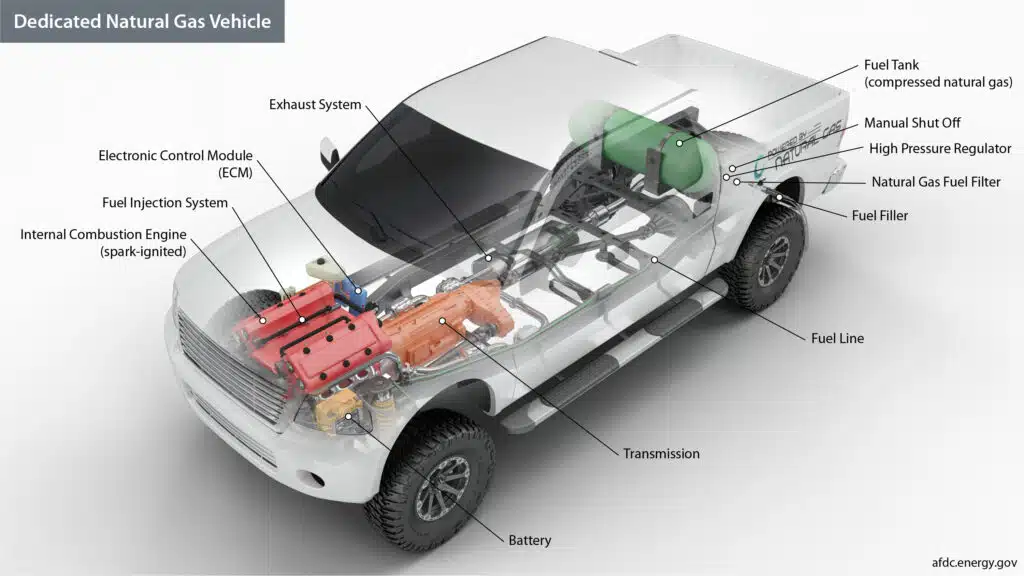
The Federal Government is expanding compressed natural gas infrastructure as part of its effort to provide a cheaper alternative for transportation.
More than 120,000 vehicles had reportedly been converted to CNG by 2026, while the government has continued expanding conversion centres and refuelling stations.
If CNG becomes widely available and cheaper to use, it could reduce some of those costs.
The government has reported savings where CNG buses have been introduced. In Kaduna, it said CNG buses carried about 3.2 million passengers during their first year and saved commuters more than N3.5 billion.
The challenge is scale. CNG needs reliable gas supply, enough refuelling stations and affordable vehicle conversion before it can significantly affect transportation costs across Nigeria.
Can These Projects Get Nigeria to $1tn?
Not by themselves.
Nigeria’s $1 trillion ambition requires much faster economic growth than the country is currently recording. These projects are better understood as pieces of the infrastructure needed to make that growth possible.
Better fibre can help businesses operate online. More telecom sites can bring underserved communities into the digital economy. A reliable digital postcode can make logistics more efficient. Digital skills can help young Nigerians earn and build businesses. CNG can reduce some transportation costs.
But the projects will ultimately be judged by what happens beyond their launch ceremonies.
Can a business in a rural community actually get reliable internet? Can a young person complete digital training and find a decent-paying job?
Can an online retailer deliver a package without spending half its profit locating the customer? Can businesses move people and goods at lower costs?
Nigeria’s $1 trillion target is ambitious, and the gap between the current growth rate and what is required remains significant.
If these five projects make it easier for Nigerians to connect, work, trade, build businesses and move goods, they could become useful pieces of the much larger puzzle.
The real challenge is making sure those pieces actually fit.
For Nigeria, the bigger test is whether these projects produce measurable gains in productivity, jobs, incomes and business activity over the next few years, instead of more project announcements.