Equatorial Guinea Is the Only African Country Where Spanish Is an Official Language: What Else Should You Know?
Equatorial Guinea is more than Africa’s only country where Spanish is an official language. Its history connects to Nigerian plantation workers, its president has been in power since 1979, and its new capital and oil-dependent economy offer more to know about this Central African country.
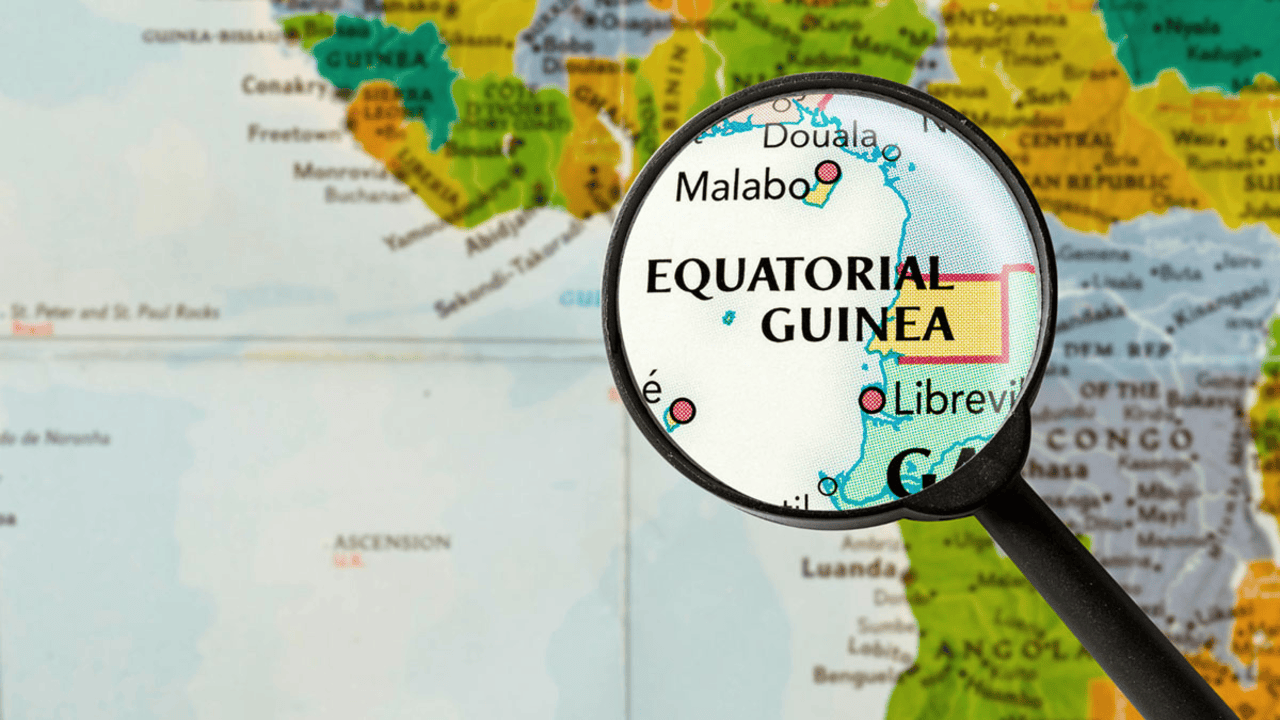
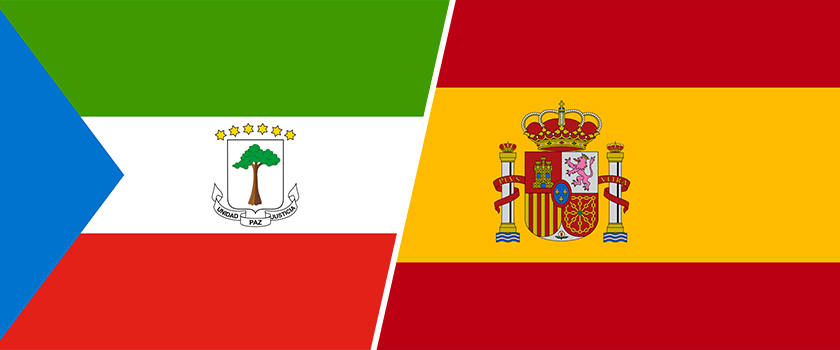
Located in Central Africa between Cameroon and Gabon, Equatorial Guinea is the only African country where Spanish is an official language. Its connection to the language dates back to Spanish colonial rule, which ended when the country gained independence on 12 October 1968.
Spanish is an official language alongside French and Portuguese, while Fang, Bube and Ndowé are among the languages spoken across the country.
Beyond its language, Equatorial Guinea has a political history, a connection to Nigerian workers and an economy shaped by oil wealth.
What else makes Equatorial Guinea worth knowing about?
1. Its president has been in power since 1979
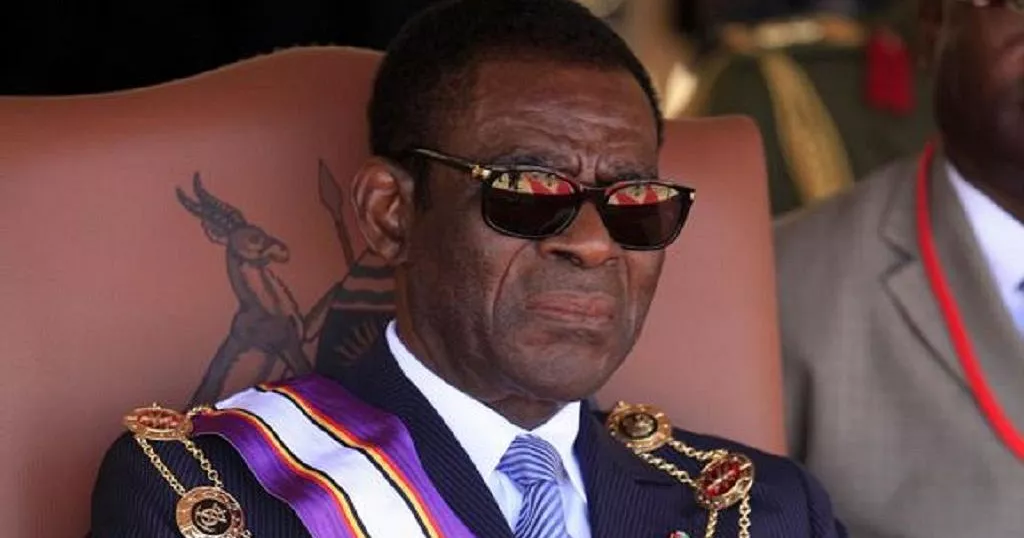
Teodoro Obiang Nguema Mbasogo has ruled Equatorial Guinea since 1979, when he seized power in a coup against his uncle, Francisco Macías Nguema, the country's first president.
Obiang has remained in office through successive elections, making him one of the world's longest-serving national leaders. His government has faced longstanding criticism fromhuman rights organisations over political repression, arbitrary detention and restrictions on opposition activity and freedom of expression.
His son, Teodoro Nguema Obiang Mangue, serves as vice-president, placing the family at the centre of the country's political establishment.
2. Its history is connected to Nigerian plantation workers
During the colonial period, Bioko was known as Fernando Pó and became an important centre for plantation agriculture. The plantations attracted workers from across West Africa, particularly Nigeria.
Historian Enrique Martino's research documents recruitment networks that brought Nigerian workers to Fernando Pó between 1926 and 1945. These systems could involve coercion and exploitative labour arrangements, making the island's colonial history relevant to Nigeria as well.
Martino's research on recruitment networks in the Bight of Biafra examines how these networks operated during the colonial period.
3. It has a mainland and several islands
Equatorial Guinea consists of Río Muni, a mainland region between Cameroon and Gabon, and several islands in the Gulf of Guinea.
Its largest island, Bioko, is home to Malabo, the former capital. Other islands include Annobón, Corisco and the Elobey islands.
This combination of mainland territory and islands gives the country a geography that differs from many of its neighbours.
4. It designated a new capital in 2026
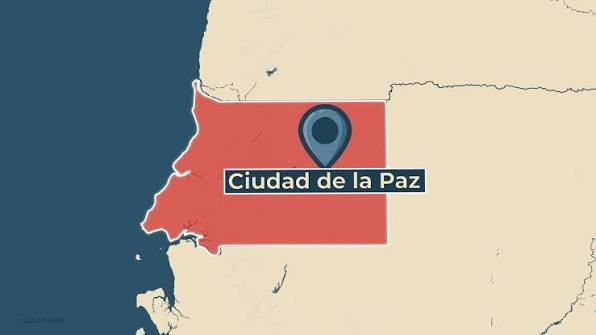
In January 2026, Equatorial Guinea designated Ciudad de la Paz, in Djibloho province, as its new capital. The government says the move is intended to decentralise state administration and spread development beyond Malabo and Bata.
The decree gives the presidency, state institutions and public bodiesup to a year from its entry into force to arrange their relocation.
In September 2026, the government was still evaluating the progress of projects in Ciudad de la Paz as it worked to consolidate the new capital. The relocation remains a development to watch as the country builds the infrastructure needed to support its administrative functions.

Thegovernment's announcement sets out the legal basis for the change.
5. Oil transformed its economy, but dependence remains a challenge
Oil and gas discoveries in the 1990s brought Equatorial Guinea rapid economic growth and funded major infrastructure projects. But the country still depends heavily on oil and gas, and declining production is putting pressure on its economy.
The World Bank estimates that the economy shrank by 5.4 per cent in 2025 as the hydrocarbon sector declined. It also estimates that the share of people living in poverty rose from 58.1 per cent in 2022 to 61 per cent in 2025.
Despite its oil wealth, Equatorial Guinea continues to face the challenge of improving living conditions while building other sources of economic growth.