Before the Ballot: Internal Party Conflicts and Nigeria’s Democracy
As party infighting and pre-election lawsuits increase, questions emerge about the strength of internal democracy. What does this mean for democratic stability and Nigeria’s electoral credibility?
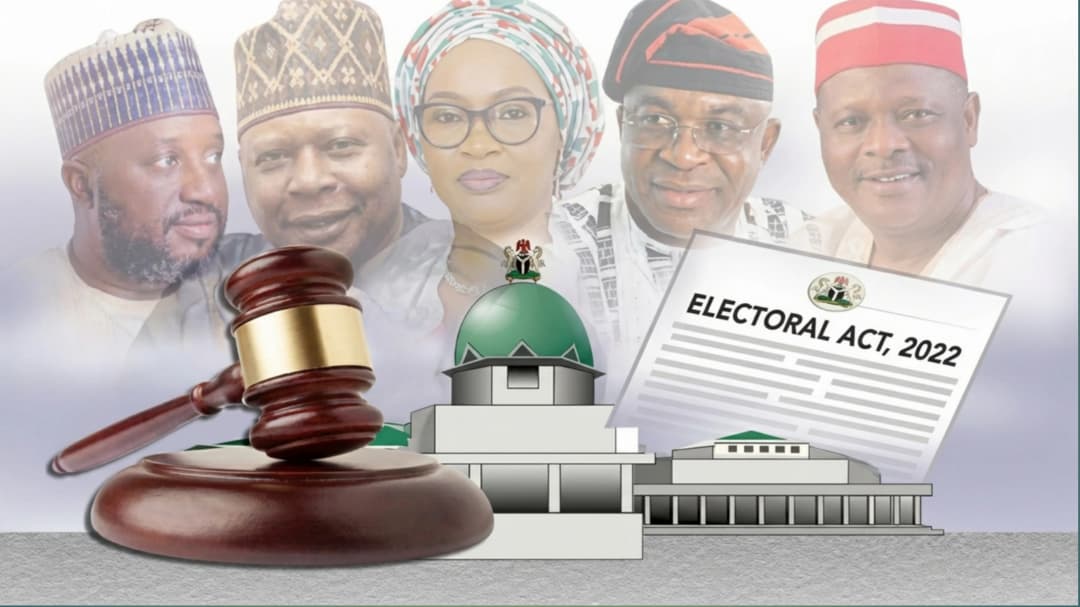
Democracy does not begin on election day, it begins inside political parties.
Before voters line up to cast ballots, parties must organize primaries, choose candidates, and settle internal disagreements.
When those internal processes break down, the consequences often spill into the courts.
Recently, the Independent National Electoral Commission (INEC) expressed concerns about the growing number of internal party crises and pre-election court cases in Nigeria.
As political activities gradually intensify ahead of the next election cycle, constant infighting and litigation could weaken the country’s democratic process.
The issue goes beyond party politics, it touches on the credibility of elections and public trust in the system.
What INEC Is Concerned About
INEC oversees elections in Nigeria under the framework of theElectoral Act 2022. Its role includes monitoring party primaries, registering candidates, and ensuring electoral guidelines are followed.
In recent election cycles, many political parties have struggled with internal disputes. These disputes often involve:
Leadership battles
Parallel party congresses
Disagreements over candidate selection
Factional divisions within the same party
When parties fail to resolve these conflicts internally, members frequently turn to the courts. As a result, Nigeria’s judiciary has increasingly become involved in deciding who a party’s legitimate candidate should be.
INEC’s concern is that when internal party problems consistently end up in court, the electoral process becomes unstable.
Why Internal Party Democracy Matters
Political parties are the foundation of representative democracy, the platforms through which citizens contest for power.
If parties cannot conduct transparent and credible primaries, the larger election may lose credibility as well.
Internal party democracy means:
Clear rules for selecting candidates
Fair competition among aspirants
Transparent voting processes during primaries
Respect for party constitutions
When these principles are ignored, members may feel cheated or excluded. That dissatisfaction often leads to lawsuits.
Frequent legal battles suggest deeper structural weaknesses. It raises questions about whether party leadership respects due process or whether decisions are imposed rather than agreed upon.
Democracy weakens when internal processes lack fairness. Voters may begin to question whether candidates truly represent the will of party members.
Courts Becoming Political Battlegrounds
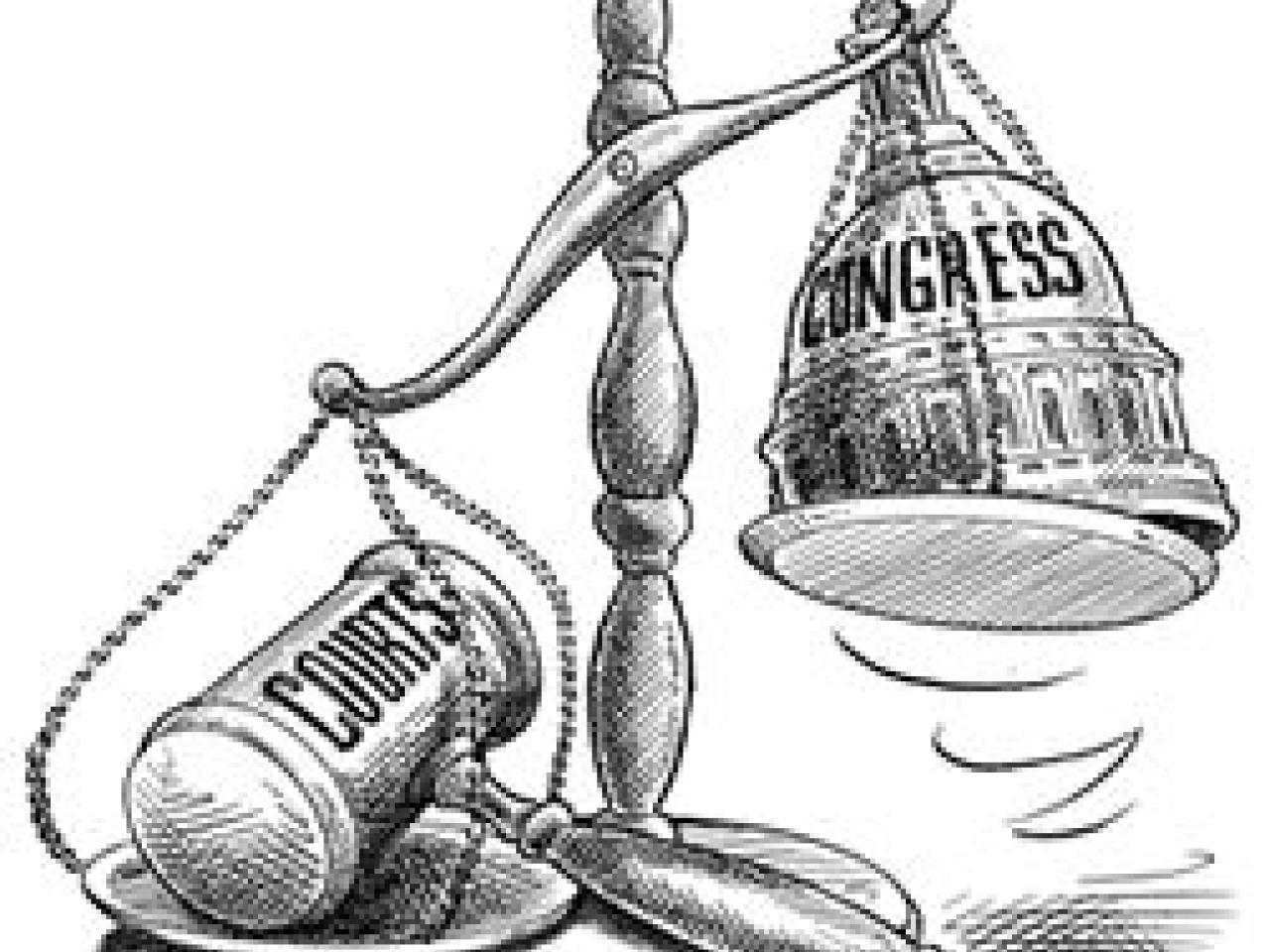
The increasing number of pre-election cases shows that political disputes are often being settled in courtrooms instead of within party structures.
This trend is sometimes described as the “judicialization of politics.” It means political outcomes are influenced by court rulings rather than party consensus or voter choice.
While legal oversight is necessary, over-reliance on the judiciary can create delays and uncertainty.
Campaigns may be disrupted, ballot preparations may change or candidates may be replaced late in the process.
This situation also places heavy pressure on the judiciary. Judges are expected to interpret party rules and resolve politically sensitive disputes, which can attract public scrutiny and criticism.
INEC’s concern appears to center on preventing these disputes from undermining confidence in the electoral process.
Implications for Nigeria’s Democratic Stability
Nigeria is approaching another major election cycle. As political activities increase, so do tensions within parties.
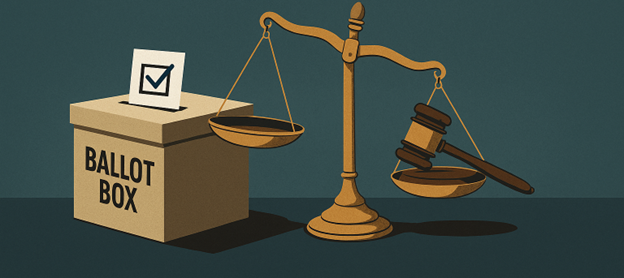
If internal crises continue at the current pace, the impact could extend beyond party members. Voters may experience confusion and public confidence in electoral outcomes may weaken.
It is important to note that disagreements within parties are not unusual. Politics naturally involves competition and litigation itself is not the problem.
The issue is frequency and scale.
When almost every primary election produces court cases, it suggests that conflict resolution mechanisms inside parties are not working effectively.
For democracy to function smoothly, political parties must strengthen their internal structures. Transparent primaries, adherence to party rules, and fair treatment of aspirants can reduce the need for court intervention.

This, in turn, could contribute to greater stability and clearer electoral timelines.
Conclusion
The concern raised by the Independent National Electoral Commission is therefore about more than administrative stress. It is about protecting the integrity of Nigeria’s democratic system.
The future of Nigeria’s elections in coming months may depend not only on how citizens vote, but on how well parties organize themselves before voting begins.