You Might Need Glasses Before 30 If You Keep Using Your Phone in the Dark
Your late-night scrolling habit may be costing you your vision. Here's what blue light in the dark actually does to your eyes and how to stop the damage before it becomes permanent.
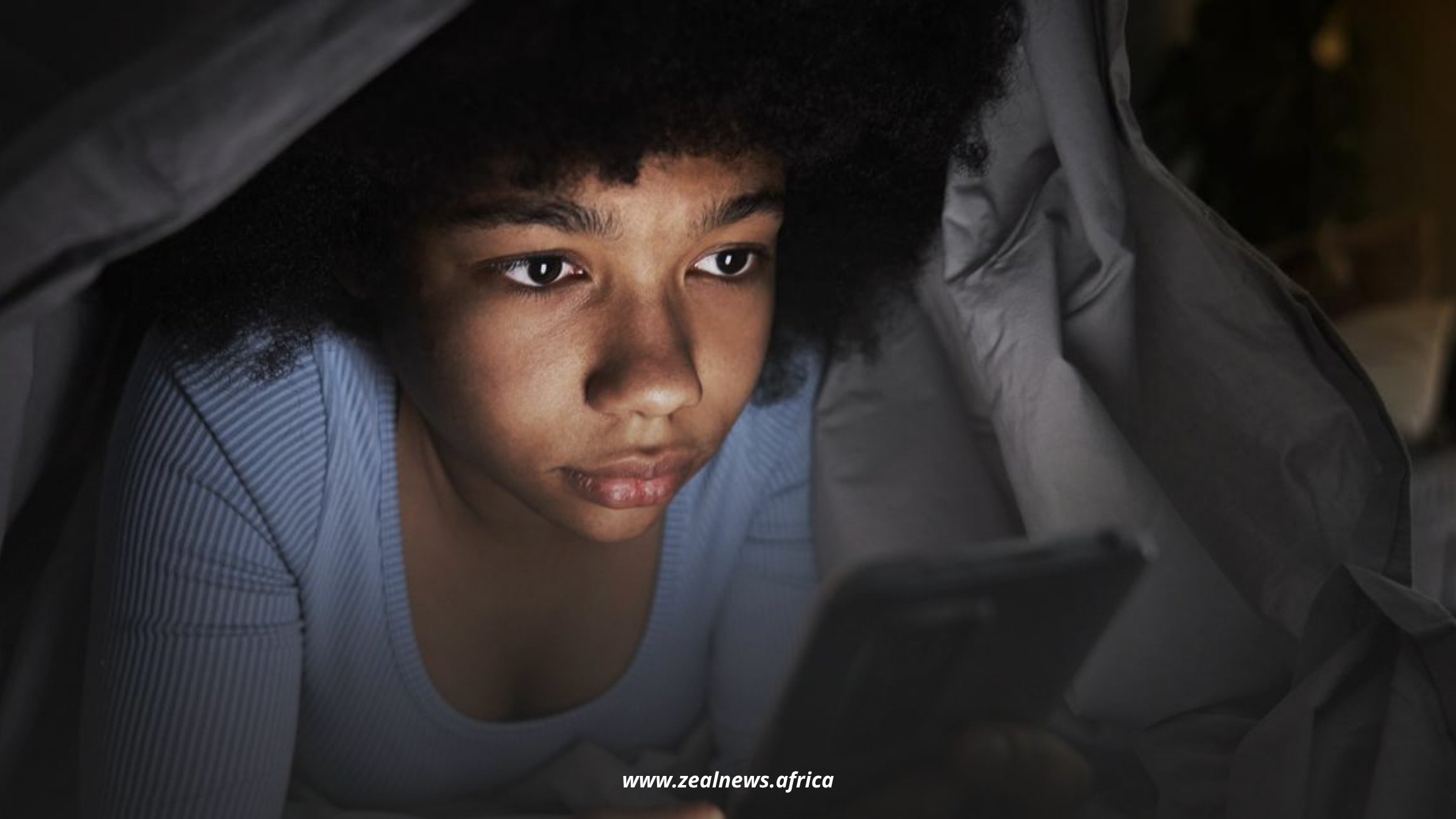
It is 1 a.m. The room is completely dark except for the glow of your phone six inches from your face. You are not doing anything important, just scrolling, engaging every video you come across. You have done this a hundred nights in a row. Your eyes burn a little, but you ignore it. You always ignore it.
That burning is not tiredness. That is a sign of damage.
Why Phones in the Dark Are More Damaging Than Phones in Daylight
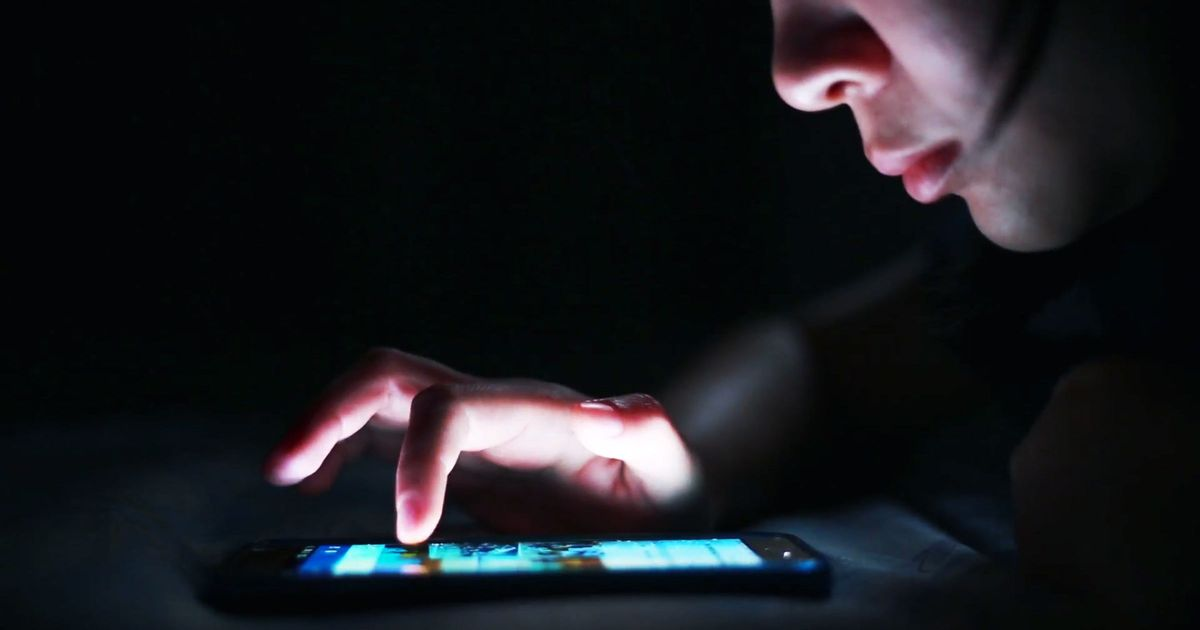
The science behind this is quite simple. In a lit room, your pupils constrict to manage incoming light. In the dark, they dilate wide open, which means every burst of blue light from your screen enters your eye at full intensity with nothing to buffer it.
Blue light sits between 400–500nm on the light spectrum and carries some of the highest energy of any visible wavelength.
Research has confirmed that long-term, low-illuminance blue light exposure causes structural and functional damage to retinal tissue, not just temporary discomfort.
The contrast between a glowing screen and surrounding darkness also forces your eyes into a state of constant tension. Your ciliary muscles, that is the tiny muscles controlling your lens, are working overtime to refocus every time you glance up or shift your gaze.
If you continue to do this nightly for months, those muscles develop what is called accommodative spasm, where they get stuck in near-focus mode, leaving your distance vision blurred even hours after you've put the phone down.

Short-Term Symptoms That Are Actually Long-Term Warnings
The early signs are easy to dismiss: burning eyes, dryness, headaches and the sensation of grit behind your eyelids. What most people do not realize is that these are not random inconveniences; they are your eyes communicating damage accumulation.
When you stare at a phone screen, your blink rate drops by as much as 60%. Normally, blinking keeps your tear film intact and your corneal surface lubricated.
When that system is disrupted consistently, dry eye disease becomes the outcome. This is not a temporary condition but a chronic one that requires medical management.
Additionally, blue light exposure in the dark suppresses melatonin productionand disrupts your circadian rhythm, meaning poor sleep compounds the eye damage into a full-body health problem.
The Myopia Epidemic Is Real and You Are Contributing to It
Myopia (short-sightedness) has reached an epidemic level, particularly among Gen Z and younger millennials. Multiple studies now link high screen load, especially at close distances in low-light environments, with faster elongation of the eyeball.
Once the eye elongates beyond a certain point, that structural change is permanent. No eye drop or exercise reverses it, only corrective lenses or surgery manages it.
Excessive smartphone use has also been connected to increased intraocular pressure, which is a key risk factor for glaucoma which causes irreversible vision loss.
A 2024 Mendelian randomization study confirmed a causal relationship between mobile phone usage and elevated glaucoma risk.
The timeline between habit and consequence is not decades away. Young adults in their mid-to-late twenties are already presenting with early-onset myopia progression tied directly to their screen habits.
What to Do Instead: Practical Fixes That Actually Work
There are direct substitutions and habits that significantly reduce your risk:
Enable Night Mode or Warm Display Settings After Sunset. This shifts your screen away from cool blue tones toward amber and red wavelengths that are less biologically disruptive. It is not a perfect solution but still meaningfully reduces blue light intensity reaching your retina.
Never use your phone as the only light source. If you must scroll at night, keep a bedside lamp or ambient light on.

The goal is to close the contrast gap between your screen and the surrounding environment, which reduces how hard your pupils and ciliary muscles have to work.
Follow the 20-20-20 Rule. Every 20 minutes, look at something 20 feet away for 20 seconds. This resets the ciliary muscles and reduces accommodative strain. It is not glamorous advice, but it is clinically backed.
Increase screen-to-eye distance. Your phone should be at least 30 – 40cm from your face. The closer the screen, the more intense the blue light concentration hitting your retina.
Holding the phone at reading distance in a dark room is essentially pointing a concentrated light source directly at your most light-sensitive cells.
Cut off screens 1–2 hours before sleep. The sleep disruption from night-time screen use is part of the same chain. Poor sleep reduces the eye's ability to recover overnight, compounding daily damage.
What Happens If You Ignore This
People who refuse to adjust their habits are not looking at a dramatic, sudden vision crisis. They are looking at a slow, entirely preventable deterioration.
Prescription strength creeping up year on year. Chronic dry eye that no amount of artificial tears fully corrects. Early-onset glaucoma risk requiring lifelong monitoring. And in confirmed cases of prolonged low-level blue light exposure, retinal photoreceptor cells that simply stop functioning the way they should.
The glasses before 30 are not inevitable but they are increasingly probable if you treat your phone like a nightlight. Your eyes are the only pair you get.