Fibermaxxing Explained: Why Everyone Is Suddenly Obsessed With Fiber in 2026
What is fibermaxxing? Discover why fiber has become one of the biggest wellness trends of 2026, the science behind gut health, weight management, debloating, and how to increase fiber safely.
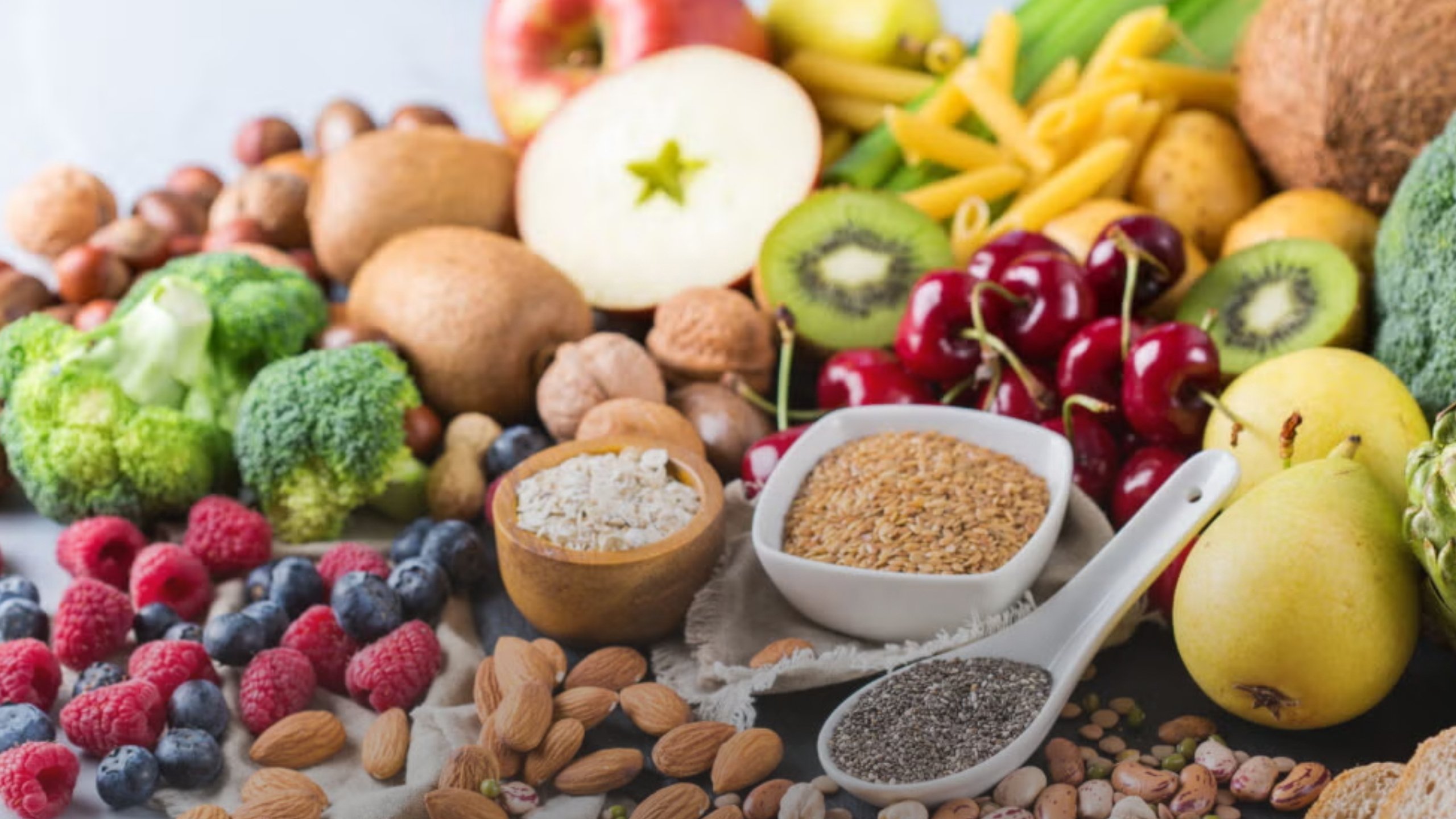
Fibermaxxing, the practice of deliberately pushing daily fiber intake toward the recommended range, has become one of 2026's defining wellness terms and unlike most viral health trends, this one nutritionists approve of.
What Fibermaxxing Actually Means
Fibermaxxing is a shift in priority. For years, protein dominated the wellness conversation, showing up in everything while fiber sat quietly in the background, mostly ignored. Most adults need somewhere between 25 and 38 grams of fiber daily depending on age and sex, yet the average person barely eats 15 grams.
That gap, often called the fiber gap, is what fibermaxxing is trying to close by building meals around legumes, oats, berries, leafy greens and whole grains.
Why Gut Health Is Driving the Obsession
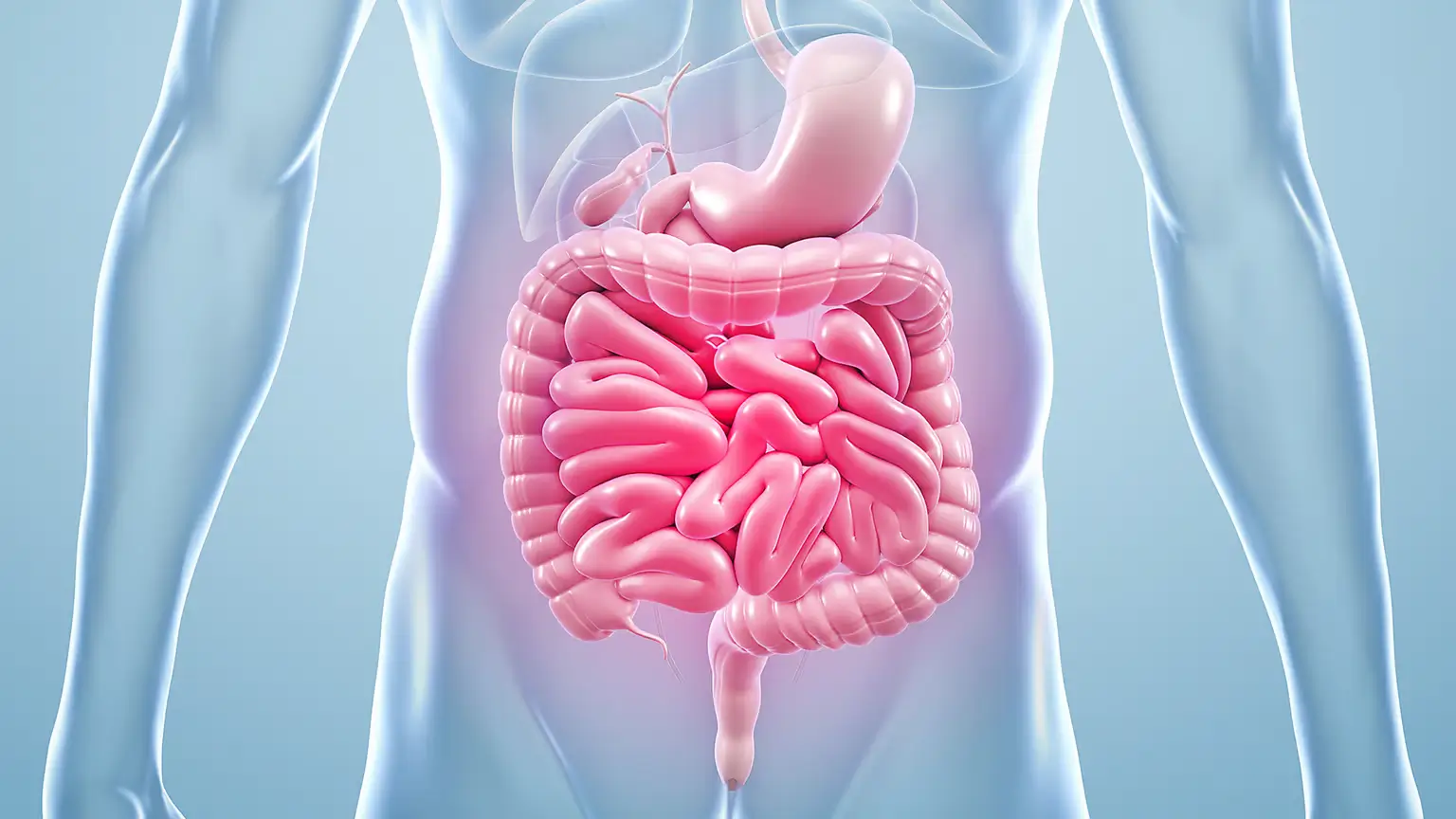
The real engine behind fibermaxxing isgut health. Over the past few years, conversations about the microbiome moved from medical journals into everyday language and people now casually discuss gut bacteria.
Fiber is the primary fuel for beneficial gut bacteria, which ferment it into short chain fatty acids linked to reduced inflammation, better blood sugar regulation and stronger immune function.
Once creators started connecting fiber directly to skin clarity, mood, and digestion, everything changed.
The Debloating Factor Nobody Is Naming Out Loud
It would be misleading to push gut-health and long-term colon health as the only primary reason for fiber-maxxing. Many people also do this with the aim of looking flat, tight and debloated on camera which is called, looks-maxxing.
Scroll through enough fiber content and it overlaps constantly with "what I eat in a day" videos aimed at reducing visible bloating rather than improving digestion over years. Fiber, introduced correctly, can reduce bloating by regulating bowel movements.
However, when people chase it aggressively for a flatter stomach rather than a healthier gut, the goal shifts from wellness to appearance.
It is worth noting that fibermaxxing, like many trends before it, is partly aesthetic ambition dressed up as nutrition science. That is not confirmed by any single study but the pattern is hard to ignore.
What the Research Actually Supports
Independent of the aesthetic angle, the science behind fiber is not new. Research has consistently linked adequate fiber intake to lower risk of heart disease, type 2 diabetes, colorectal cancer and obesity.
Researchers have also pointed to fiber's role in triggering the body's own GLP-1 response. This is the hormone pathway targeted by popular weight loss medications, which partly explains why fiber is marketed as a natural appetite regulator.
Food companies have taken notice, with fiber-fortified sodas, cereals and snacks flooding shelves faster than any nutrition trend in recent memory.
There is, however, a risk of doing it wrong. Dietitians keep repeating a warning that fiber intake should increase gradually, alongside more water, or it can trigger the bloating and discomfort people are trying to escape in the first place.
People managing IBS, Crohn's disease or ulcerative colitis are advised to approach fibermaxxing carefully, more ideally with professional guidance, since a sudden spike can aggravate symptoms rather than soothe them.
How To Fibermaxx Without Overdoing It
If the goal is a genuinely healthier gut and not just a flatter stomach for a weekend, the approach matters.
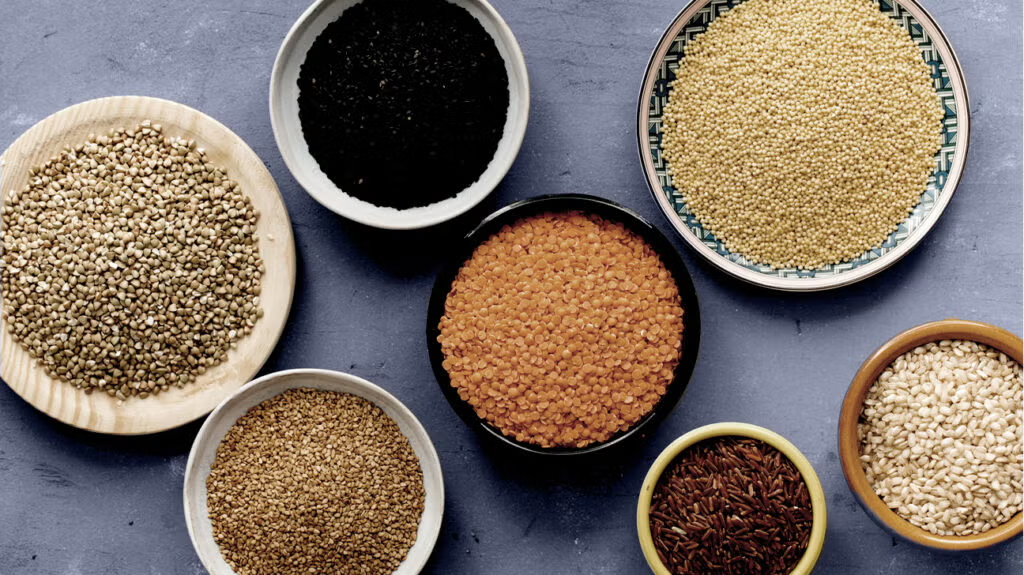
Start by adding one fiber-rich food to each meal instead of overhauling every plate at once. Beans, lentils, oats, chia seeds, and berries are easy entry points because they blend into meals people already eat.
Pair every increase with more water, since fiber without hydration is what usually causes the bloating people are trying to avoid.
Whole foods should also take priority over fiber-fortified snacks and sodas, which deliver the gram count without the nutrients that make fiber effective.

It should be noted that most viral nutrition moments fade within a season. Fibermaxxing looks different because it is a rebrand of decades-old dietary advice that finally found the right cultural moment, arriving as gut health, mental clarity and appearance became tangled together online.
Food brands are already restructuring product lines around it and interest in fiber-related content has climbed sharply over the past year.
Whether people stay for the science or for the mirror, fiber has finally earned the spotlight it should have had all along. The real test is whether the habit survives once the trend cycle moves on, or quietly becomes the new normal for how people eat.