What the Techpoint Investigation Reveals About Food Delivery Safety in Nigeria
What happens when a fake restaurant can successfully sell food online? An examination of food delivery verification gaps, safety concerns, and consumer protection in Nigeria.
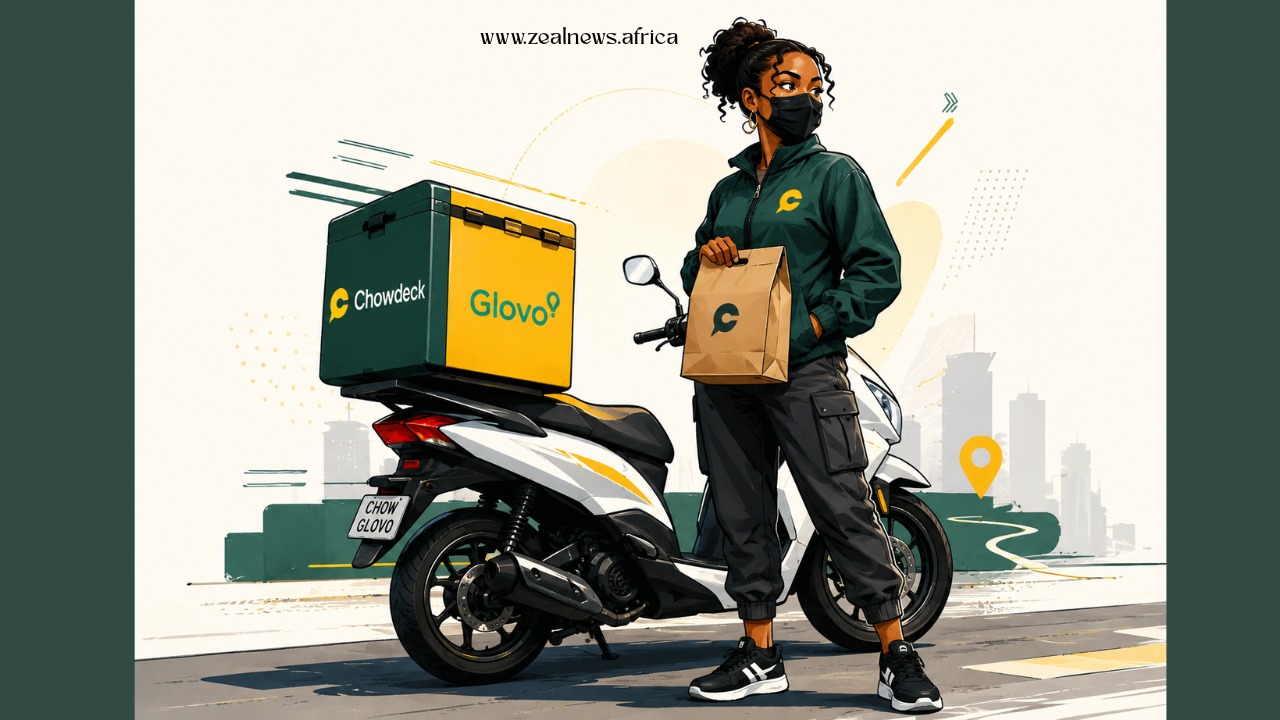
The rise of food delivery platforms has quietly transformed the way Nigerians eat. What began as a convenience for busy professionals has evolved into a central part of urban life. In Lagos, Abuja, Port Harcourt, and other major cities, thousands of people now rely on apps such as Chowdeck and Glovo to deliver everything from breakfast and lunch to late-night meals.
The process feels effortless. Open an app, browse a menu, tap a few buttons, and wait for a rider to arrive at your doorstep.
What most consumers never stop to consider, however, is the foundation upon which this convenience rests.
Every food delivery transaction is built on trust.
When a customer orders a meal online, they trust that the restaurant displayed on their screen is real. They trust that the food photographs accurately represent what is being sold. They trust that the business has been properly vetted by the platform.
Most importantly, they trust that someone, somewhere, has verified that the people preparing their food are who they claim to be.
A recent investigation by Techpoint Africa suggests that this trust may be far more fragile than most Nigerians realise.
The publication successfully created a fake restaurant on both Chowdeck and Glovo using stolen images from an existing restaurant, fabricated information, and personal account details. The fake businesses were approved, listed on the platforms, and allowed to fulfil customer orders.
The investigation was not merely a test of platform bureaucracy; it exposed a much deeper question about accountability within Nigeria's growing food delivery ecosystem.
The issue is not that every restaurant on these platforms is fraudulent. There is no evidence to support such a claim. The concern is that if journalists were able to impersonate a legitimate restaurant and begin trading, then the safeguards consumers assume exist may not be as robust as they appear.
That distinction is important because food is unlike most products sold online.
When a consumer purchases a fake wristwatch or a counterfeit phone accessory, the consequences are largely financial. Food carries a different category of risk. It enters the body. Poor food handling, contamination, improper storage, and unhygienic preparation can have direct consequences for public health.
This reality is precisely why restaurants in most countries are subject to inspections, licensing requirements, and regulatory oversight.
When a Restaurant Can Be Invented Overnight
Historically, restaurants built trust through visibility. Customers could walk into the premises, inspect the environment, interact with staff, and form impressions based on physical experience. Food delivery platforms have replaced that visibility with digital storefronts, photographs, ratings, and reviews.
Social Insight
Navigate the Rhythms of African Communities
Bold Conversations. Real Impact. True Narratives.
While this transformation has created unprecedented convenience, it has also introduced new vulnerabilities.
The Techpoint investigation demonstrated how easily a restaurant could be constructed in the digital world. By using photographs taken from an existing restaurant's social media pages and submitting fabricated information, reporters were able to create businesses that appeared legitimate to unsuspecting customers.
In Chowdeck's case, the platform did identify discrepancies in the submitted documentation. According to the report, the restaurant name provided did not correspond with the CAC documentation supplied during registration.
However, the registration process still permitted the business to continue operating under certain restrictions. The company later explained that this flexibility exists to accommodate legitimate small businesses that are still formalising their registration.
The reasoning is understandable.

Nigeria's informal economy is vast, and many genuine entrepreneurs operate without complete documentation during the early stages of their businesses. Platforms that impose rigid requirements risk excluding thousands of legitimate vendors from participating in the digital economy.
Yet flexibility creates a dilemma.
The same door that allows a struggling entrepreneur to access new customers may also allow bad actors to gain entry. Systems designed to support small businesses can inadvertently become opportunities for impersonation, fraud, or deception.
The concern is not merely theoretical. The Techpoint investigation showed that a fake restaurant could move beyond registration and into actual commercial activity. Orders could be received, payments processed, and deliveries completed without customers being aware that the business they believed they were patronising was not what it claimed to be.
Chowdeck Has Responded. But Has the Problem Been Solved?
Weeks after Techpoint Africa's investigation exposed gaps in vendor onboarding, Chowdeck introduced a new verification badge system designed to show customers whether a restaurant has been fully verified, is awaiting verification, or is operating through the platform's shopper model.
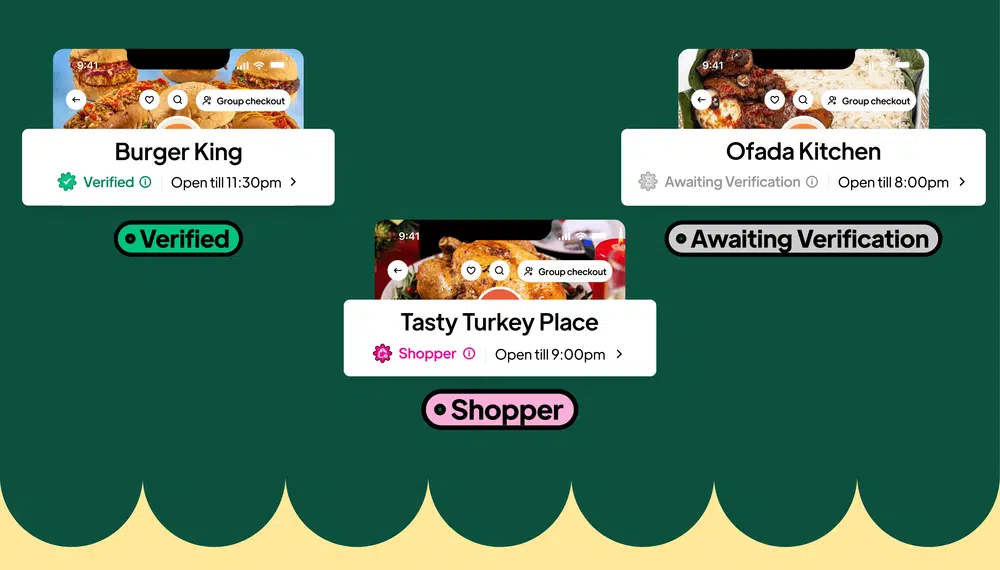
According to the company, fully verified vendors must submit and pass checks involving their Corporate Affairs Commission (CAC) registration, Tax Identification Number (TIN), ownership information, operational address, and banking details before receiving full access to the platform.
The move represents a significant step toward greater transparency. One of the major concerns raised by the investigation was that consumers had no way of knowing whether a restaurant listed on the platform had undergone rigorous verification.
By making vendor status visible, Chowdeck is effectively acknowledging that trust should not be hidden behind internal processes.
Yet the introduction of badges does not entirely eliminate the concerns exposed by the investigation. The fake restaurant created by Techpoint Africa was able to proceed through registration despite documentation issues, highlighting how exceptions designed to accommodate legitimate small businesses can also be exploited by bad actors.
The larger challenge facing Nigeria's food delivery industry remains unchanged: how can platforms balance accessibility for emerging businesses with the need to protect consumers from impersonation, fraud, and potential food safety risks?
Social Insight
Navigate the Rhythms of African Communities
Bold Conversations. Real Impact. True Narratives.
Chowdeck's response demonstrates that the industry is paying attention. Whether the new measures become a model for the wider sector, or merely the first step in a longer journey toward accountability, remains to be seen.