If Culture Changes Every Generation, What Makes It Authentic?
Culture changes every generation, but does that make it less authentic? Explore how African music, fashion, storytelling, and festivals evolve while keeping meaning and identity alive.
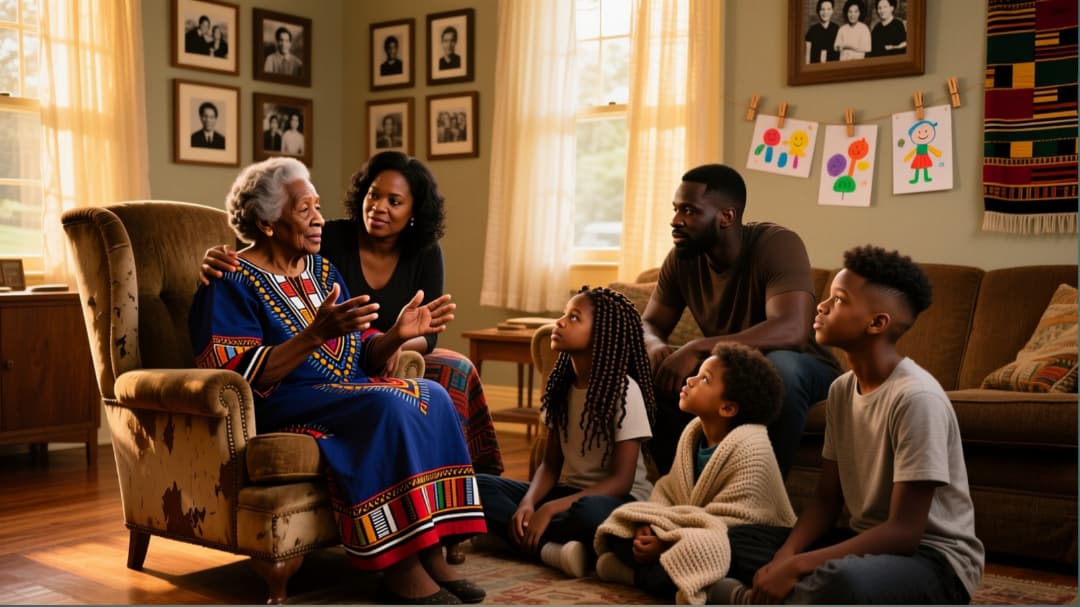
We often think of culture as something permanent, passed down from our ancestors.
But culture is not frozen in time. We are in a world where you see things changing.
A young musician mixes traditional beats with electronic music, and people, especially the young, wear Ankara outfits in new, modern styles.
Even language changes, as slang and new words spread quickly.
Every generation leaves its mark, rewriting what came before.
But if culture keeps changing, what does it mean for it to be authentic?
Culture Always Changes
Look at African music. The rhythms from old village drums are still alive but they sound different today.
Afrobeats, now popular all over the world, comes from traditional sounds but mixes in hip-hop, jazz, and electronic music.
For older people, it might feel strange or different, but it still carries the stories and values of the past.
Being authentic does not mean keeping music exactly the same, it means keeping its connection to history alive, even as it changes.
Language and storytelling work the same way.
African communities once shared knowledge only by word of mouth. Today, stories appear on social media, podcasts, or animation.
The way we tell them changes, but the meaning of the story, its lesson or history remains.
Culture
Read Between the Lines of African Society
Your Gateway to Africa's Untold Cultural Narratives.
Changing the form does not always mean losing authenticity; it often means keeping culture alive in new ways.
Tradition Meets Modern Life

Fashion also shows how culture adapts.
Traditional clothing patterns are now part of modern styles. It is seen as a creative way to keep it alive and meaningful.
Even festivals evolve. Traditional celebrations now include modern music or online streaming.

They may look different, but they still keep the spirit and community alive.
Authenticity is less about copying the past perfectly and more about keeping its meaning and purpose.
What Authenticity Really Means

Authenticity is not about staying exactly the same. It is about connection, it exists in the link between past and present, between community and individual.
Culture survives not because every detail is unchanged, but because each generation makes it meaningful for themselves.
Globalization and social media make this more complicated.
Traditional dances are posted on TikTok, and crafts are sold to international buyers.
Is it still authentic? It can be—if the respect, meaning, and understanding of its roots remain. Authenticity is not fixed; it moves with people and time.
A Living, Changing Culture
So, if culture changes with every generation, what counts as authentic?
Perhaps authenticity is not about purity. It is about continuity, meaning, and relevance.
Culture
Read Between the Lines of African Society
Your Gateway to Africa's Untold Cultural Narratives.
These changes show that culture is alive, capable of connecting generations, and ready to adapt.
In the end, the question is not whether culture is authentic, it is whether it still matters.
If it teaches lessons, inspires pride, and keeps memories alive, it is authentic, even in a new form.
Maybe the truest authenticity is not a fixed relic, but a living expression of who we are, always changing, yet always meaningful.