Reform in Action? Evaluating the Prospects of Nigeria’s Police Under Tunji Disu
Tunji Disu steps in as Inspector-General amid renewed calls for reform. Can he handle the expectations and structural realities? And what will meaningful change look like for Nigeria’s police?
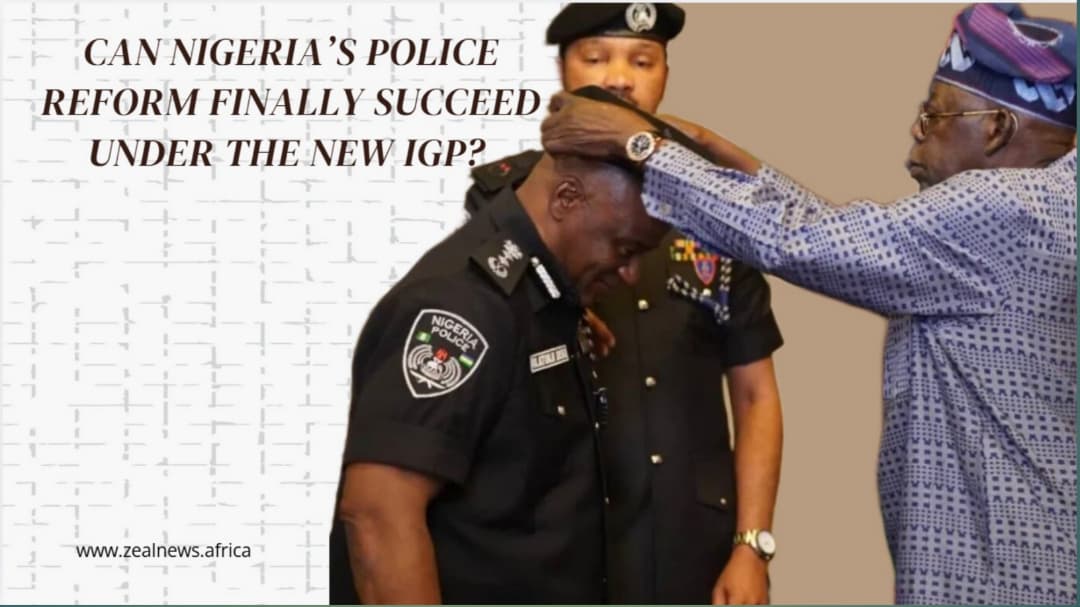
Leadership changes in Nigeria comes with expectation, hope and familiar promise that this time will be different.
The confirmation of Tunji Disu as Inspector-General of Police carries that same atmosphere.
RECOMMENDED READ:Olatunji Disu Confirmed as Nigeria’s New IGP
The Nigeria Police Force is not just another institution, it is the visible face of the state’s authority.
When public trust in the police shifts, it affects how citizens experience government itself.
So the question is not simply who Tunji Disu is. The question is what his leadership represents at this moment.
The Weight of the Office
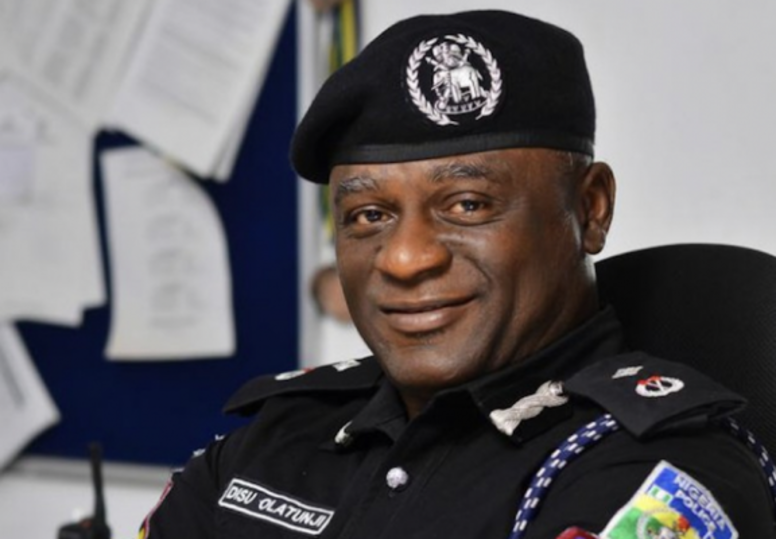
The office of the Inspector-General is powerful, but it is not limitless.
As head of the Nigeria Police Force, Disu inherits an institution burdened by layered challenges: internal discipline concerns, public perception issues, operational strain, and resource limitations.
These problems did not begin with him, and they will not disappear because of him.
But leadership shapes direction, and direction shapes outcomes.
Disu’s career within the force spans multiple commands and operational units.
He is regarded as an experienced officer, familiar with both field operations and administrative responsibility, that experience matters because the police is not an abstract policy body, but a living structure.
Reform inside such a structure requires more than speeches, it requires leverage.
Reform Is a Word Nigerians Have Heard Before
Police reform is not a new conversation.
The aftermath of the End SARS protests made reform a national demand rather than a policy suggestion, as citizens called for accountability, transparency, and structural change.
Yet reform in Nigeria often operates slowly, sometimes invisibly.
Institutional change competes with political realities, funding constraints, and entrenched habits.
The public knows this and it influences how Disu’s appointment is being received — hopeful, but not naive.
So, Public Trust Is the Real Metric

The strength of a police force is not measured only in arrests or crime statistics. It is measured in legitimacy.
Reform cannot be selective, it must be systemic.
Under Disu,citizens will look for signs of structural adjustments: clearer disciplinary processes, better communication with the public, and measurable transparency.
Not announcements but evidence.
The Constraints Are Real
It would be simplistic to frame the issue as a matter of willpower alone.
Policing in Nigeria operates within financial and logistical limits.
Equipment shortages, personnel gaps, welfare concerns, and regional security complexities all shape what is possible.
An Inspector-General may set priorities, but implementation depends on budget allocations, political backing, and coordination with other security agencies.
There is also the issue of institutional inertia.
Large organizations resist sudden shifts and culture does not transform overnight.
Reform often requires balancing firmness with internal stability, pushing for change without fracturing command structures.
And this is where Disu’s leadership style will matter.
Between Symbolism and Substance
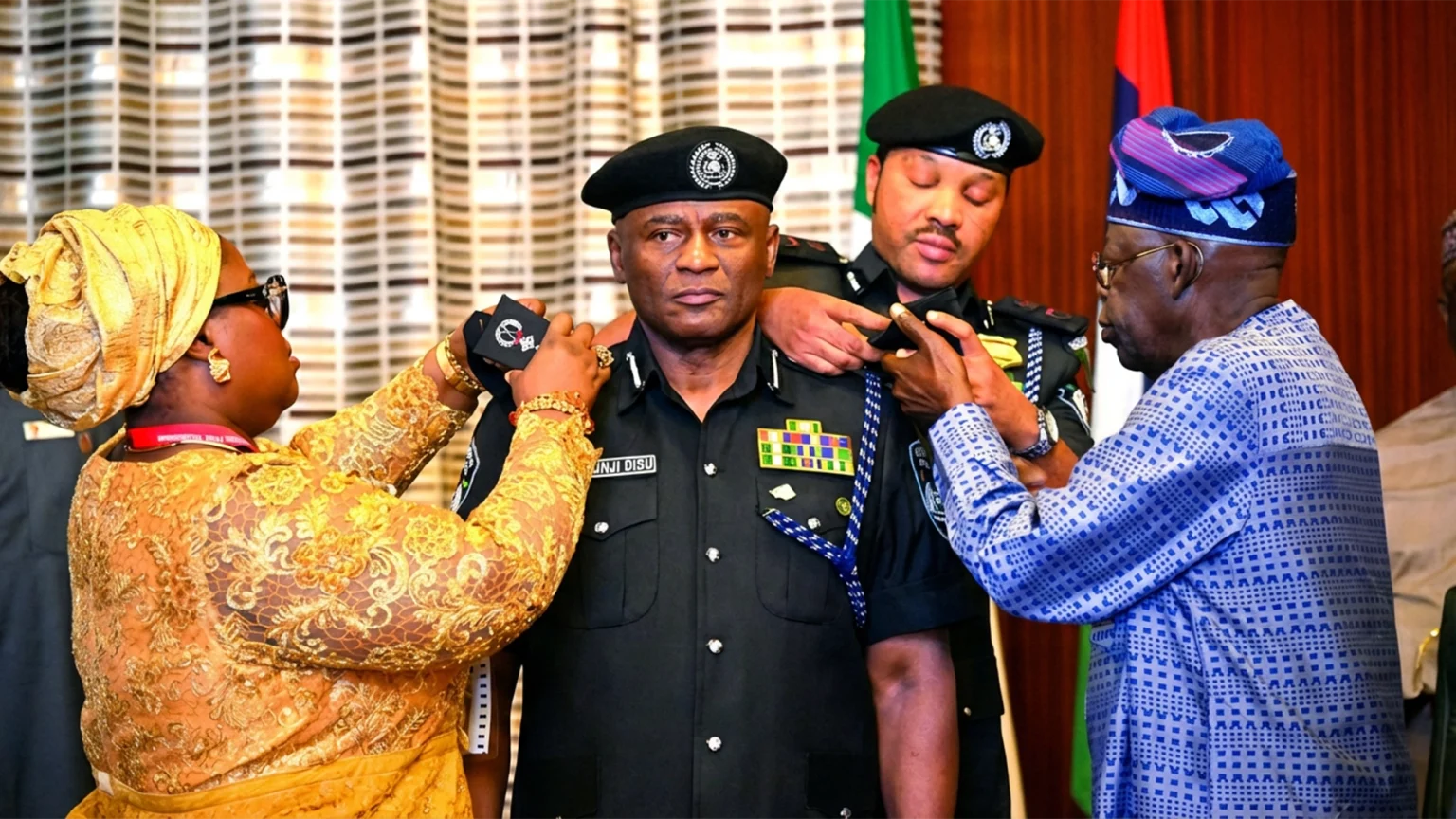
Disu represents renewal, a chance to reset the tone of policing for some, while for others, he represents continuity within an existing framework. The distinction is important.
Ultimately, the evaluation of his tenure will not hinge on promises made at confirmation ceremonies.
It will rest on outcomes: reductions in misconduct complaints, improvements in response efficiency, clearer accountability processes, and strengthened cooperation between communities and officers.
Reform is not a headline. It is a pattern of decisions.