Nigerian Weddings Are Beautiful, But Are We Paying Attention to the Waste?
From endless aso ebi to overflowing food trays and single-use decor, Nigerian weddings are unforgettable for many reasons, but what happens after the party ends? How can couples celebrate in style without sacrificing sustainability?
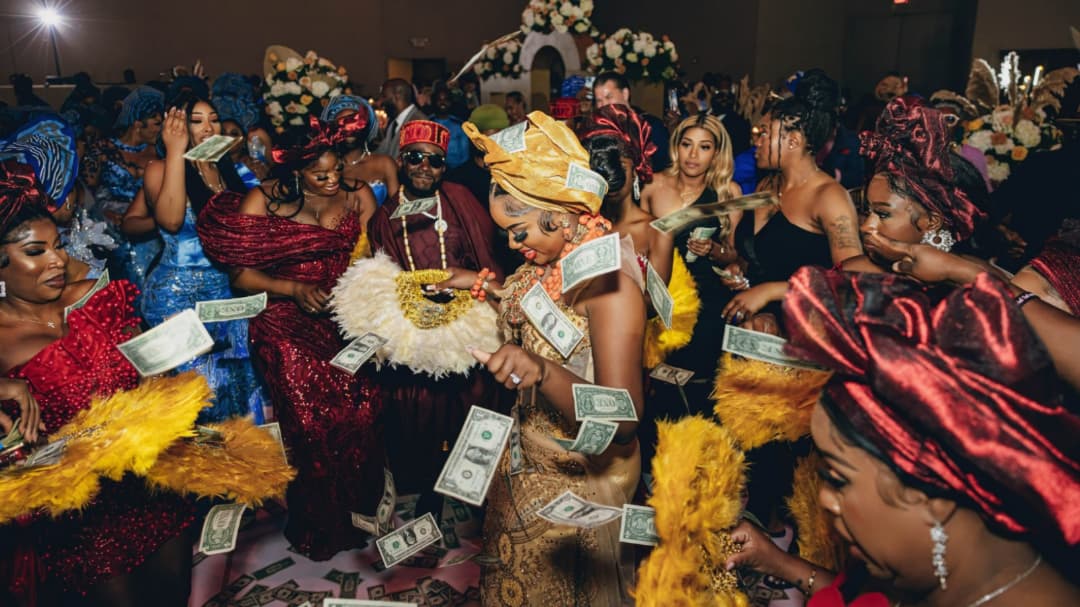
“Wedding na once in a lifetime” — yes, I know. And honestly, people deserve to celebrate however they want.
If anything, Nigerian weddings have become full-scale experiences — the fashion, the decor, the music, the videos, the energy. People put time, money, and emotion into making the day unforgettable.
But somewhere between “go big or go home” and trying to create the perfect wedding moment, waste has quietly become normalised too.
But while we focus on how beautiful everything looks, there’s one conversation we rarely have: how sustainable are these weddings?
That question matters more than we think.
A wedding lasts for a day or two, but the waste can linger far longer. Disposable plates, plastic bottles, food leftovers, printed souvenirs, single-use decorations, so much is used within a few hours and then thrown away immediately after.
According to a 2025 study on wedding waste in Kano Metropolis, weddings contribute heavily to non-biodegradable waste, with plastics making up nearly half of the total waste generated.
The truth is, sustainability is not something many people think about while planning weddings. The focus is usually on impressing guests, creating unforgettable moments, and making sure everything looks “worth it.”
And to be fair, there’s nothing wrong with wanting a beautiful celebration. Weddings are important milestones. People want joy, memories, and a good experience for everyone involved.
The issue is not the celebration itself, but the excesses without intention.
The Hidden Waste Behind Modern Weddings
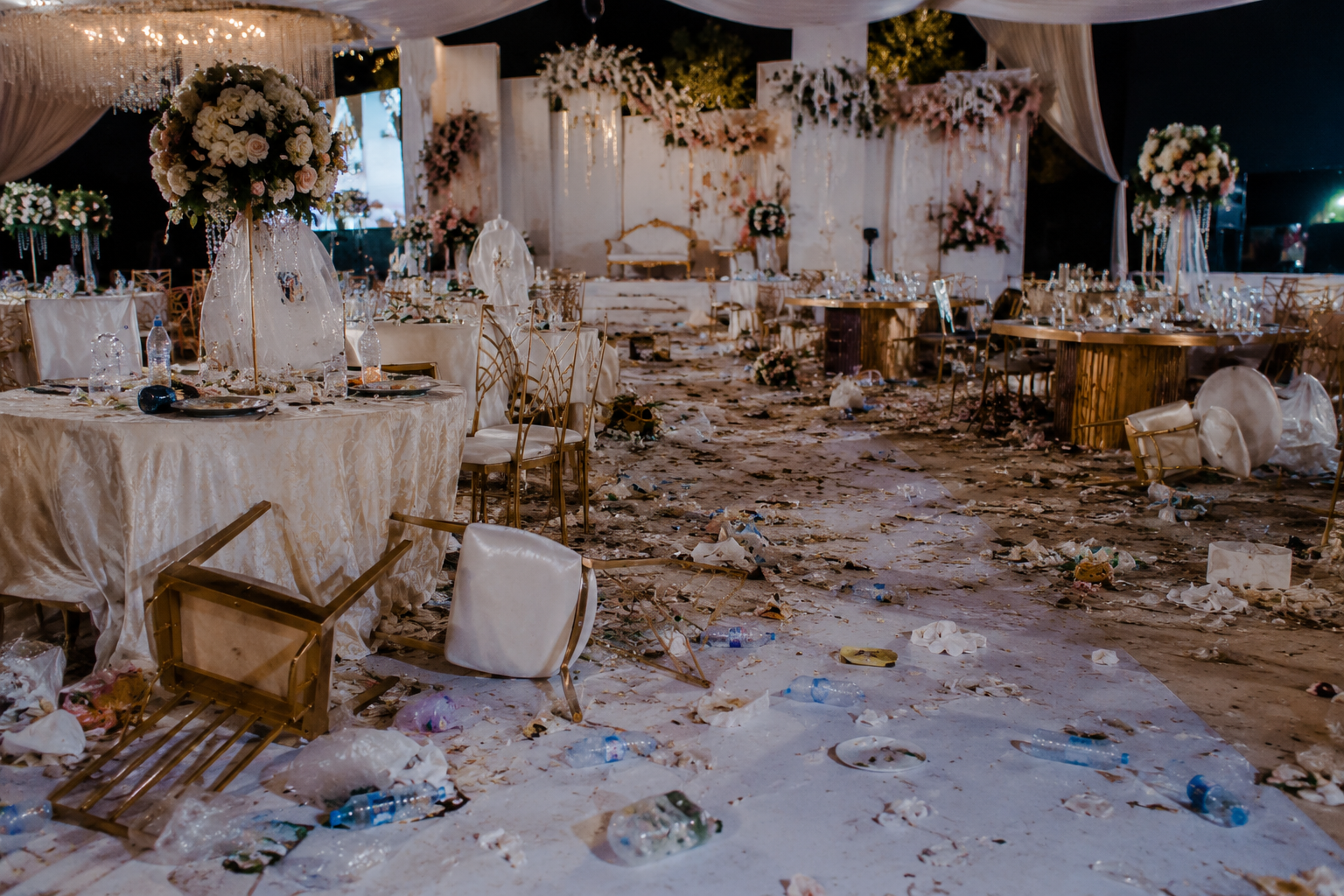
A lot of people assume this conversation is only about celebrity weddings or billionaire-level ceremonies, but even smaller weddings can be surprisingly wasteful.
Sometimes it’s the small things that add up the fastest like unnecessary printing, plastic packaging, one-time souvenirs, decorations nobody will ever use again. Things get bought because “that’s just how weddings are done,” not because anybody actually needs them.
Aso ebi is probably one of the clearest examples.
Culture
Read Between the Lines of African Society
Your Gateway to Africa's Untold Cultural Narratives.
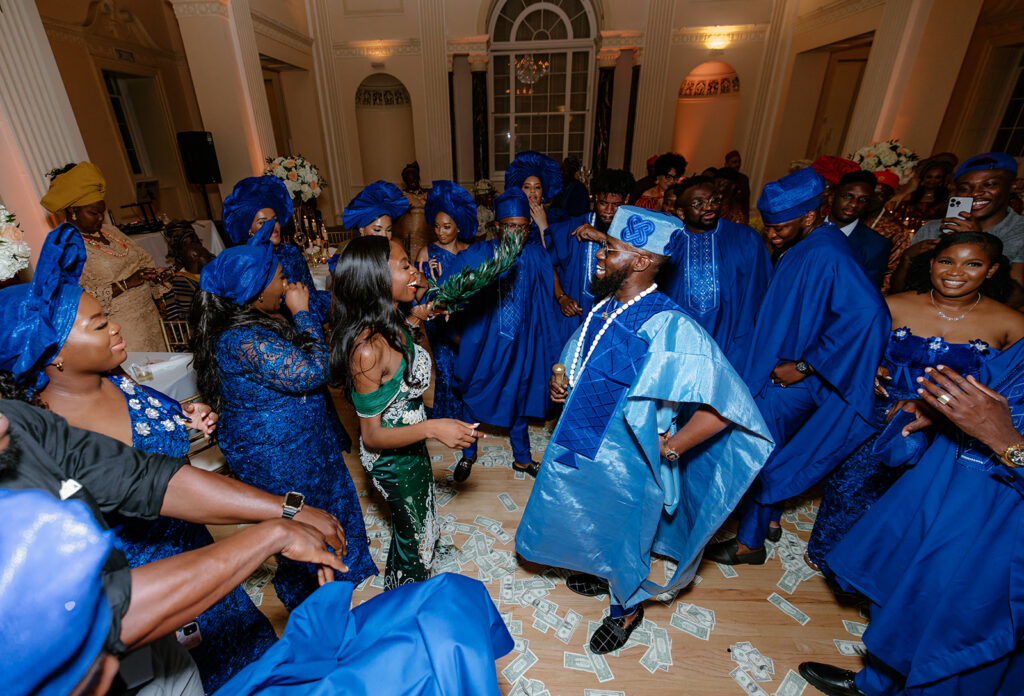
It’s such a huge part of Nigerian weddings because it creates unity and makes everything look vibrant and coordinated. Honestly, weddings would feel incomplete without it. But somewhere along the line, it also became stressful.
People end up buying expensive fabrics they don’t even like, just because they don’t want to be left out. Sometimes there are different aso ebi styles for the introduction, traditional wedding, white wedding, after-party, all in the same weekend. And most of those outfits get worn once and forgotten.
But it doesn’t always have to be that way.
Couples can still keep the coordinated look without making it compulsory for everyone to buy brand-new materials. Colour themes work too, choosing fabrics people can realistically rewear also makes more sense financially and environmentally.
Fashion, Food, and Decor: The Biggest Contributors

Food waste is another major issue people don’t talk about enough.
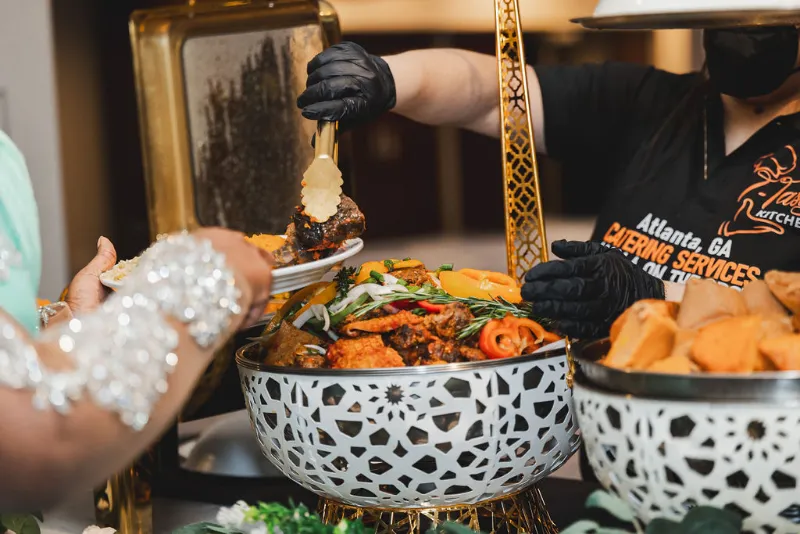
Nigerian weddings are known for abundance, and nobody wants guests leaving hungry. But there’s a difference between generosity and preparing enough food to feed three extra weddings.
Because running out of food is seen as embarrassing, many events massively over-cater. By the end of the night, trays of untouched food are sitting around with nowhere to go.
Estimates suggest that between 20 to 40 percent of food at catered events goes uneaten, driven largely by over-ordering and the social pressure to appear generous.
Better planning would solve a lot of that. Couples can work more closely with caterers on realistic guest estimates and make arrangements beforehand for leftovers to be shared or donated instead of wasted.
Decor is another big one.
Wedding aesthetics have become more elaborate over the years, which means more single-use props, floral installations, printed backdrops, and customised stage designs. A lot of it looks incredible in photos, but once the event is over, most of it gets thrown away immediately.
And honestly, beautiful doesn’t always have to mean disposable.
Reusable decor, rented installations, fabric styling, and even potted plants can still create elegance without producing unnecessary waste afterwards.
Small Choices Can Still Make a Big Difference
Culture
Read Between the Lines of African Society
Your Gateway to Africa's Untold Cultural Narratives.
The interesting thing about sustainability is that it’s usually not about one dramatic change. It’s small decisions adding up.
Maybe the bigger conversation here is how we define luxury now.
Because weddings are often judged by how excessive they look. How many guests attended. How many outfit changes happened. How extravagant the decor was. How expensive everything appeared online.
But maybe luxury should also include thoughtfulness.
A wedding can still feel beautiful, rich, stylish, and unforgettable without creating unnecessary waste in the process.
At the end of the day, sustainability doesn’t mean removing joy from weddings. It just means being more intentional about how we celebrate.
And honestly, that might make the celebration even more meaningful.