Skin Is Skinning: How Skincare Became Nigeria’s New Obsession and Big Business
Behind Nigeria’s skincare craze is a bigger story — one about pressure, beauty standards, and a market that is growing faster than most people realise.
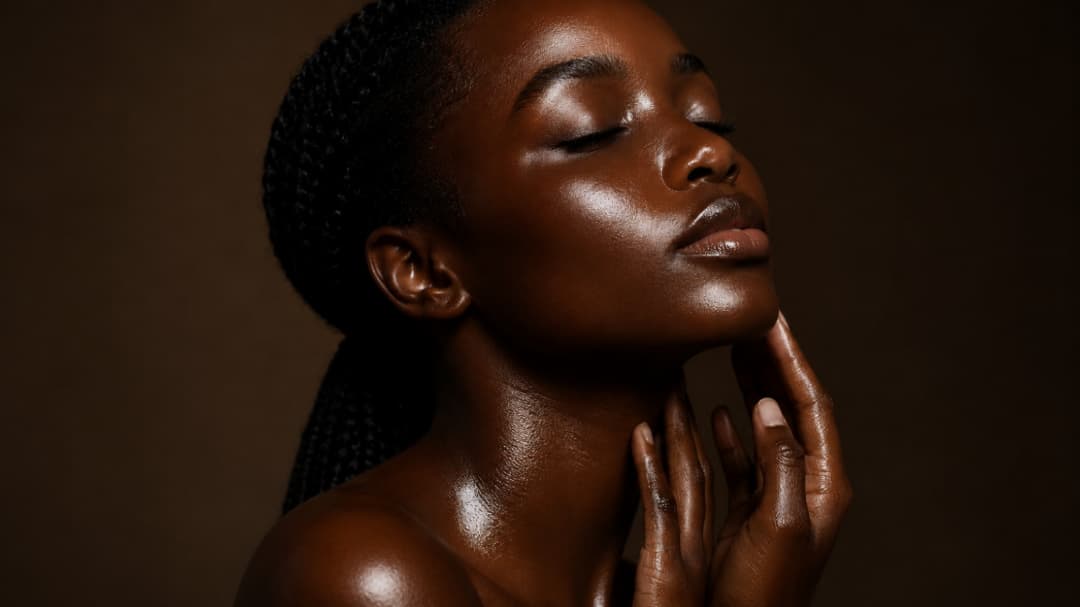
There was a time in Nigeria when skincare was simple. Soap, shea butter, maybe a cold cream on special occasions.
Now, everyone knows their skin type, their “routine,” and at least one serum they swear is life-changing and now skincare is everywhere, not as a luxury anymore, but as something close to identity.
In many ways, it didn’t start with beauty influencers. It started with frustration, with people looking in the mirror and deciding they wanted something different, something “better,” something closer to what they kept seeing online.
From Bathroom Routine to Full Culture
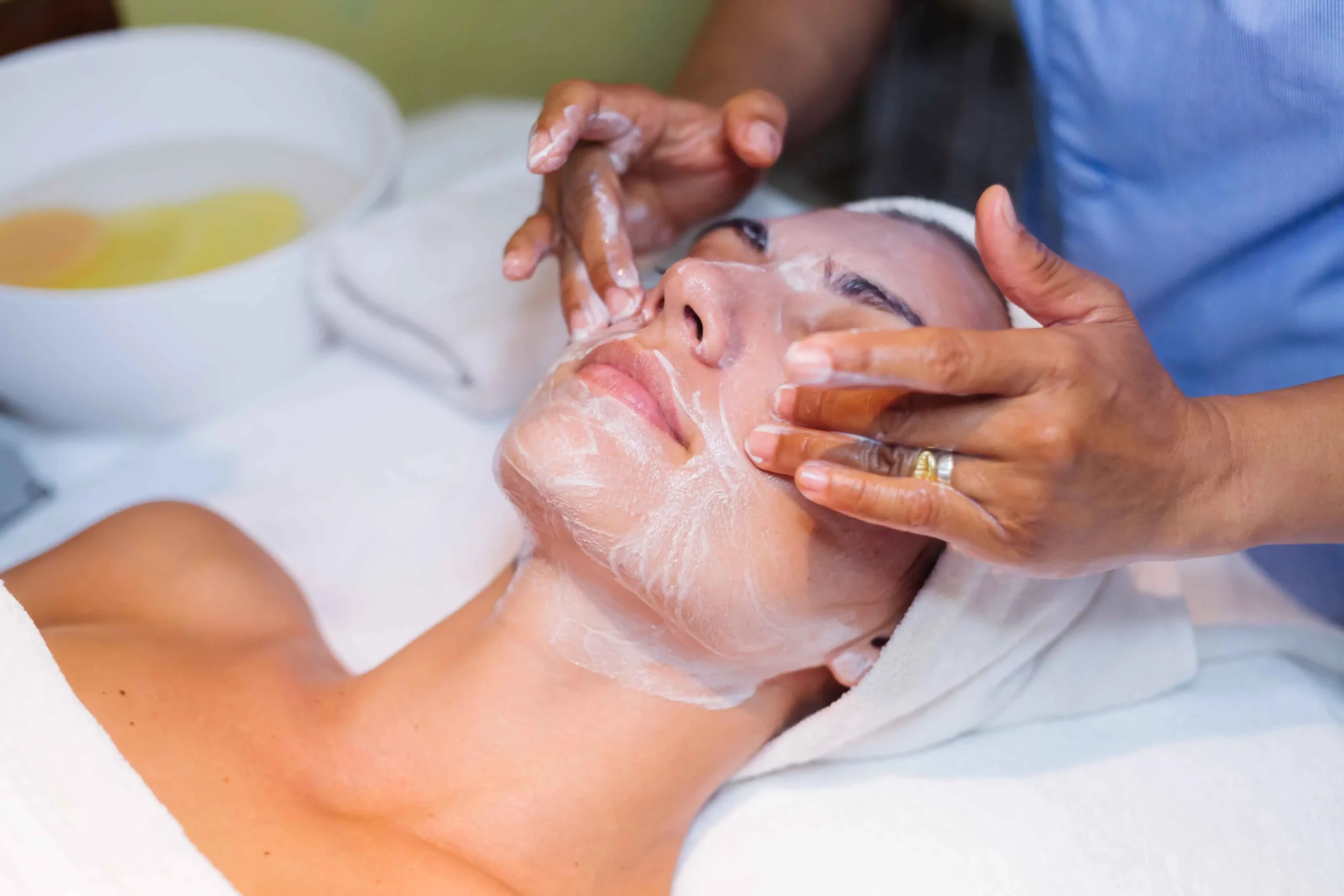
Before-and-after videos online, you get to see the pattern – “my skincare journey” “glow-up in 30 days” Someone listing five products like they are sharing a personal achievement.
Skincare has moved far beyond the bathroom sink, it is now content, conversation and even comparison.
People ask “why is your skin like this?” — sometimes in admiration, sometimes in curiosity, sometimes in quiet insecurity they don’t fully say out loud.
People are seeing more skin types, more routines, more results and once something becomes visible, it becomes desirable, debated, and copied.
The Old Standard That Still Lingers
Even with all the talk about glowing skin and “natural beauty,” Nigeria has not fully let go of its older ideas.
For years, lighter skin was quietly treated like a shortcut to attention.
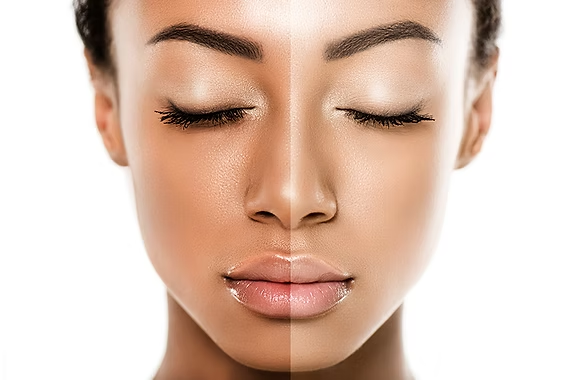
In music videos, Nollywood films, even everyday jokes, complexion often carried meaning it should never have carried.
Research found that over 77% of women in Nigeria use skin-lightening products, the highest prevalence recorded anywhere in the world.
Today, instead of an obvious bleaching culture, there are now words like “brightening,” “tone correction,” or “glass skin”. The packaging changed, but the pressure didn’t fully leave.
And that is why skincare here feels like more than skincare. For many people, it is still tied to how they believe they will be seen, accepted, or valued.
Colourism in Nigeria continues to shape beauty decisions in ways that run far deeper than product choices alone.
The Business Behind the Glow

There is also money in all of this, I mean serious money.
Walk into a beauty store in Lagos and you will see it immediately: imported serums, local oils, sunscreen bottles with premium pricing, and shelves that look more like a pharmacy than a cosmetic stand.
Skincare is no longer small business territory, it is a full economy.
Nigeria's beauty and personal care market was valued at $3.43 billion in 2024 and is projected to reach $5.15 billion by 2033, a figure that tells you just how much is riding on what people put on their faces.
Some people spend thousands every month trying to maintain a routine they saw online, others build businesses around solving skin problems they personally experienced.
And somewhere in between, a new class of “skincare entrepreneurs” has emerged, selling soaps, oils, scrubs, and hope in equal measure.
But not everyone is spending the same because for some, skincare is luxury, while for others, it is basic maintenance. That gap says a lot about how uneven the beauty economy really is.
From Fixing Skin to Caring for It
Something interesting is happening underneath all these.
Alongside the obsession with “perfect skin,” there is also a growing push toward simpler care. People are talking more about sunscreen, hydration, gentle routines, and accepting natural texture instead of forcing transformation.
Some are stepping away from harsh products that promise instant changes and are returning to traditional ingredients like shea butter and black soap, but now with more knowledge, not just habit.
And it feels different from the past because this time, the goal is not always to change skin but sometimes it is just to understand it.
What Skincare Really Became
At its core, skincare in Nigeria is no longer just about appearance.
It sits at the intersection of how people see themselves, how people want to be seen and how an entire online culture rewards visibility
It is personal, but also public, private, but also performative, simple, but deeply tied to history and modern pressure.
That is why it spreads so easily, it is not just about creams or serums. It is about control over how you show up in a world that is always looking.
So when people say “skincare is just skincare,” it doesn’t fully hold anymore.
Because in today’s Nigeria, skincare is also a habit, a statement, a business, and sometimes, a quiet negotiation with identity.
And maybe that is the real story here: not just that skincare is trending, but that something as ordinary as skin has become a place where culture, money, and self-image quietly meet.