FashionLore: The Congolese Women Sold as “Ubangi Savages” in a 1930 American Circus
In 1930, Congolese women were exhibited as “Ubangi Savages” in an American circus, turning African cultural practices into spectacles for Western audiences.
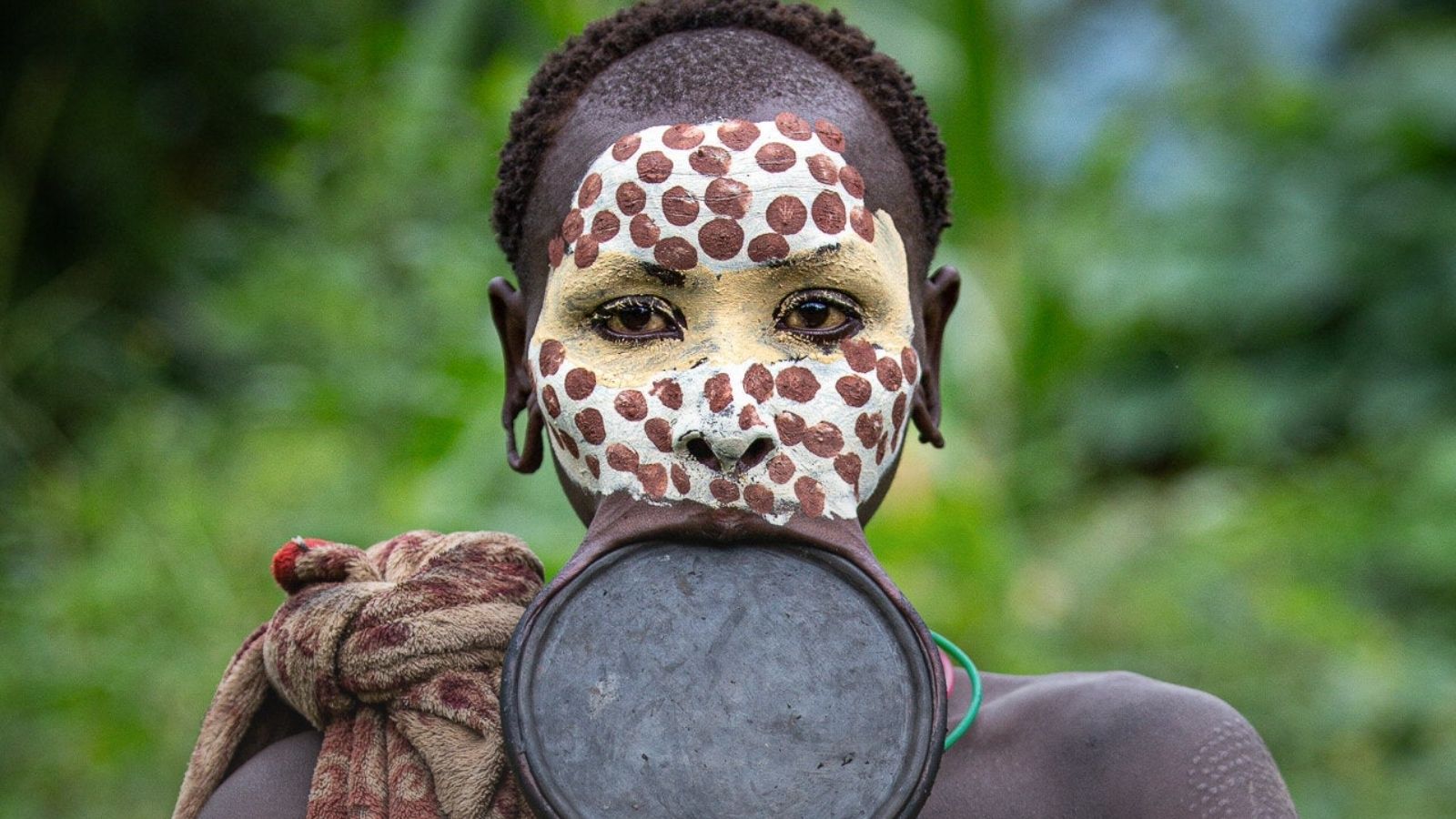
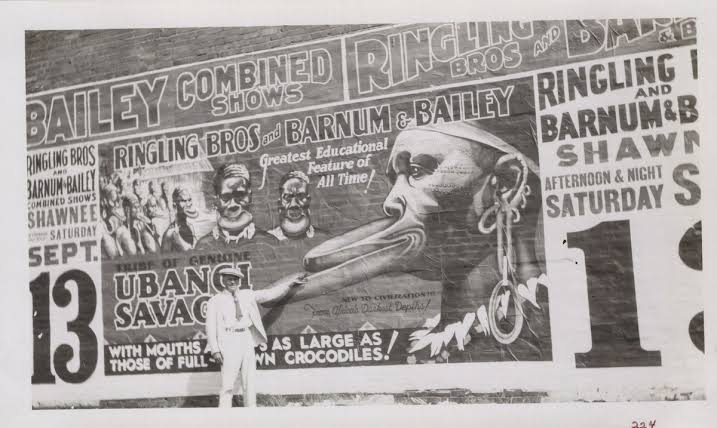
In 1930, thirteen Congolese people were placed on a sideshow stage in the United States and sold to paying crowds as the "Ubangi Savages." The women wore large discs in their lips. The posters promised something monstrous. What audiences actually got was a group of human beings from a different culture turned into an act.
Who Were the “Ubangi Savages”?
The “Ubangi Savages” were a troupe exhibited inthe Ringling Bros. and Barnum & Bailey Circus sideshow in 1930. The women, with their stretched lips and lip plates adornments, were the main attraction.
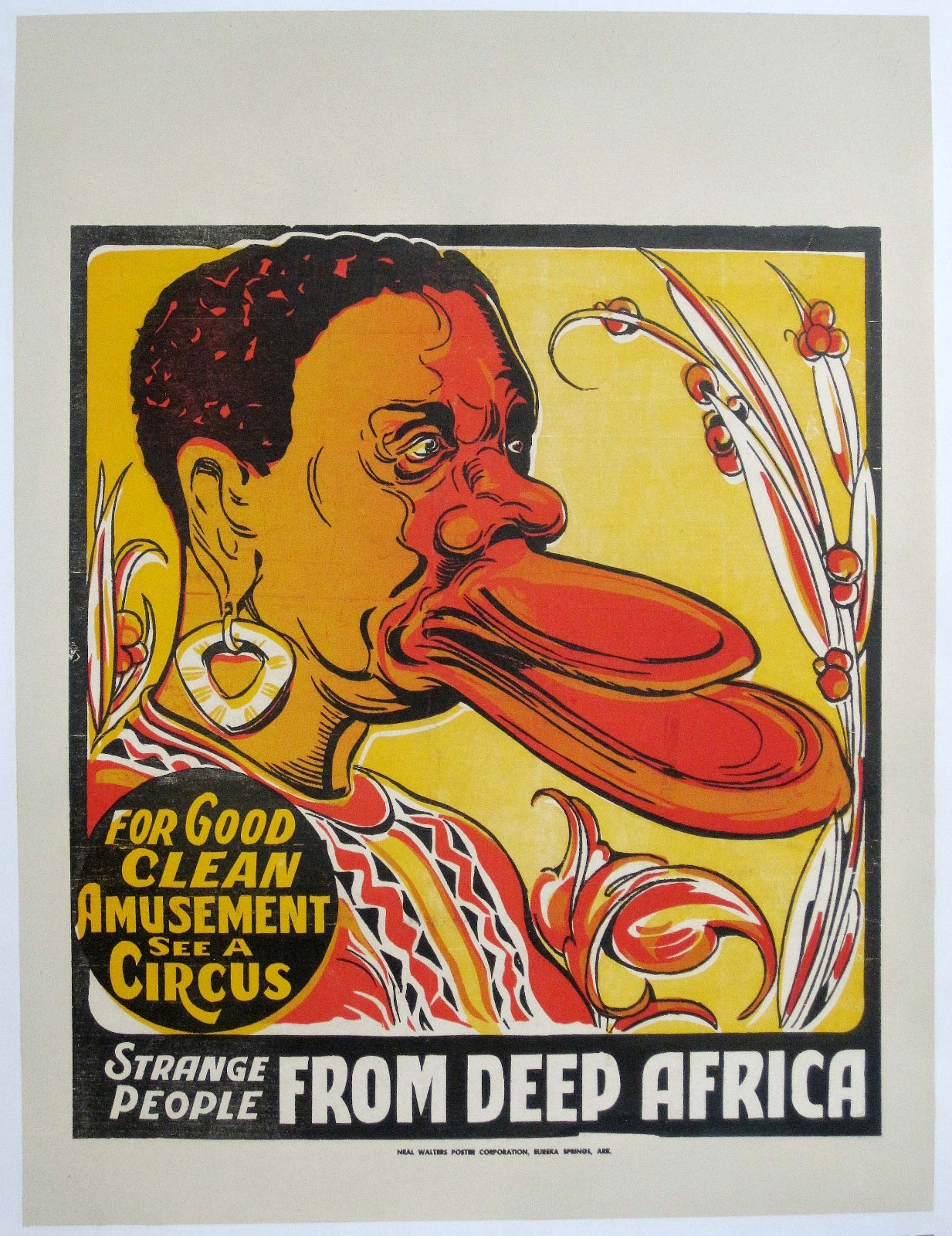
Promoters sold them as the ultimate "exotic" curiosity, a living specimen from a continent Western audiences were taught to see as wild: Africa.
The name was a lie and the first one. "Ubangi" was never the name of their ethnic group. It was lifted from the map, chosen because it sounded foreign and dramatic to Western ears.
The word "savages" then did the rest of the marketing, telling every ticket buyer exactly how to look at the people in front of them.
What Lip Plates Actually Mean in African Culture
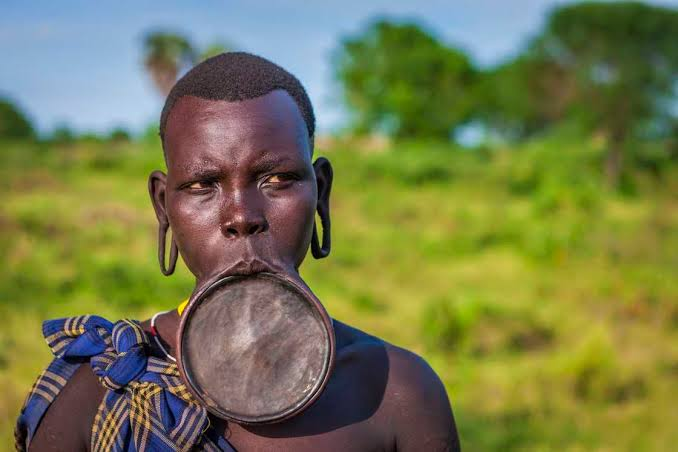
Lip plates are the cultural practices of several Central and East African communities. A girl's lip is pierced when she is young and gradually stretched over the years with larger discs of clay or wood.
The plate is symbolic of beauty, maturity, marriage and social standing.
At home, the lip plate tells a community who a woman is and where she belongs. On a circus platform, that meaning was stripped away and replaced with a caption and the women became an act.
Turning Another Culture Into a Sideshow
Cultural exploitation is what happens when a living tradition is pulled out of its setting and rebuilt as entertainment. The circus did not present the lip plate as a personal aesthetic choice. It framed it as deformity, a body to stare and measure against so-called normal Western “traditions” and faces.
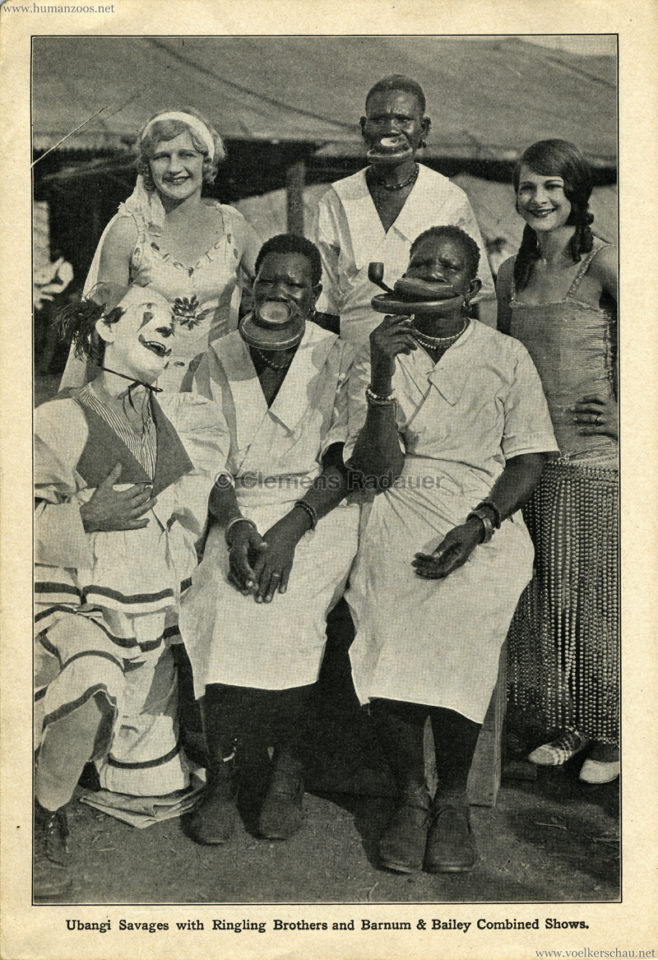
The showmen controlled every part of the story. They chose the name, wrote the backstories and designed the staging, so audiences saw what the promoter wanted them to see. Customers paid for the privilege of looking down on people, and the exhibit made that feel like education.
This is the core harm. A culture belongs to the people who live it, who know why a practice exists and what it carries. Once an outsider takes it, renames it and sells tickets, the culture becomes a prop and its owners become the cast.
Human Zoos and the Business of Exhibiting Africans
The “Ubangi Savages” did not exist in void. They belonged to a long tradition of human zoos, colonial expositions and world's fairs in Europe and America, where Africans were displayed in staged villages for crowds of paying visitors.
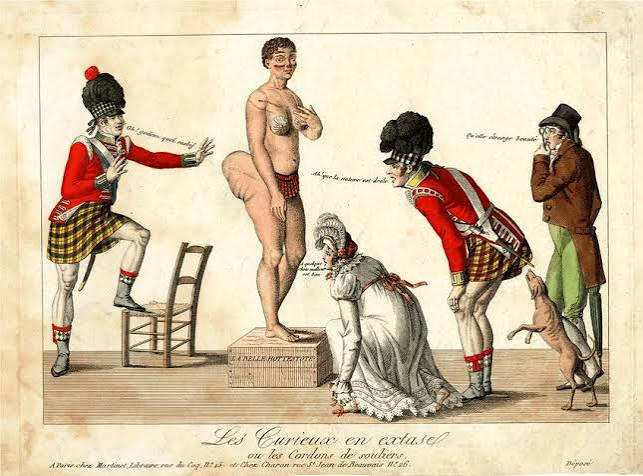
Saartjie Baartman was exhibited across London and Paris in the early 1800s. Ota Benga was shown in a Bronx Zoo enclosure in 1906. Millions of people queued for these shows.
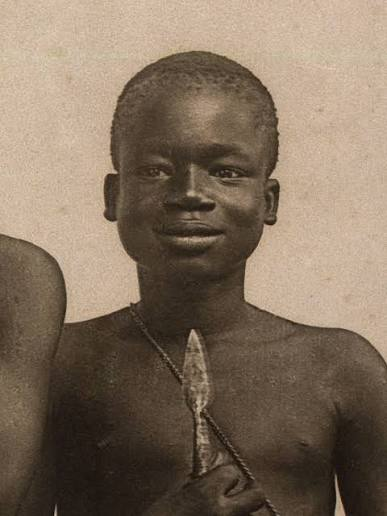

These exhibits went far from entertainment and fed the pseudo-science that ranked races, gave colonial rule a moral excuse and trained ordinary visitors to see Africans as less than fully human. The sideshow was the friendly, ticketed face of a much uglier idea.
How the Word “Ubangi” Entered Pop Culture
The damage did not end. "Ubangi" spread into advertising, novelty products, cartoons and nightlife, including a Harlem nightclub that borrowed the name.
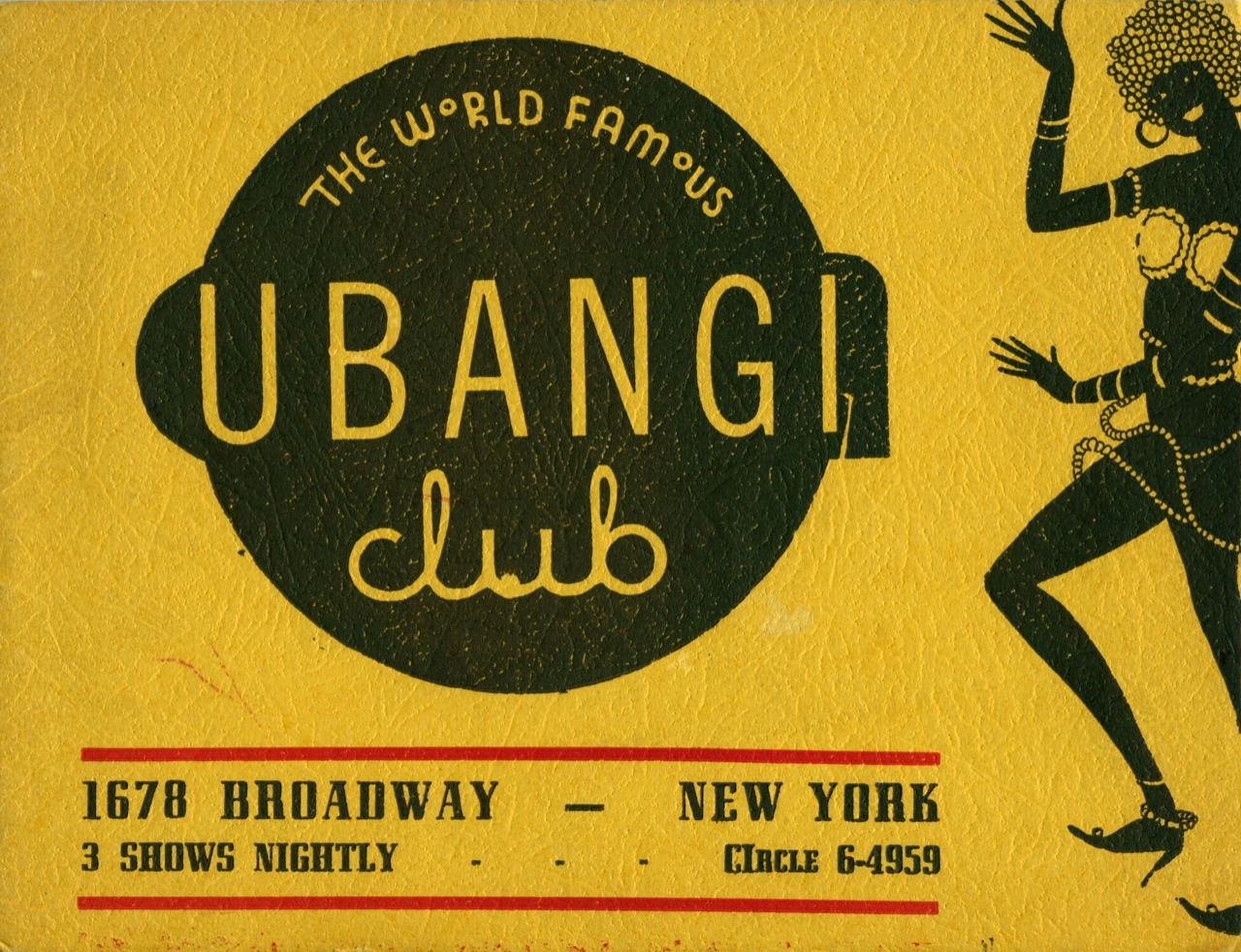
It became shorthand for an exaggerated, mocking image of Black women's bodies, detached from any real people or place.
That is the work of a label. Once a name is invented for profit, it keeps circulating long after the people it was stamped on are forgotten. The women behind the poster stayed anonymous while the caricature became famous.
Why the “Ubangi Savages” Still Matter Today
The circus tents might be gone, but the instinct is not. Today the same gaze shows up in travel content that treats communities as backdrops, in viral videos that film people without consent and in "tribe" tourism that sells access to traditional dress for a tip.
The format changed from a platform to a phone screen, and the power imbalance stayed.
Fashion has its own version. African body adornment is still lifted for runways, editorials and costume trends with little credit or context.
Next time you hear the name, “Ubangi Savages”, remember that it really was a marketing invention built on a real tradition.
The honest way to look at lip plates is to ask who wears them, what they mean to the wearer and who gets paid when someone else tells the story. Context separates real curiosity from spectacle.