The Unlikely Dumplings of Nigerian Cuisine
Nigeria has its own traditional dumplings. From Northern Nigeria’s danwake and fura to Ijebu ikokore and Efik ekpang nkukwo, meet the local foods that fit the dumpling definition.
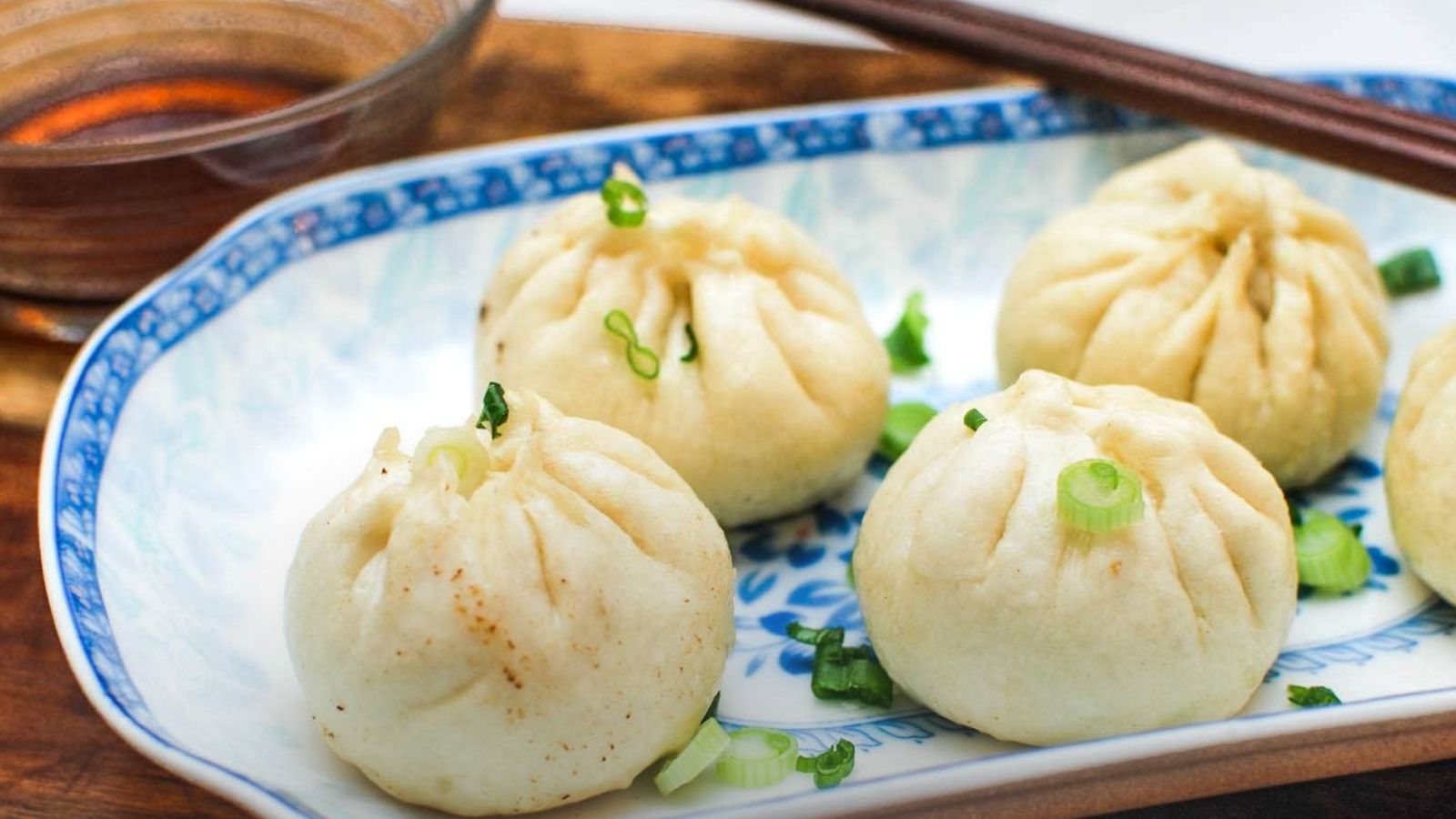
Nobody in Kano calls danwake a dumpling. They call it danwake, and they eat it with oil, pepper, and onions without a second thought.
Yet strip away the name and you are looking at small pieces of dough, boiled until tender and dressed with something flavourful. That is called a dumpling by any culinary definition.
Traditional Nigerian food hides more of them than most people realise, and none of them came from a packet or a fast food counter.
What Makes a Food a Dumpling?
A dumpling is simply dough or paste, shaped or portioned, then cooked by boiling or steaming.
Nigerian kitchens have been doing exactly this for centuries with beans, millet, cocoyam, yam and maize.The difference is that these foods carry local names, local processes and local seasoning, so the word, “dumpling”, never stuck.
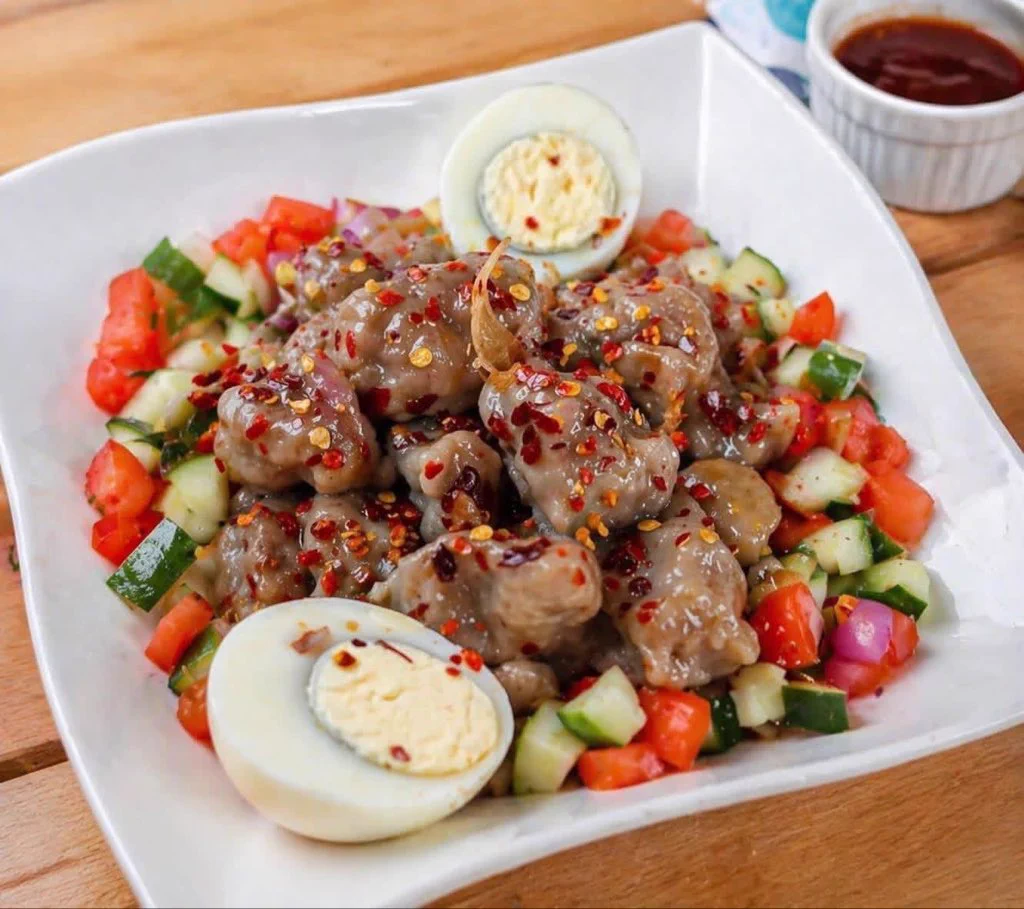
Danwake: The Hausa Bean Dumpling
Danwake is the clearest example of a traditional Nigerian dumpling. The name is Hausa and is built from wake, the word for beans.
Bean flour is mixed with a little cassava or sorghum flour and kanwa (edible potash) is added to bind the dough. The dough is then pinched into small pieces or rolled into thin ribbons. The pieces are dropped into boiling water and cooked until they float.
What makes danwake special is the dressing. It is served with groundnut oil, yaji, chopped onions, tomatoes and sometimes boiled eggs or fried fish.
Street vendors in Kano, Kaduna and Zaria sell it as a cheap, filling meal, and it remains one of the most loved Hausa foods for breakfast and evening snacking.
Fura: Millet Dumplings in Local Yoghurt
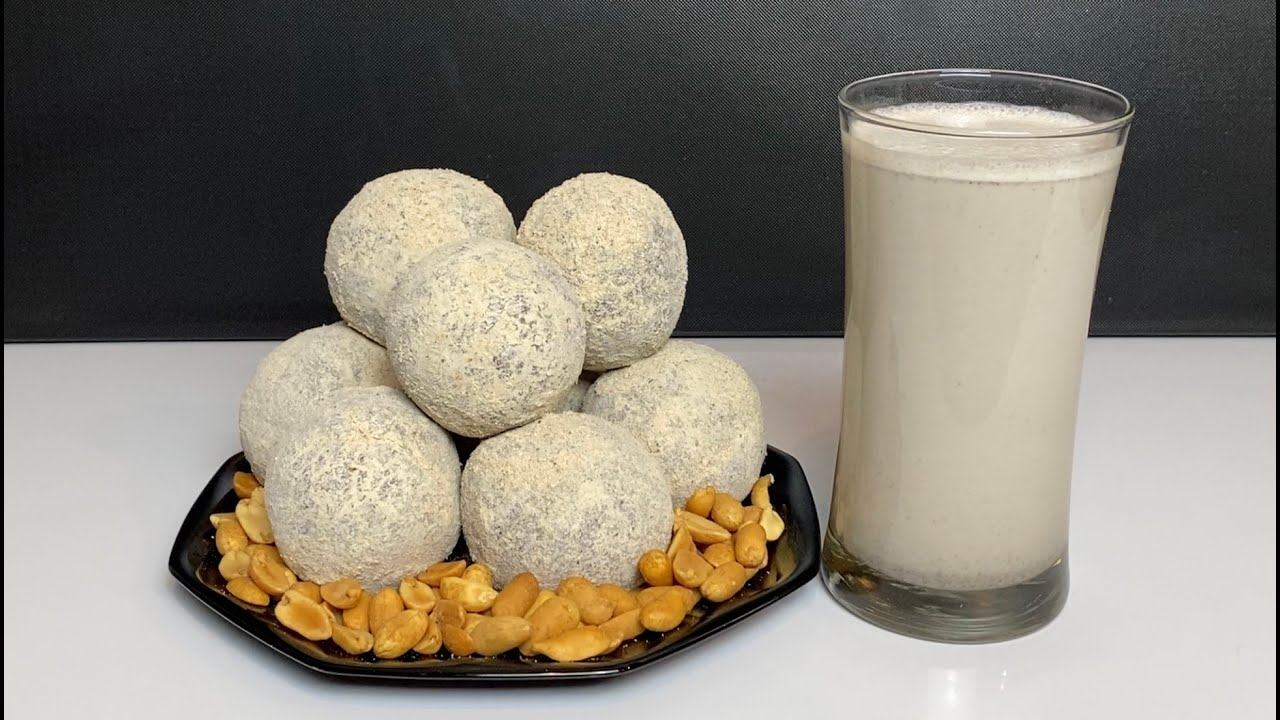
Fura is another northern favourite that fits the dumpling profile. Millet is milled with ginger, cloves and black pepper, cooked into a thick dough, then rolled into smooth balls.
The balls are crumbled or mashed into nono, the local yoghurt, to make fura da nono. Fulani herders made this a staple, and today it is sold in calabashes and plastic bowls across northern cities and beyond.
It is eaten cold and tangy, which makes it a refreshing meal in dry-season heat.
Ikokore: Water Yam Lumps from Ijebuland

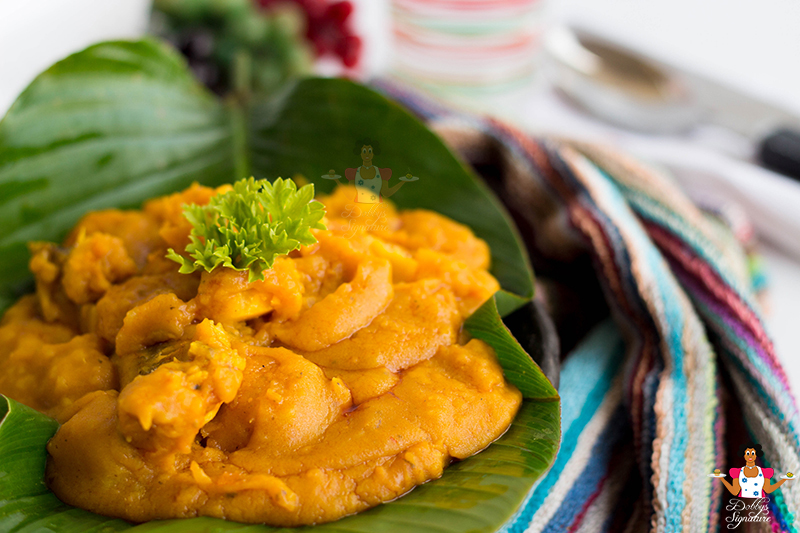
Ikokore comes from Ijebuland in Ogun State and is built on water yam. The tuber is grated into a wet, starchy paste, then dropped by spoonfuls into a bubbling sauce of palm oil, pepper, onions, crayfish and smoked fish.
The paste firms up in the heat and forms soft, irregular lumps that sit in the broth. Unlike a pudding, nothing is wrapped or steamed.
The dough cooks directly in the liquid it will be eaten in, which is exactly how a dumpling stew works.
Ikokore is Ijebu comfort food, often cooked for gatherings and family meals. The sauce is rich, peppery and heavy with smoked fish, and the yam lumps soak it up as they soften.
Some people like a slightly dry, crusted bottom layer, others prefer it loose and saucy.
Many Ijebu cooks treat their own recipe as a real point of pride. Either way, it is a hearty one-pot meal with a place in any serious conversation about Nigerian dumplings.
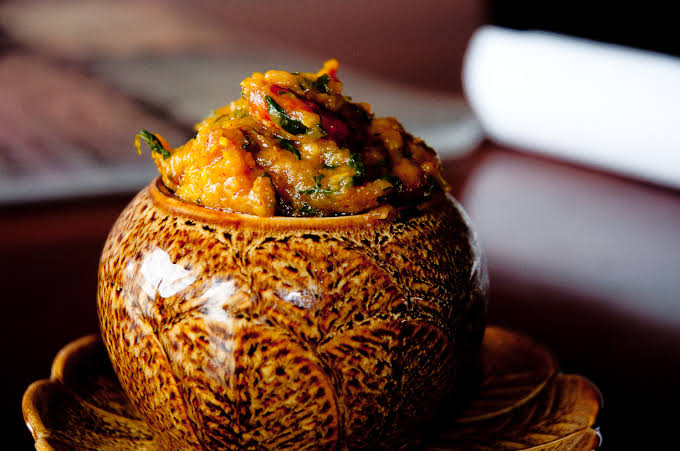
Ekpang Nkukwo: The Efik and Ibibio Cocoyam Parcels
Ekpang nkukwo is the closest Nigerian answer to a wrapped dumpling.
Grated cocoyam, sometimes mixed with water yam, is wrapped inside cocoyam leaves and layered in a pot. It cooks slowly in palm oil, crayfish, pepper, dried fish and periwinkles, while absorbing the rich seafood broth as it softens.
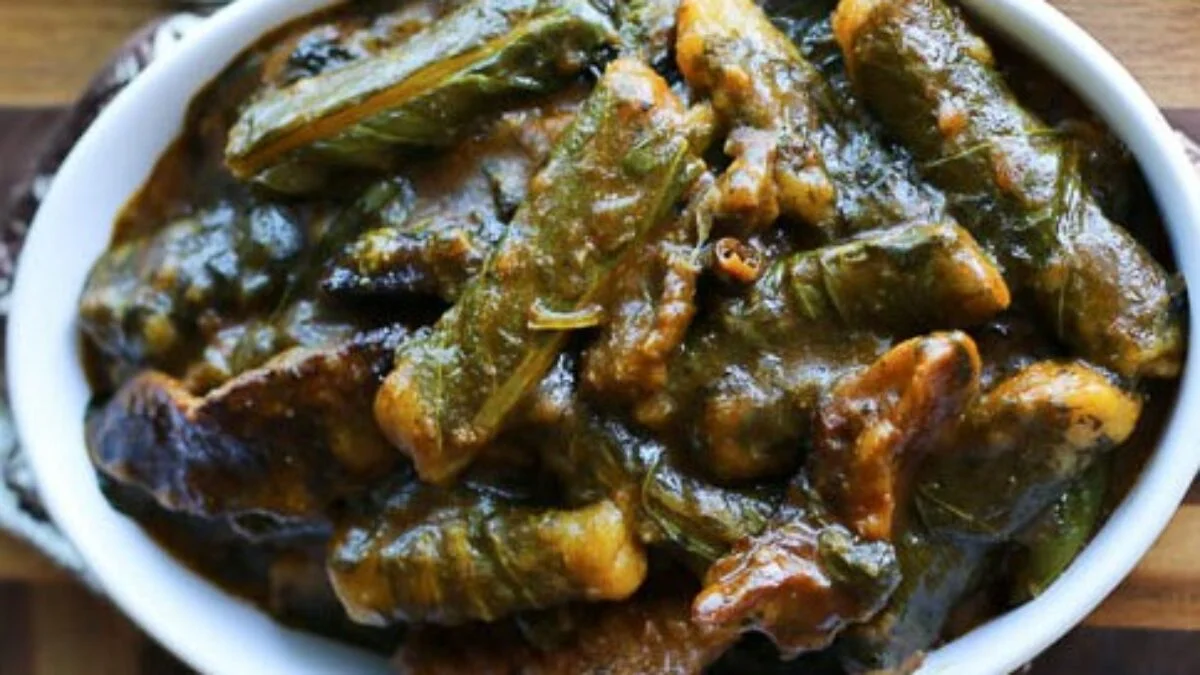
The result is a savoury, slightly sticky parcel that belongs to Efik and Ibibio kitchens, where it is often served at celebrations.
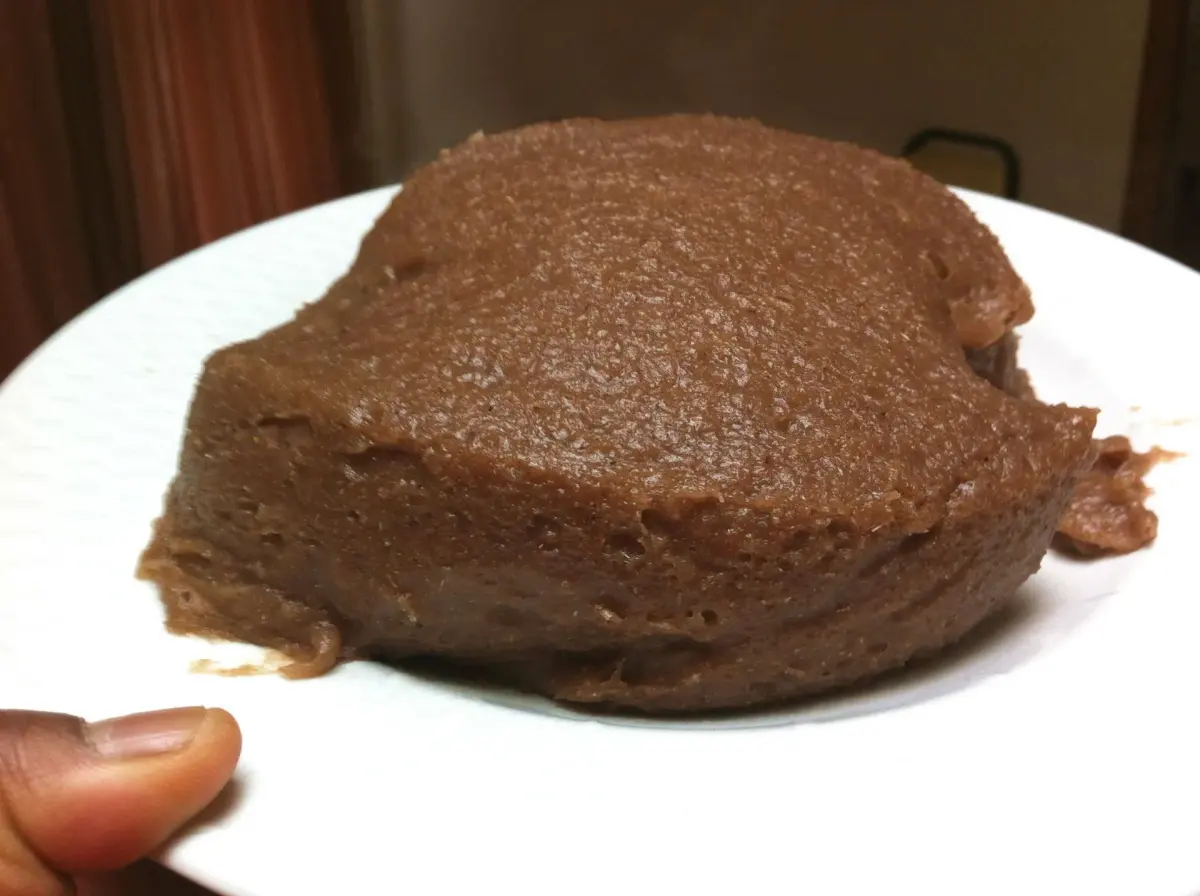
Swallows: The Dumplings Nigerians Eat With Soup
Then there are the swallows, which is a bit complicated. Tuwo, eba, amala, pounded yam and fufu are all dough, cooked and moulded into smooth balls.
Nigerians cut off a piece, dip it into any soup of their choice, and swallow it with little chewing.
Whether they count as dumplings is a fair debate, since the soup is eaten alongside rather than around them.
They sit on the far edge of the category, but they prove that hand-shaped dough served with soup runs through Nigerians eating from the North to the South.
Where to Try Traditional Nigerian Dumplings
The best versions are rarely in restaurants. Look for danwake and fura vendors in northern markets, and ikokore at Ijebu eateries and Yoruba owambe parties.
For ekpang nkukwo, Efik and Ibibio eateries in Calabar and Uyo are your safest bet. Lagos kitchens serve several of these too, so you do not need a flight to start tasting.
Why Nigerian Dumplings Deserve Global Attention
Food conversations often treat dumplings as something that belongs to East Asia, Poland or Italy. Nigeria’s version never needed a translation, because it was never trying to join that list.
Danwake, fura, ikokore and ekpang nkukwo grew out of local grains, beans and tubers, shaped by climate, trade and community.
Calling them dumplings does not necessarily mean renaming them. It is about seeing how widely humans reach for the same comforting idea, and how Nigerians perfected it long before anyone gave it a label.
When someone asks if Nigerians eat dumplings, say yes, and start with danwake.