6 Nigerians Shaping How We Experience Nigerian Food
Meet six Nigerians shaping Nigerian food in different ways, from documenting food histories and teaching culinary skills to rethinking indigenous ingredients, preserving recipes online and taking Nigerian food beyond the country.
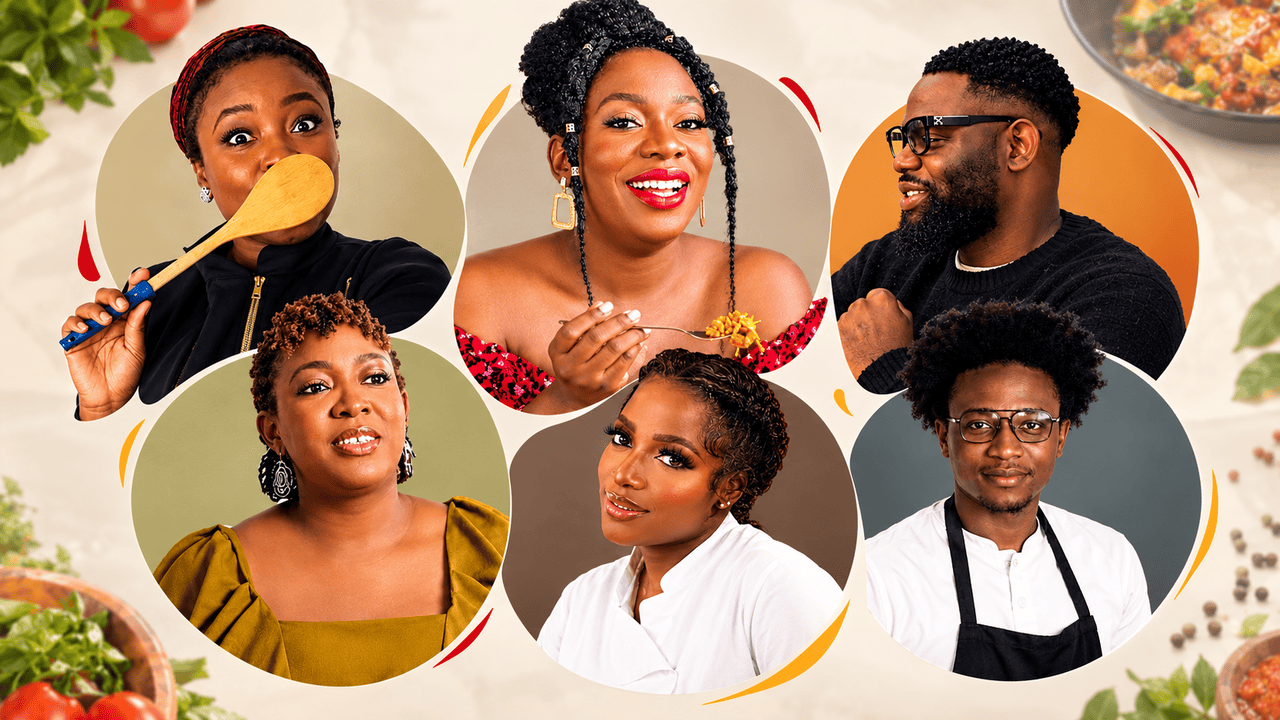
We already know Nigerian food.
We know what a good plate of jollof should look like, we know the arguments over the best swallow, the right way to make egusi and what belongs in a proper pot of soup.
But there are also the people deciding how that food is recorded, taught, interpreted and shared.
While some are preserving recipes and food histories, some others are teaching people to build businesses around cooking, researching ingredients and regional cuisines, making everyday meal planning easier or taking Nigerian food and language to audiences outside the country.
They are working in different ways, but together they show that Nigerian food culture is being shaped well beyond the kitchen.
These are six of the many Nigerians shaping the food ecosystem in different ways.
Telling the Stories Behind Nigerian Food — OZOZ SOKOH
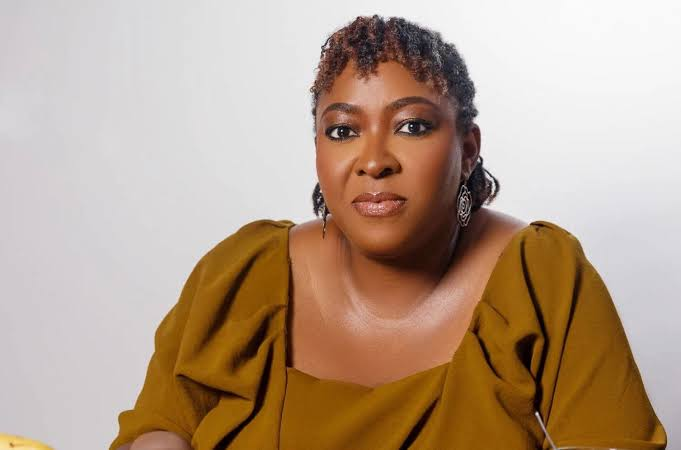
If you have spent time around Nigerian food online, you have probably come across Ozoz Sokoh's Kitchen Butterfly.
She started the platform in 2009, and her work has grown into much more than a collection of recipes. Sokoh approaches food through exploration, research and education, documenting Nigerian ingredients, dishes, cooking traditions and their histories.
Her book, Chop Chop: Cooking the Food of Nigeria, brought much of that work together. In 2026, it won theJames Beard Foundation's Emerging Voice in Books award.
A recipe can tell you how to cook a dish, but does not always tell you where the ingredients came from, why a particular method is used or how the dish travelled from one community to another.
That is the space Sokoh has spent years documenting.
Teaching the Business Side of Cooking — HILDA BACI

Hilda Baci became widely known for her cooking marathon, but her work around food has continued beyond that moment.
She founded the Hilda Baci Academy in 2021, and the platform teaches cooking alongside areas such as costing, plating, food business and content creation. The academy currently says it has trained more than 25,000 students.
Someone may know how to make good food but still struggle with pricing it, presenting it, marketing it or turning the skill into something sustainable.
Baci's academy is built around that wider picture. It has alsosupported students with food trucks and other opportunities to help them move from learning into practice.
Her influence on Nigerian food, then, is not limited to what she cooks. It also sits in the people she is teaching to make a living from cooking.
Exploring What Nigerian Ingredients Can Become — MICHAEL ELÉGBÈDÉ


Chef Michael Adé Elégbèdé has taken a more research-heavy route.
His work has involved looking closely at Nigerian and West African ingredients, food traditions and the stories attached to them before bringing those ideas into contemporary cooking.
That thinking became part ofÌTÀN Test Kitchen, the restaurant and culinary research project he founded in Lagos.
At ÌTÀN, which closed in 2024, ingredients that we already recognise appeared in unfamiliar combinations and techniques. The point was to examine what was already there and see what else could be done with it.
That approach put indigenous ingredients, regional food traditions and contemporary Nigerian cuisine in the same room.
Building a Nigerian Food Archive Online — ATIM UKOH
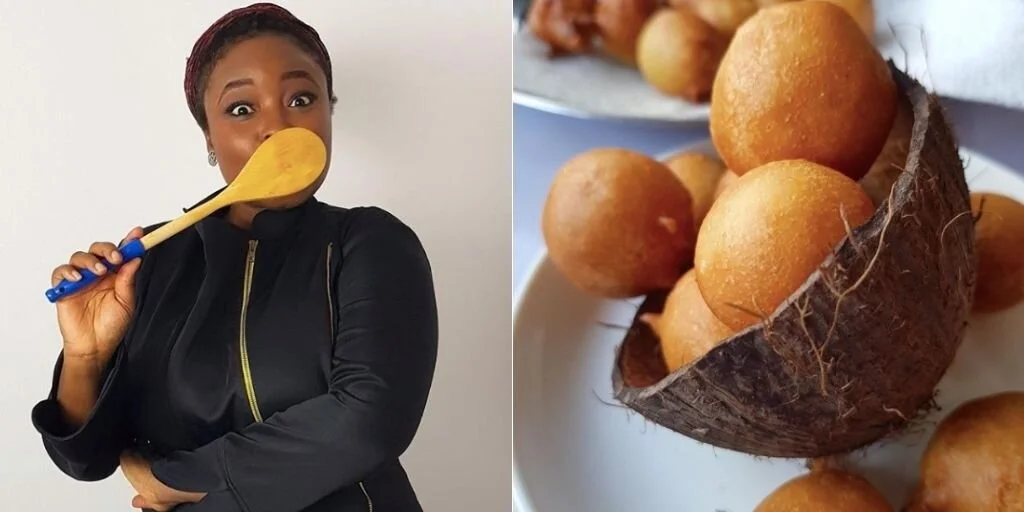
There was a time when finding a Nigerian recipe online often meant digging through food blogs and trying to work out which version made sense.
Atim Ukoh was already doing that work.
ThroughAfrolems, which she founded in 2010, Ukoh has spent years documenting Nigerian and African recipes, cooking techniques and food ideas online.
The platform has grown beyond recipes into private dining, catering and culinary direction, but the archive remains an important part of what she has built.
You can find recipes for familiar Nigerian dishes alongside different ways of working with ingredients, giving people a digital place to return to when they want to cook something they know or try something they do not.
Her work is at the intersection of food documentation and food media, at a time when much of how people learn to cook happens through screens.
Solving the Everyday "What Are We Cooking?" — SISI YEMMIE

Then there is the ordinary side of food: deciding what to put on the table tomorrow.
That has been a big part of Sisi Yemmie's food content for years. Her recipes and meal-planning content focus on the practical side of Nigerian home cooking, where the challenge can be knowing what to cook repeatedly without exhausting yourself.
In 2026, she took that idea further with a365-day meal plan, covering breakfast, lunch and dinner across the year.
It speaks to a familiar part of Nigerian food culture. The recipes we celebrate are only one part of what keeps a food culture alive; there is also the everyday work of deciding what to cook, shopping for it and putting it on the table.
Taking Nigerian Food Beyond Borders — JEUNPELUMI

Tolulope Fadare, better known online as Jeunpelumi, brings another dimension to the story.
Originally from Ifaki-Ekiti and now based in Warsaw, Poland, he has built a large audience around Nigerian food content, often using Yoruba in his videos.
BusinessDay reported in May 2026 that his fried-rice video had passed 40 million views across platforms and one million saves, while his combined audience had grown beyond one million.
Fadare is cooking Nigerian food outside Nigeria and presenting it through a language and cultural references that connect directly to home. His audience is not limited to people sitting in Nigerian kitchens.
These six people are not trying to do the same thing.
Their work points to something easy to miss when food is reduced to recipes and restaurant reviews.
A food culture survives because people keep cooking it, but it also evolves because people keep recording it, teaching it, questioning it and finding new places to take it.