10 Nostalgic Northern Nigerian Snacks That Take You Back to Your School Days
A nostalgic journey through Northern Nigerian school days, revisiting 10 beloved snacks—from gurasa and masa to zobo and alewa that once made break time the best part of the day.
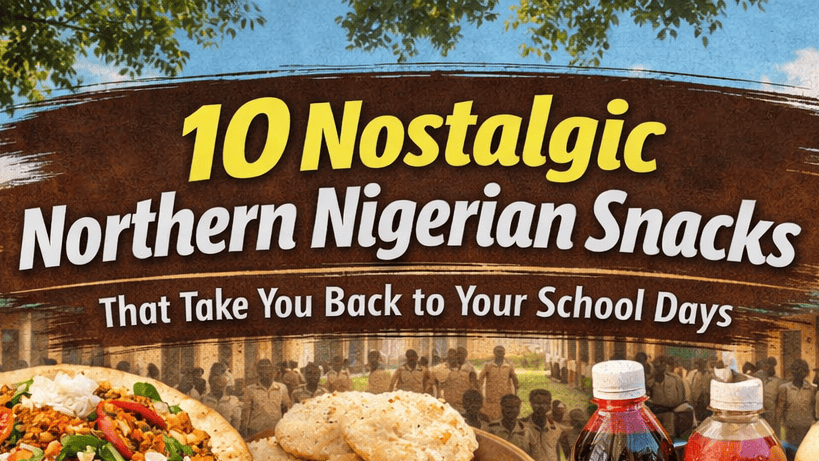
Growing up in the Northern part of Nigeria meant the snacks you had during your break-time were between full meals and something to keep the mouth busy. Some felt too healthy while some had enough sugar to induce an early diabetes diagnosis.
It also meant you had to choose between biscuits, conventional snacks, the Hausa snacks, fresh fruits or your homemade meal. If you were like me who ate both the homemade meals and the break-time snacks, here are 10 treats that will take you back to your school compound:
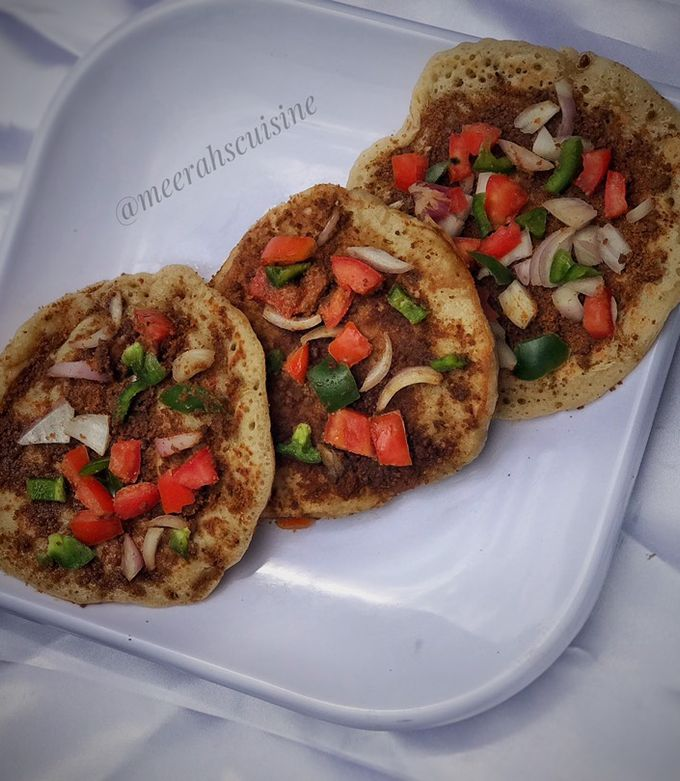
1. Gurasa:
The woman positioned under the big tree in your school compound with a plastic 5-liter transparent bucket definitely had this flat bread garnished with kulikuli, yaaji, and other spices alongside the tomato, cabbage and cucumber as toppings for sale.
Now, this is the snack that sits somewhere between a meal and something to just munch on. The ultimate afternoon snack, enough to take you through that annoying afternoon Mathematics class.
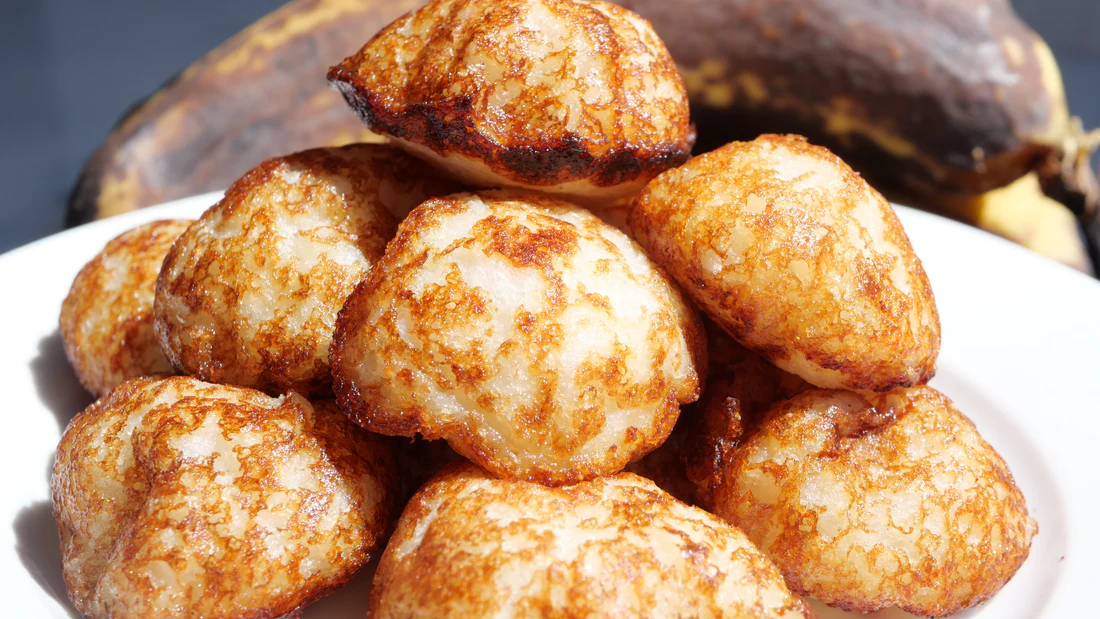
2. Masa:
Masa is like a chameleon. It adapts to settings. It can serve as your dinner and also as your go-to let me keep my mouth busy. Made from fermented local rice, masa can be served with Miyan taushe, a soup that is fit for it, or yaaji, depending on your preference.
Students especially loved this delicacy. It was very filling and it could serve as their lunch for the day.
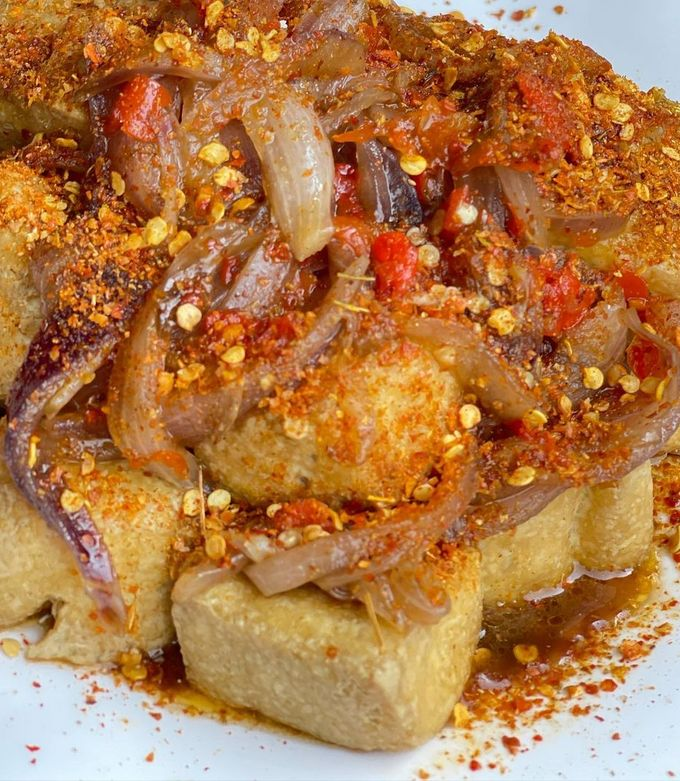
3. Awara:
Awara was – and still is – so irresistible that it could exhaust your entire school allowance for the day. Made from soya beans, it could be white or brown, served with onions and yaaji. I especially loved the slightly fried version – soft, fluffy, and very friendly to spices.
Many mistake Awara for Wara (non-northerners, of course) — Awara is made from soya beans while Wara is the local cheese.
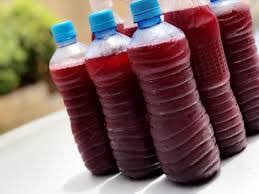
4. Zobo and Kunu:
Everyone knows Zobo now but what they don’t know is the Northern taste. Zobo was the students’ version of Coke. Packaged in plastic bottles that fill up a big cooler full of ice or maybe iced up in transparent nylons, Zobo was that guy.
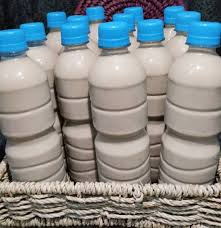
Kunu was our milk and a cure to our cracked voice from screaming the national anthem. Made from millet, kunu alongside zobo ruled the drink palates of many students.
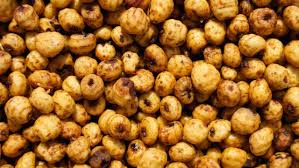
5. Aya:
Also known as tigernut, Aya was that snack you could easily sneak into the classroom. It could come in its natural form, fresh or dried, or it could come with a literal sugar coating. This was the ultimate keep-my-mouth-busy snack and still is.
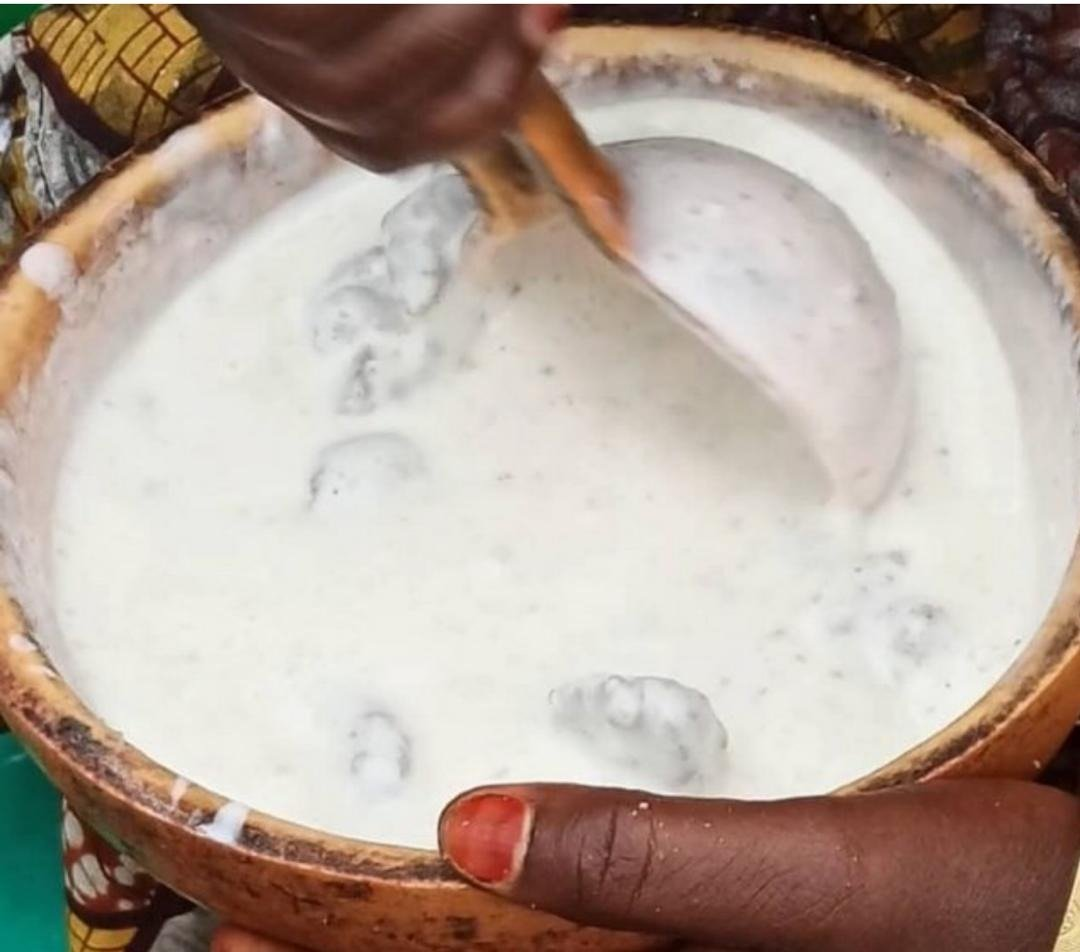
6. Fura de nono:
We were already eating our own greek yogurt before the whole gym craze started.This is a millet meal made into balls (fura) served in the local yogurt (nono).
You wouldn't typically find this in the school compound, but you see that woman you meet on the road after school, or even in front of your school gate? Yes, she sells it. It is highly nutritious and best enjoyed when chilled.
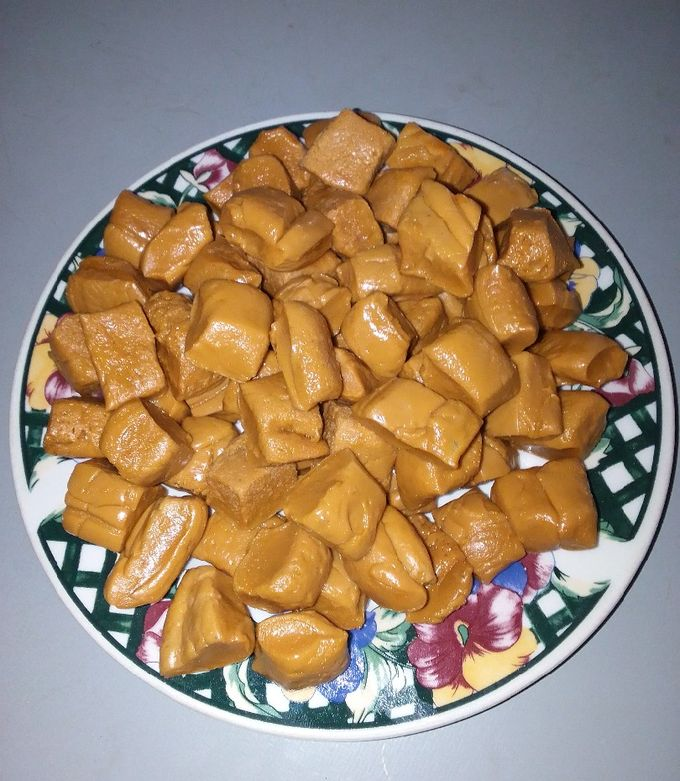
7. Iloka:
We had our own sweets too. Those sweets that do not come in the fancy packs like the conventional candy and are probably sold by that wooden shop attached to the fence of your school. Made from condensed milk, butter, oil and other ingredients, this chewy goodness gave us our sugar rush.
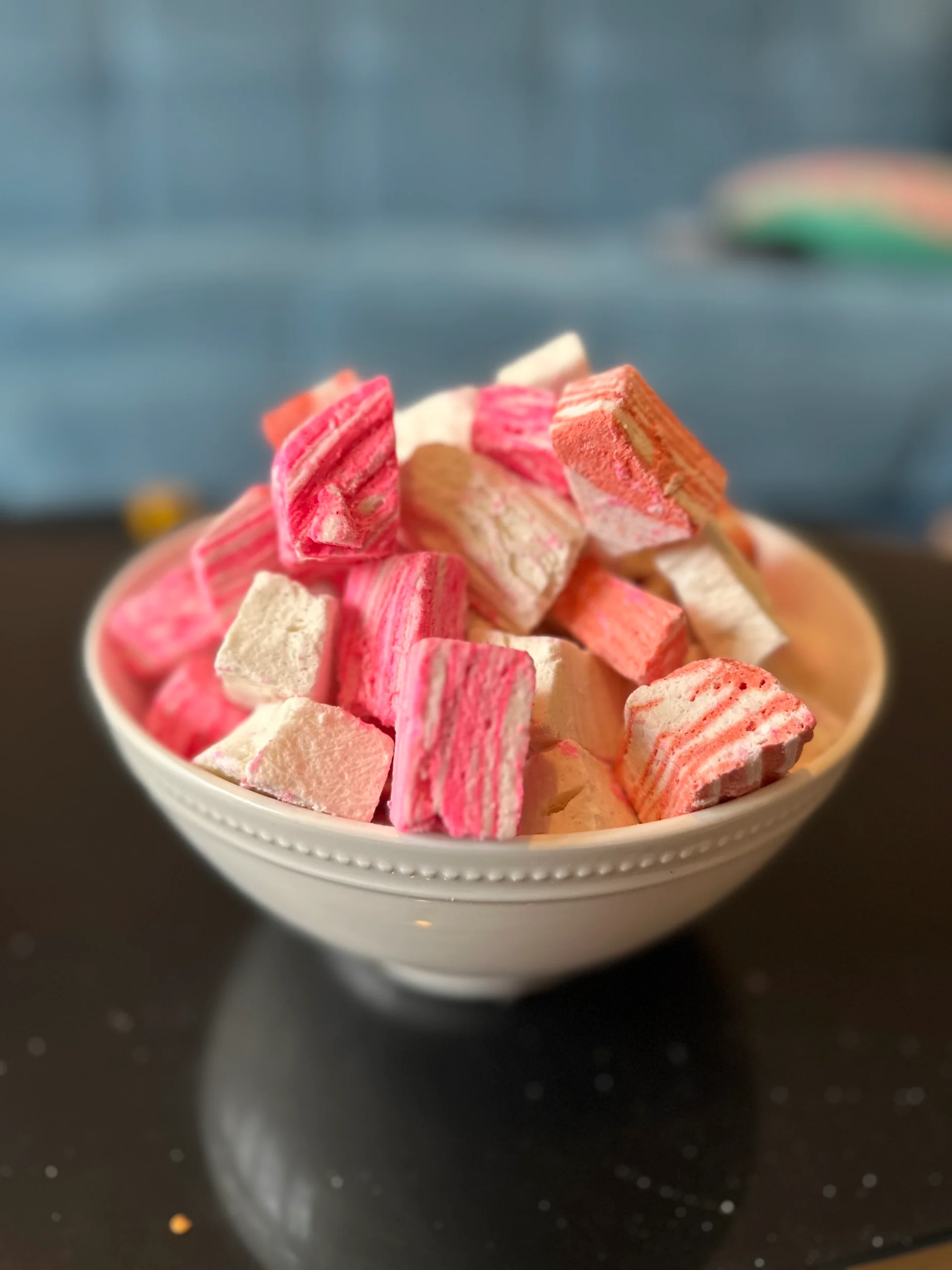
8. Alewa Madara:
The local toffee that tested the strength of your teeth. Alewa was hard candy at its finest. The madara (milk) version was especially popular, made with condensed milk and sugar. Usually white or sometimes coloured pink, alewa was sold by street vendors and could be found at almost every corner near the school.
It was cheap enough and sweet enough to make you forget about that upcoming test.
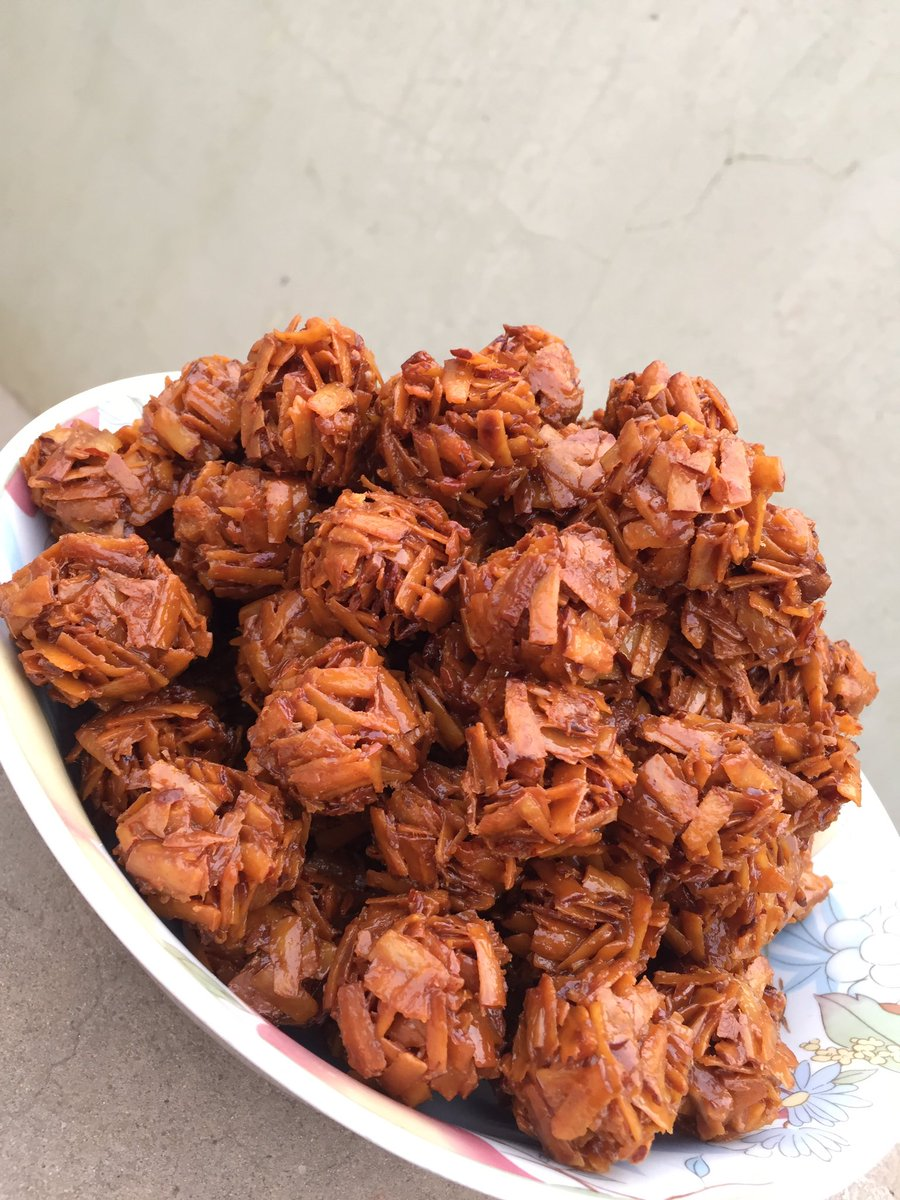
9. Kwakumeti:
Also known as coconut candy. If you wanted something crunchy and sweet, kwakumeti was your go-to. Made from shredded coconut and caramelized sugar, this golden-brown treat had a distinctive nutty flavor that was absolutely addictive.
Kwakumeti is that awara competitor for your allowance. The process of making it involved toasting the coconut with sugar until it turned that perfect caramel color, then shaping it while it was still warm.
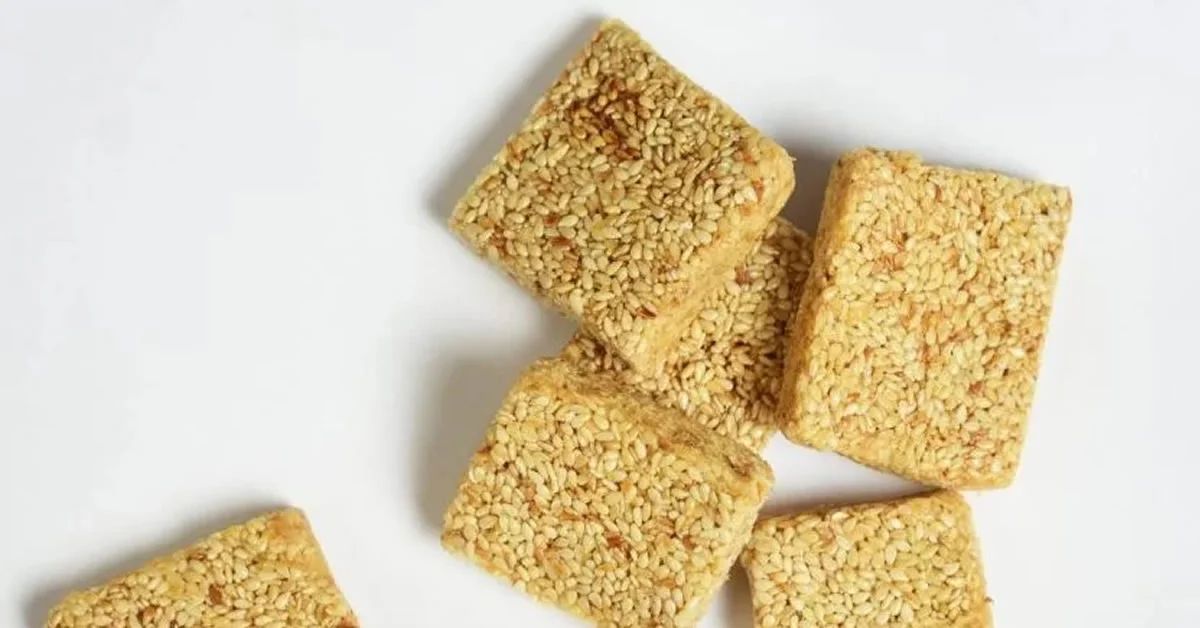
10. Ridi:

Ridi is also known as sesame seed candy or kantun ridi. Made from roasted sesame seeds held together with honey and sugar syrup, ridi was cut into rectangular or diamond shapes and had this beautiful golden-brown color that made it look almost too good to eat. Almost.
Ridi was often sold wrapped in clear plastic, and breaking off a piece gave you that satisfying crack that let you know you were in for a treat.
When N20 Could Buy Happiness
These snacks were more than just food, they were the currency of childhood, the reward for surviving another day of classes, and the simple joys that made growing up in Northern Nigeria special.
Today, some of these snacks are harder to find, replaced by packaged chips and imported candy. But for those of us who grew up munching on masa during break time and washing it down with ice-cold zobo, these treats will always hold a special place in our hearts.
They remind us of simpler times when ₦20 could buy you happiness in the form of alewa, and the biggest decision of the day was whether to get kwakumeti or save your money for ridi after school.