NBA Eyes Expansion: Seattle, Las Vegas Lead Race for New Teams
The NBA is moving closer to its first expansion in nearly two decades, with a board of governors vote expected to explore adding Seattle and Las Vegas franchises for the 2028-29 season. This expansion is driven by significant economic incentives for current owners and is widely considered inevitable. Discussions are underway regarding the logistics, including potential conference realignments and expansion draft rules.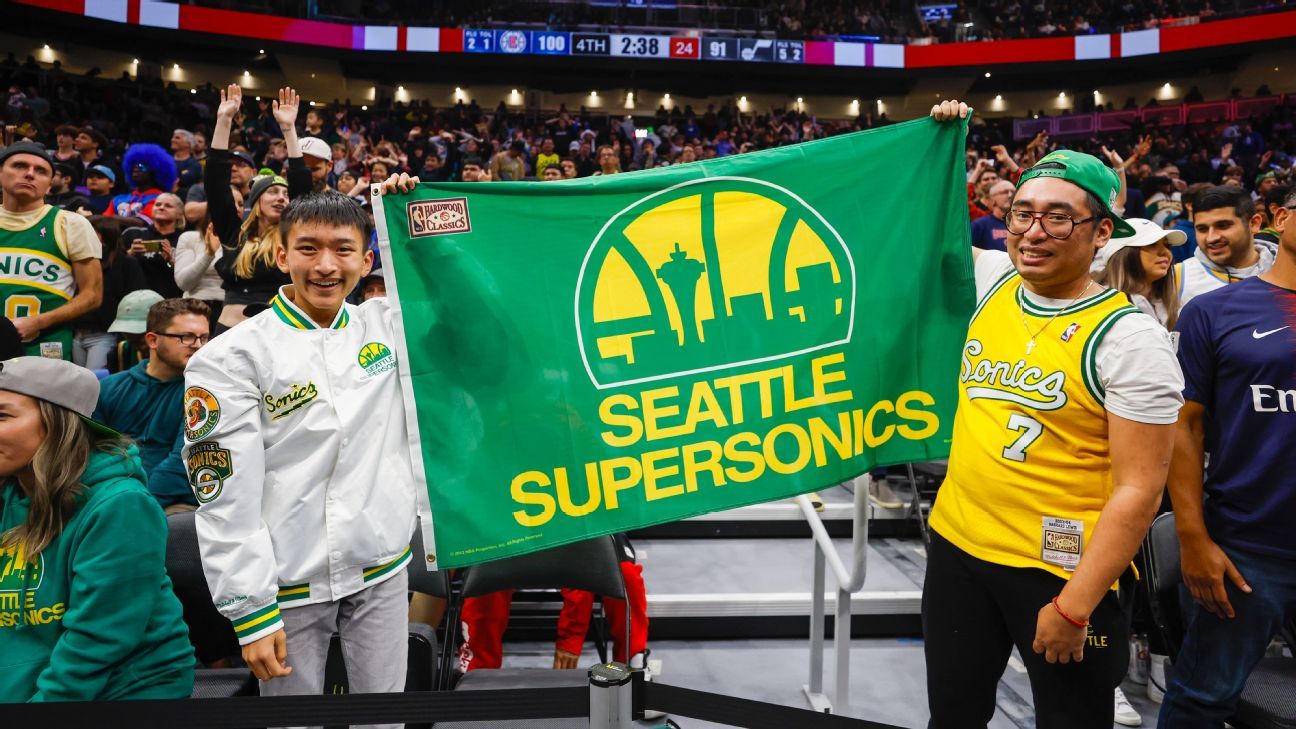
The NBA is getting bigger! After almost 20 years, the league is planning to add two new teamsas the Commissioner Adam Silver first mentioned the idea in 2020, and now it’s finally happening.
The NBA will hold a vote at the board of governors meetings next week to explore adding expansion teams exclusively in Las Vegas and Seattle, sources told ESPN, with the two new franchises being targeted to start play in the 2028-29 season.
The NBA is likely to add new teams, and the reason is money and the current owners get all the expansion fees, which could be huge, possibly $7–10 billion per team.
With two new teams, each owner could earn around $500 million. What used to be debated now seems almost certain, with a decision expected at the July board meeting in Las Vegas.
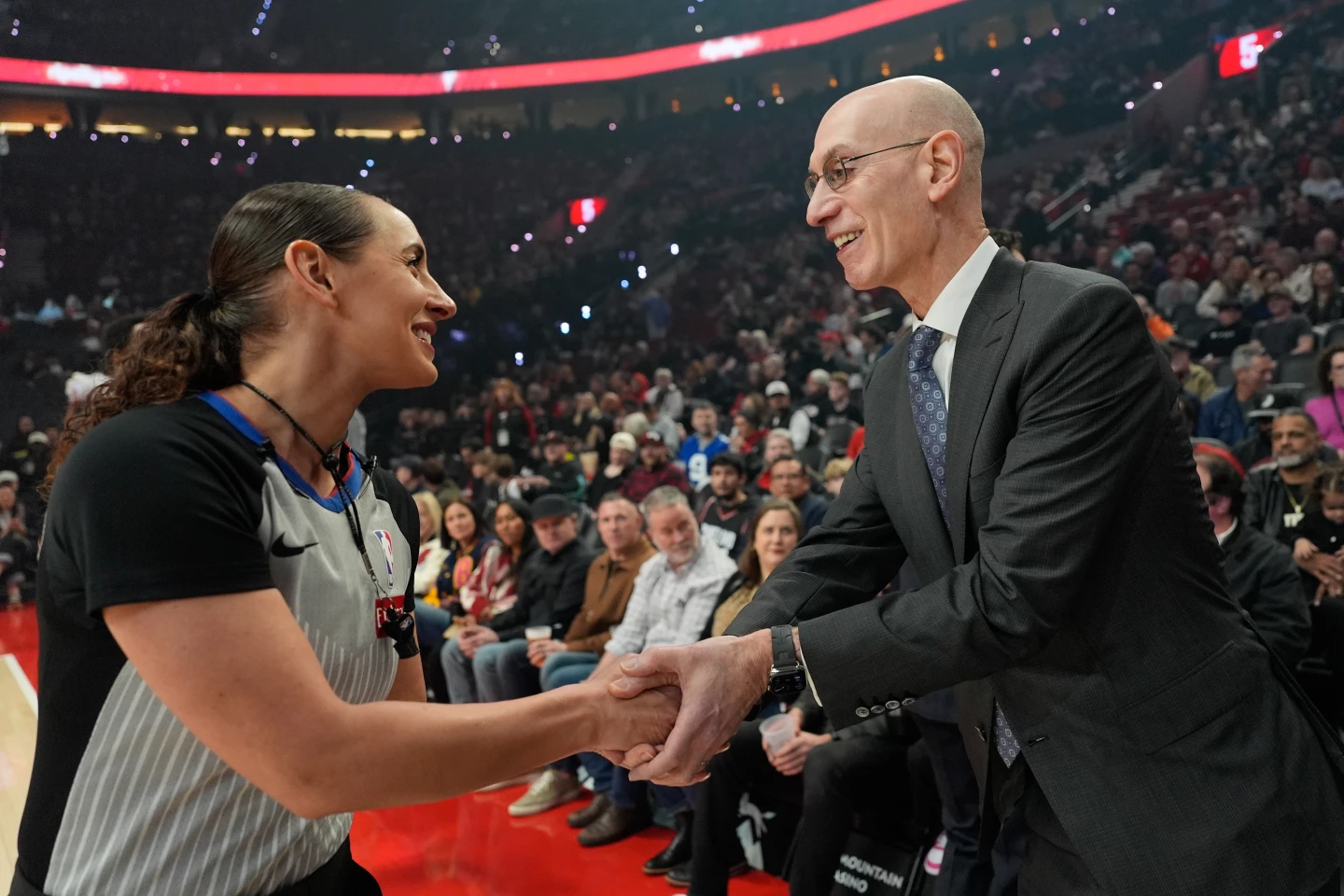
Adding a new NBA team is up to the board of owners, who need 23 out of 30 votes to approve it.
The players’ union can’t vote, but they support it, since it would create more spots for players.
Seattle is a top choice. Nearly 20 years after the SuperSonics left for Oklahoma City, the city could finally get a team back in 2028–29.
The old arena problem is solved, the renovated Climate Pledge Arena is ready, already hosting the WNBA’s Storm and NHL’s Kraken.
For Seattle fans, it would be a long-awaited return.
Las Vegas has become the NBA’s “31st city.” Its Summer League is a major event, and it’s hosted the Emirates NBA Cup finals for three years.
The city has also become a sports hotspot with the Raiders (NFL), Aces (WNBA), Golden Knights (NHL), and soon the Athletics (MLB).
Other cities like Mexico City, Vancouver, and Nashville get attention, but none shine like Vegas. Maybe one day, the NBA could even expand to Europe.
If the NBA returns to Seattle, the SuperSonics name, logo, colors, and history would come back too, thanks to a 2008 deal with the Thunder.
That includes retired jerseys and the 1979 championship trophy, and it would be like hitting the reset button on the city’s basketball legacy.
Bringing in Seattle, and maybe Las Vegas, would also shake up the Western Conference.
One team would need to move east, with the Timberwolves, Pelicans, or Grizzlies most likely. Minnesota makes the most sense geographically, though it could be a heated debate.
The NBA is expanding to 32 teams, but the playoff format will mostly stay the same with ten teams will still make it to the postseason, six automatically and four through the play-in tournament.
The draft lottery will change slightly, with six teams now entering instead of five.
The NBA Cup could get more exciting. With 32 teams, the league could copy the FIFA World Cup style: eight groups of four teams each.

Every team would play on the last day of group games, and the top two from each group could move to the knockout stage or only group winners could advance.
The league will carefully review rules before the expansion, including the draft, spending limits, and draft picks. They want new teams to compete fairly without getting an unfair advantage.
Looking back, when the Charlotte Bobcats joined in 2004, teams could protect eight players, leaving at least one unprotected and the restricted free agents could be drafted but might be lost by the new team.
Teams could only pick one player from each franchise but the rules will need updates for today’s game, like handling two-way players.
With the right rules, the NBA’s expansion could bring fresh excitement for fans.
When a new NBA team joins, building a roster is a challenge and in 1995, the Toronto Raptors and Vancouver Grizzlies took turns picking players from other teams.
Vancouver won a coin toss but let Toronto pick first in the draft but in 2004, the Charlotte Bobcats tried signing free agents, but only one out of nine actually stayed.
Expansion teams usually pick in the first round of the draft, but not first overall.
Vancouver picked sixth, Toronto seventh, and Charlotte started fourth in 2004 before trading up. Even in their second season, new teams can’t get the No. 1 pick.
Money is tighter for new teams. They start with a smaller salary cap, around two-thirds of what existing teams get.
For example, a 2028-29 expansion team would have a cap of about $122 million, rising to the full cap by year three.
They must also spend at least 90% of that cap to meet the salary floor.
You know, fun fact: if a drafted player is waived, their salary counts toward the floor—but not the cap.
Starting from scratch isn’t easy, but smart drafting, trades, and budgeting can help new teams compete fast.