NBA Faces Major Tanking Scandal: Owners Speak Out, League Prepares New Rules

Published 1 hour ago5 minute read
Precious Eseaye
Precious Eseaye
NBA Faces Major Tanking Scandal: Owners Speak Out, League Prepares New Rules

The National Basketball Association (NBA) is currently grappling with a pervasive and escalating issue of tanking, a practice where teams intentionally underperform to secure more favorable positions in the annual draft lottery. This problem has reached such a critical point that it is undermining the league's competitive integrity and fan engagement, drawing sharp rebukes from Commissioner Adam Silver and prominent team owners.

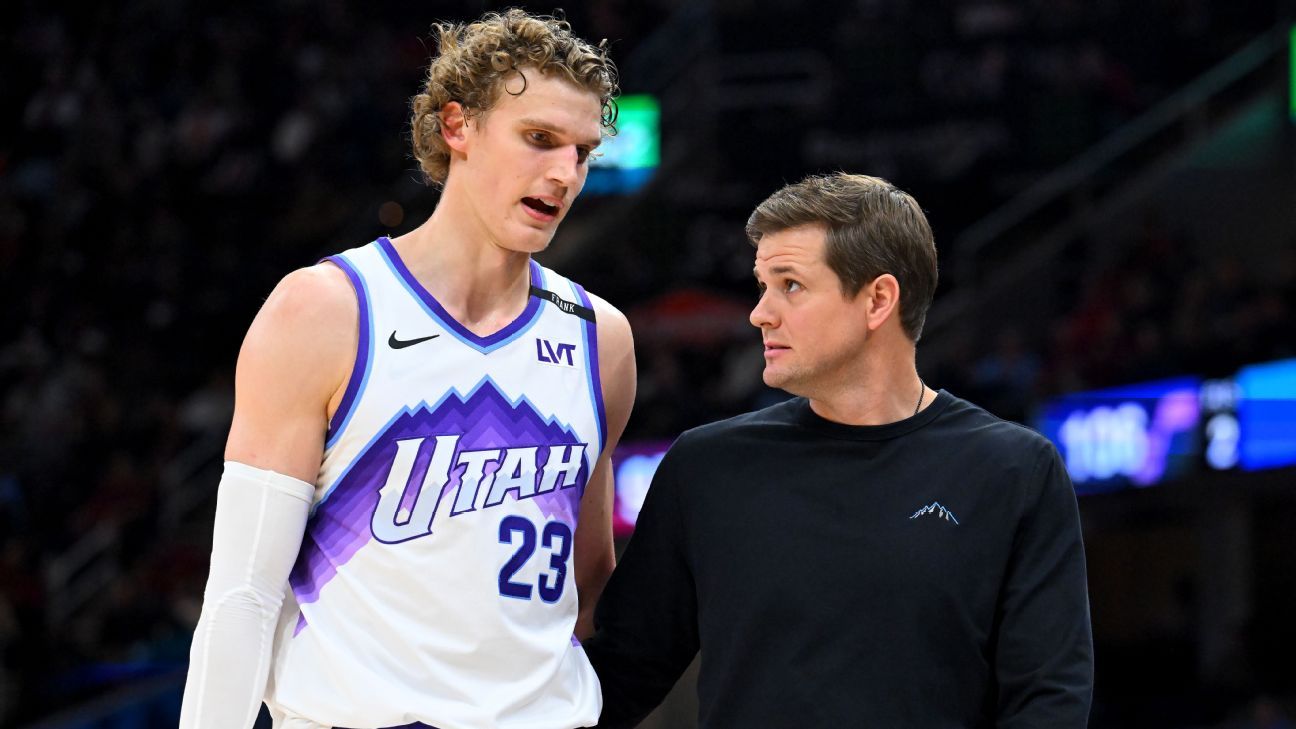
The impact of tanking became starkly evident with the NBA's post-All-Star break schedule. Games that promised compelling storylines, such as the Indiana Pacers facing the Washington Wizards, were marred by key players being sidelined. Ivica Zubac, a recent acquisition for the Pacers, remained out with an ankle injury announced only after his trade, while Washington's new All-Stars, Trae Young and Anthony Davis, were also sidelined with injuries diagnosed post-acquisition. Similarly, the Utah Jazz, after a stunning acquisition of Jaren Jackson Jr., shut him down for the season following knee surgery, leading to a $500,000 fine for their handling of player time. These incidents, alongside a $100,000 fine to the Pacers for sitting healthy players, exemplify a broader trend where teams with high draft picks prioritize losses, leading to less entertaining and meaningful competition.

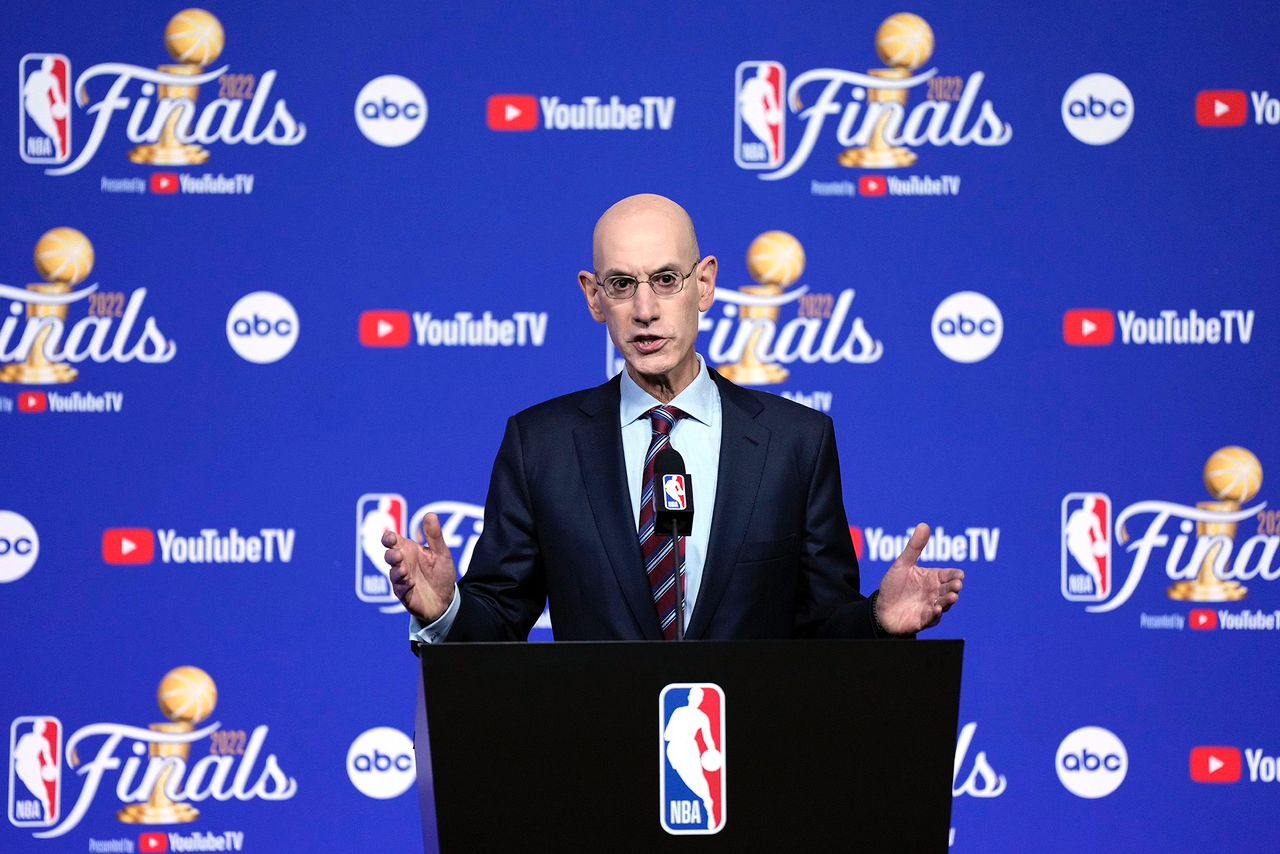
Commissioner Adam Silver has unequivocally acknowledged the severity of the situation, stating that tanking is "worse this year than we've seen in recent memory." During his All-Star weekend news conference, Silver emphasized that the current lottery system's "incentives are not necessarily matched," as economists consistently point out that rewarding the worst-performing teams with the first pick creates perverse incentives. Silver has informed general managers that the NBA plans to implement anti-tanking rule changes for next season, sending a "forceful" message about safeguarding the sport's integrity and ensuring the league puts its "best product forward" for fans.

Adding to the chorus of condemnation, Phoenix Suns owner Mat Ishbia vehemently denounced tanking, calling it "losing behavior done by losers" and "much worse than any prop bet scandal." In a public statement, Ishbia declared that "purposely losing is something nobody should want to be associated with" and deemed it "embarrassing for the league and for the organizations." He highlighted the severe negative impact on fans who pay to watch and cheer for their teams, and on the integrity of the entire league. Ishbia, whose team cannot benefit from tanking due to a lack of first-round picks until 2032, expressed full confidence in Silver's ability to find a solution.

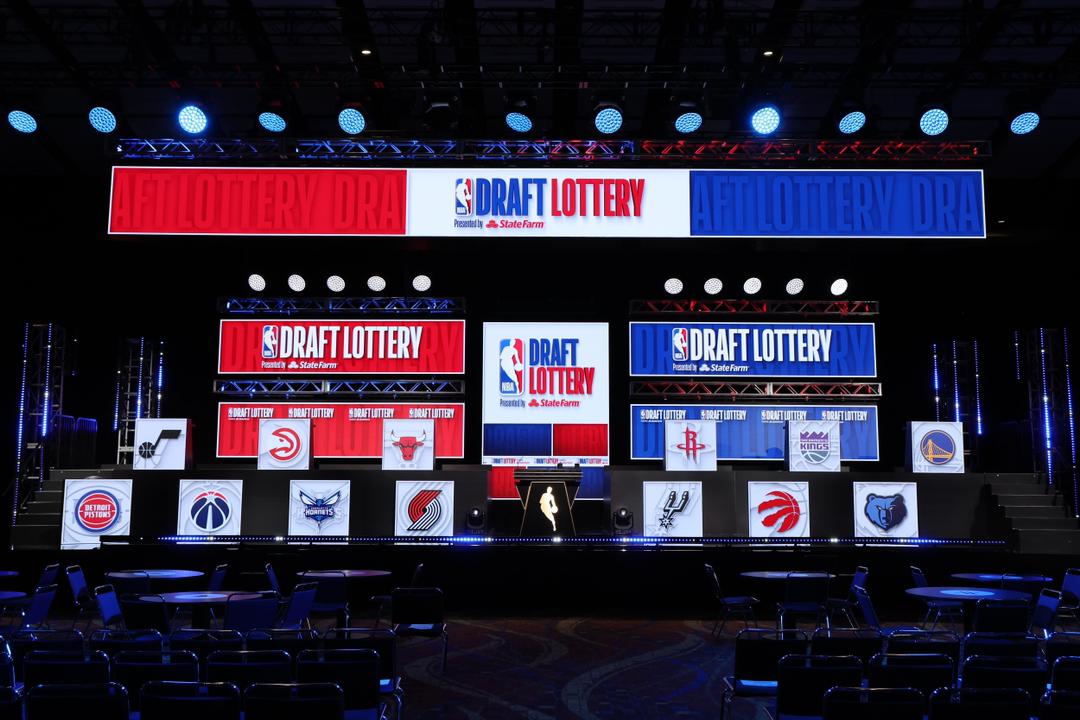
In the quest for solutions, a long-time league executive has put forth a compelling proposal aimed at fundamentally altering team incentives. The core idea suggests that at a certain point in the regular season, such as the All-Star break, the system would flip: instead of losses improving lottery odds, wins for the remainder of the season would be rewarded. This revolutionary approach seeks to actively push teams to win rather than merely de-emphasizing losing. Hypothetically, using last season's standings, this system could dramatically shift lottery positions, propelling teams like the Toronto Raptors, Chicago Bulls, and Atlanta Hawks significantly upward in draft odds, while teams like the Utah Jazz and Philadelphia 76ers, which tanked post-break, would see their odds diminish.

The benefits of such a system are manifold. It would transform the NBA landscape by incentivizing teams to play their best players and compete fiercely through the entire season, creating more entertaining games and fostering greater fan engagement. Teams making a strong second-half push, such as the Charlotte Hornets, would be rewarded with better draft chances, providing a tangible goal beyond simply missing the playoffs. This would combat the "damaging apathy" that currently afflicts communities and businesses relying on an exciting product. Early discussions with over 10 NBA coaches, scouts, and executives revealed unanimous support for implementing a system that directly impacts these underlying incentives, although some concerns, such as avoiding harsh penalties for less talented teams or managing legitimate injuries, would need careful consideration.

Beyond this specific proposal, the NBA office, in intensifying dialogue with its board of governors, competition committee, and general managers, has been actively exploring a range of other anti-tanking concepts. These include restricting first-round draft pick protections to only top-four or top-14+ selections, freezing lottery odds at the trade deadline or a later date, disallowing teams from picking in the top four in consecutive years or after consecutive bottom-three finishes, and preventing teams from picking in the top four the year after making conference finals. Other ideas involve allocating lottery odds based on two-year records, extending the lottery to include all play-in teams, and flattening the odds for all lottery teams. Mike Krzyzewski, senior adviser to basketball operations, urged a "prompt, tasteful 'attack'" on the problem, underscoring the urgency.

Ultimately, the NBA's objective must be to foster fair competition and consistently deliver the best possible product to its audience. As the league continues to assess remedies, the North Star should remain focused on aligning incentives to promote winning. Unlike other plans that merely aim to make the product "less bad," solutions that genuinely push teams to compete will be crucial in resolving the chronic tanking problem and ensuring the long-term health and excitement of the sport. The discussion around these changes is set to continue at the NBA's board of governors meeting, with hopes for a definitive resolution that ensures every team is motivated to win, much like in systems such as the English Premier League where relegation provides an inherent incentive to always compete.

Loading...
Loading...
Loading...

You may also like...