Africa Is Experiencing Floods and Heat at the Same Time — And That's a Warning Sign
Africa is facing simultaneous climate disasters as floods devastate southern regions while drought and extreme heat grip the Horn of Africa, highlighting the intensifying impact of climate change on a continent that contributes the least to global emissions.
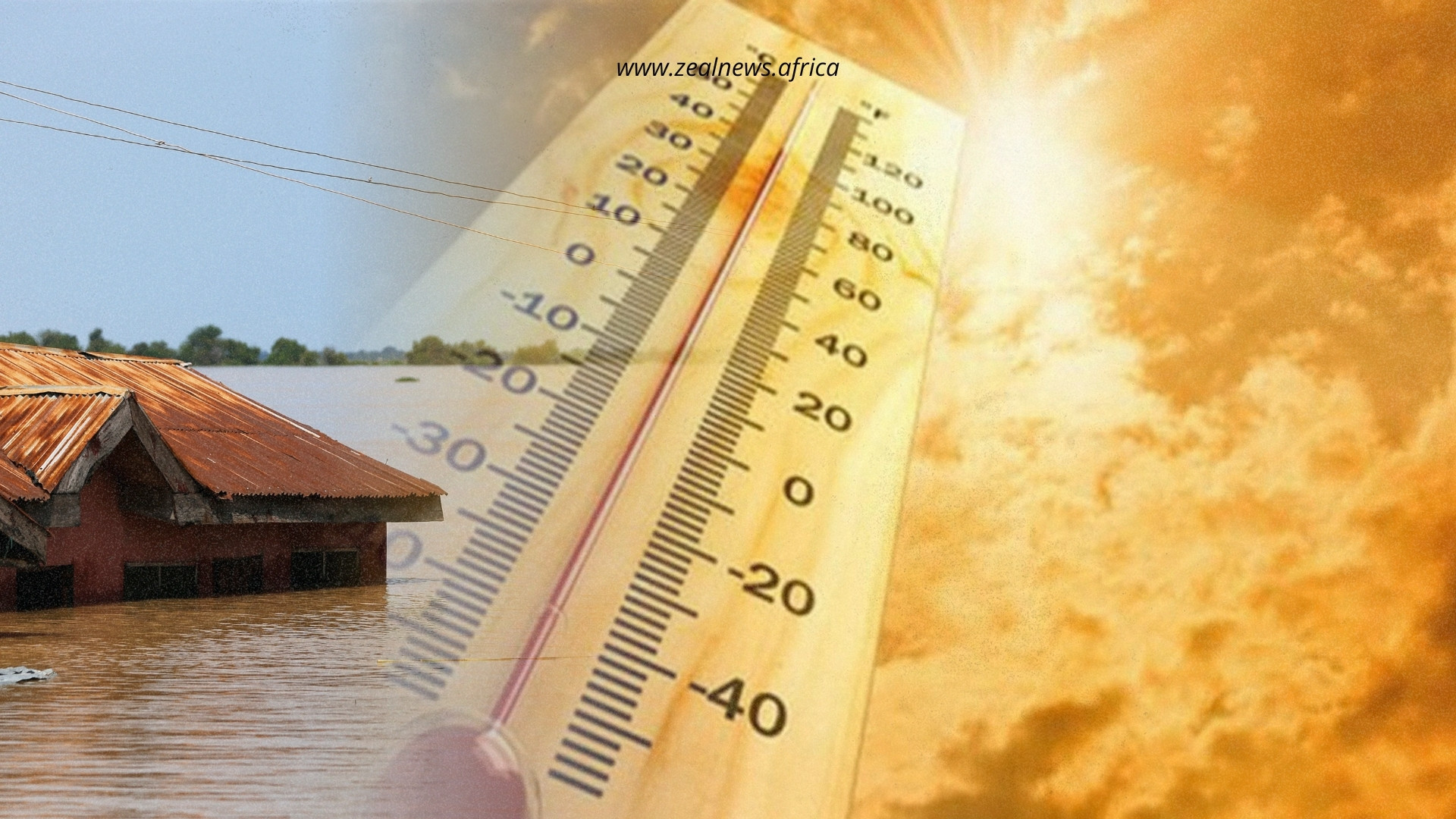
Africa contributes only a small fraction of global greenhouse emissions, yet it is often the continent that pays the highest price.
If you have been paying attention to the news lately, you might have noticed something unsettling happening across the African continent. No, not a single disaster in a single place, but two completely opposite climate crises playing out simultaneously, sometimes in countries that share borders.
While southern Africa has been drowning, the Horn of Africa has been burning up. And scientists are saying this isn't a coincidence. It is the new normal.
Two Continents in One
Let's start with the south.
Since late December 2025, severe floodingswept across large parts of Mozambique, Eswatini, northeastern South Africa and Zimbabwe, killing more than 200 people, destroying over 173,000 acres of crops and causing widespread humanitarian devastation across the affected countries.
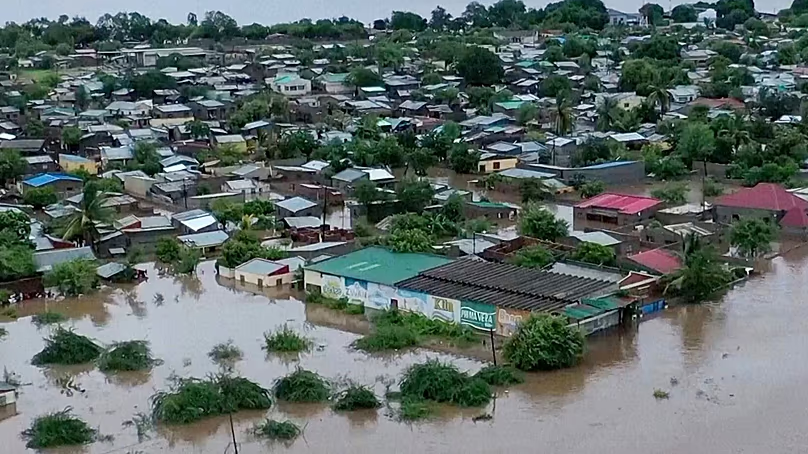
In Mozambique alone, the floods damaged nearly 5,000 kilometres of roads, including the main national highway, hampering the movement of goods and disrupting pharmaceutical supply chains.
South Africa's Kruger National Park, a landmark that millions of people visit every year, was severely damaged and temporarily shut after several rivers burst their banks with the environment minister warning that repairs to bridges and roads could take as long as five years.
Then February came and things just got worse.Cyclone Gezani made landfall in eastern Madagascar with wind speeds exceeding 195 km/h, killing at least 31 people.
Building collapses caused many of the deaths and at least 36 others were seriously injured. This arrived just 11 days after Cyclone Fytia had already killed 12 people and displaced 31,000 in northwestern Madagascar.
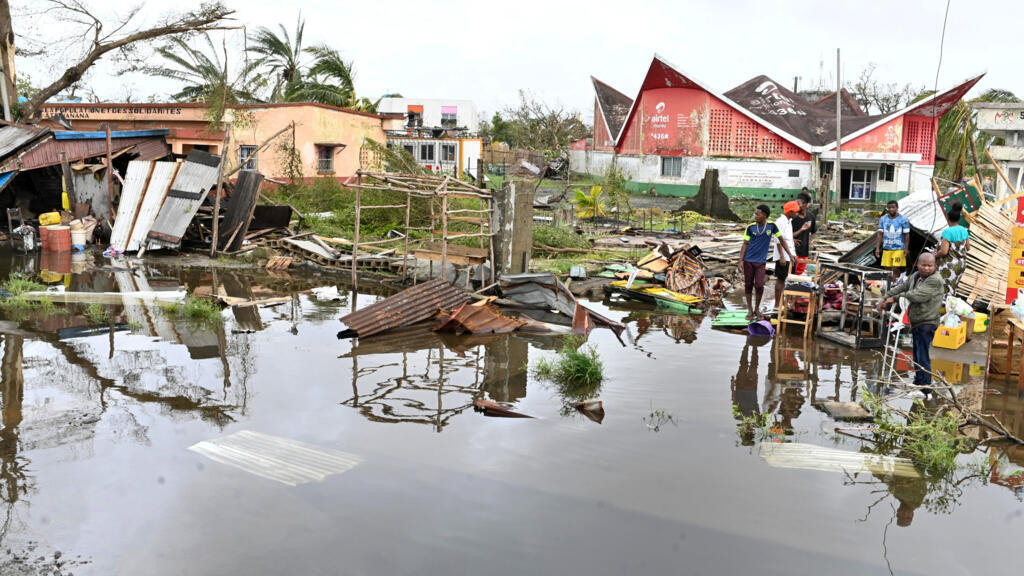
Mozambique, still yet to recover from the January floods, was then put on alert for possible impacts from Gezani as well.
Now let’s go to the north. Drought conditions since September 2025, worsened by scarce rainfall and unusually warm temperatures, have been destroying crops, killing livestock and driving food insecurity in East Africa, particularly in Somalia, southeastern Ethiopia and eastern Kenya.
In Somalia, the number of people facing hunger has nearly doubled since early 2025, rising to 6.5 million people, with one in three expected to be in crisis-level hunger between February and March 2026.
The Science Behind the Madness
It gets scientific but stay with us.
A rapid analysis of the heavy floods between December 2025 and January 2026 found that climate change has made extreme rainfall events in the region significantly more intense and that the likelihood of such extreme precipitation is higher in a warmer world.
Specifically, periods of intense rainfall over southern Africa have become 40% more severe since pre-industrial times, according to observational data.
The most haunting finding is that the rainfall accumulated over just 10 days exceeded the region's average annual rainfall, something described by scientists as "unprecedented."
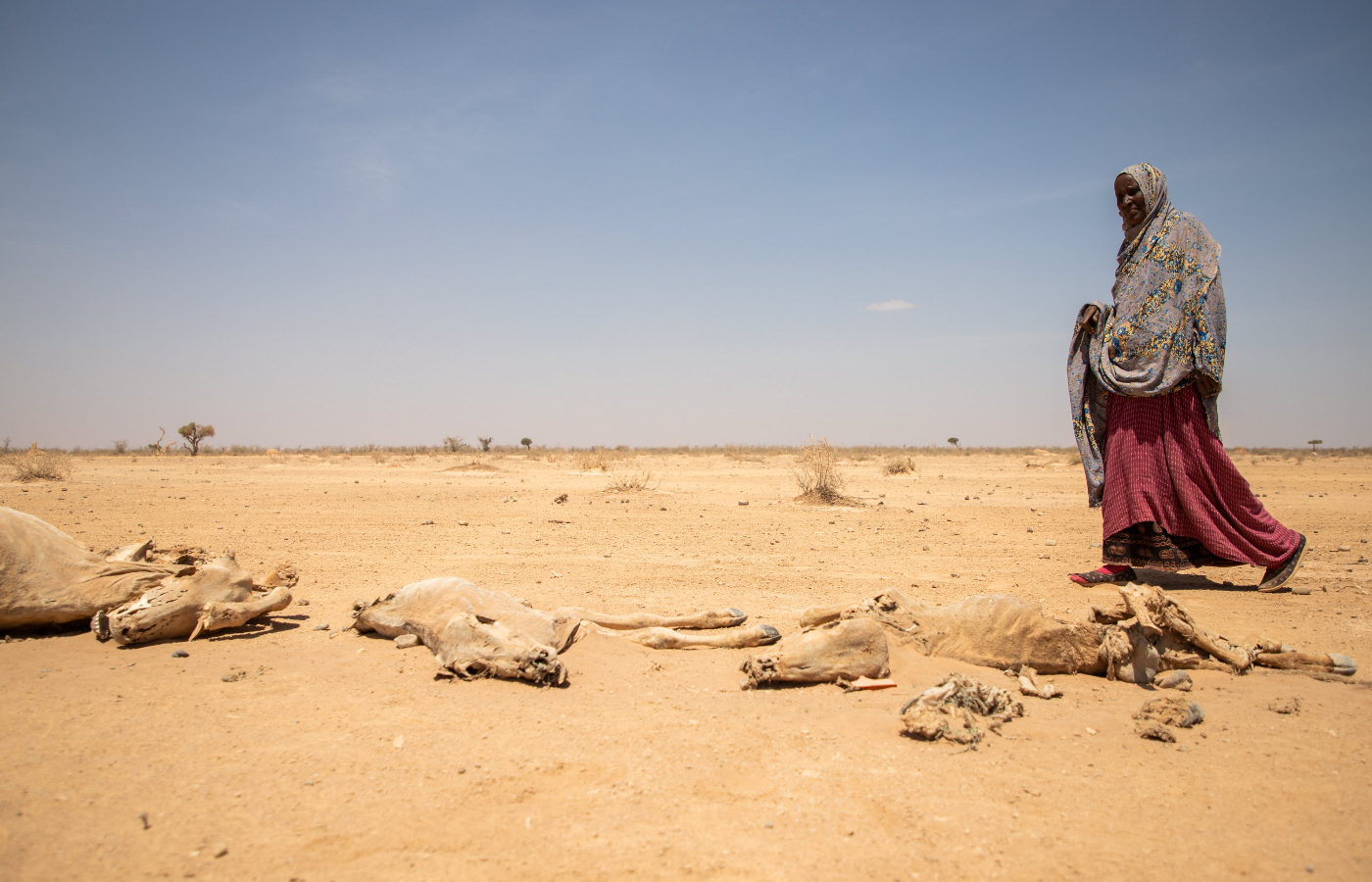
Meanwhile, the successive failed rains combined with extreme temperatures in the Horn of Africa have led to severe water shortages, crop failure, food shortages, rising malnutrition rates and mass livestock deaths across the region.

These two crises, flood and drought, are not unrelated accidents. They are the clearest indication that the climate system has been pushed out of balance.
This Is a Compounding Crisis
What makes this particularly brutal is that these communities were already vulnerable before the latest disasters hit.
Many communities across the Horn of Africa were still only recovering from the 2021–23 drought, the worst in 60 years, only to face another one.
In southern Africa, over 105,000 hectares of agricultural land and 34,000 livestock were lost to the floods, compounding vulnerability in areas already hit by the 2023/2024 drought. People barely had time to breathe.
The irony is that these communities across Somalia, Kenya and Ethiopia have contributed almost nothing to global carbon emissions yet they are paying the highest price for the climate crisis.
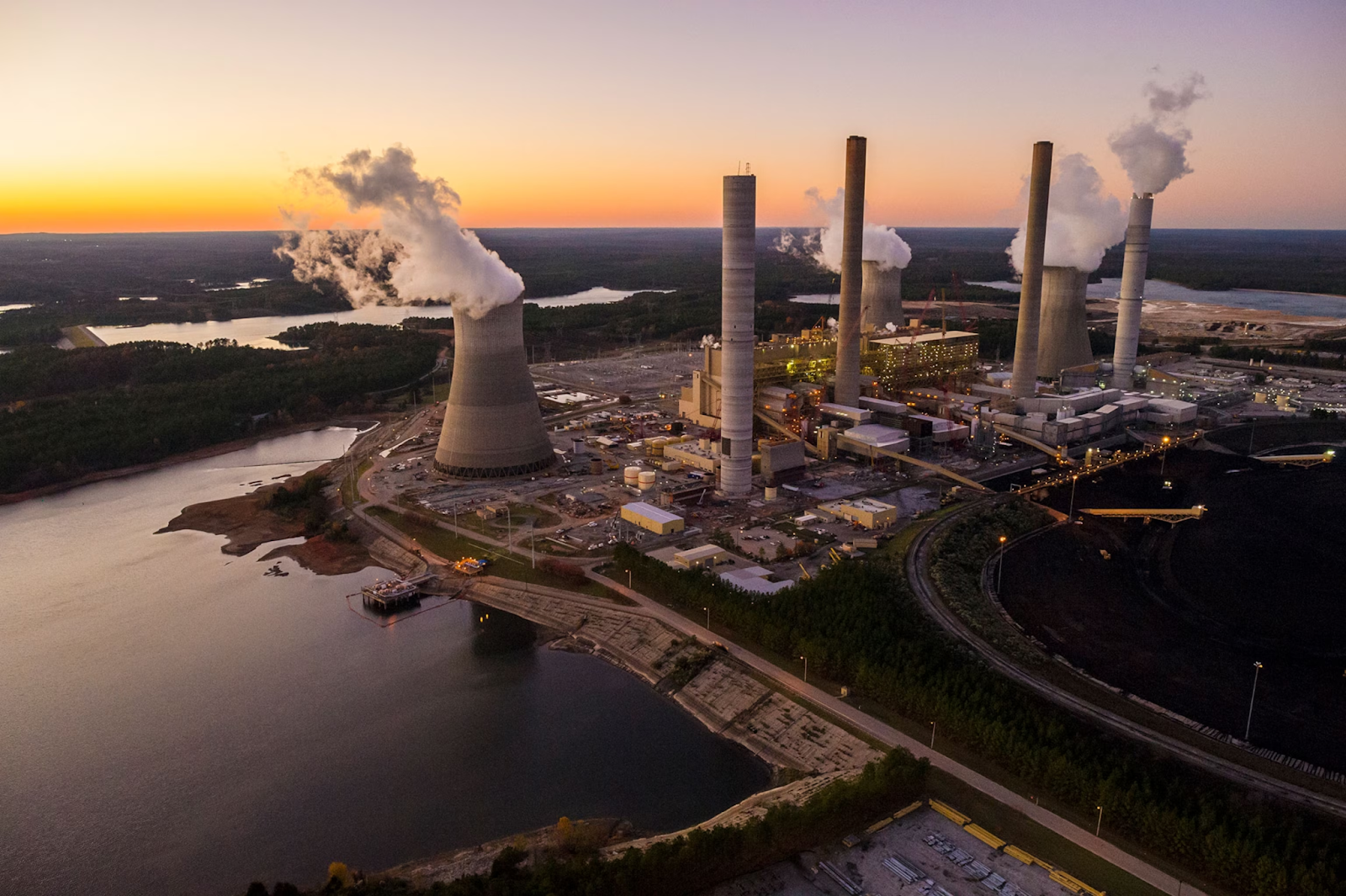
Africa as a continent is responsible for a fraction of the world's historical greenhouse gas emissionsbut it consistently tops the list of regions most affected by climate change fallout.
Why We Need to Care Right Now
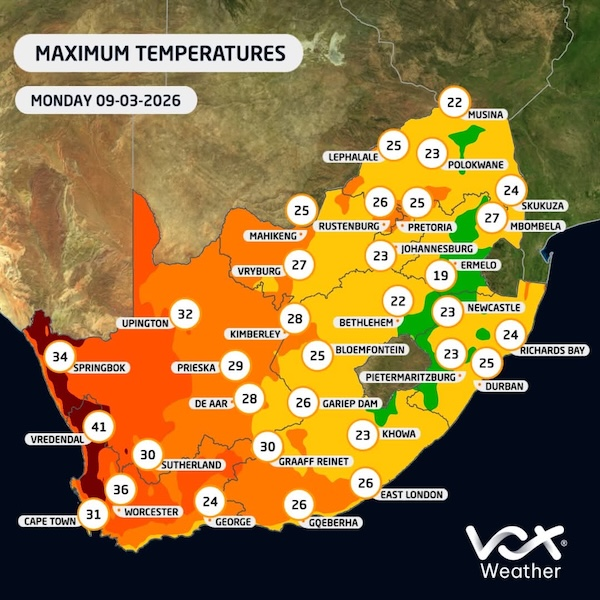
The Eastern Cape of South Africa is currently under a heat wave warning this very week. The floods that battered KwaZulu-Natal earlier this year killed multiple people and damaged over 100 homes.
Cumulatively, more than 681,000 people across southeast Africa have been affected by the flooding crisis as of late February 2026.
This is the climate crisis in real time and not a documentary or a Western newspaper abstract.
The floods, the heat, the cyclones, the droughts are all happening simultaneously across a continent that is already dealing with infrastructure gaps, underfunded disaster response systems and the persistent hangover of economic inequality.
Scientists have flagged that early warning systems, infrastructure planning decisions and dam release protocols across Africa currently rely on climate models built for Europe, Asia and North America not optimised for African weather patterns. That gap alone is costing lives.
The warning signs are not coming; they are here.