Tribes You Should Know: Akwa Ibom's Annang and Plateau's Goemai in Focus
Explore the rich cultures of Nigeria’s Annang and Goemai peoples, from the Ekpo Masquerade and raffia crafts of Akwa Ibom to the Bit-Goemai festival and ancestral traditions of Plateau State, highlighting governance, language, and heritage that have endured for centuries.
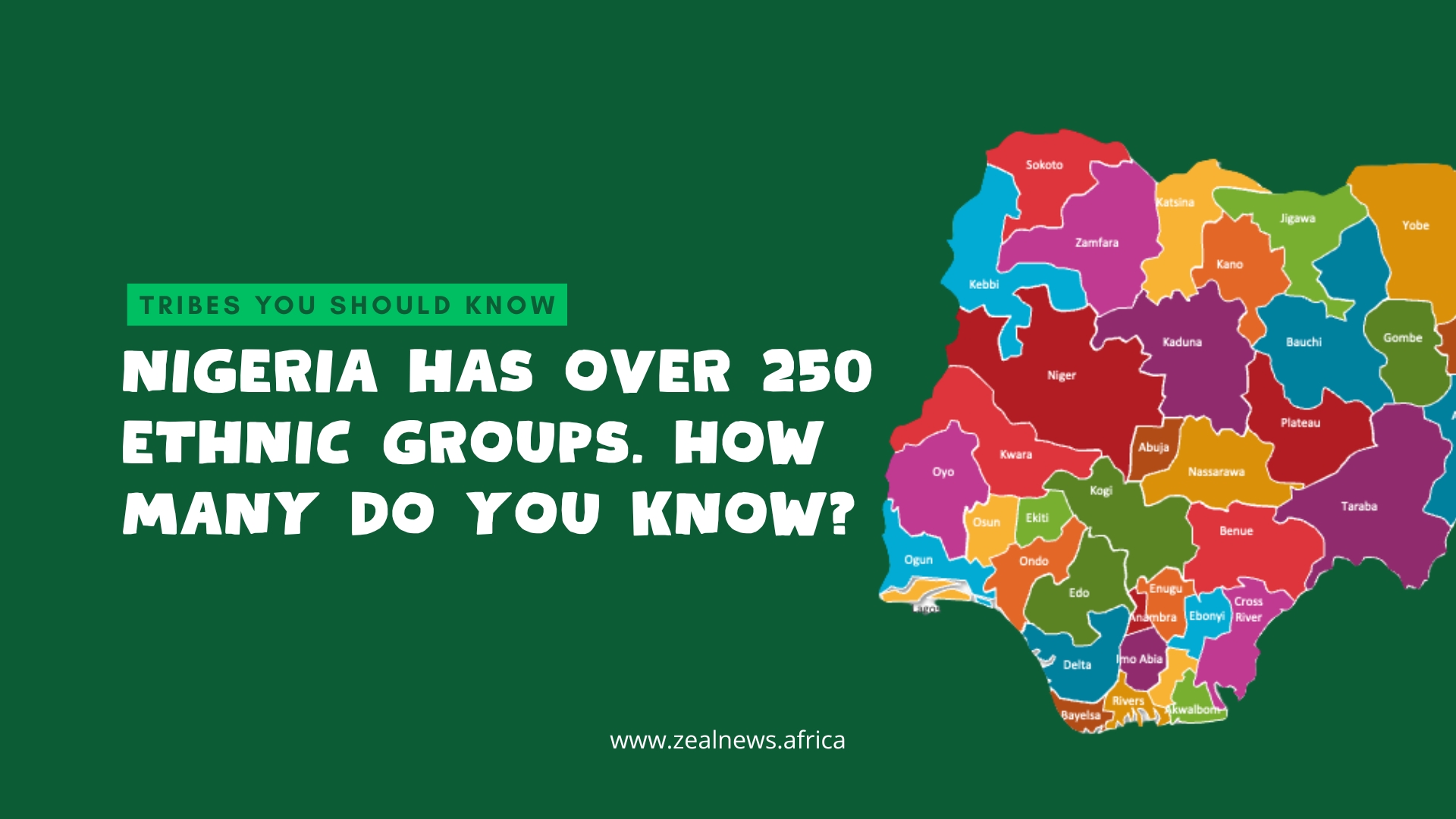
Nigeria has over 250 ethnic groups, and every time we say that, we mean it as a challenge.
We have been working through them, following tribes like the Gbagyi, the Ebira, the Bwatiye, the Kamwe, the Ukelle and the Alago.
The more ground we cover, the more obvious it becomes that this country is sitting on a cultural archive most of its own citizens have never opened.
This week, we are travelling to the southeast and the plains of the Middle Belt to meet the Annang of Akwa Ibom and the Goemai of Plateau State.
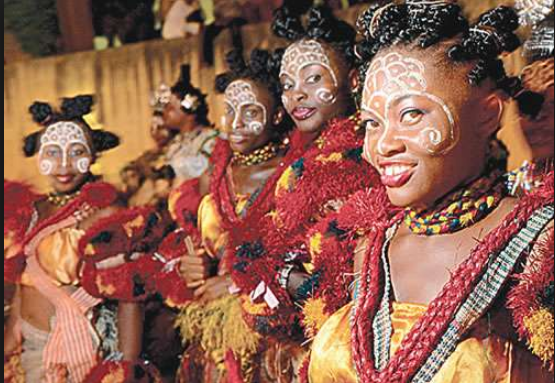
The Annang: The People Who Speak Well
If you have ever met someone from Ikot Ekpene and they had you completely convinced by the end of a conversation, then you are looking at a natural advantage.
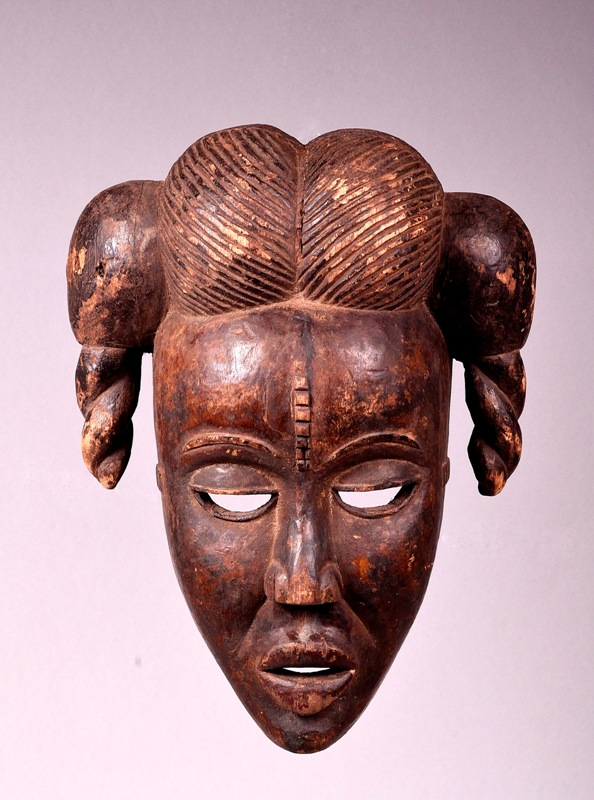
The Annang are distinct for the value they place on the ability to speak well and the use of proverbs is especially prized among their leaders.
American anthropologist Peter Farb once noted that the name "Annang" translates as meaning those who speak well and an individual blessed with genuine eloquence is honoured with the title Akwo Annang, the singer of Annang.
The Annang are the second largest ethnic group in Akwa Ibom State, occupying eight out of the state's thirty-one local government areas, including Ikot Ekpene, Abak, Essien Udim and Obot Akara.
Oral tradition traces their origins far back.
Migration accounts suggest the group's ancestors left Egypt thousands of years ago, eventually settling among the Twi of Ghana, where the name Annang means "fourth son," before moving eastward into present-day Nigeria.
That migration narrative alone tells you something about how long this group has been building and rebuilding identity on the move.
The Annang social structure is deeply communal and more layered than it looks from outside. Several families form an Ufok, multiple Ufoks form an Ekpuk, and from there you build up to Idung (villages) and Awio (clans).
Governance is handled by a council of elders called the Afe Isong, with a chief, the Obong, as executive head, though his authority operates within whatever bounds the council sets.
Annang women are not simply subordinate figures either; the society was originally semi-matrilineal, women serve as leaders in various aspects of traditional life, and female chief priests called Abia Iyong exist within certain cults.
Culture
Read Between the Lines of African Society
Your Gateway to Africa's Untold Cultural Narratives.
The first-born daughter, known as Aliaha, holds a position of particular respect within the family lineage.
Culturally, the Annang are known for art that is both beautiful and functional.
Ikot Ekpene, nicknamed the "Raffia City", is home to raffia weaving, producing chairs, mats, baskets and household items that are practical and deeply symbolic of Annang creativity.
Wood carving, pottery and beadwork round out a craft tradition that has held strong despite modernity crowding in.
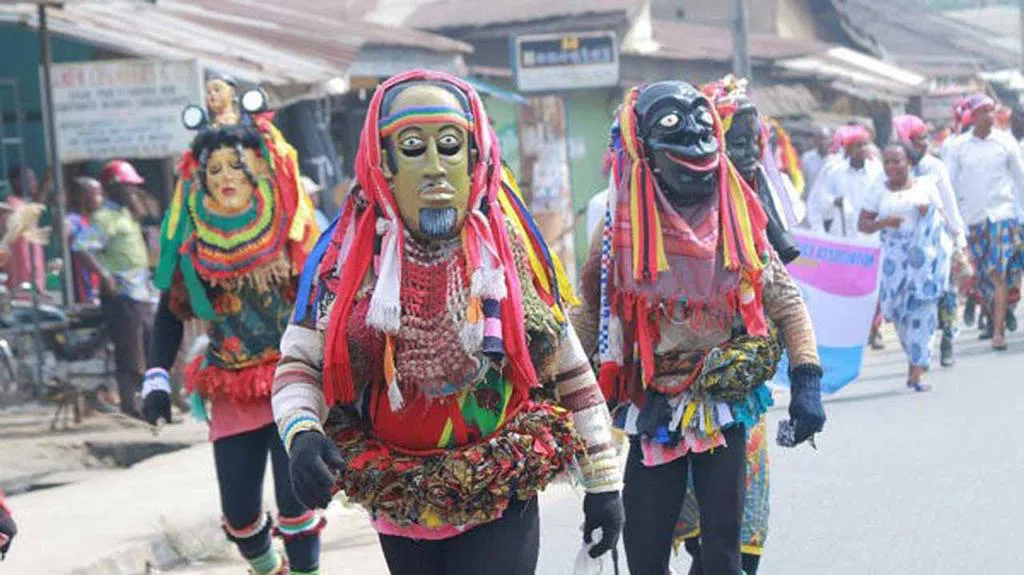
Their festivals carry the same weight. The Ekpo Masquerade, performed after the yam harvest, marks the symbolic visit of ancestral spirits to the community, complete with masked figures, drumming and collective celebration.

There is the Edidiong that closes the farming season.
Traditional Annang spirituality centres on a supreme being called Abasi Ibom, believed to exist beyond the clouds, supported by a hierarchy of divinities and spiritual beings who deal with the moral, social and economic dimensions of human life.
Christianity has swept through much of Annang land by now, but the old spiritual architecture remains visible in ceremony and community practice.
The Goemai: Keepers of the Plains
Travel across the country to Plateau State and you arrive in the territory of one of the Middle Belt's formidable tribes: Goemai
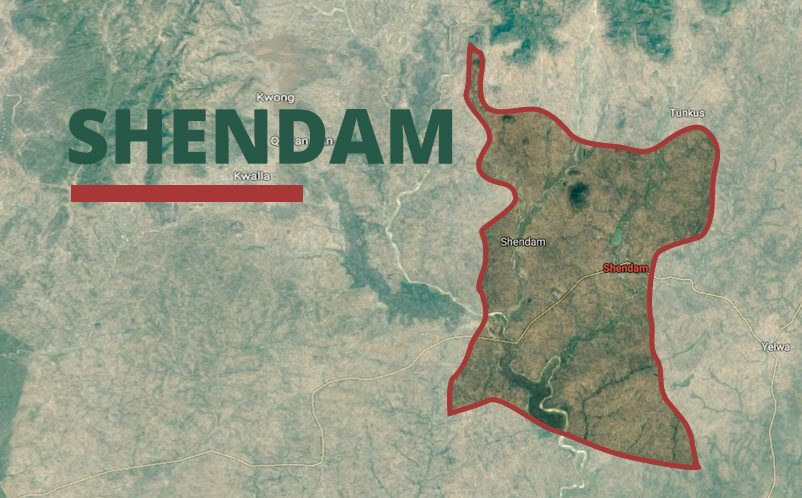
The Goemai are located in the Shendam, Gerkawa and Namu districts and in the nineteenth century they were the largest ethnic group in the lowlands.
Their homeland is fertile and well-watered, which shaped them into a largely agricultural society. They grow ginger, millet, beans, guinea corn, rice and peanuts, while keeping cattle whose primary role is fertilising the fields.
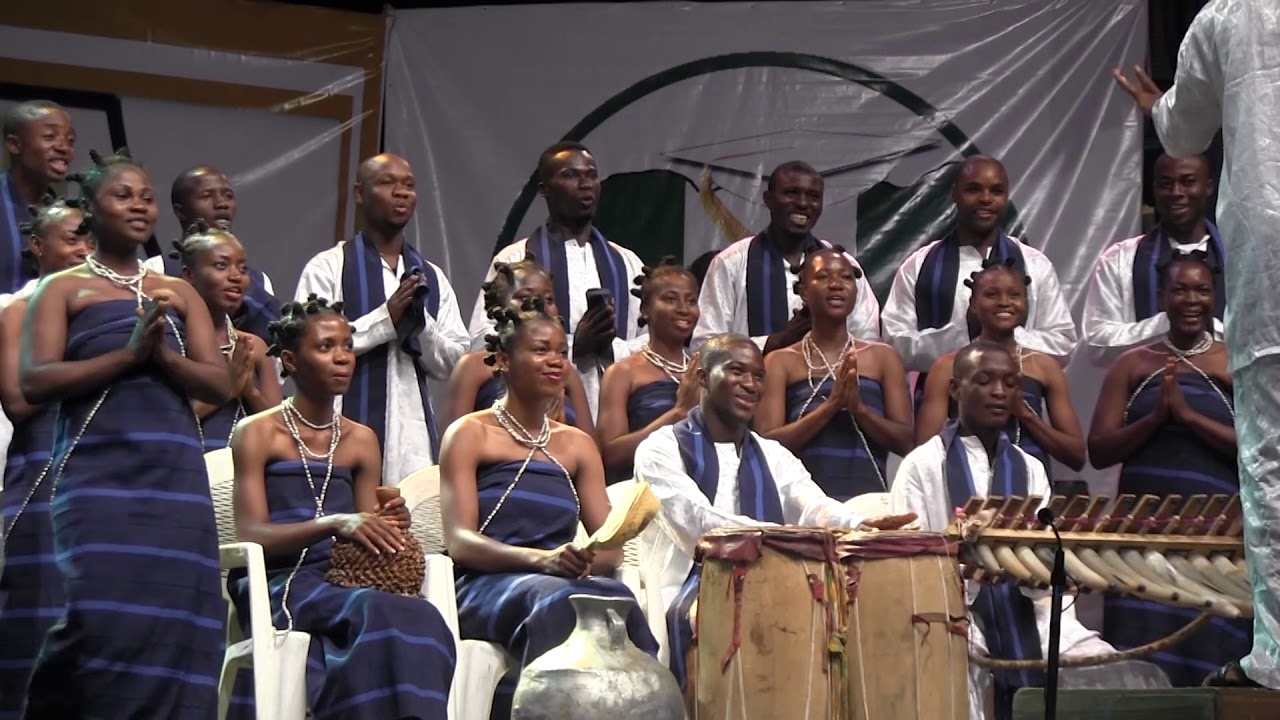
The Goemai are said to have migrated from the Middle East alongside related groups like the Jukun, the Alago and the Igala as part of the ancient Kwararafa Empire.
When that empire eventually disintegrated, the Goemai settled across what is now Shendam and Qua'an Pan local government areas.
Their language, also called Goemai or Ankwe, belongs to the Afro-Asiatic family, specifically the West Chadic branch, with four mutually intelligible dialects: Duut, East Ankwe, Dorok, and K'wo.
Around 380,000 people speak it today, though the language is considered threatened as younger generations increasingly shift to Hausa.
Culture
Read Between the Lines of African Society
Your Gateway to Africa's Untold Cultural Narratives.
Goemai governance is as intricate as any.
Each village has its own chief-priest who answers to the tribal king, the supreme governmental and religious leader, while the chief-priests form an advisory council with specific roles ranging from military commanders to ceremonial figures who carry out coronations.
There is even a striking taboo tied to royal leadership. The king must not look at the Benue River or he will die.
Their spiritual life is rich as well. The Goemai recognise multiple categories of free spirits — those rejected in the land of the ancestors for living badly, those who died in war or accidents, and spirits divided broadly into white and black, performing functions of blessing and curse respectively.
Hawks and crowned cranes are considered sacred; harming one is believed to bring death or mental ruin.
They also hold a concept of reincarnation where a newborn is understood to be the return of an ancestor.
The Kwamteng is one of the Goemai's most significant cultural institutions, an ancient deity and cult tradition that has historically played a central role in training male children, resolving disputes and recovering stolen property.
It is displayed at the Bit-Goemai festival, the group's major cultural celebration held alongside various harvest and ancestral commemorations throughout the year.
What These Two Groups Tell Us
Like the other tribes, these two groups are full civilisations with governance systems, philosophical frameworks, craft traditions and languages that have outlasted empires.
The real flex is learning about them now not waiting until someone packages their culture into a Netflix documentary or a tourism campaign.
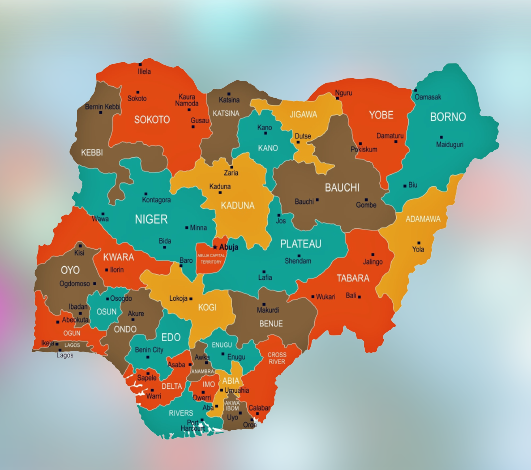
Nigeria's depth is not in its three most spoken names. It is in places like Shendam and Ikot Ekpene, where people have been speaking well and farming sacred ground long before the country itself had a name.