Tribes You Should Know: The Ukelle, the Alago, and the Nigeria That Lives Quietly
Nigeria is more than its dominant narratives. Discover the Ukelle of Cross River and the Alago of Nasarawa—two rich, underrepresented cultures shaping the country’s quiet, unseen identity.
If you have been following this series, you already know about the Gbagyi, the Ebira, the Bwatiye, and the Kamwe. You know by now what this is about.
It is about the simple, uncomfortable truth that Nigeria is enormous and we have been telling a very small version of its story.
So we keep going.
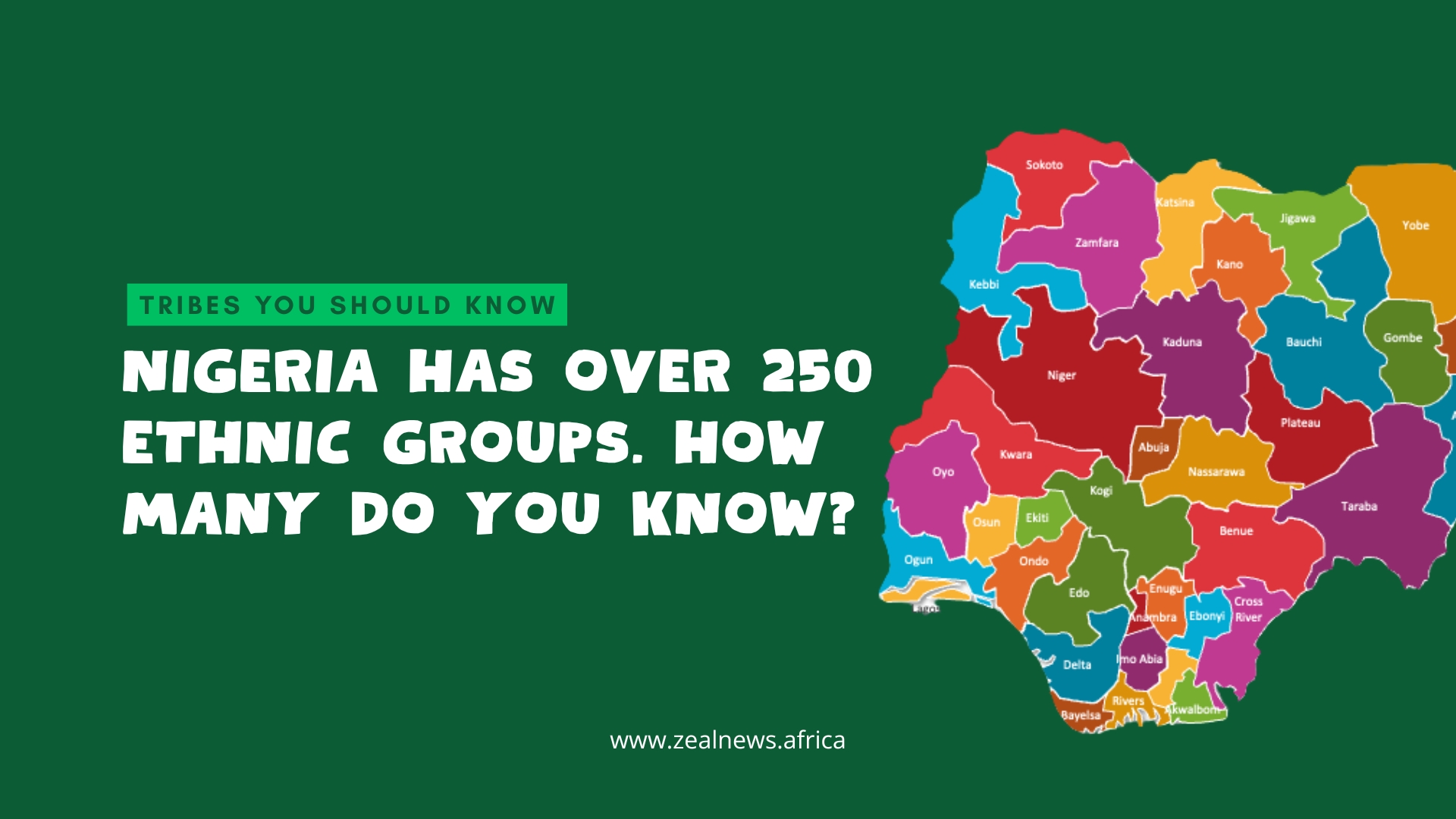
With over 250 ethnic groups, Nigeria is less a country and more a whole continent pressed into one. But the way we talk about it, you would think three or four groups wrote the whole story.
Somewhere in the forests of Cross River State and the savanna belt of Nasarawa, people wake up every morning, speak their own languages, celebrate their own festivals, and carry histories that most Nigerians have never heard of.
This is the Nigeria that lives quietly. Two more groups deserve a seat at the table: the Ukelle and the Alago.
The Ukelle: Forest People of Cross River
Located in the Yala Local Government Area of Cross River State, the Ukelle people, also called the Ba'kelle or Kukelle, make up roughly half of that entire LGA's population. That is not a small number.
But ask someone in Lagos or Abuja about them and you will mostly get blank stares.
Their origins are genuinely debated even among historians. Some accounts suggest their ancestors migrated southward from Benue State; others say they moved from what is now Igbo part of the country, displaced by population shifts long before colonial rule redrew every map.
The name itself carries weight. The interpretation of "Uke" means powerful and "Kelle" means people. Simply put, the powerful people.
The Ukelle language is called Kukelle, and it belongs to the Benue-Congo language family.
It is spoken across several distinct subgroups with slight dialectal differences between them. Just the same way Ondo street slang sounds different from Ibadan street slang even though they are both Yoruba.
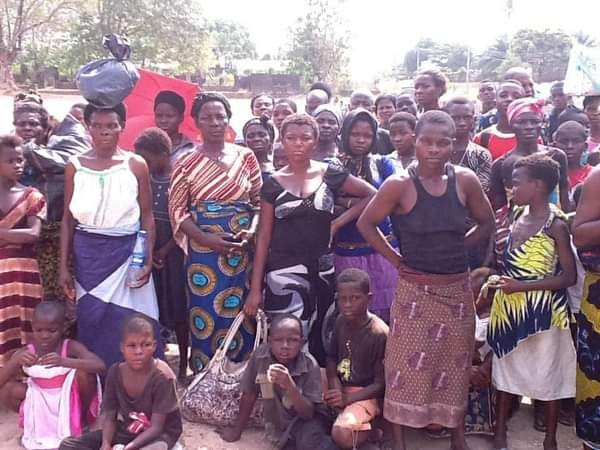
Life in Ukelle land is built on the earth. Farming is the pulse of the community.
But what is equally interesting is how the Ukelle govern themselves at the community level. Before constitutions and government circulars, there was the ojilla, a village assembly made up of the king or chiefs, elders, and youths.
Culture
Read Between the Lines of African Society
Your Gateway to Africa's Untold Cultural Narratives.
Everyone had a seat at the table. It wasn't perfect but it was participatory in ways that modern democracies like to claim they are.
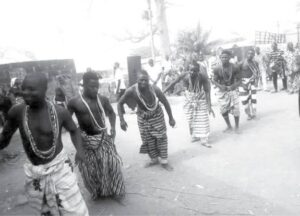
Their biggest celebration is the New Yam Festival, locally called Likpeh. It is a sacred moment of thanksgiving, agricultural renewal, and community bonding.
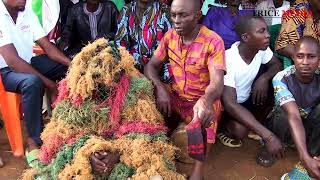
Not unlike what you would see in Igbo communities, yes but distinctly Ukelle with its own music, masquerades and meaning.
The Ukelle Cultural Festival has in recent years tried to take this identity global, positioning the Likpeh as a cultural showcase rather than just a local ritual.
That is a generation trying to make sure the world hears their name.
The Alago: The Middle Belt's Quiet Anchor

Travel north to Nasarawa State, one of those states that people mostly know as "the one next to Abuja" and you will find the Alago people occupying three local government areas: Doma, Keana and Obi.
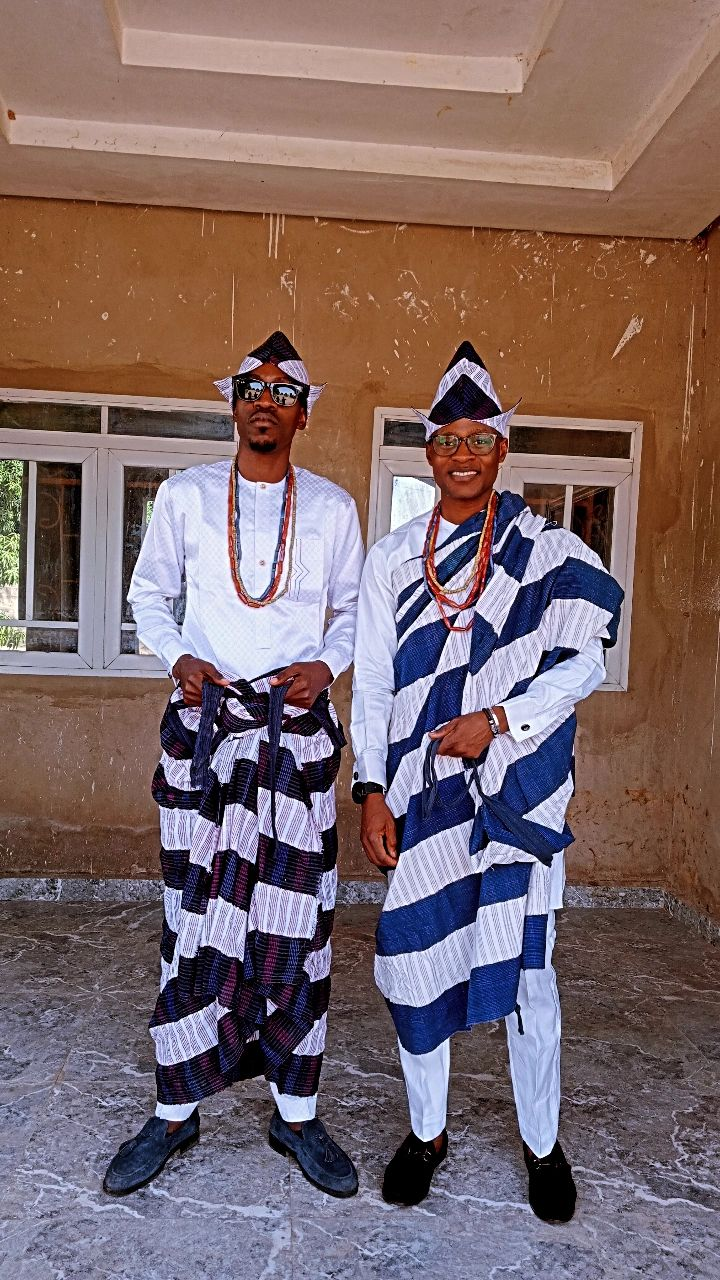
The Alago are considered one of the largest ethnic groups in Nasarawa, with a population estimated over 700,000. Yet outside of the state, almost nobody is talking about them.
Their history stretches back to roughly 800 AD, when they are believed to have migrated from the defunct Jukun Kingdom in present-day Taraba State, eventually settling in the communities they now call home.
The Keana area is considered the cradle of Alago civilization and it is no coincidence that Keana is also famous for its salt lake, where naturally iodized salt has been produced and refined for centuries.
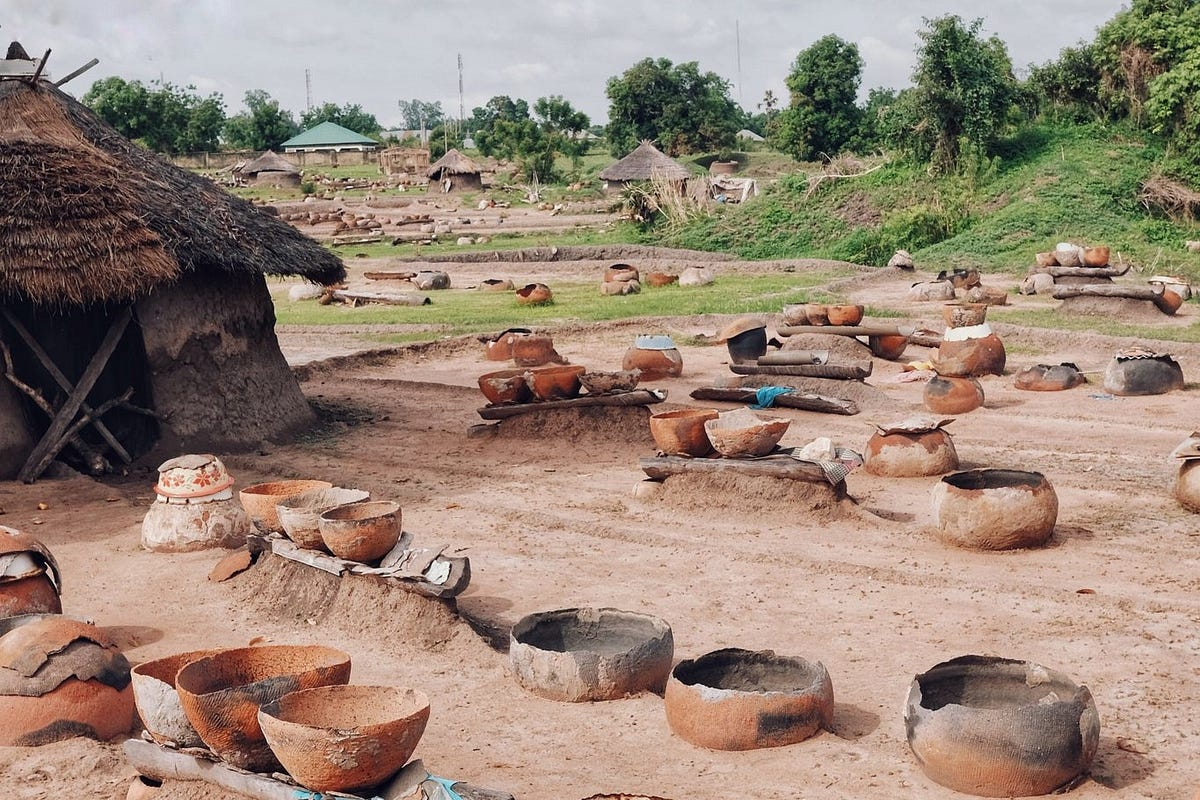
Farming was historically the men's domain; salt extraction and trading, the women's. That division of labour created an economy where both genders had power and purpose.
Their major festival, the Odu, is celebrated annually in Doma.
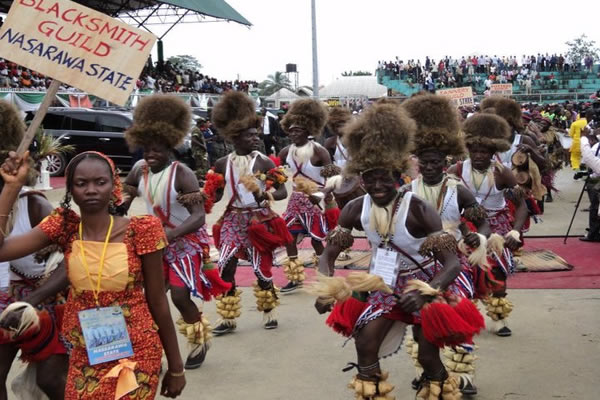
Rooted in a story of ancestral sacrifice and spiritual renewal, the Odu festival features the appearance of the Eku masquerade believed to carry the spirit of a royal figure from the community's distant past.
Culture
Read Between the Lines of African Society
Your Gateway to Africa's Untold Cultural Narratives.
It is the kind of living mythology that most of us only encounter in books about other people's cultures.
The Pattern We Keep Missing
The Ukelle and the Alago don't know each other. They live hundreds of kilometers apart, speak completely different languages, and have distinct histories.
But they share something that matters. They are rich, layered, functioning communities that Nigerian public life has largely decided not to see.
Both groups are watching their languages slowly thin out as younger generations move to cities. Both have oral traditions that remain largely undocumented in mainstream academia.
Both exist in a country whose national identity still often defaults to three ethnicities as the whole story.
And they are not alone in that.
The Gbagyi know this feeling. So do the Ebira, the Bwatiye, and the Kamwe. Six tribes into this series and the pattern has only gotten clearer.
Cultural erasure doesn't come with a press release. It happens in what gets left out of school curricula, what never makes the news cycle, what your parents never thought to teach you because they were also never taught.
We are not done, not even close.
There are hundreds of names this series hasn't called yet; communities with their own salt lakes and masquerades and assembly systems and festivals, waiting for someone to simply pay attention.
Nigeria has 250+ stories. We have been reading the same three on loop.
The next one is coming. Stay with us.