Flavours and Lies: The Sweet-Smelling Addiction WHO Is Warning About This World No Tobacco Day
Ahead of World No Tobacco Day this Sunday, the WHO warns of a new wave of flavoured nicotine products targeting young people. Here's why vapes and shisha are far more dangerous than their branding suggests and why Africa's regulatory gap is making it worse.

This Sunday, the world marks No Tobacco Day and the WHO is already sounding an alarm. There is a new wave of nicotine and nicotine-like products that are reshaping addiction and young people are its primary market.
The warning is urgent and the reality on the ground across Africa is more urgent. Because while global health bodies are raising flags, an entire generation is already mid-habit, convinced that what they are inhaling is essentially harmless.
That conviction did not form on its own.
Why Young Africans Think Vaping and Shisha Are "Just Flavoured Smoke"
The lie was engineered. It did not happen by accident that a generation of young Africans grew up believing vapes are harmless flavour clouds and shisha is essentially a fruity social activity.
Tobacco and nicotine companies spent years and significant money creating exactly that impression through influencer partnerships, lifestyle branding, candy-coloured packaging and product names that sound more like dessert menus than chemical delivery systems.
You’d hear names like mango ice, strawberry burst, cool mint with nothing in the branding giving away the fact you can become addicted. Rather, it seems like everything about it saystreat yourself.
In Africa, where regulatory frameworks around e-cigarettes are still catching up with the market, these products have flooded in with almost no pushback.
In Nigeria, a 2023 suspension of excise taxes on vaping products — caved to under industry pressure — made them even more affordable and accessible. The market expanded and the average age of first-time users dropped.
However, the myth still held. It is largely believed that shisha is just smoke through water, vapes are just steam, neither is a real cigarette, so neither is a real problem.

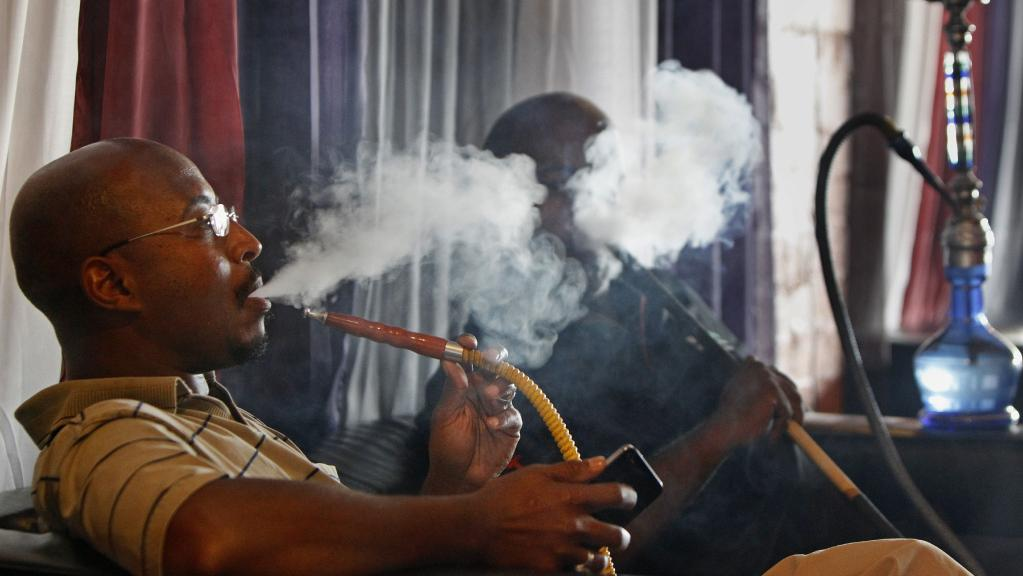
The Water Does Not Filter Out the Danger: Shisha Health Risks Explained
One of the most stubborn misconceptions driving shisha use among young people is that the water in a hookah pipe cleans the smoke before it enters the lungs. It does not.
Shisha smoke carriescarbon monoxide, heavy metals and carcinogenic compounds. A typical shisha session lasts far longer than a single cigarette, therefore, users end up inhaling significantly more toxic material over the course of an evening.
Research has linked regular shisha use to cardiovascular disease, respiratory illness, lung and oesophageal cancers and a heightened risk of infections, particularly when mouthpieces are shared, which is almost always.
The social ritual of passing a hookah around a group is central to its spread. And it is, from a public health perspective, one of the most efficient vectors for normalising daily nicotine use that the industry could have hoped for.
Vaping Nicotine Addiction in Young People: What Is Actually Happening to the Brain
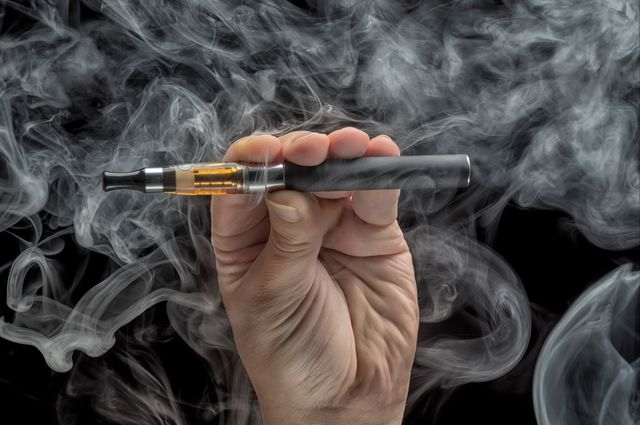
Vapes are not safer. They are differently dangerous, and in some ways more insidious.
The nicotine in e-cigarettes is delivered via salts that allow higher doses to be absorbed more smoothly and quickly than traditional cigarettes, which means the addiction takes hold faster and with less warning.
Also, because the brain continues developing until the mid-twenties, exposure during adolescence rewires neural pathways linked to attention, impulse control and learning.
Young people who vape are not just risking lung damage; they are altering the architecture of their developing minds.
Studies across South Africa show that teenagers pick up vapes as a stress-coping mechanism, for exams, for anxiety and for the general weight of being young in difficult circumstances.
The industry understands this, so it markets directly to those pressure points, positioning the act of vaping as a release, a reset and a moment of calm. What it is actually selling is dependence.
Flavoured Nicotine Products and Africa's Missing Regulation

Ahead of this Sunday's World No Tobacco Day, the WHO mentioned that behind the sleek packaging and appealing flavours is the same business model that has always driven the tobacco industry — profits built on keeping people addicted.
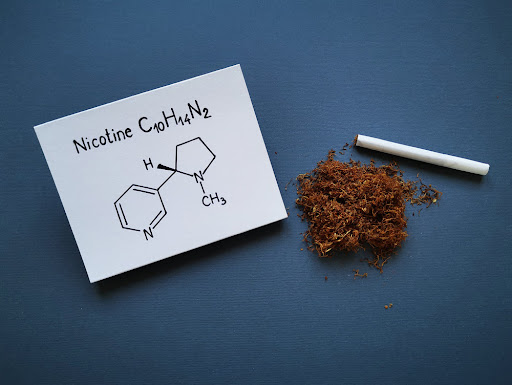
The difference now is that the products are harder to regulate. Synthetic nicotine and nicotine analogues are being marketed as "tobacco-free" and even "zero-nicotine" despite triggering identical dependency mechanisms in the brain.
Many of Africa's existing tobacco laws were not written to cover these products, which means the industry is operating in a legal grey zone while an entire generation gets hooked.