Where Books Still Dance: What Conakry's 72 Hours of Book Say About Africa's Reading Culture
72 Hours of the Book in Conakry challenges the myth that Africans don’t read, revealing a vibrant, evolving literary culture shaped by community, performance, and pride.
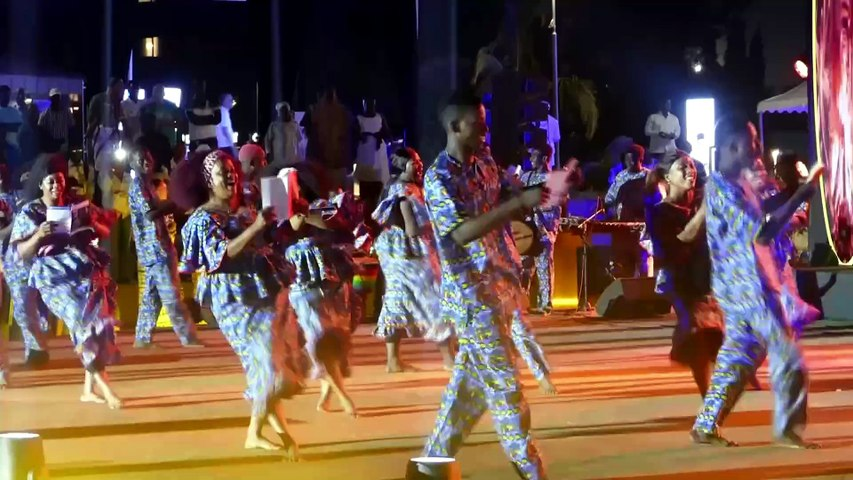
Imagine this: people dancing in the streets of Conakry, but instead of phones in their hands, they are holding books.
That image, which has become the defining visual of Guinea's72 Hours of the Book festival, is one of the most disarming things about this annual event. It doesn't beg you to care about reading.
It just shows you what it looks like when a city already does.
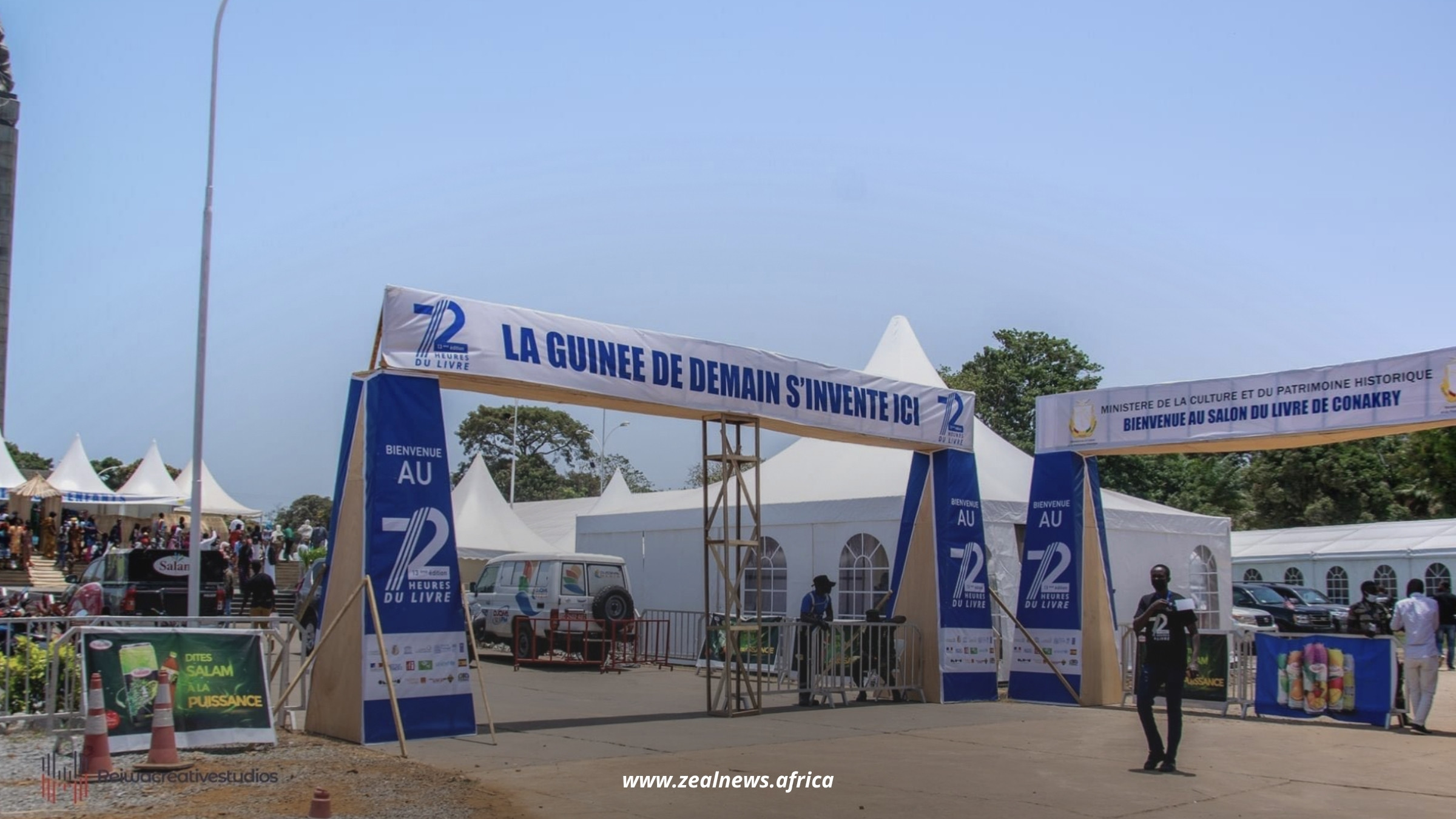
The 18th edition of the festival opened in Conakry this weekend, pulling in writers, students, and cultural enthusiasts for three days of literary immersion.
This festival has been running since 2008 in a country that rarely makes global headlines for anything this gentle.
A City That Chose Books
Conakry's relationship with literature is not accidental. In 2017,UNESCO named it the World Book Capital, a title awarded annually to a city that demonstrates exceptional commitment to books and reading.
That recognition didn't come out of nowhere. It came from years of exactly this kind of ground-level celebration that fills streets rather than just auditoriums, the kind that makes dancing with a paperback feel completely normal.
Then in 2025, Conakry was admitted into theUNESCO Creative Cities Network for Literature. That is the same network that includes Edinburgh, Melbourne and Iowa City — cities whose entire cultural identities are built around the written word. Conakry is in that company now.
For a West African city navigating the same infrastructure deficits, economic pressures, and colonial literary legacies that most countries on the continent still deal with, this is not a small thing.
It is a deliberate, sustained, community-driven choice to make books matter and it has clearly been working.
Miss Literature Is Not What You Think
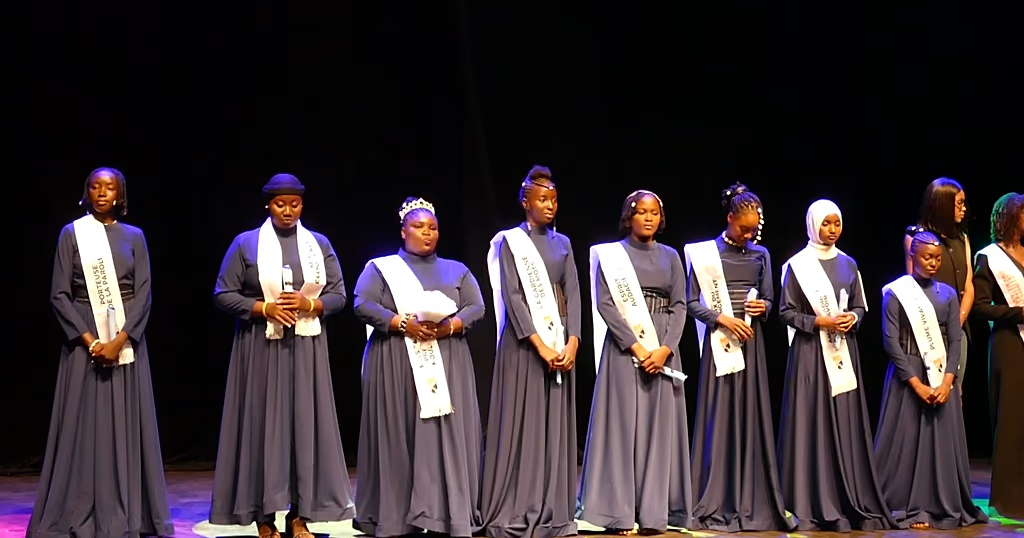
One of the most interesting features of the festival is the Miss Literature competition, which has grown into a central attraction over the past four years.
The competition is not a pageant like the title might make you believe. It has nothing to do with physical appearance. It is judged entirely on intellect, creativity, and passion for reading.
This year's winner was Aïssatou Kamano, a dental student who spoke about her love for literature and her desire to share that experience with others.
Culture
Read Between the Lines of African Society
Your Gateway to Africa's Untold Cultural Narratives.
The first and second runners-up, Kadidjatou Barry and Mariama Camara, both talked about how books had shaped their education and personal growth.
What is striking about this format is that it implicitly argues that a young woman's relationship with literature is a legitimate public achievement worthy of recognition.
In a media landscape that rarely misses a chance to reduce women to how they look, a competition that centres intellectual depth is doing something different.
Former participants and audience members have praised it for exactly this. It celebrates talent in a way that doesn't come with the usual conditions attached.
What This Says About Africa's Reading Culture
People are quick to assume that the absence of infrastructure means the absence of culture.

Low book sales get cited. Literacy statistics get quoted out of context and a quick conclusion is drawn that Africans simply don't read or don't care about literature.

But Conakry argues the story entirely. So does theAke Arts and Book Festival in Lagos. TheWritivism Festival in Kampala and theStorymoja Festival in Nairobi.
Across the continent, literary culture is not dying. In fact, in many places, it is actively thriving.
It just doesn't always look the way Western publishing metrics expect it to.
The 72 Hours of the Book has also expanded beyond Conakry itself, with events now being held in Forecariah.
That detail is easy to skip over, but it matters. Decentralising cultural programming is genuinely difficult.
It signals that the festival is not content to serve just one city's educated class. It wants literature to move beyond the capital bubble.
Why This Deserves Your Attention
It is easy to scroll past a story about a book festival in Guinea when your timeline is already packed with political news and economic anxiety.
However, the 72 Hours of the Book is the kind of story that lingers.
It tells you that somewhere right now, people are dancing in the streets with books.
Culture
Read Between the Lines of African Society
Your Gateway to Africa's Untold Cultural Narratives.
That a dental student is being publicly crowned for her passion for literature. That a city has spent eighteen years insisting, through festival after festival, that reading is not a luxury or a chore, but a full-bodied, joyful act of being alive.
Africa's reading culture is not struggling to exist. In Conakry, it always has been. And right now, it is performing.