If Drought Displaces More People Than War, What Should Governments Prioritize?
Drought is now displacing more people than war in parts of Africa. A look into governments consistent late reactions and what a serious policy response should look like.
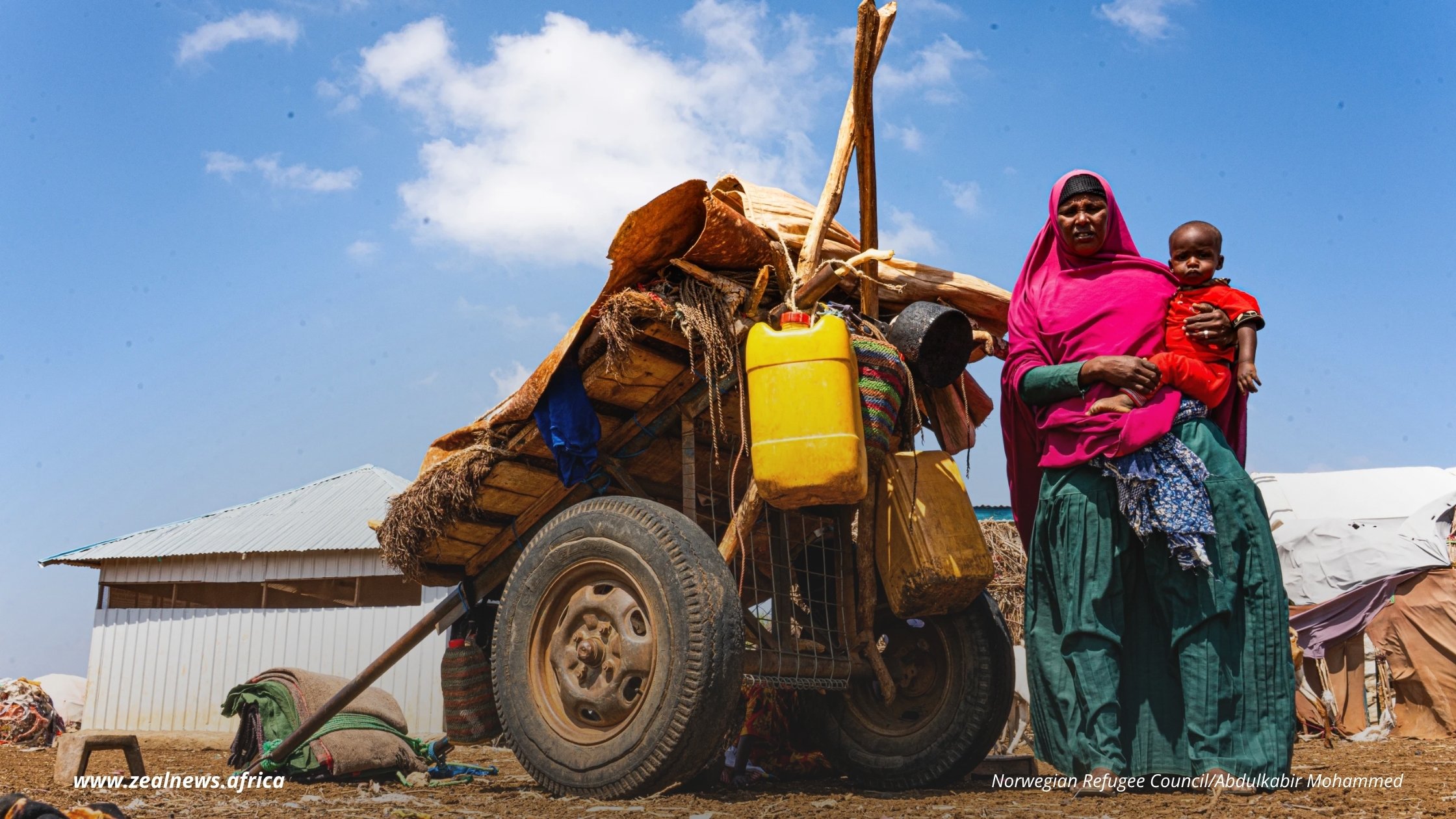
War is loud. It makes headlines, dominates foreign policy discussions, and commands emergency summits. We can see from the recent conflict between Iran and the U.S.
Drought, on the other hand, is quiet. It creeps in slowly, dries up rivers, kills livestock, and then, almost without announcement, forces millions of people to abandon everything they know.
In places like Somalia, drought has now officially overtaken conflict as the leading cause of displacement.
Between April and June 2025, projections showed that 69% of new displacement cases in Somalia would be climate-driven, mostly drought, compared to 31% from conflict.
Nearly 62,000 people have been displaced by drought since the beginning of the year.
If we are serious about protecting people and not just performing concern, then it is important to ask this question: when climate displaces more people than war does, what exactly should governments be doing differently?
The Real Shape of the Crisis
This is not a Somalia-only problem. However, it is an entry-point for this piece.
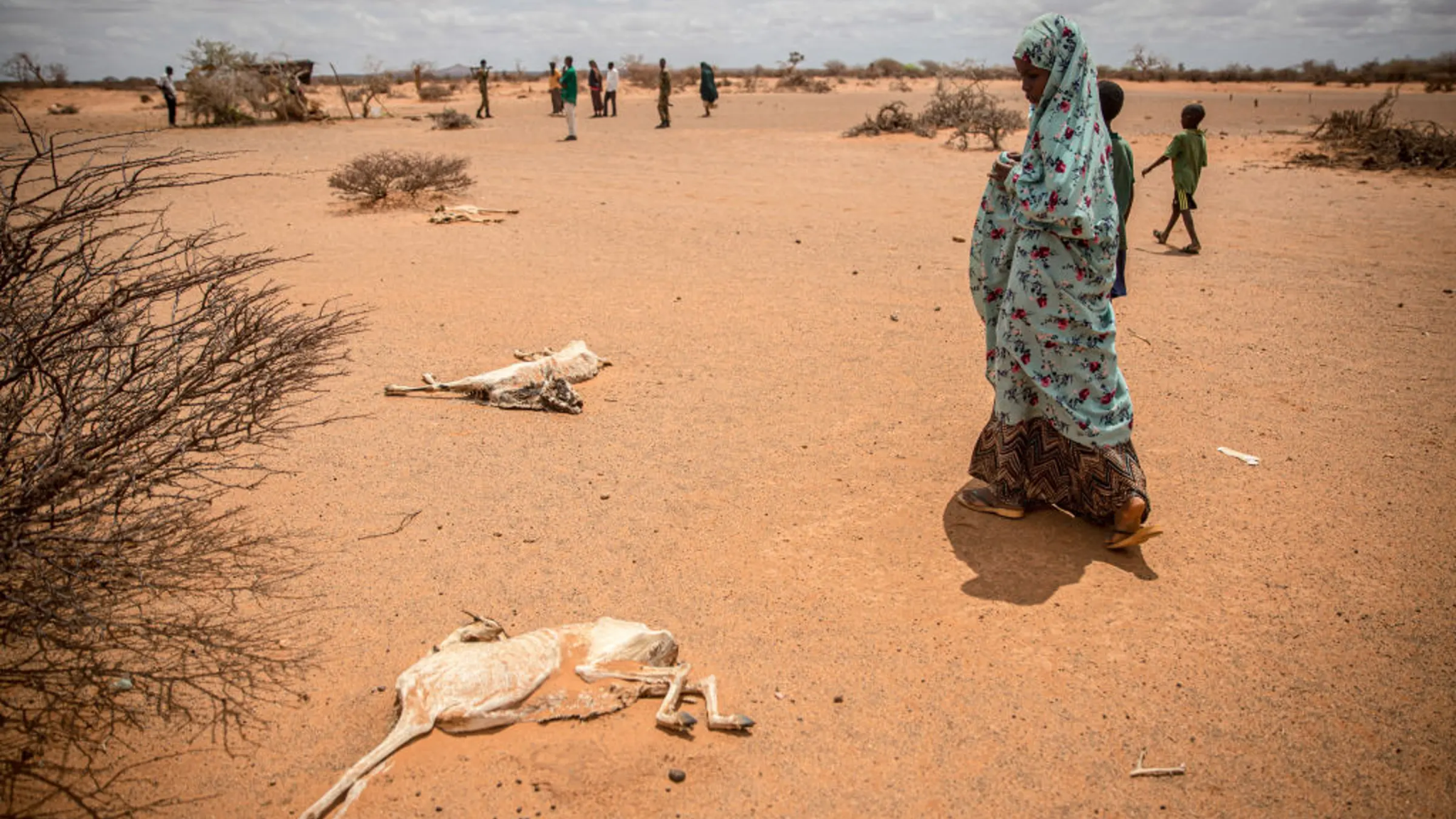
The country has suffered consecutive seasons of below-average rainfall, catastrophic livestock losses, and food prices that shot up as high as 160% above pre-2020 levels in some areas.
By early 2025, roughly 4.4 million people, which is nearly a quarter of Somalia's entire population, were facing crisis-level food insecurity.
Water sources had dried up. People were travelling up to 1,000 kilometres just to access healthcare. About 1.7 million children under five were projected to suffer acute malnutrition in 2025 alone.
What makes this more devastating is that it is predictable. Climate scientists have been flagging the Horn of Africa's increasing vulnerability for years.
The droughts are no longer natural phenomenons; they are the outcome of a global system that continues to burn fossil fuels while the countries that contributed least to that problem suffer the most.
Why Governments Keep Getting This Wrong
The standard playbook for displacement involves military intervention, refugee camps, and emergency food aid.
All of that plays an actual role but it is fundamentally reactive and does not necessarily treat the issue at its roots.
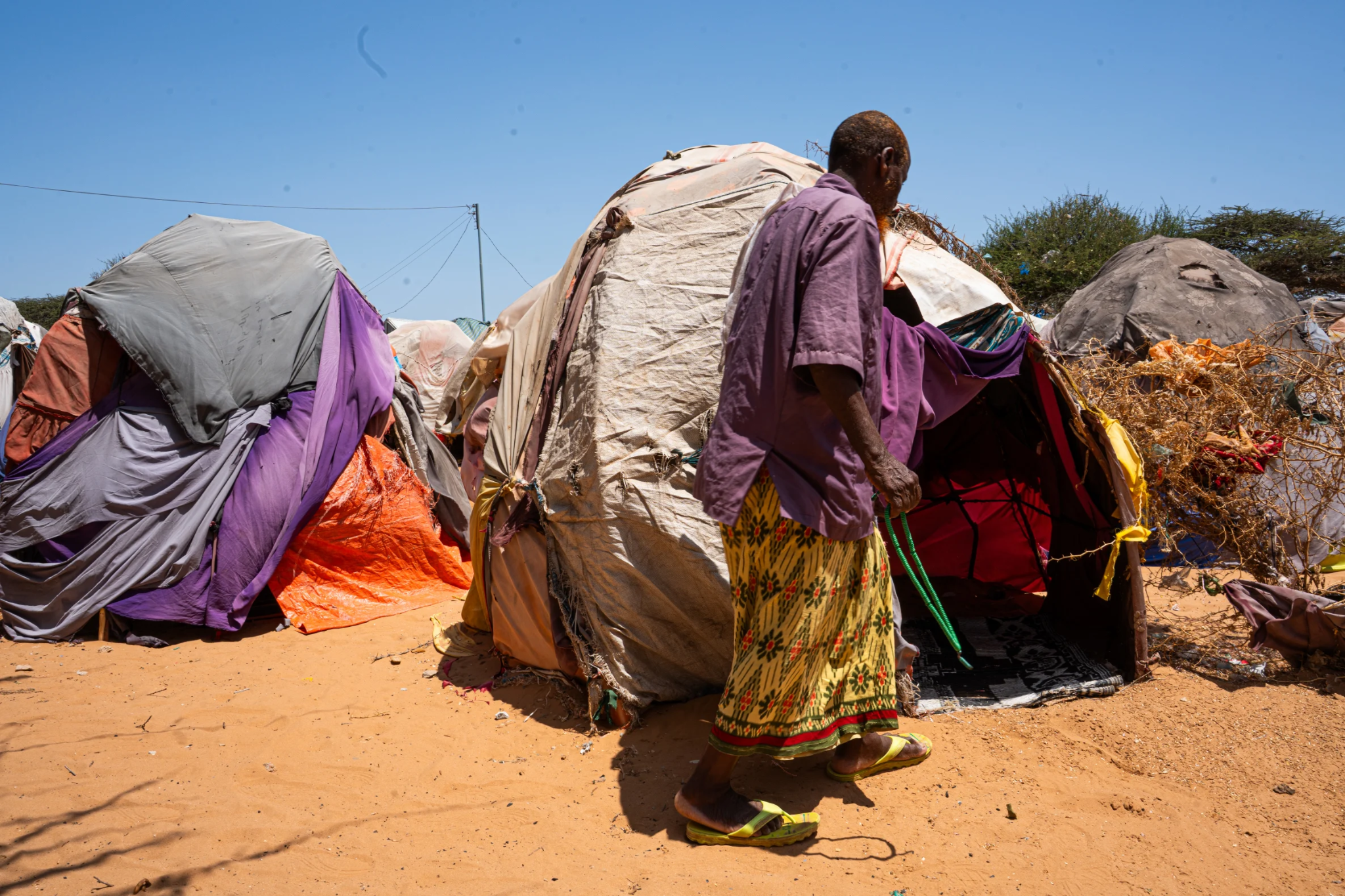
Governments and international bodies keep arriving after the crisis, distributing supplies in overcrowded informal settlements, and calling that a response.
By the time 62,000 people are on the move, the window for meaningful intervention has already closed.
What should have happened was investment years earlier. Investment in water infrastructure, drought-resistant crops, livestock insurance schemes and early warning systems that actually trigger action rather than just generate reports.
IOM has been calling for exactly this kind of sustained investment, but the gap between what is needed and what is funded keeps widening while donor priorities stay fixed on conflict zones.
There is also a political aspect. Climate displacement doesn't have the same legal infrastructure as conflict-driven displacement.

There is no equivalent of refugee status for people fleeing drought. That means millions of people are moving without formal protection, without rights, and without recourse, essentially invisible to the systems designed to help them.
What a Serious Policy Response Actually Looks Like
If drought now displaces more people than war, then climate resilience needs to sit at the center of national and international security frameworks, as a core-priority.
First, investment in water infrastructure cannot be optional. Communities that have reliable access to water can withstand droughts. Communities that don't, can't. It is that simple.
Second, governments in climate-vulnerable regions need dedicated funding streams for pastoral communities, the people who depend on livestock and grazing land, because those are precisely the people who get hit first and hardest.
Third, the international legal framework around displacement needs to expand. People fleeing uninhabitable conditions because of climate change deserve the same formal protections as people fleeing war.
Fourth, wealthy nations that have driven the bulk of global emissions need to stop treating climate finance as charity. It is compensation.
The countries on the frontlines of climate displacement did not create this crisis, and the burden of managing it cannot keep falling entirely on them.
This Is the Crisis of Our Generation
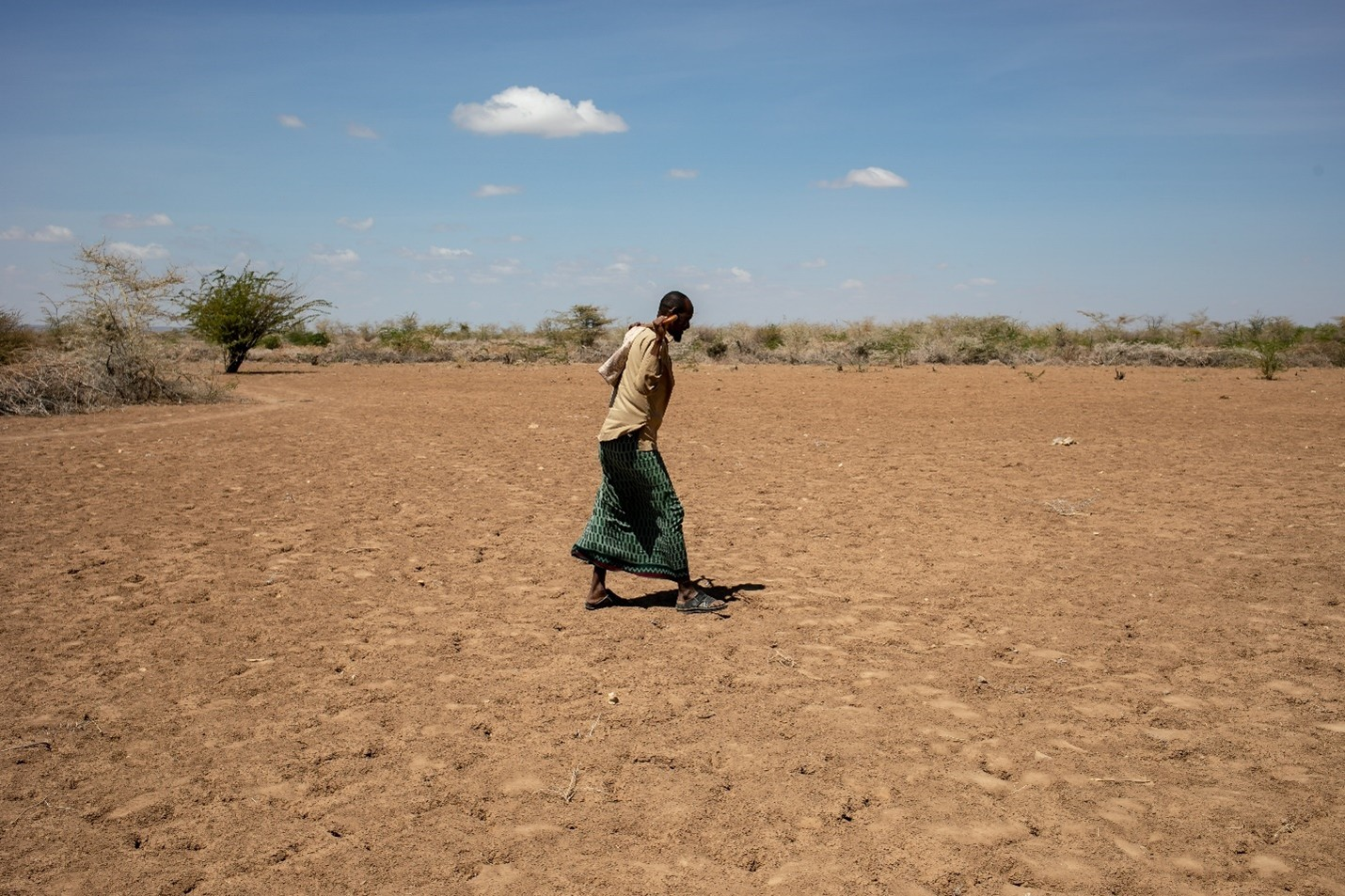
The patterns unfolding in Somalia today are the patterns that will define migration, food systems, and geopolitical stability across the Global South for decades to come.
Drought is already displacing more people than war in some of the world's most fragile regions, and the response from global leadership has been, at best, insufficient.
If governments don't reorder their priorities to match that reality, no amount of emergency aid will be enough.
The rain isn't coming back on its own.