When Criminals Dictate Terms, What Power Does the State Still Hold?
While ordinary Nigerians get arrested for a tweet, Boko Haram is livestreaming from hideouts and issuing ransom ultimatums. Nigeria's real problem was never just insecurity, it was always about power and who gets to escape it.
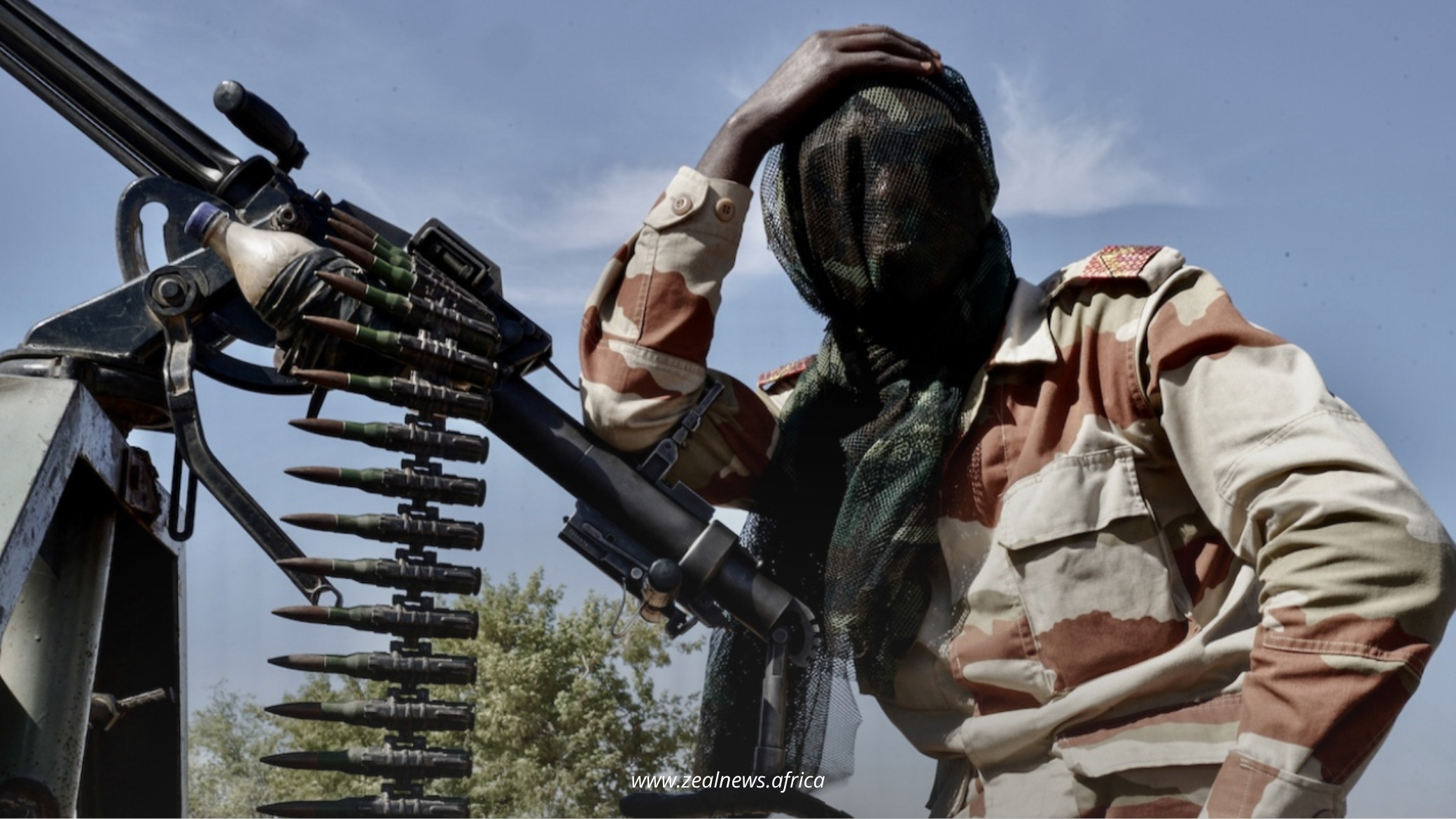
“...let us recognize that extreme poverty anywhere is a threat to human security everywhere.” — Kofi Annan
As of 2020, according to the UN Development Programme, Boko Haram insurgents had killed around 350,000 people. That was five years ago.
The insurgency is also believed to have displaced more than 2.6 million people, created over 52,000 orphans and 54,000 widows and caused about $9 billion worth of damage.
UNICEF blamed the group for killing around 2,295 teachers and destroying more than 1,400 schools since the conflict started.
While all of that was happening and an entire region was being made inhabitable, some of the people responsible were being handed vocational training and a second chance.
Now, the question is not really about security anymore. It is about who this country decides deserves consequences and who gets to negotiate their way out of them.
When Crime Starts to Feel Like a Show
Just when you think the body count and the displacement numbers might compel the government to act with some urgency, the bandits show up with their TikTok accounts.
Sounds like something you would only see in a movie, but that is just the Nigeria reality.
During the 2024 Eid El Fitr, some bandits shared videos of their Sallah celebrations on social media.
They occasionally flaunt the cash collected from their victims as ransom; it has, in fact, become a norm.
One notorious bandit even went further and actually did a live broadcast on TikTok from his hideout, engaging directly with viewers during a live session.
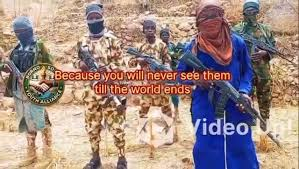
And if you thought the TikTok livestreams were brazen, consider this: on April 19, 2026, three days ago, a Boko Haram faction released a video issuing a 72-hour ultimatum to the Nigerian government, threatening to kill or permanently relocate 416 women and children abducted from Ngoshe village in Borno State unless a N5 billion ransom was paid.
The captives were taken during a March 2026 attack that allegedly overran a military base, leaving dozens of villagers dead. Speaking in Hausa with English subtitles, a masked spokesperson identifying the group as "Jama'atu Ahlis-Sunna Lidwatu Wal-Jihad" looked directly into the camera and said, "This is our first and final message."
He then dared the government to attempt a military rescue. As of the time of writing, the Nigerian government has not issued any detailed public response.
Bandit groups operating in northern Nigeria have increasingly turned to platforms like Facebook, TikTok and X to coordinate activities, disseminate propaganda and communicate with their members and the broader public.
They are not hiding and the audience watching is us, the ordinary Nigerians who still get arrested for tweeting the wrong thing.
This brings us to the uncomfortable conversation about what is really going on.
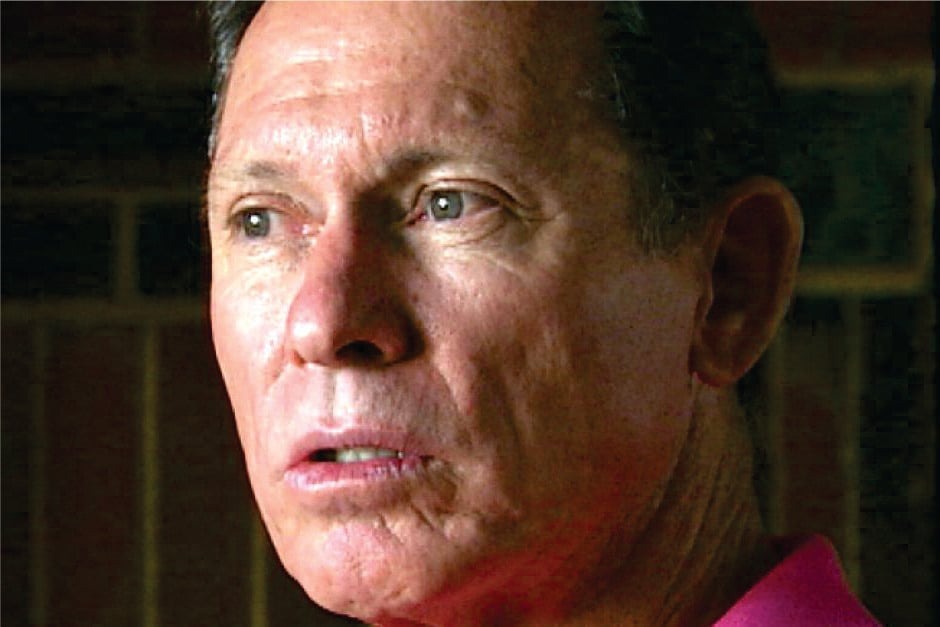
A former Anglican clergyman named Stephen Davis, who has negotiated with Boko Haram multiple times, has blamed local Nigerian politicians who support local bandits like Boko Haram in order to make life difficult for their political opponents.

He specifically pointed to a former governor of Borno State who initially supported Boko Haram, but stopped funding them after the 2007 elections. The governor denies it, of course.
It is not hard to spot the pattern. Boko Haram was said to have received funding from prominent politicians and businessmen from the northern part of Nigeria.
Between 2006 and 2011, reports indicate the group was able to secure approximately $70 million from various illicit sources.
That kind of money does not fall from the sky. It comes from people with access to that kind of money, and in Nigeria, those people tend to sit in government.
When the state "struggles" to contain an insurgency that it may have, at various points, quietly fed, what exactly is the moral authority behind its decisions about who deserves justice?
When “Second Chances” Stop Making Sense
About 150,000 "repentant" Boko Haram members who have surrendered to the army are participants in deradicalisation programmes, going through three-month courses where they are taught societal values and vocational skills.
For mass murderers, child kidnappers and people who burned down entire villages, they are given a second chance and also reintegration.
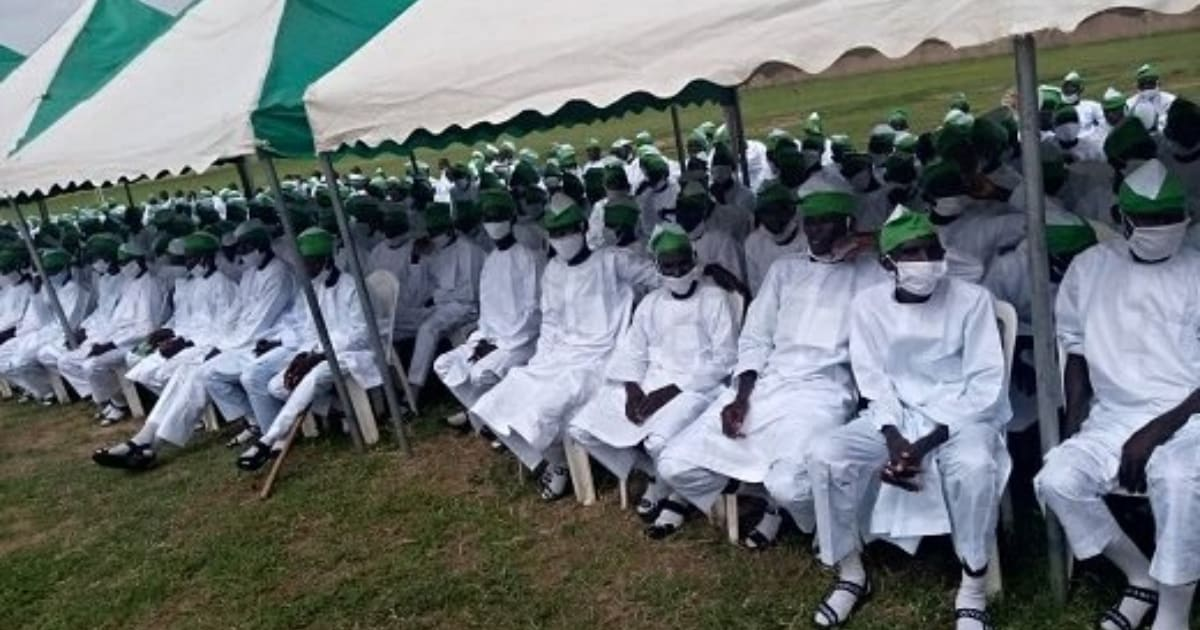
The stated aim is to ensure those who have committed the most serious crimes are brought to justice, while those who have repented are provided with psychological support and vocational training for eventual reintegration back into society.
Meanwhile, a young man in Lagos who steals a phone might get about two years. A woman who protests bad governance gets arraigned under the Cybercrimes Act.
In 2024, authorities arrested and prosecuted journalists, social media commentators, and protesters.
It is clear that the state has decided, consciously or not, that ordinary citizens must answer for everything and armed criminals, particularly those with political utility, must be managed, not punished.
What about the communities that have actually lived through the terror? Community members in northeastern Nigeria have stressed the dangers of bypassing rehabilitation, with one leader noting that communities must be involved at every stage — identification, reintegration, and monitoring — to avoid suspicion and potential backlash.
There are also real fears about how "repentant" these fighters actually are.
A retired naval officer told reporters that some fighters are sent on purpose to gather intelligence and infiltrate security agencies. This is a pattern observed in those absorbed into security forces who later abscond to form kidnapping groups.
Now, the question isn't whether rehabilitation, as a concept, is wrong. In an ideal world with proper psychological infrastructure, community consent, and accountability mechanisms, it makes sense. People are not fixed things.
We, however, do not live in that world. We live in a country where no fewer than 7,568 people were abducted across Nigeria between July 2023 and July 2024 alone, where in 2024 alone at least 580 civilians, primarily women and girls, were kidnapped across several states, and where the government's response to all of it has been a rotating door of performance and impunity.
Rehabilitation without justice is just an insult dressed up as policy.
Kofi Annan was right — poverty is a threat to human security. But so is a state that treats its most vulnerable citizens as acceptable losses while quietly negotiating with the people doing the killing.
When criminals can livestream from their hideouts, when insurgents get vocational training while victims get displacement camps, when the political class may have helped build the very fire it claims to be putting out, the question becomes about power.
Who has it? Who protects it? Who pays the price when neither accountability nor justice is ever really on the table?
Nigeria, as always, has its answer. It just refuses to say it out loud.