10 Foods That Actually Help Your Skin Stay Healthy and Glow
Discover 10 science-backed foods that nourish your skin from within, boosting hydration, collagen production, and that natural, healthy glow.

Your skincare routine can only do so much. While serums and SPF are doing their part on the outside, your skin is doing a whole repair operation from within and the food you give it matters more than most people think.
Skin cells renew roughly every 28 days, meaning what you eat right now is literally becoming your next layer of skin.
Here are ten foods that science actually backs for giving you healthier, clearer, more radiant skin.
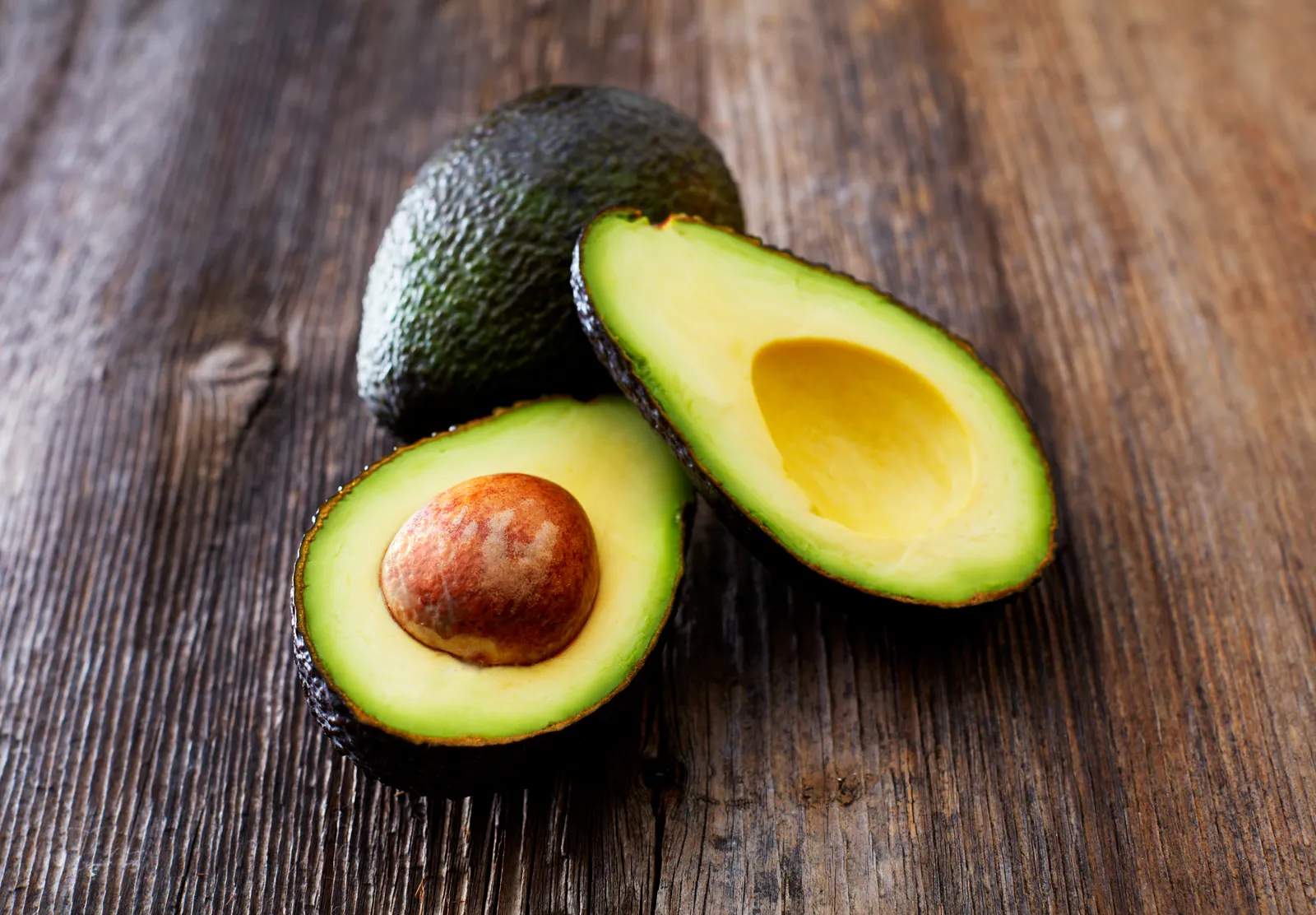
1. Avocado
Avocados are genuinely one of the best things you can eat for your skin. The monounsaturated fats in avocado reinforce the lipid layer of your skin, which is the thin barrier that keeps moisture in and environmental irritants out.
Without enough healthy fat in your diet, this barrier weakens and your skin becomes dry, flaky and reactive.
Avocados also carry vitamins E and C, which work together.
Vitamin E neutralises free radicals that cause oxidative damage, while vitamin C stabilises vitamin E and boosts collagen synthesis.
You essentially get anti-ageing and hydration in one fruit.
2. Sweet Potato
Sweet potato containsbeta-carotene in extraordinary amounts.
A single medium-sized one can give you several times your daily vitamin A requirement. Once inside the body, beta-carotene converts to vitamin A, which drives skin cell turnover.
Old, dull and dead cells get pushed out faster and fresh ones replace them, which is why consistent consumption of beta-carotene-rich foods is linked to a visibly brighter complexion over time.
There is also a literal glow effect. High beta-carotene intake deposits a warm, golden pigment in the skin that gives it a luminous quality.
3. Fatty Fish (Salmon, Mackerel, Sardines)
Omega-3 fatty acids are essential fats your body cannot produce on its own, meaning your skin's health depends on whether you eat them.
Omega-3s regulate the skin's inflammatory response, which is directly connected to acne, redness, eczema, and general irritation.
They also maintain the integrity of cell membranes, helping skin cells hold moisture more efficiently.
Salmon in particular is also rich in astaxanthin and that protects skin from UV-induced damage and helps maintain elasticity.
If your skin breaks out easily or feels constantly irritated, omega-3 intake is one of the first things worth examining.
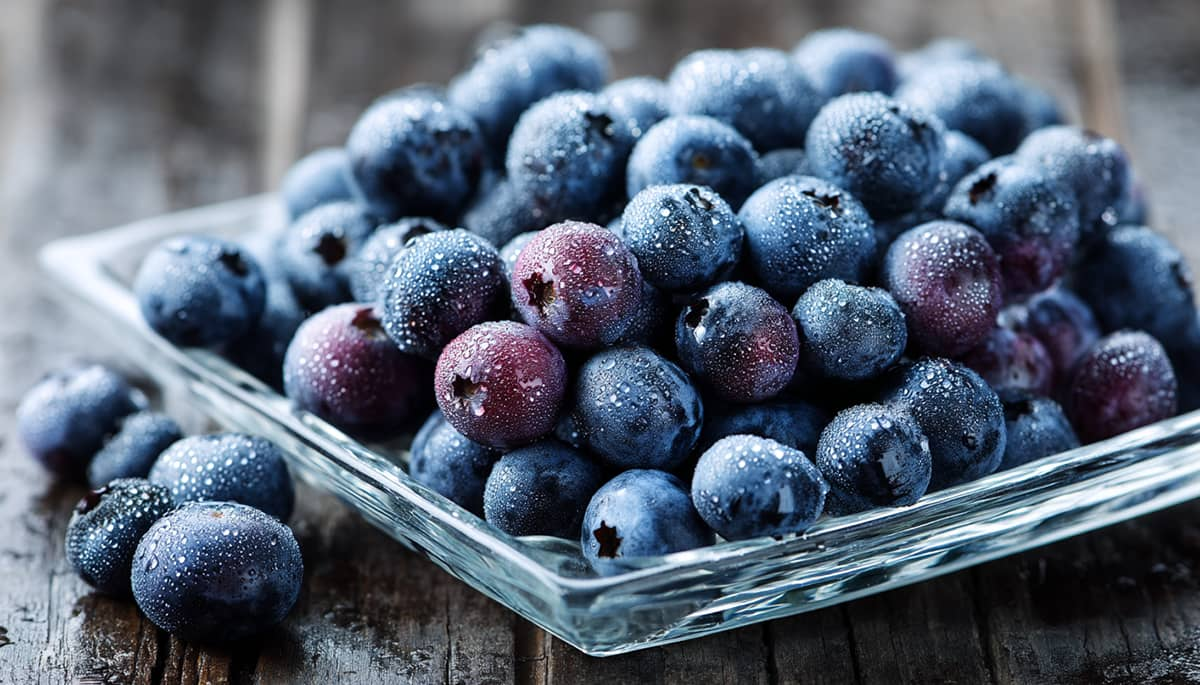
4. Blueberries
Blueberries are one of the highest antioxidant-containing fruits available, and antioxidants matter for skin.
They neutralise free radicals like unstable molecules generated by sun exposure, pollution, and even stress that degrade collagen and accelerate ageing.

The specific antioxidants in blueberries, called anthocyanins, have been shown to protect collagen fibres from breaking down.
Vitamin C in blueberries also directly triggers collagen synthesis. The result is firmer, more elastic skin that holds its structure longer.
5. Tomatoes
Tomatoes are one of the richest food sources of lycopene, a carotenoid antioxidant that accumulates in the skin and actively reduces sensitivity to UV radiation.
Studies show that regular lycopene consumption raises the skin's minimal erythemal dose.
In simple terms, it takes more sun exposure to cause damage to your skin. Cooked tomatoes are even more effective than raw ones because heat breaks down the cell walls and makes lycopene significantly more bioavailable.
Tossing tomatoes into a stew, sauce or jollof is skincare.
6. Dark Chocolate
Now, before you go and chug on every chocolate bar you see, it has to be at least 70% cocoa.
High-cocoa dark chocolate is packed with flavanols, a class of polyphenols that improve blood flow to the outermost layers of the skin.
Better circulation means more oxygen and nutrients reach skin cells, which translates to a more even, less dull complexion.
Research has shown that regular high-flavanol cocoa consumption increases skin density, hydration, and smoothness, and even raises UV resistance over time.
Flavanols also support collagen by protecting it from breakdown caused by free radical activity.
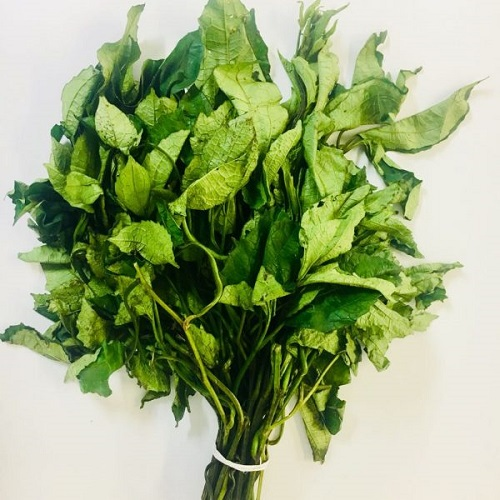
7. Spinach and Dark Leafy Greens
Kale, ugu and other dark leafy greens carry an almost complete profile of skin-essential nutrients.
Vitamin A for cell renewal, vitamin C for collagen, vitamin E for antioxidant defence, iron for proper oxygen circulation and folatefor DNA repair.
Iron deficiency in particular shows up in the skin before almost anywhere else. A pale, dull and uneven skin tone is often a sign of inadequate iron rather than a product problem.
The combination of these nutrients working together makes leafy greens one of the most comprehensive skin foods available.
8. Walnuts
For people who do not eat fish, walnuts are one of the few plant foods that provide meaningful amounts of omega-3 fatty acids.
Beyond omega-3s, walnuts also contain zinc, a mineral that regulates sebum production, controls inflammatory pathways and supports wound healing.
Zinc deficiency is strongly associated with acne, so adequate intake helps keep the skin's oil production balanced and reduces the inflammatory response that turns blocked pores into full breakouts.
9. Fermented Foods
Yogurt, kefir, kimchi and sauerkraut all contain live probiotic cultures which are beneficial bacteria that colonise the gut and influence the body's inflammatory activity.
When gut bacteria are out of balance, inflammatory signals travel through the bloodstream and manifest as skin conditions including acne, eczema, and rosacea.
Probiotics work to restore and maintain microbial balance in the gut, reducing that systemic inflammation before it reaches the skin.
Kefir also provides protein, which supports collagen production, and kimchi contains vitamin B12 along with its probiotic bacteria, giving it dual skin-supporting properties.
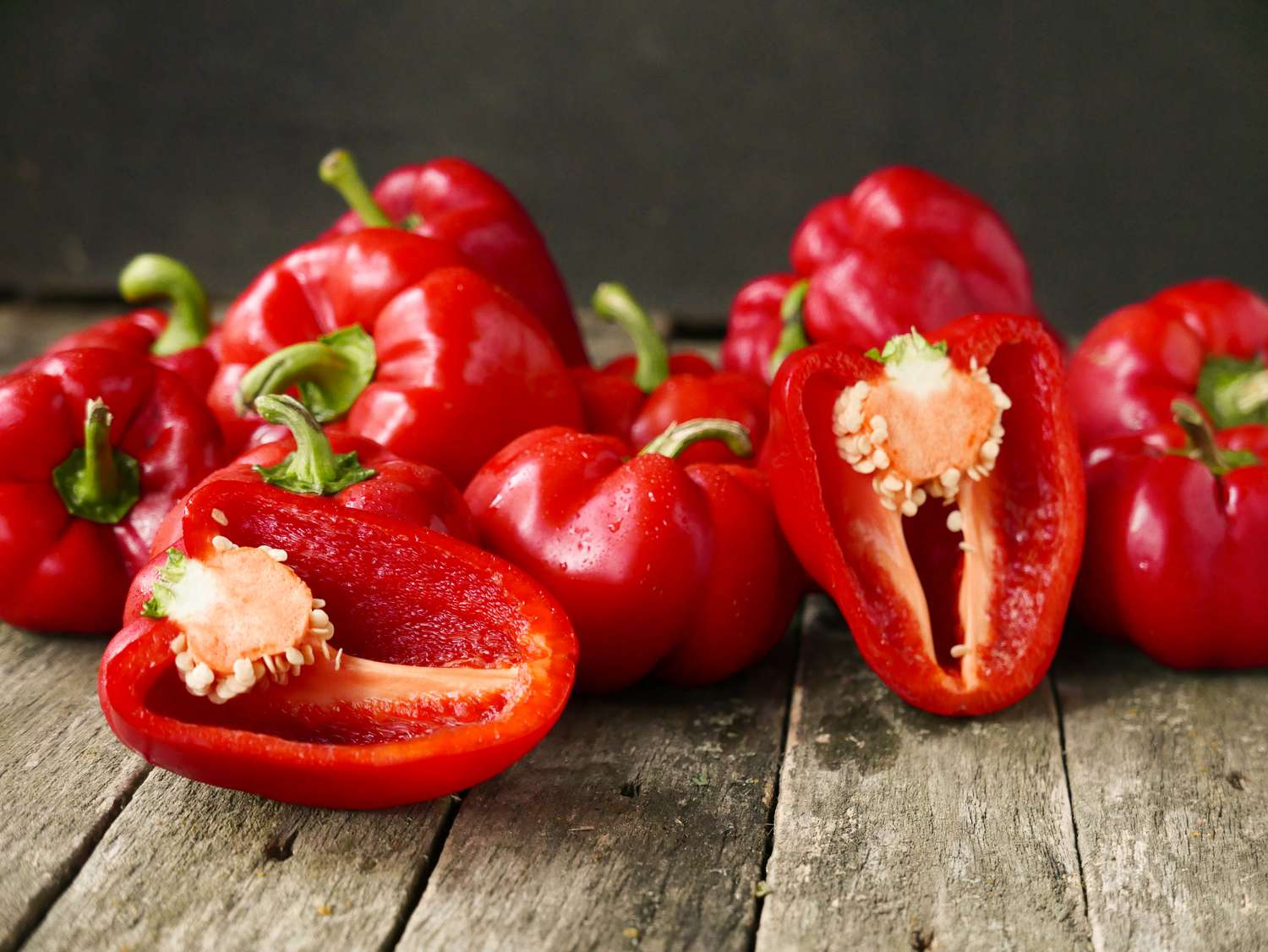
10. Red Bell Peppers
Red bell peppers contain more vitamin C per gram than oranges which is a fact that surprises most people.
Vitamin C is non-negotiable for skin health because it is the primary cofactor in collagen synthesis.
Without it, the collagen production process stalls, and skin begins to lose its firmness and plumpness.
Vitamin C also inhibits melanin production, which is what makes it one of the most effective nutrients for fading hyperpigmentation and dark spots.
Red bell peppers additionally carry beta-carotene, giving them the same UV-protective properties as sweet potatoes and tomatoes.
Eating them raw preserves the highest vitamin C concentration since heat degrades it.
Conclusion
The skin is not separate from the rest of your body; it responds to everything you eat, drink, and feel.
None of these foods are a replacement for sunscreen or water, but what you consistently put on your plate builds the foundation that no topical product can fake.
Start with one or two and give it at least six to eight weeks. The results are slower but they are also permanent.