Nokia Went From Making Your First Phone to Building AI Infrastructure — What That Shift Means for Africa's Internet
Nokia’s shift from mobile phones to AI infrastructure reveals a deeper story about global internet power, and why Africa risks being left behind without urgent investment in broadband, data centres, and energy.
If you grew up in Nigeria in the 2000s, you probably had a Nokia phone and felt like the world was in your pocket.
Maybe it was the 3310 with the cracked cover your mum bought at a roadside market, or it was that torch-light Nokia that survived every fall, every bath and every reason it had no business to still turn on.
That phone was your first camera, your first alarm clock and your first everything.
Nokia has moved on and where it has moved says a lot about where the world is going, and whether Africa is going with it.
What Nokia Actually Does Now
Most people think Nokia died when smartphones took over. It didn't.
While Samsung and Apple were fighting over your pocket, Nokia quietly repositioned itself as a telecom infrastructure company. The one that builds the cables, the networks and the systems that make the internet actually work.
In 2024, Nokia acquired a US company called Infinera, which made it one of the world's top manufacturers of optical transport systems.
It basically stands as the fibre optic technology manufacturing company that moves massive amounts of data across continents at the speed of light. That move turned out to be very well-timed.
Why Nokia Is Suddenly Making More Money Than Ever
Every major tech company — Google, Microsoft, Amazon, Meta — is building enormous AI data centres right now, keying into the AI boom.
These data centres need to talk to each other constantly, processing and transferring insane volumes of data every second. That communication happens through fibre optic cables.
Nokia makes those cables and the systems that run them. This quarter, Nokia reported a 54% jump in operating profit, blowing past what analysts expected.
Net sales from AI and cloud customers climbed 49%, and the company locked in €1 billion in new orders just in the first three months of 2026.
Its shares hit their highest price since 2010. The company that everyone had written off is now one of the biggest quiet winners of the AI supercycle.
What Does Any of This Have to Do With Africa?
Latest Tech News
Decode Africa's Digital Transformation
From Startups to Fintech Hubs - We Cover It All.
When the world talks about the AI boom, it talks about the companies building the models like OpenAI, Anthropic, Google DeepMind.
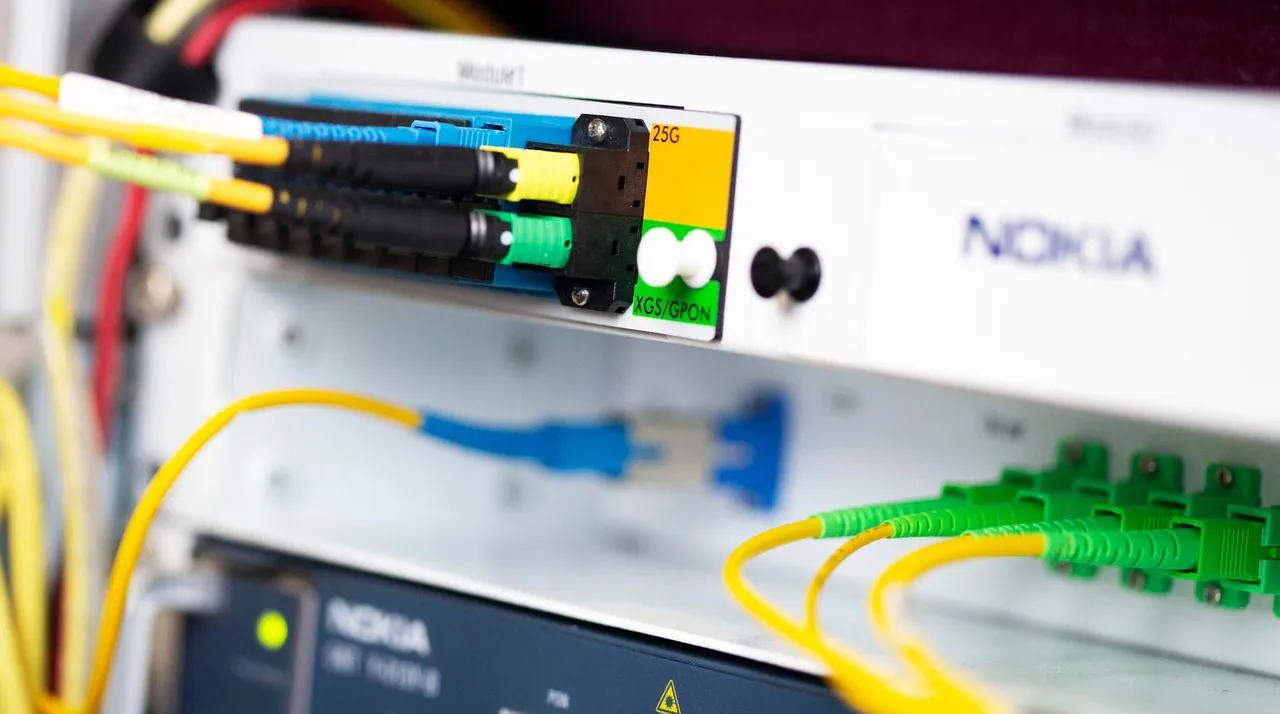
But the boom is only possible because of the physical infrastructure underneath it which includes the undersea cables, the fibre networks, the data centres quietly humming in warehouses around the world.
Africa has a complicated relationship with that infrastructure.
The continent has made real progress as there are several major undersea cables that now connect Africa to Europe, Asia, and the Americas, and mobile internet penetration has grown rapidly across the continent.
However, the gap between where Africa is and where it needs to be is still enormous.

Nigeria, for example, still struggles with internet reliability that makes remote work, streaming, and cloud-based services frustrating daily realities for millions of people.
Data centre capacity across all of Africa is still a fraction of what exists in Europe or North America.
And as AI becomes more embedded in everything, the countries with strong digital infrastructure will pull further ahead of those without it.
The Infrastructure Question
Nokia's AI infrastructure boom is primarily being driven by hyperscalers, the Googles and Amazons of the world, building data centres mostly in North America and Europe, where the regulatory environment is clearer and the energy supply is more stable.
Africa is not the first call.
Investment in African digital infrastructure has been growing, but it is largely driven by the same handful of players, and it moves slowly against a backdrop of unreliable electricity, policy uncertainty, and fragmented markets.
Nokia has actually been expanding its presence in the Middle East and Africa region, and its technology is part of several African telecom networks.
The AI supercycle is happening with or without Africa's full participation, and the continent's ability to benefit from it depends almost entirely on whether governments and private investors treat broadband infrastructure as the urgent national priority it actually is.
The Phone Company Grew Up. Did We?
A company that once defined a generation's relationship with technology quietly rebuilt itself from the inside. Africa needs to think the same way.
Not just about which apps are blowing up or which AI tools are going viral, but about the pipes, the cables, the data centres and the energy grids that will determine who gets to participate in the next era of the internet and who gets left in the dark.
Latest Tech News
Decode Africa's Digital Transformation
From Startups to Fintech Hubs - We Cover It All.
Your Nokia survived everything. The question is whether Africa's digital future will.
Meta description:
Tags:
, , , #digitaldivide