Nostalgia Alert! Iconic 2000s Stores You Absolutely Missed
The American mall landscape is rapidly changing, leading to a nostalgic reflection on beloved retailers from the 2000s. This article explores the decline of malls and revisits iconic stores such as The Sharper Image, Limited Too, Borders, Circuit City, and Tower Records, detailing their offerings and the reasons behind their eventual closures or transformations. It highlights the shift from bustling physical stores to a new era of retail.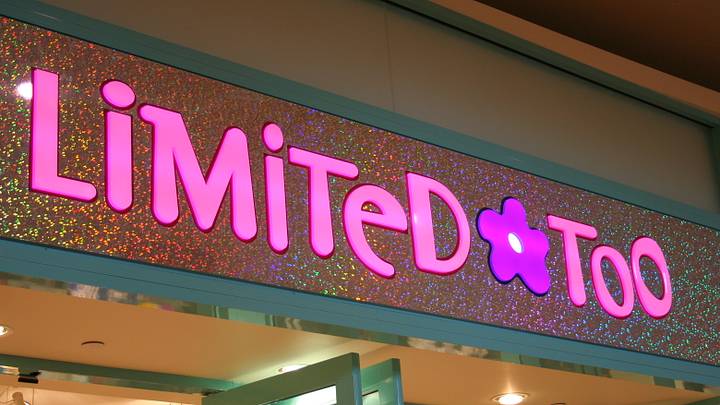
The landscape of American retail has drastically shifted, with shopping malls across the United States experiencing a significant decline. What once stood as vibrant hubs for social activity and commerce, particularly during the 1980s when the U.S. boasted 2,500 malls, has dwindled to an estimated 700 by 2022, according to a Wall Street Journal report. This dramatic reduction means that the nostalgic trips many once took to relive their teenage years wandering through favorite stores are becoming increasingly difficult, if not impossible. The 2000s, in particular, were a golden era for mall stops offering a diverse range of products from clothing and jewelry to music and electronics. Many of these iconic stores, however, have since closed their doors, leaving a void for those who miss their unique offerings.
Among the classic establishments that shoppers remember fondly is The Sharper Image. This store was a destination for cutting-edge electronics and high-tech gadgets, allowing customers to try out innovative products like cameras, specialty lamps, air purifiers, and even a prominent massage chair. However, The Sharper Image faced challenges due to declining sales and a lawsuit, ultimately leading to its bankruptcy filing in 2008 and the closure of all its physical stores. While the brand persists today as an online retailer and occasionally hosts pop-up shops, it bears little resemblance to its former bustling mall presence.
For younger shoppers in the 2000s, Limited Too was a beloved fashion staple. A stepping stone from its parent company, The Limited (which catered to adult fashion), Limited Too offered fun graphic tees, sparkly accessories, and various items to personalize a tween's bedroom. The brand began its transition to Justice stores, a sister brand also targeting tweens, in 2008. Justice continued to be a mall fixture until 2021, when it closed all its retail locations. Today, shoppers can only find Justice brand products in Walmart, a stark contrast to its previous dominance in local malls.
Book enthusiasts also experienced significant losses with the decline of major bookstore chains. In the 2000s, stores like Borders provided ample opportunities to discover new releases and expand personal libraries. However, the rise of online competition, declining sales, and evolving technology presented insurmountable challenges for Borders. The company filed for bankruptcy in 2011, leading to the liquidation of its assets and the closure of stores nationwide. Other prominent book retailers of the era, such as B. Dalton Bookseller and Waldenbooks, suffered similar fates.
The electronics retail sector also saw a major casualty in Circuit City. This store was a prime location for acquiring the latest technology and electronic gadgets of the 2000s, including stereos, computers, and televisions. Despite its popularity, Circuit City declared bankruptcy in 2008. Its downfall was attributed to corporate mismanagement of locations and a critical lack of innovation, especially in the face of burgeoning competition from new retailers like Best Buy.
Music aficionados likewise mourned the loss of their favorite record stores. In the 2000s, places like Tower Records were packed with CDs from both major artists and emerging bands, serving as essential destinations for music lovers. However, the advent of music streaming services and the aggressive pricing strategies of big-box stores selling CDs at lower costs severely impacted mall-based music retailers. Tower Records ultimately shut down in 2006 after filing for bankruptcy, leaving many fans without a physical location to browse and buy music. The brand has since made a comeback as an online store, catering to those who still prefer physical music formats.
Another fondly remembered name among these classic mall stores is dELiA*s, which further underscores the deep sense of nostalgia for a bygone era of retail. The closure and transformation of these once-thriving establishments highlight a significant shift in consumer behavior and the evolving nature of the retail industry, prompting many to revisit memories of these cherished mall classics.