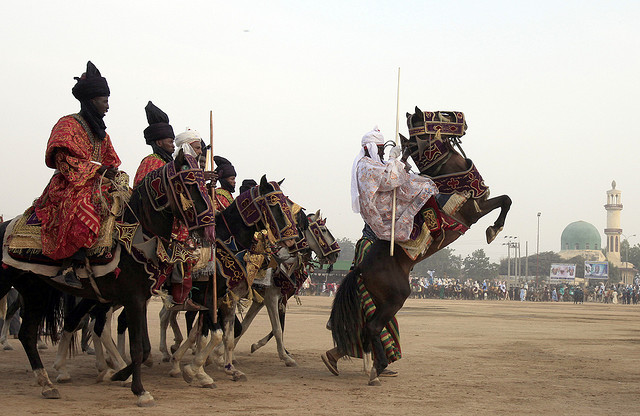
Tribes You Should Know: The Gbagyi, the Ebira, and the Nigeria You Don't See
Beyond the “big three,” Nigeria holds hundreds of overlooked identities. Meet the Gbagyi and Ebira—two cultures that reveal a richer, more complex country than most narratives admit.
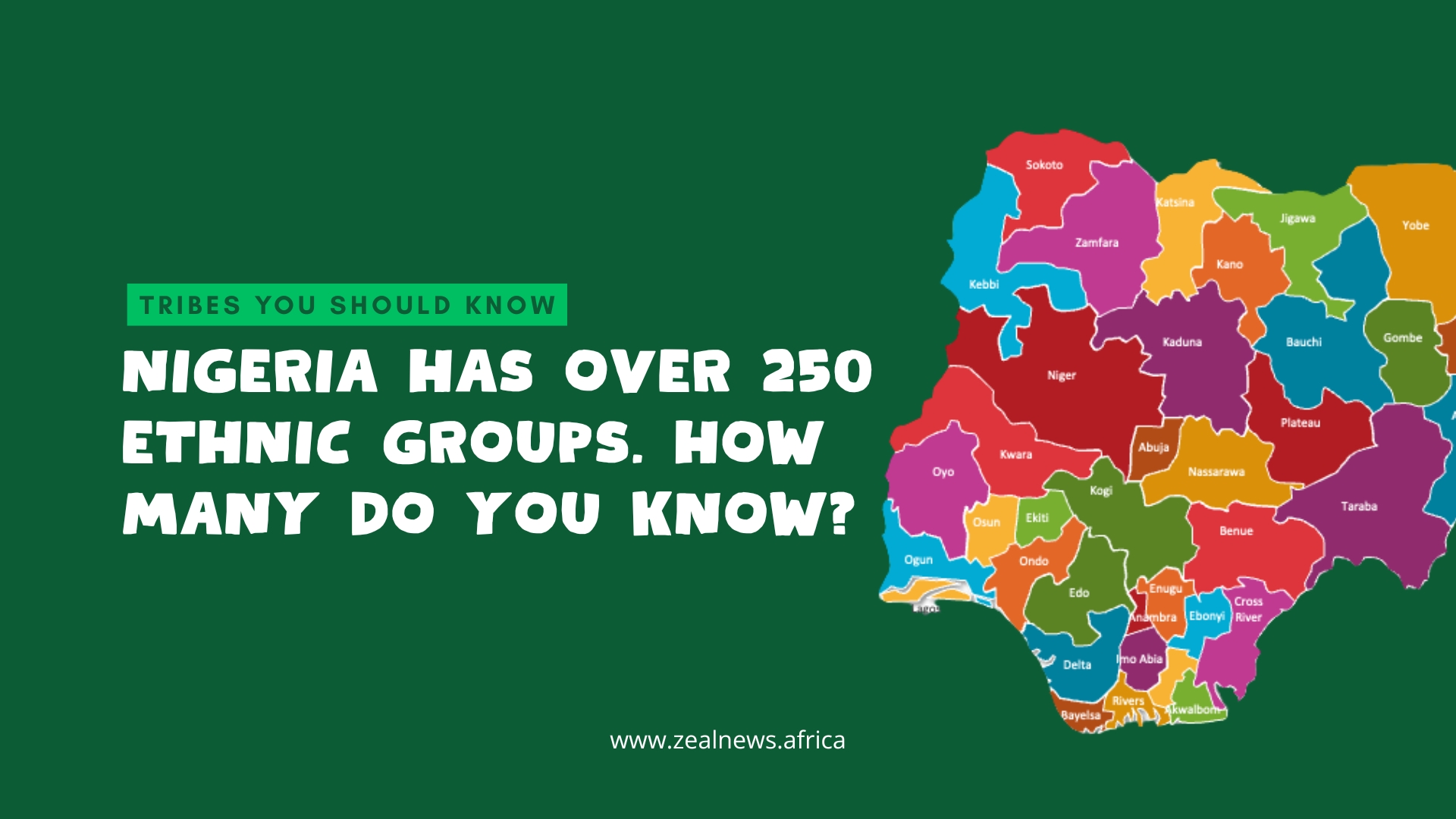
Ask the average Nigerian to name the country's ethnic groups and you will get a very predictable answer: Yoruba, Igbo, Hausa. Maybe someone throws in Ijaw or Tiv or Ibiobio or Bini if they are feeling generous.
And then the conversation moves on, as if those three names somehow capture the full complexity of 200-plus million people spread across 36 + 1 states. They don't.
Nigeria has over250 ethnic groups. Some estimates push that number past 500, depending on how you count dialects and sub-groups.
Which means the version of Nigeria most of us carry in our heads, the one shaped by school textbooks, X debates, and mainstream media, is, at best, a rough sketch. At worst, it is filled with omissions.
Two groups that deserve far more of your attention are the Gbagyi and the Ebira. You probably don't know much about either of them. That is exactly the problem.
The Gbagyi: The People Beneath Your Capital City
Do you know the land Abuja currently sits on belonged to the Gbagyi? Like literally.
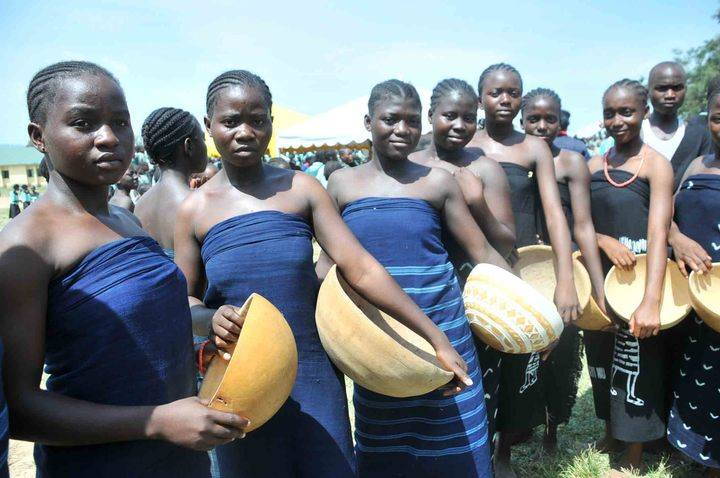
When Nigeria's military government decided in 1976 to relocate the federal capital from Lagos to a more "neutral" centre-point in the country, they landed on a stretch of land in the middle belt that they publicly called a no-man's land. Except it wasn't.
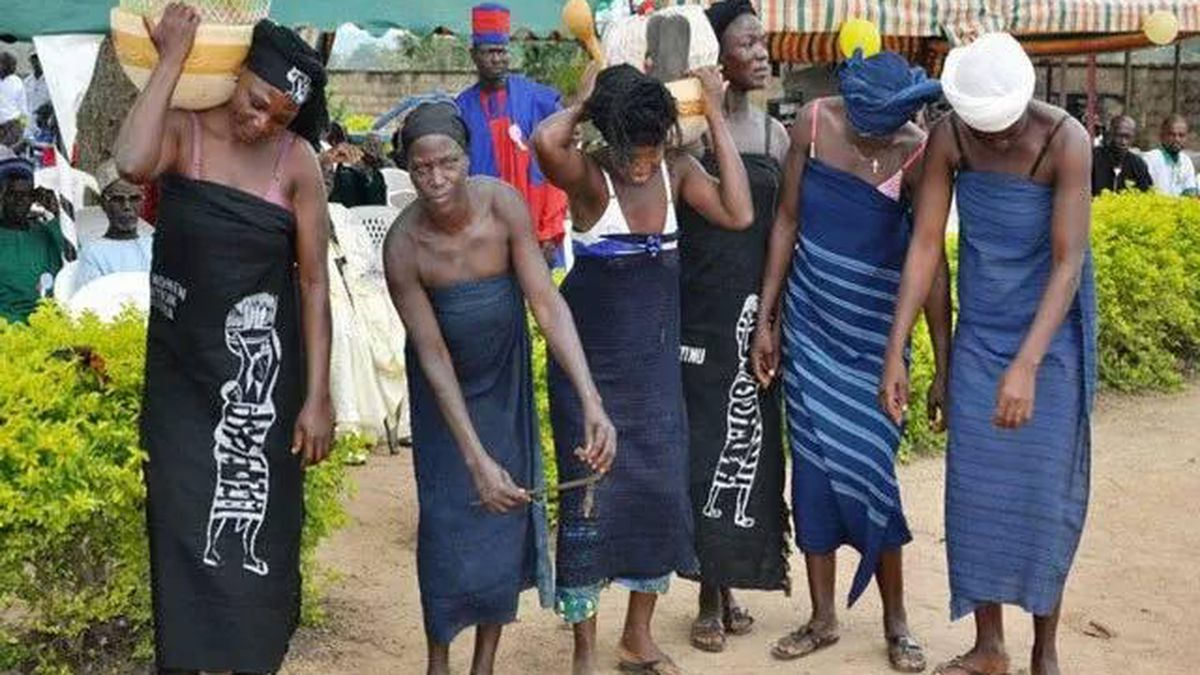
The Gbagyi were already there, farming, raising families, building communities, worshipping at Zuma Rock, long before anyone dreamed up a blueprint for Aso Rock.
The Gbagyi (previously called Gwari by Hausa and Fulani communities — a name they themselves reject) are an ethnic group with a population of roughly 12 million people spread across Niger State, Kaduna, Nasarawa, and the FCT.
They are, by any count, one of the most populous groups in the middle belt. And yet, outside of that region, most Nigerians couldn't tell you a single thing about them.
Who are they, really?
They are farmers by tradition, deeply connected to the land in a way that makes the story of Abuja's construction particularly bitter. They are also known for pottery, a craft passed down through women across generations, and for producing some genuinely striking clay art.
The infamous Ladi Kwali that is on the back of the N20 naira note is from the Gbagyi tribe.
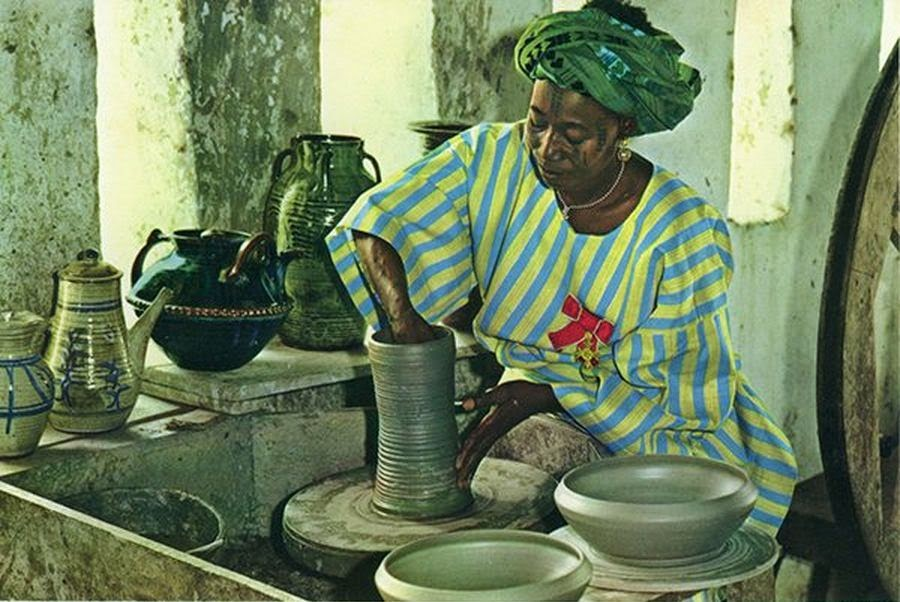
Their traditional religion centres on a god called Shekwoyi, described as the one who existed before their ancestors, though today the Gbagyi community is a mix of Christians, Muslims, and traditional believers.
Culture
Read Between the Lines of African Society
Your Gateway to Africa's Untold Cultural Narratives.
One of the more fascinating things about Gbagyi culture is how widely they were respected by neighbouring groups.
There is a Hausa phrase — muyi shi Gwari Gwari — which roughly translates to "let's do it the Gwari (Gbagyi) way." It was a compliment for doing something with honesty and transparency. That is the reputation they carried.
When Abuja was being built, many Gbagyi families were displaced from their ancestral lands. Some were promised compensation and resettlement.
Many waited in transit camps for years. Their sacred sites, including their deep connection to Zuma Rock, became tourist landmarks rather than living cultural spaces.
And through all of it, the broader Nigerian public barely noticed, because the narrative was always about the shiny new capital rising from what everyone called "undeveloped" land.
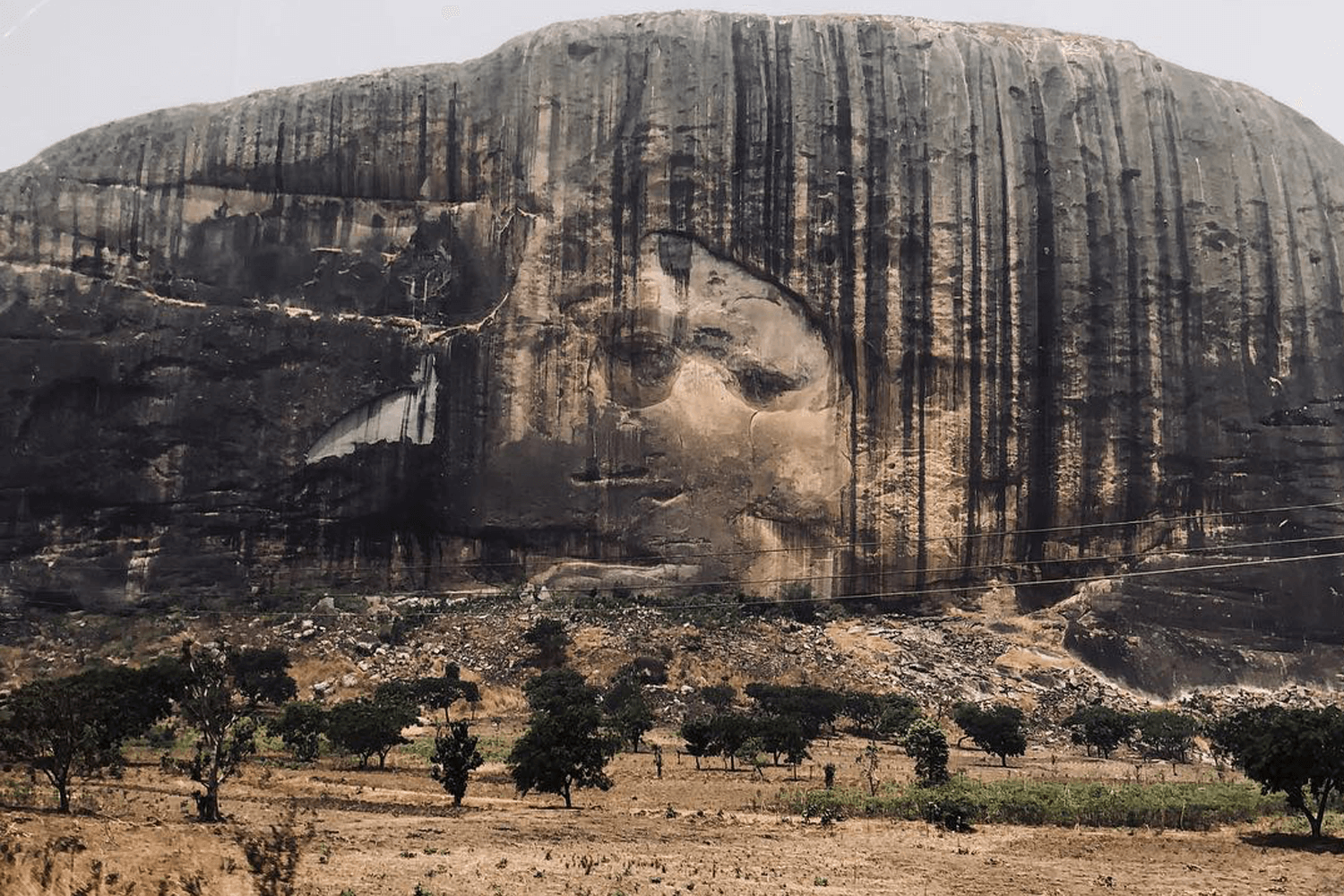

The Gbagyi are still here. They are still farming in the outskirts of the city their land became. They deserve to be known by name.
The Ebira: The Bridge People of Kogi
If you have ever passed through Okene on the way somewhere else, you have been in Ebira territory. And you probably didn't know it.
The Ebira are predominantly found in the central senatorial district of Kogi State, in towns like Okene, Adavi, Okehi, and Ajaokuta, though they also have communities in Nasarawa, Edo, Benue, and even in parts of the FCT.
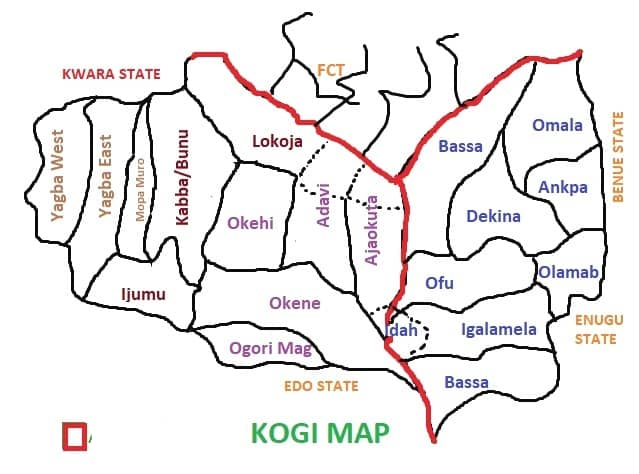
Their population sits around two million, and their reach is wider than most people realize. The word Ebira itself, when translated literally, means behaviour which says something interesting about a people who define themselves not by geography, but by how they carry themselves.
Their origin story, passed down through oral tradition, traces back to Wukariin present-day Taraba State, where they were part of the ancient Kwararafa confederacy, one of the great pre-colonial political formations of the middle belt.
Around 1680, following a dispute over chieftaincy, the Ebira migrated south and eventually crossed the River Niger to settle in the hilly terrain that would become Ebiraland. The landscape shaped them.
Ebiraland is rocky, hilly country, riddled with iron deposits and the Ebira became skilled workers of that iron long before colonial contact arrived.
What makes the Ebira particularly interesting, culturally, is how they sit at a crossroads. Geographically, they border Yoruba communities to the west, Igala to the east, and various northern groups to the north.
This position meant centuries of trade, intermarriage, and cultural exchange. The Ebira absorbed influences from multiple directions without losing their own identity, which is a harder thing to do than it sounds.
Culture
Read Between the Lines of African Society
Your Gateway to Africa's Untold Cultural Narratives.
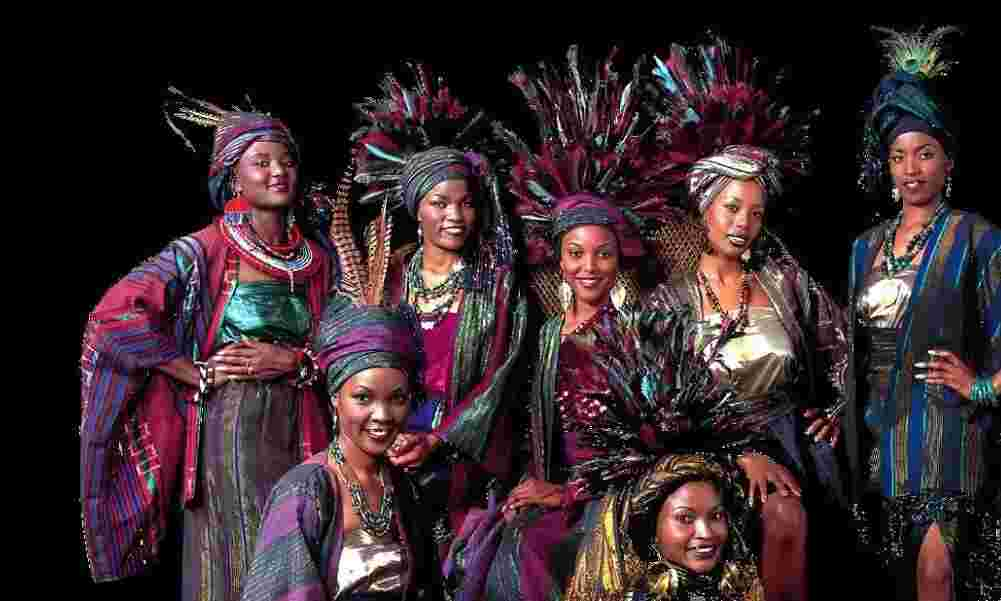
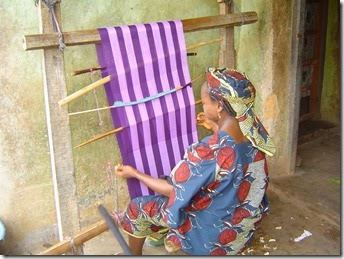
Their cloth-weaving tradition is one of their most distinctive cultural exports.
The masquerade tradition is another cornerstone: the Éku masquerades are performed during major festivals, with costumes that carry real spiritual weight, not just performance value.
Speaking of festivals, the Ekuechiis the one you need to know. Celebrated between November and January, it marks the symbolic return of ancestral spirits to the earthly realm.
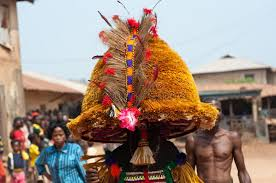
It involves masquerades, drumming, communal singing, and a process of reconciliation within communities. It is essentially a time when the Ebira press pause on everyday life, settle old grudges and reaffirm who they are to each other.
In an age where we talk endlessly about mental health, community, and belonging, the Ebira have been institutionalizing all three for centuries.
The Nigeria You Don't See
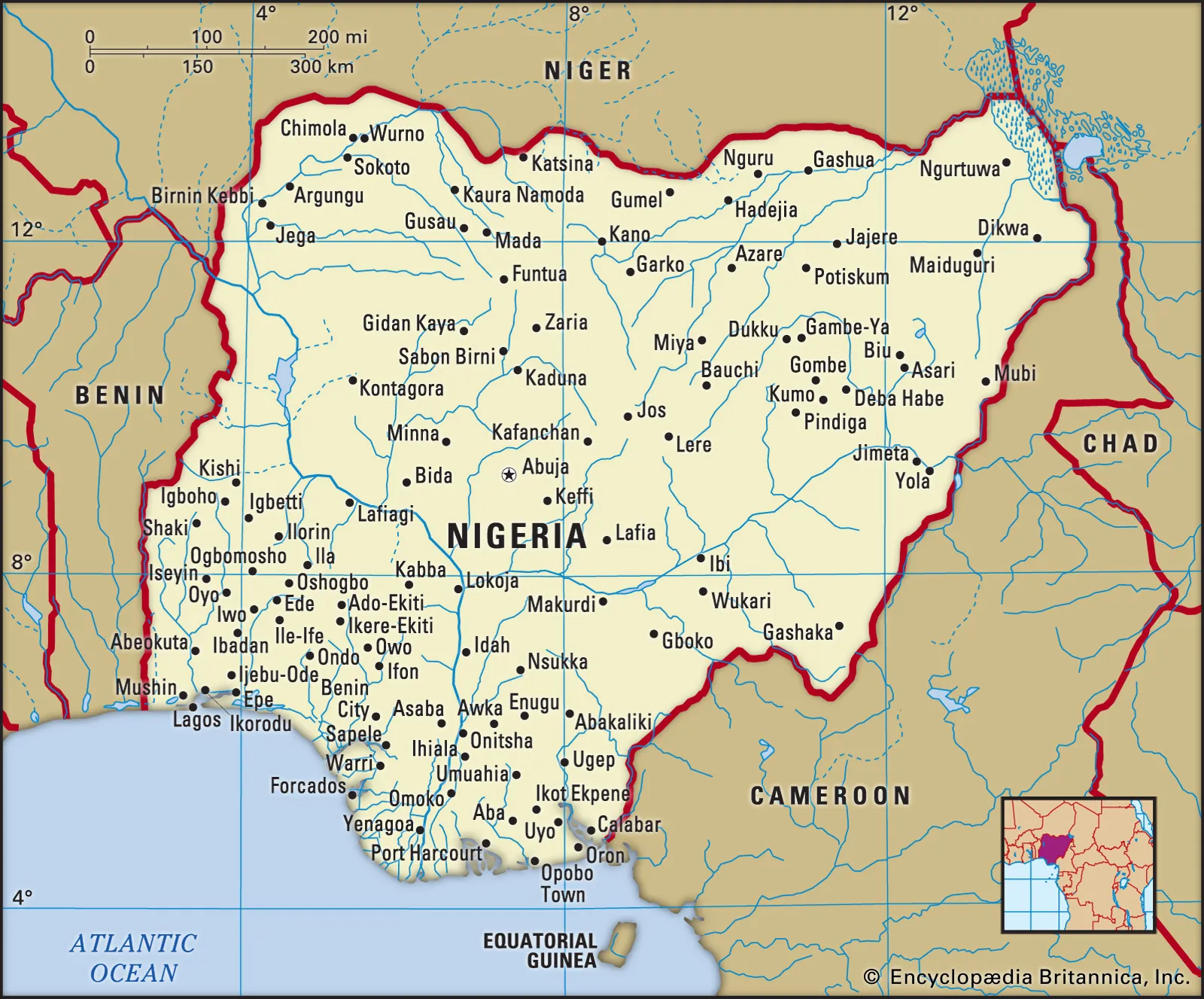
What connects both tribes is that they occupy Nigeria's physical and cultural middle and both have been made invisible by a national story that only has room for three leading characters.
And it has real consequences.
When a people are not named in the dominant culture, they are not counted in its imagination. They get left out of policy conversations, underrepresented in federal appointments, overlooked in resource allocation.
Their land gets called no-man's land. Their festivals go unbroadcast and their languages get no spot on the school curriculum.
Their young people grow up in a country that doesn't seem to know they exist, and some of them start to believe it.
That is not unique just to the Gbagyi and Ebira. The Igala, the Nupe, the Idoma, the Tiv, the Ibibio, the Efik and this list goes on.
Nigeria has hundreds of peoples with complex histories, living philosophies, and artistic traditions that most Nigerians will never encounter, because the national conversation keeps circling the same three names.
And we should be bothered by this. We talk about representation but somehow, the erasure happening inside our own borders, among our own people, gets a pass.
A Richer Country Than We Have Been Told
The Gbagyi and Ebira are not footnotes. They are not "also-rans" in some hierarchy of Nigerian identity. They are full peoples, with full histories, whose contributions to the territory we call Nigeria predate the name Nigeria itself.
Culture
Read Between the Lines of African Society
Your Gateway to Africa's Untold Cultural Narratives.
The Gbagyi were farming and shaping clay on the land that became our capital long before 1914. The Ebira were working iron, trading across the Niger-Benue confluence, and building political confederacies centuries before British administrators showed up with maps.
Learning about them is not ‘a favour’ thing. It is correction and choosing to hold a more accurate, more honest picture of the country you live in.
Nigeria is bigger, stranger, and richer than the version most of us were handed. The question is whether you are curious enough to find out what you have been missing.
Start with the Gbagyi and Ebira, then keep going.