The Igbo Traditional Dance Positioning in Nigerian Culture
Igbo dance positioning in Nigeria uses circles, lines, and paired movements to reflect community, social hierarchy, rituals, and cultural heritage. Every step, formation, and solo performance communicates history, honors ancestors, and preserves the identity of the Igbo people.
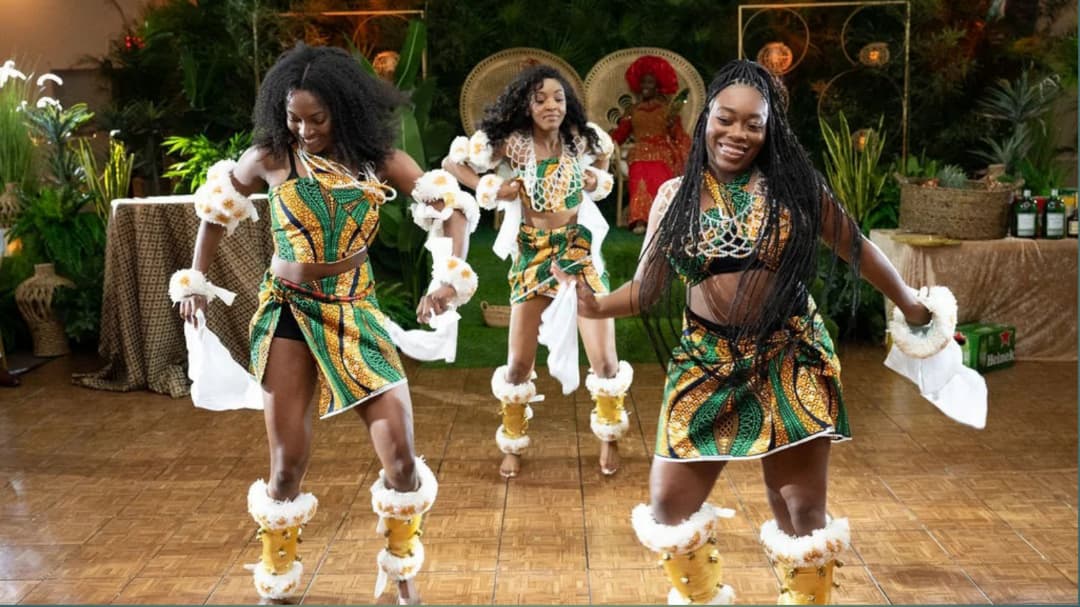
Dance is an important part of Igbo culture in Nigeria.
It is more than just movement; it is a way of expressing history, values, and identity.
And if there is one thing you notice quickly, it’s this: the way dancers stand, the way they move, the formations they take—all of it matters.
That’s dance positioning, culture in motion.
Dance as a Language of the Igbo People
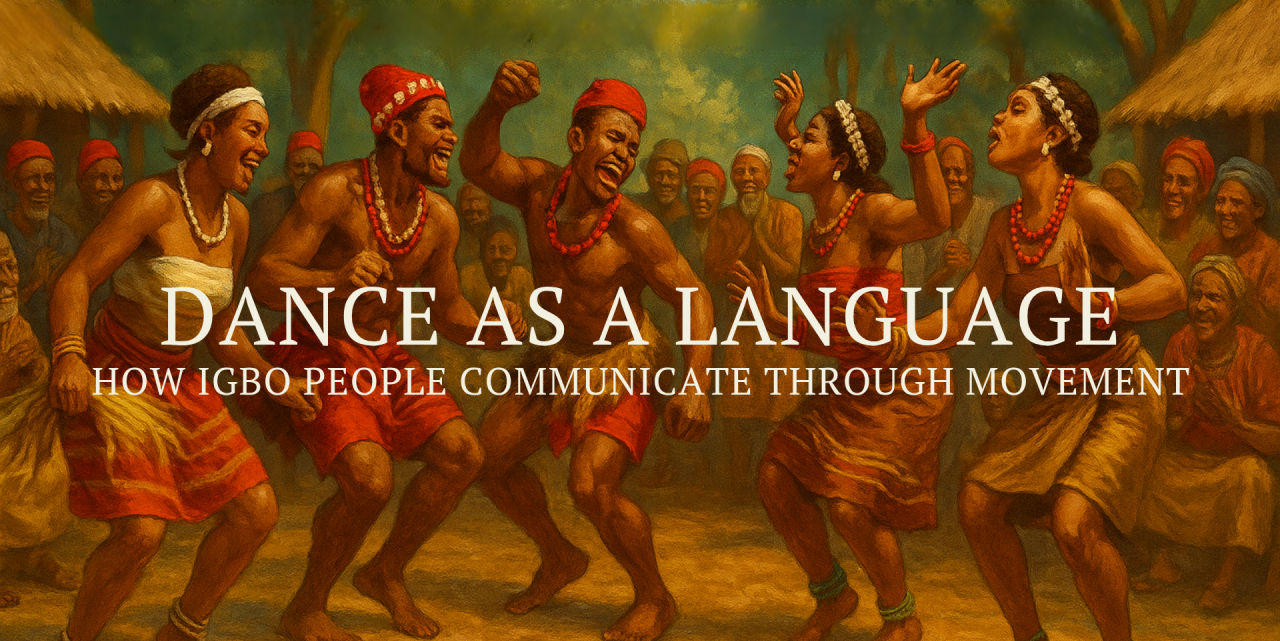
For the Igbo, dance is a form of non-verbal communication.
It conveys messages about society, family, and personal roles.
Dancers show respect, celebrate achievements, and share stories through their movements.
In many Igbo dances, positions help show the relationships between people.
For example, during community performances, elders may be placed at the center or front, while younger dancers form lines or circles around them. This shows respect and acknowledges experience.
Solo dancers often tell stories of heroes, spirits, or moral lessons, while groups performing together show unity and cooperation.
Through these positions, the Igbo teach cultural norms without words.
Symbolism and Meaning in Dance Positioning
Different dance formations have symbolic meanings in Igbo culture.
Circle formations often represent unity, community, and the cycle of life. Everyone in the community is included, and the circle shows that no one is left out.
Rows or lines can show hierarchy, discipline, or sequence in storytelling. Leaders or special dancers may stand in front, while others follow.
Paired movements are often used in courtship dances, cooperative work celebrations, or moral storytelling. The interaction between two dancers can represent teamwork, love, or respect.
These formations are carefully chosen to match the message of the dance.
Ceremonial and Ritualistic Functions
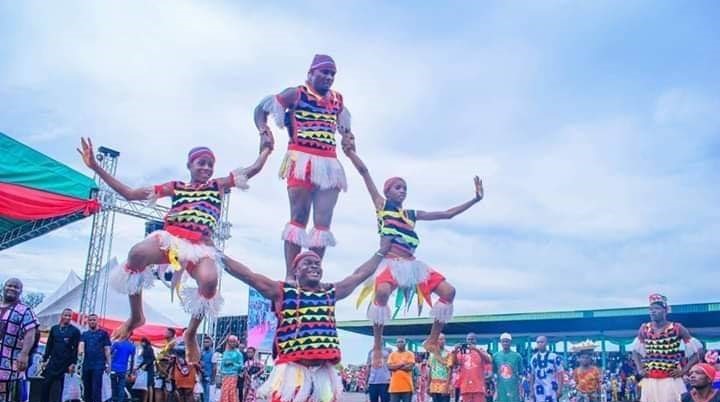
Igbo dance positioning plays a central role in ceremonies, festivals, and rituals.

During the New Yam Festival (Iri Ji), dancers take specific positions to honor the gods and ancestors.
Masquerade dances, like the Mmanwu, use positioning to create interactions between masked performers and the audience. These positions help show spiritual power and bring ancestral spirits to life during the festival.
Weddings and naming ceremonies also use dance positioning.
Families may form rows to show support for the couple or the child being named. The way dancers move and where they stand reflects family structure, respect, and blessings.
In every case, positioning is a tool to connect the community, celebrate milestones, and honor tradition.
Preservation, Education, and Modern Influence
Dance positioning is also important for passing down cultural knowledge.
Children learn history, ethics, and community roles through dance.
By following the rules of movement and formation, young people internalize values like respect for elders, cooperation, and cultural pride.
Even in modern Nigeria, traditional Igbo dance influences contemporary performances.
Afrobeat, highlife, and other popular music sometimes include formations inspired by Igbo dances, like circles or call-and-response sequences.
Culture
Read Between the Lines of African Society
Your Gateway to Africa's Untold Cultural Narratives.
Cultural groups and festivals continue to teach and celebrate traditional dance positioning, keeping the heritage alive while making it accessible to new audiences.
By observing these dances, people from across Nigeria and beyond can appreciate the richness and depth of Igbo culture.
Conclusion
In Igbo culture, dance positioning is not just about steps or rhythm.
It is a symbolic language, a tool for education, and a way to honor tradition.
Circles, lines, and pairs all carry meaning, whether in storytelling, spiritual rituals, or celebrations.
Through these positions, Igbo dance preserves culture, unites communities, and inspires modern artistic expression.